Table of Contents >> Show >> Hide
- Why Food Matters for Heart Health
- The 3 Foods That May Help Lower Cardiovascular Disease Risk
- Why These 3 Foods Work So Well Together
- What to Eat Less Often If You Want These Foods to Actually Help
- How to Build a Heart-Smarter Day of Eating
- Common Mistakes People Make
- The Bigger Picture: No Single Food Saves the Day
- Real-World Experiences: What This Looks Like in Everyday Life
- Conclusion
- SEO Tags
If your heart could text you, it probably would not ask for another drive-thru combo and a “treat yourself” soda the size of a flower vase. It would ask for consistency, balance, and maybe a little less drama on the dinner plate. Cardiovascular disease does not usually show up because of one snack, one birthday cake, or one glorious plate of fries. It tends to build over time through patterns: too much saturated fat, too much sodium, too many ultra-processed foods, and not enough fiber-rich, nutrient-dense meals.
The good news is that heart-friendly eating does not require you to become a kale philosopher or memorize the emotional backstory of every chia seed. In fact, some of the most helpful foods are affordable, familiar, and easy to work into everyday meals. If you want a practical place to start, three foods deserve a regular seat at the table: oats, beans, and fatty fish. They are not magic. They are not edible superheroes wearing tiny capes. But eaten consistently as part of an overall healthy pattern, they may help lower your risk of cardiovascular disease.
Why Food Matters for Heart Health
Cardiovascular disease is a broad term that includes problems involving the heart and blood vessels, such as coronary artery disease, heart attack, stroke, and heart failure. While genetics, age, and medical history all matter, diet plays a major role in several risk factors that push heart disease forward. Those factors include high LDL cholesterol, high blood pressure, elevated triglycerides, excess body weight, insulin resistance, and chronic inflammation.
That is why nutrition experts keep repeating a truth that is almost boring because it is so reliable: the best eating plan for your heart is not built around one trendy ingredient. It is built around a pattern. Foods that are high in fiber, rich in unsaturated fats, naturally lower in sodium, and minimally processed tend to support better cardiovascular health. Foods heavy in saturated fat, refined carbs, added sugar, and sodium tend to move things in the opposite direction.
So no, your heart does not need a miracle berry harvested during a full moon. It needs a better routine.
The 3 Foods That May Help Lower Cardiovascular Disease Risk
1. Oats: The Breakfast Bowl With Actual Credentials
Oats may not look exciting. They are beige, humble, and about as flashy as a tax form. But nutritionally, they punch well above their weight. Oats contain a type of soluble fiber called beta-glucan, which helps reduce LDL cholesterol by binding with cholesterol-rich bile acids in the digestive system and helping the body remove them. In plain English, oats help your body take out some of the trash instead of letting it linger in the bloodstream.
That matters because LDL cholesterol is one of the biggest contributors to plaque buildup in arteries. When LDL levels stay elevated over time, arteries can stiffen and narrow, raising the risk of heart attack and stroke. A simple bowl of oatmeal is not a substitute for medication when medication is needed, but it can absolutely support a heart-healthier diet.
Oats also help with fullness. That is not a trivial perk. When breakfast actually keeps you satisfied, you are less likely to end up foraging through vending machines at 10:17 a.m. like a raccoon in office attire. A steadier appetite can make it easier to manage weight, blood sugar, and portion sizes throughout the day.
The smartest move is to choose minimally sweetened oats. Steel-cut oats, rolled oats, and plain old-fashioned oatmeal are solid options. The problem is not the oat. The problem is when oatmeal turns into dessert cosplay, loaded with syrup, candy bits, and enough brown sugar to qualify as a personality trait.
Easy ways to eat more oats:
Make oatmeal with cinnamon, berries, and chopped walnuts. Use oats in overnight oats with plain yogurt and fruit. Blend oats into smoothies. Add rolled oats to homemade turkey meatballs or black bean burgers for extra texture and fiber.
2. Beans: Tiny, Mighty, and Criminally Underrated
Beans are one of the best bargains in nutrition. Black beans, chickpeas, lentils, kidney beans, navy beans, and other legumes deliver a powerful combination of fiber, plant protein, and minerals such as potassium and magnesium. That combination is very friendly to the cardiovascular system.
First, beans contain soluble fiber, which can help lower cholesterol. Second, they are filling, which can support weight management. Third, they naturally displace less healthy foods. When a meal includes beans, there is usually less room for processed meats, heavy cream sauces, or fried something-or-other. Your plate gets better without a dramatic speech.
Beans may also support blood pressure because potassium helps balance the effects of sodium in the body. Since high blood pressure is one of the major drivers of cardiovascular disease, foods that fit into a blood-pressure-friendly eating pattern deserve attention. Beans do exactly that, especially when they are prepared simply.
If you are using canned beans, the easiest upgrade is to choose low-sodium versions or rinse regular canned beans well before using them. That one tiny habit can cut down on extra salt without making dinner taste like a punishment.
Easy ways to eat more beans:
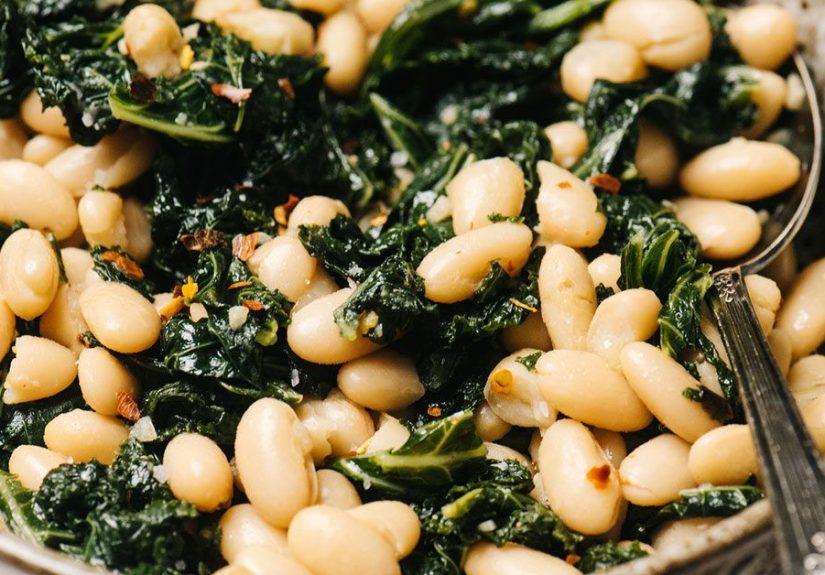
Add black beans to tacos, grain bowls, or soups. Toss chickpeas into salads. Stir lentils into pasta sauce. Blend white beans into a creamy dip instead of reaching for a processed spread with a chemistry set on the ingredient list.
3. Fatty Fish: A Better Kind of Rich
Fatty fish such as salmon, sardines, mackerel, trout, and herring are rich in omega-3 fatty acids, especially EPA and DHA. These healthy fats are associated with heart benefits, including support for lower triglycerides and a healthier overall cardiovascular profile. In addition, fish often replaces foods higher in saturated fat, such as processed red meat or heavily breaded fried proteins, which makes the swap even more helpful.
This is an important point: sometimes the benefit of a food comes not only from what it gives you, but also from what it replaces. A grilled salmon dinner with roasted vegetables and brown rice tends to push aside a meal built around bacon, butter, and regret. That is a win on several levels.
Fatty fish also fits naturally into widely recommended eating patterns such as the Mediterranean diet and DASH-style eating. Those patterns are not trendy internet challenges. They are well-established approaches to eating that repeatedly show up in discussions about better heart health.
The best strategy is to keep it simple. Bake salmon with lemon and herbs. Add sardines to whole-grain toast with avocado and tomato if you are feeling brave and efficient. Grill trout. Use canned salmon in patties or salads. Just try not to undo the benefits by deep-frying everything into oblivion.
Why These 3 Foods Work So Well Together
Oats, beans, and fatty fish make sense together because they cover different parts of the heart-health puzzle. Oats help with soluble fiber and cholesterol support. Beans bring more fiber, plant protein, and blood-pressure-friendly minerals. Fatty fish contributes omega-3 fats and a healthier alternative to proteins high in saturated fat.
Together, they create a pattern that is more realistic than chasing nutrition perfection. You do not need every meal to look like it was plated by a wellness influencer near a sunlit window. You need repeatable meals that help your heart more often than they hurt it.
What to Eat Less Often If You Want These Foods to Actually Help
Adding good foods matters, but the overall pattern matters even more. Eating oatmeal for breakfast does not cancel out a daily parade of processed meats, oversized desserts, fast food, and salty packaged snacks. Your arteries are not running a rewards program where one bowl of oats earns you unlimited bacon points.
To lower cardiovascular risk, it helps to cut back on:
Processed meats: bacon, sausage, hot dogs, deli meats.
Refined grains: white bread, pastries, many sugary cereals.
Added sugars: soda, sweetened coffee drinks, desserts that somehow contain an entire week’s worth of sugar in two bites.
Excess sodium: canned soups, frozen meals, restaurant dishes, packaged snacks.
Saturated and trans fats: fried foods, high-fat cuts of meat, many commercial baked goods.
The goal is not fear. The goal is frequency. These foods do not have to disappear forever, but they should not be the backbone of your eating routine.
How to Build a Heart-Smarter Day of Eating
Here is what a practical day might look like if you wanted to use these three foods without making life complicated.
Breakfast: A bowl of oatmeal topped with blueberries, sliced banana, cinnamon, and a spoonful of chopped walnuts.
Lunch: A salad with mixed greens, chickpeas, cherry tomatoes, cucumber, olive oil, and vinegar, plus a slice of whole-grain toast.
Snack: Plain yogurt with fruit, or an apple with a small handful of unsalted nuts.
Dinner: Baked salmon, roasted broccoli, and quinoa or brown rice.
Notice what is happening here: more fiber, more unsaturated fat, more minimally processed foods, less sodium overload, and fewer ingredients that came from a lab meeting. That is what heart-smart eating looks like in real life.
Common Mistakes People Make
One mistake is assuming “healthy” means flavorless. It does not. Herbs, garlic, lemon, vinegar, salsa, mustard, pepper, cumin, paprika, and olive oil can make heart-healthier meals taste excellent.
Another mistake is focusing only on one nutrient. People obsess over carbs, then fat, then protein, then some ingredient they cannot pronounce. The bigger picture is food quality. Oats are not helpful because they are trendy. They are helpful because they are fiber-rich, minimally processed, and usually low in sodium and added sugar when prepared wisely.
The third mistake is going too hard, too fast. If you try to transform your entire kitchen overnight, you may last roughly three days before ordering takeout with the energy of someone who just finished a survival reality show. Slow changes stick better. Start with oatmeal three mornings a week. Add beans to two lunches. Eat fish twice a week. Build from there.
The Bigger Picture: No Single Food Saves the Day
It is worth repeating: no single food prevents cardiovascular disease on its own. Oats cannot outrun a sedentary lifestyle, heavy smoking, chronic sleep deprivation, or unmanaged high blood pressure. Beans are wonderful, but they are not tiny wizards. Salmon is excellent, but it does not grant immortality.
Lowering cardiovascular risk usually works best when healthy eating is paired with other habits such as regular movement, enough sleep, stress management, not smoking, and staying on top of medical care. Food is powerful, but it works best as part of a team.
Real-World Experiences: What This Looks Like in Everyday Life
In real life, heart-healthier eating rarely begins with a dramatic movie montage. It usually starts with something smaller and less glamorous: a doctor mentions cholesterol, a parent has a health scare, a pair of jeans begins negotiating too aggressively, or a person simply gets tired of feeling sluggish after meals. That is when these three foods start making sense, not as a strict diet, but as easy anchors.
For many people, oats become the first win because breakfast is a controllable meal. A person who once grabbed a pastry and a giant sweet coffee on autopilot may switch to oatmeal with fruit a few mornings a week. At first, the complaint is predictable: “This tastes healthy.” Then comes the second week, when cinnamon, berries, nuts, or peanut butter enter the picture and the oatmeal stops feeling like edible wallpaper. What people often notice next is not a miracle. It is steadier energy, less midmorning hunger, and fewer random snack attacks before lunch.
Beans tend to become the surprise favorite. A lot of people assume beans are boring, but then they discover tacos with black beans and avocado, lentil soup that actually feels hearty, or chickpeas crisped in the oven with spices. Suddenly beans are not “health food.” They are just food that happens to pull its weight. People often say they feel fuller longer when meals include beans, which makes afternoon grazing less intense. For busy families, beans also solve a practical problem: they are cheap, shelf-stable, and easy to stretch into multiple meals.
Fish is usually the trickiest shift, mostly because people either love it, avoid it, or only know it in deep-fried form. But once someone finds two or three simple fish recipes they genuinely like, the change gets easier. Salmon with lemon and garlic, tuna packed into a quick salad, or trout roasted with herbs can become weeknight staples. The most common real-world breakthrough is keeping expectations reasonable. Nobody needs to turn into a seafood poet. They just need a couple of reliable fish meals that can replace less healthy defaults.
Another common experience is that taste buds adjust. Foods that once seemed normal, especially very salty packaged meals or sugary breakfasts, can start tasting heavy after a few weeks of eating more whole foods. That does not mean cravings vanish forever in a puff of saintly self-control. It just means the baseline changes. An oatmeal bowl with fruit starts tasting satisfying. A bean-and-grain lunch stops feeling “too simple.” A salmon dinner feels filling without the post-meal crash.
People also discover that consistency beats intensity. The ones who do best are not usually the people chasing a perfect diet. They are the people who make repeatable swaps: oatmeal instead of pastries, beans instead of processed meat in a few meals, fish instead of fried takeout once or twice a week. Over time, those swaps feel normal instead of forced. That is the sweet spot. Healthy eating is far easier when it stops feeling like a temporary punishment and starts feeling like your regular life, just with better groceries.
And yes, there are obstacles. Kids may reject lentils on sight. A spouse may believe every healthy dinner is a personal attack. Work schedules may be chaotic. Grocery budgets may be tight. But these three foods hold up surprisingly well under real-life pressure. Oats are inexpensive. Beans are among the most budget-friendly proteins around. Canned or frozen fish options can make heart-healthier eating more affordable and practical. In other words, this is not a fantasy meal plan designed for someone with endless free time and a refrigerator full of boutique produce. It is a realistic starting point for ordinary people trying to give their hearts a better deal.
Conclusion
If you want to lower your risk of cardiovascular disease, you do not need a miracle cleanse, a chaotic internet challenge, or a pantry full of powders that sound like science fiction. You need better patterns. Oats, beans, and fatty fish are three excellent foods to build around because they support cholesterol, blood pressure, fullness, and overall heart health in practical ways. Add them regularly, pair them with more fruits and vegetables, cut back on heavily processed foods, and let consistency do the heavy lifting. Your heart may never send a thank-you card, but it will probably appreciate the effort.