Table of Contents >> Show >> Hide
- First Impressions: The Café That Feels Like a Pause Button
- Where Is Tas Yard Café?
- The Food: Comfort With a Design-Savvy Backbone
- Coffee, Dessert, and the Art of Lingering
- Design Atmosphere: Why Tas Yard Looks So Effortless
- Who Should Visit Tas Yard Café?
- How to Build a Half-Day Around Tas Yard
- What Makes Tas Yard Different From Other Tokyo Cafés?
- Practical Tips for Visiting Tas Yard Café in Tokyo
- Restaurant Visit Experience: A Longer Reflection on Tas Yard Café in Tokyo
- Final Thoughts: Is Tas Yard Café Worth Visiting?
- SEO Tags
Tokyo has a gift for hiding excellent cafés in places where you almost feel rude for discovering them. One minute you are walking through Sendagaya, a calmer corner between Harajuku’s fashion storm and Kita-Sando’s polished backstreets; the next, you are standing in front of Tas Yard Café, wondering whether you have found a restaurant, a garden shop, a neighborhood living room, or the headquarters of people who own suspiciously good linen shirts.
Tas Yard Café in Tokyo is not the kind of place that shouts for attention. It does not need neon drama, a mascot, or a dessert shaped like a sleepy bear to get noticed. Instead, it relies on quieter charms: warm wood, plants, simple food, good coffee, a design-minded atmosphere, and the feeling that someone thought carefully about where every chair, cup, and leafy branch should sit. In a city full of themed cafés and viral snack queues, Tas Yard wins by being deeply, confidently normalin the most beautiful way possible.
Located in Sendagaya, Shibuya, near Kita-Sando Station and within walking distance of Harajuku, Tas Yard is a café, kissa-style restaurant, curry stop, casual lunch place, and design-lover’s pit stop rolled into one. It is connected with Landscape Products, the influential Tokyo design company also associated with Playmountain, which helps explain why the space feels less like a random café and more like a carefully edited lifestyle scene. But do not worry: you do not need an architecture degree to enjoy it. A healthy appetite and a soft spot for cozy interiors will do just fine.
First Impressions: The Café That Feels Like a Pause Button
Tas Yard sits in Sendagaya at a pace that feels almost rebellious for Tokyo. This is still the capital, of course, so trains run with military precision and people walk like they have appointments with destiny. But around Tas Yard, the city loosens its tie. The streets are quieter, the storefronts more considered, and the crowd tends to include designers, café wanderers, neighborhood regulars, travelers, and people who look as if they know exactly where to buy beautiful ceramic bowls.
Step inside and the mood shifts from “Tokyo errand mode” to “maybe I should write a thoughtful postcard.” The interior leans into natural materials, soft light, greenery, and furniture that looks simple until you realize simple is actually very hard to do well. There is a relaxed California-meets-Japanese-craft feeling here: unfussy, earthy, and quietly stylish. Nothing feels over-decorated. The room breathes.
The café’s name adds another layer to the experience. Tas Yard has been described by Landscape Products as carrying the idea of a “crossroads garden,” which suits the place perfectly. It feels like a meeting point: between café and shop, lunch and lingering, Tokyo local life and visitor discovery, design culture and everyday comfort. It is the kind of café where solo diners do not look abandoned, laptop users do not look exiled, and friends can talk for an hour without feeling rushed by the furniture.
Where Is Tas Yard Café?
Tas Yard Café is located at 3-3-14 Sendagaya, Shibuya-ku, Tokyo, in a neighborhood that rewards walking slowly. The closest major access point is Kita-Sando Station, and Harajuku Station is also within walking distance. This makes Tas Yard a smart stop if your Tokyo itinerary includes Meiji Shrine, Takeshita Street, Omotesando, Yoyogi, or design shopping around Sendagaya.
The beauty of this location is balance. Harajuku is close enough for convenience, but far enough that you do not feel trapped in a parade of crepes, sneakers, and teenagers with better outfits than most adults could assemble in a decade. Sendagaya gives you breathing room. After the intensity of central Tokyo, Tas Yard feels like the city handing you a warm mug and saying, “You have been very brave today.”
Quick Visitor Notes
Public listings commonly describe Tas Yard as a café, kissa, and curry restaurant. Its hours can vary, and current listings often show lunch-to-evening service with slightly longer weekend hours. Since Tokyo cafés sometimes adjust schedules for holidays, private events, or seasonal changes, it is always wise to check the café’s latest social updates before going. In other words: verify first, then emotionally commit to French toast.
The Food: Comfort With a Design-Savvy Backbone
Tas Yard’s menu is built around food that sounds simple until you eat it and remember that simple food depends on small decisions. Curry, rice dishes, pasta, coffee, sweets, and toast-style café plates are often mentioned in public reviews and guides. This is not a restaurant trying to perform culinary fireworks with smoke, foam, and tweezers. It is more about honest ingredients, careful seasoning, and plates that make sense for lunch, a slow afternoon, or a casual Tokyo café visit.
The curry is one of the most frequently mentioned items, and for good reason. Japanese café curry has its own comfort language: gently spiced, savory, a little sweet, and deeply satisfying without trying to win a heat contest. Tas Yard’s curry fits the café’s personality. It is warm, approachable, and the sort of dish that makes you stop checking your phone because rice and sauce have formed a small but persuasive committee.
If you are visiting for the first time, curry is a safe anchor order. It gives you the lunch experience that Tas Yard is known for: casual but thoughtful, filling but not heavy, familiar but still specific to this café. Pair it with coffee or tea afterward and you will understand why people describe the place as a neighborhood favorite rather than a tourist spectacle.
French Toast: The Sweet Scene-Stealer
Tas Yard’s French toast has earned plenty of attention from visitors and local reviewers. It is often described as caramelized on the outside, soft within, and balanced enough for grown-up dessert lovers who do not want breakfast to taste like a sugar thunderstorm. This is the kind of dish that arrives looking modest, then immediately becomes the table’s main character.
A good French toast is a texture negotiation. Too dry, and it becomes bread wearing perfume. Too soft, and it collapses into pudding with ambition issues. Tas Yard’s version is known for landing in the pleasing middle: crisp edges, tender center, subtle sweetness, and enough richness to justify ordering it even after lunch. Sharing is possible, but emotionally risky. Friendships have survived worse, but still.
Coffee, Dessert, and the Art of Lingering
Tas Yard is as much about pacing as it is about food. Some cafés are built for quick turnover: order, eat, vanish. Tas Yard encourages a gentler rhythm. Coffee here feels like part of the design language. It belongs with the wooden surfaces, the plants, the quiet conversations, and the sense that the café is not merely feeding you but recalibrating you.
Dessert also fits the experience. Public write-ups over the years have noted sweets and café-style treats as part of Tas Yard’s draw, from French toast to simple desserts that suit the room’s rustic-modern character. Nothing needs to be over-the-top because the setting already does half the work. A dessert at Tas Yard is less “grand finale” and more “small reward for successfully navigating Tokyo without walking into a bicycle.”
Design Atmosphere: Why Tas Yard Looks So Effortless
The most memorable thing about Tas Yard may be its atmosphere. This is where the Landscape Products connection matters. Landscape Products has long been associated with furniture, interiors, craft, shops, and modern Japanese lifestyle design. Tas Yard reflects that world without turning the café into a showroom. You can sense the design intelligence, but it does not glare at you from across the room wearing black glasses.
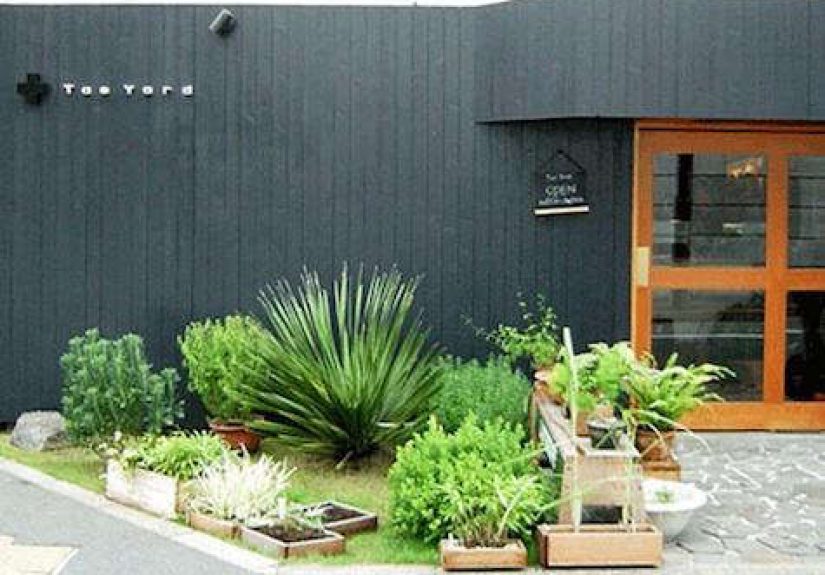
The interior favors natural wood, plants, practical seating, warm tones, and a casual arrangement that feels lived-in. It is stylish, but not sterile. It has the confidence to leave space empty. In a city where many places maximize every inch, Tas Yard understands the luxury of air. That is part of why photographers, design travelers, and café fans are drawn to it.
There is also a garden-shop spirit woven into the café. Depending on timing and setup, visitors may encounter plants, goods, or small retail elements that reinforce Tas Yard’s identity as more than a place to eat. It is a place to look around. Even the entrance has that “accidentally perfect” quality that design blogs love and normal people simply call “nice.”
Who Should Visit Tas Yard Café?
Tas Yard is ideal for travelers who enjoy quiet neighborhood restaurants, design cafés, Tokyo interiors, and food that does not require a 12-step explanation from a server. It is especially good for people planning a slower day around Harajuku, Sendagaya, Kita-Sando, Omotesando, or Yoyogi. If your Tokyo schedule includes shopping, shrine visits, galleries, or design walks, Tas Yard makes an excellent mid-day reset.
It is also a strong choice for solo travelers. Some restaurants make a solo diner feel like a missing puzzle piece. Tas Yard does the opposite. The room suits people reading, sketching, typing, thinking, or simply enjoying lunch without performing social productivity. Bring a book, order curry, and enjoy the rare pleasure of being alone in public without feeling like a decorative plant.
Couples and small groups will enjoy it too, particularly if the goal is conversation rather than spectacle. This is not the café for people who want giant rainbow pancakes, robot waiters, or a menu that looks designed by a carnival committee. Tas Yard is for people who appreciate subtlety, texture, warmth, and food that tastes like somebody cared without needing applause.
How to Build a Half-Day Around Tas Yard
One of the best ways to enjoy Tas Yard is to make it part of a Sendagaya and Harajuku walking route. Start with a morning visit to Meiji Shrine if you want greenery and calm. Walk toward Harajuku for a quick burst of street energy, then escape toward Kita-Sando when your brain begins requesting quieter fonts. Tas Yard can become your lunch stop, coffee break, or late-afternoon recovery station.
Nearby Playmountain is a natural pairing for design-minded visitors. Because both are associated with the same broader design culture, the combination feels coherent: eat at Tas Yard, then browse objects and interiors nearby. It is the Tokyo version of a balanced meal, except the second course may involve admiring a chair you cannot fit in your suitcase.
From there, you can continue toward Omotesando for architecture and boutiques, Yoyogi for green space, or back into Harajuku if you feel emotionally ready for crowds again. Tas Yard works because it does not dominate the day. It improves the day. It gives your itinerary a soft middle, which is exactly what many Tokyo travel plans need.
What Makes Tas Yard Different From Other Tokyo Cafés?
Tokyo has thousands of cafés, and many are excellent. What makes Tas Yard stand out is the combination of neighborhood calm, design credibility, approachable food, and a garden-like identity. It does not rely on novelty. It relies on atmosphere. That is harder to photograph than a towering parfait, but easier to remember.
The café feels local without being closed off to visitors. It feels stylish without being cold. It feels curated without making you afraid to move the spoon. This balance is rare. Many beautiful cafés feel like they were designed primarily for cameras. Tas Yard feels designed for people first, with cameras politely allowed to tag along.
The food supports this identity. Curry, rice plates, pasta, coffee, and toast are not shocking items, but they are exactly right for the setting. They are the edible version of the interior: comforting, thoughtful, unfussy, and quietly memorable. Tas Yard understands that a restaurant visit does not always need drama. Sometimes it needs a good table, a warm plate, and a room that lets you exhale.
Practical Tips for Visiting Tas Yard Café in Tokyo
Go at Off-Peak Times
Tas Yard is popular with locals, design fans, and travelers who have done their homework. Visiting outside peak lunch hours may help you enjoy the room at its best. A late lunch or mid-afternoon coffee stop can feel especially pleasant.
Check Hours Before You Go
Public listings show regular daytime service, but hours can change. Before visiting, check the latest café updates. This is especially important around Japanese holidays, weekends, or special events.
Order the Classics First
For a first visit, curry and French toast are the safest way to understand the café’s reputation. Add coffee or tea, and you have the complete Tas Yard introduction: savory comfort, sweet texture, and quiet atmosphere.
Leave Time to Wander
Sendagaya rewards slow walking. Do not schedule Tas Yard as a frantic 22-minute stop between major attractions. Give yourself time to look around the neighborhood, browse nearby design shops, and enjoy the less obvious side of Tokyo.
Restaurant Visit Experience: A Longer Reflection on Tas Yard Café in Tokyo
A visit to Tas Yard Café begins before the first bite. That may sound dramatic for a café, but Tokyo has a way of making small transitions feel cinematic. You leave the heavier current of Harajuku, pass into calmer streets, and suddenly the city becomes more textured. The storefronts are quieter. The people seem less hurried. Even the sunlight feels like it has switched to a softer setting. By the time you reach Tas Yard, you are already in a different mood.
The first experience is visual. There is warmth in the materials, a grounded feel in the plants, and a relaxed confidence in the layout. Nothing screams “look at me,” which naturally makes you look more closely. That is the trick. Tas Yard does not sell atmosphere by force. It lets atmosphere accumulate. You notice the wood, then the greenery, then the casual rhythm of the staff, then the way diners settle in as if they have been given permission to slow down.
The second experience is social. Tas Yard is not silent, but it is not chaotic either. Conversations happen at a human volume. Solo visitors blend naturally into the room. A pair of friends can linger over dessert. Someone with a notebook can write without looking like they are auditioning for a moody film. This matters because restaurant experiences are not only about the food; they are about how the room lets you be yourself while eating it.
Then comes the food, which reinforces the feeling rather than interrupting it. Curry at Tas Yard is the kind of dish you want after too much walking: warm, satisfying, familiar, and generous in spirit. It does not need to be aggressively spicy to be interesting. Its charm is comfort. It is the meal equivalent of taking off a backpack you forgot was heavy. A spoonful of rice and curry in that room makes perfect sense, as if the interior had been designed around the dish.
French toast brings a different kind of pleasure. It is sweeter, slower, and more indulgent. The best moment is the contrast between the caramelized surface and the soft interior. That texture makes the dish feel special without becoming silly. Tokyo has no shortage of photogenic desserts, but Tas Yard’s French toast feels less like a prop and more like a reason to stay another twenty minutes. It pairs well with coffee and an afternoon that has no urgent demands.
The final experience is the aftertaste of the place itself. Some restaurants are easy to review because they deliver one big headline: best ramen, tallest pancake, wildest view. Tas Yard is subtler. You remember the whole rhythm: the walk from Kita-Sando, the calm entrance, the wood-rich room, the curry, the toast, the plants, the sense of being somewhere local and carefully made. It is a café that improves your day rather than hijacking it.
That is why Tas Yard Café remains worth visiting. It offers a version of Tokyo many travelers hope to find but do not always know how to search for: stylish but not flashy, local but accessible, peaceful but not boring, designed but not precious. In a city famous for extremes, Tas Yard is a reminder that quiet excellence can be just as memorable as spectacle. And honestly, after a full day in Tokyo, quiet excellence with French toast sounds like a very intelligent life choice.
Final Thoughts: Is Tas Yard Café Worth Visiting?
Yes, Tas Yard Café is worth visiting, especially if you love design-focused cafés, relaxed Tokyo neighborhoods, comforting lunch plates, and interiors that make you want to reorganize your entire home using wood, plants, and better lighting. It is not the loudest restaurant in Tokyo, and that is exactly the point.
Tas Yard works because it understands restraint. The food is comforting. The setting is warm. The design is thoughtful. The neighborhood is walkable. The café feels equally suitable for a solo lunch, a slow coffee, a casual date, or a design-minded Tokyo afternoon. In a travel itinerary packed with temples, trains, shops, and sensory overload, Tas Yard is a welcome pause.
Visit for the curry. Stay for the French toast. Remember the room. Then step back into Tokyo feeling slightly calmer, better fed, and possibly convinced that every café should come with more plants.