Table of Contents >> Show >> Hide
- Why Remove a Deck in the First Place?
- Planning Before the First Board Comes Off
- Step 1: Remove Railings, Stairs, and Deck Boards
- Step 2: Take Down the Framing Carefully
- Step 3: Clean Up and Reclaim the Yard
- Designing the Gravel Patio Layout
- Choosing the Right Gravel
- Step 4: Excavate and Grade the Patio Area
- Step 5: Add a Compacted Base
- Step 6: Install Landscape Fabric
- Step 7: Install Edging That Actually Holds
- Step 8: Spread the Gravel
- Gravel Patio Cost Considerations
- Gravel Patio Maintenance
- Design Ideas After Removing the Deck
- Common Mistakes to Avoid
- Our Real-Life Experience: What We Learned Removing Our Deck & Adding A Gravel Patio
- Conclusion
There comes a moment in every aging deck’s life when it stops whispering “outdoor living” and starts creaking “liability waiver.” Ours had reached that dramatic stage. The boards were tired, the stairs had opinions, and the whole structure seemed to sigh every time someone walked across it with a cup of coffee. So we made a decision: remove the old deck and replace it with a simple, beautiful, budget-friendly gravel patio.
A gravel patio may not sound as glamorous as a glossy magazine spread with a stone fireplace and a suspiciously clean outdoor sofa, but it has a lot going for it. It is affordable, DIY-friendly, flexible, and charming in a relaxed, “come sit down and don’t worry about tracking in a little dust” kind of way. For homeowners who want more usable backyard space without building another raised structure, removing a deck and adding a gravel patio can be a smart upgrade.
This guide walks through the process, planning, lessons learned, design choices, and real-life experiences behind replacing a deck with a gravel patio. Think of it as part renovation story, part practical checklist, and part friendly warning that demolition always creates more debris than your brain wants to admit.
Why Remove a Deck in the First Place?
A deck can be wonderful when it is safe, solid, and suited to the way you use your yard. But an old deck can become a maintenance magnet. Wood can rot, fasteners can loosen, railings can wobble, and surfaces can splinter or warp. Even if the deck still looks decent from a distance, problems often hide underneath, where moisture, insects, and poor airflow do their sneaky little renovation sabotage.
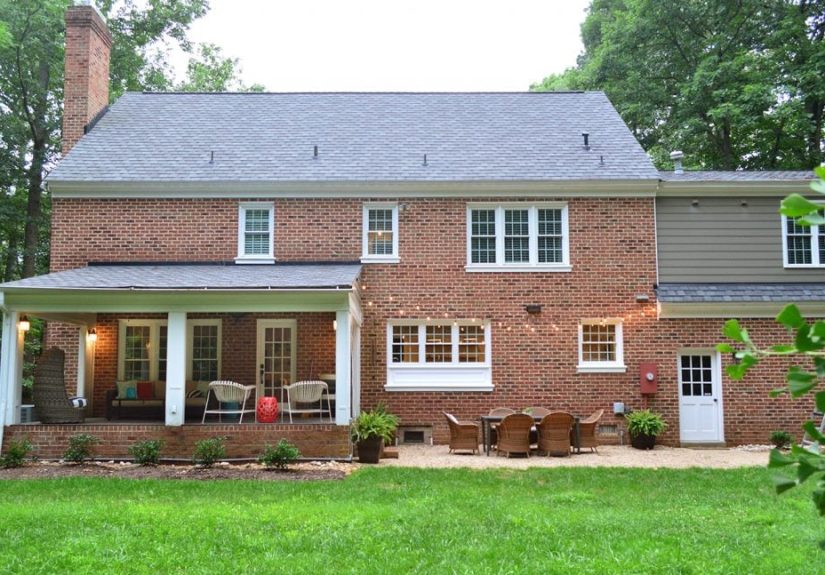
In our case, the deck was no longer earning its square footage. It blocked part of the yard, required regular maintenance, and created an awkward transition between the house and garden. Instead of repairing or rebuilding it, we wanted a lower, more open outdoor area that felt connected to the landscape. A gravel patio checked the boxes: casual, inexpensive compared with many hardscape options, and easier to reshape if our backyard plans changed later.
Common Reasons to Replace a Deck With a Gravel Patio
- The deck framing is damaged, soft, or unsafe.
- The structure requires more maintenance than the homeowner wants.
- The yard would function better with a ground-level sitting area.
- The project budget does not support a full deck rebuild.
- The homeowner wants a more natural, garden-friendly look.
- The existing deck blocks sunlight, views, or usable lawn space.
Planning Before the First Board Comes Off
Deck removal looks simple on the surface: grab tools, remove boards, toss debris, celebrate. In real life, it is more like opening a giant wooden puzzle that was assembled by someone with a nail gun and a strong sense of mystery.
Before starting, inspect the deck carefully. Look for soft wood, loose railings, weak stairs, electrical lines, lighting, gas lines, water lines, or anything attached to the house. If the deck has a ledger board connected to the home, plan how that area will be removed and repaired. Water damage near the ledger is not something to ignore; it is the backyard equivalent of finding a suspicious smell in the fridge and deciding to “deal with it later.”
Also, check local rules. Some areas require permits for deck demolition, structural changes, or major grading. Even if a small gravel patio does not require a permit, calling 811 before digging is a must. Utility lines do not care that your patio will be cute.
Tools and Supplies Often Needed
- Work gloves and safety glasses
- Pry bar or wrecking bar
- Drill or impact driver
- Reciprocating saw with demolition blades
- Circular saw, if appropriate
- Wheelbarrow
- Shovel, rake, and tamper
- Dumpster, trailer, or debris-hauling plan
- Landscape fabric or geotextile fabric
- Crushed stone base
- Pea gravel, crushed granite, or another patio gravel
- Edging material such as metal, brick, stone, timber, or paver edging
Step 1: Remove Railings, Stairs, and Deck Boards
The safest way to remove a deck is usually from the top down. Start with railings and stairs, then move to deck boards, joists, beams, posts, and footings. Do not start randomly hacking away at the middle while standing on the structure unless your goal is to become a cautionary tale at the hardware store.
Railings often come off in sections. If they are screwed together, back out the screws. If fasteners are rusted or stripped, a reciprocating saw can help cut sections into manageable pieces. The same goes for stairs: remove treads first, then stringers, while watching for shifting weight.
Deck boards may be screwed or nailed down. Screws are slower but cleaner to remove. Nailed boards often require a pry bar and patience, plus a personal conversation with every stubborn nail. Bend or remove exposed nails immediately so the debris pile does not become a wooden porcupine.
Step 2: Take Down the Framing Carefully
Once the surface boards are gone, the framing becomes visible. This is when you may discover that the deck was either built beautifully or assembled during what can only be described as a fastener festival.
Cut joists and beams into sections that can be safely carried. Work in small areas, and avoid leaving unstable pieces hanging. If posts are set in concrete, decide whether to remove the footings entirely, cut posts below grade, or work around them based on your patio layout and local conditions. For a gravel patio, old footings in the wrong places can create grading headaches, so it is worth dealing with them properly.
Pay special attention to the ledger board attached to the house. Once removed, the exterior wall may need patching, flashing repair, siding replacement, or sealing. This area should be watertight before the patio is built. A beautiful patio next to a water-damaged wall is like putting a fancy hat on a raccoon: memorable, but not ideal.
Step 3: Clean Up and Reclaim the Yard
After demolition, the yard will probably look worse before it looks better. There may be compacted soil, old gravel, random roots, leftover fasteners, and dirt that appears to have multiplied overnight. This is normal. Renovation chaos has a flair for drama.
Remove all debris and scan the area with a magnet sweeper if possible. Old screws and nails love hiding in soil, especially where bare feet, pets, or lawn mower tires will eventually find them. Sort reusable lumber if it is in good shape, but avoid reusing rotten or treated wood in garden beds where it may not belong.
Designing the Gravel Patio Layout
Once the deck is gone, you can finally see the space clearly. This is the fun part. Instead of automatically copying the deck’s old footprint, think about how you actually want to use the patio. Do you need room for a dining table? A fire pit area? Two lounge chairs? A grill zone? A path to the garden?
Use a garden hose, rope, spray paint, or stakes to outline different shapes. Rectangles are easy, but curves can make a gravel patio feel softer and more organic. If the patio sits near the house, plan a comfortable transition from the door. If the old deck had steps, you may need new stairs, a landing, or pavers to create a safe exit.
Good Gravel Patio Design Questions
- Where does water flow after rain?
- Will furniture sit level?
- Does the patio connect naturally to paths or garden beds?
- Is there enough space around chairs to walk comfortably?
- Will gravel migrate onto grass, mulch, or walkways?
- Does the patio need shade, lighting, or privacy screening?
Choosing the Right Gravel
Not all gravel behaves the same. Pea gravel is rounded, smooth, and comfortable underfoot, but it can shift more than angular stone. Crushed granite or crushed stone locks together better because of its sharper edges, creating a firmer surface for furniture. Decomposed granite can create a compacted, natural-looking patio, though it may require different installation methods depending on the climate and product.
For a sitting area, pea gravel is popular because it looks relaxed and inviting. For a dining area where chair legs need more stability, angular gravel or large-format stepping stones set into gravel can work better. If you have rolling furniture, narrow chair legs, or a grill with small wheels, consider adding pavers in key areas so everything does not sink like it is auditioning for a swamp scene.
Step 4: Excavate and Grade the Patio Area
A long-lasting gravel patio starts below the surface. Simply dumping gravel on dirt is fast, but it often leads to weeds, mud, sinking, uneven spots, and future regret. The better method is to excavate, level, compact, install a base, add fabric, set edging, and then spread the top layer of gravel.
Depth depends on the site, soil, and material choices, but many DIY gravel patios use several inches of excavated space to allow for compacted base material and a finished gravel layer. The patio should slope gently away from the house so water does not collect near the foundation. This slope does not need to feel like a ski hill; it just needs enough pitch to move water in the right direction.
Do Not Skip Drainage
Drainage is one of the biggest advantages of gravel, but only when the patio is built thoughtfully. If the area is a low spot, gravel alone will not magically fix standing water. You may need grading, a drainage swale, a French drain, or professional help if water consistently flows toward the house. Gravel is helpful, not wizardry.
Step 5: Add a Compacted Base
The base layer helps stabilize the patio and reduce sinking. A compactable crushed stone base is commonly used because it can firm up when tamped. Spread it evenly, mist lightly if needed, and compact it with a hand tamper for small patios or a plate compactor for larger areas.
This step is not glamorous. Nobody walks outside and says, “Wow, look at that compacted base layer!” But it is what keeps the patio from becoming lumpy, wobbly, and annoying later. Think of it as the supportive friend of the project: rarely photographed, absolutely essential.
Step 6: Install Landscape Fabric
Permeable landscape fabric can help separate soil from gravel and reduce weed pressure. It should allow water to pass through, not trap it like plastic sheeting. Overlap seams, secure the fabric with landscape staples, and cut neatly around edges or posts.
Landscape fabric is not a force field. Dust, leaves, and organic matter can still collect on top of gravel, giving weed seeds a place to sprout. But fabric can make maintenance easier and help keep the gravel from sinking into the soil below.
Step 7: Install Edging That Actually Holds
Edging is what keeps a gravel patio looking intentional instead of like a driveway had a small accident in the backyard. Metal edging gives a clean modern line. Brick or stone edging feels classic. Pressure-treated timbers can work for a rustic look, though wood near soil requires thoughtful maintenance. Paver edging is practical and widely available.
Whatever you choose, secure it well. Gravel moves when people walk, rake, drag chairs, or let enthusiastic dogs perform backyard zoomies. Without edging, the stones will wander into beds, lawns, and walkways like tiny decorative escape artists.
Step 8: Spread the Gravel
After the base, fabric, and edging are ready, spread the gravel evenly across the patio. A layer around two to three inches is common for many seating areas, but the ideal depth depends on the gravel type and use. Too little gravel may expose fabric. Too much can feel unstable underfoot and make furniture wobble.
Use a rake to level the surface, then test it with furniture. Sit down, scoot a chair, walk across it, and see how it feels. Adjust low spots and avoid creating deep areas near doorways where gravel can spill onto steps or thresholds.
Gravel Patio Cost Considerations
A gravel patio is often one of the most affordable patio options, especially compared with natural stone, concrete, or pavers. Costs vary based on patio size, gravel type, edging, base material, delivery fees, tool rentals, disposal costs, and whether you hire help.
The deck removal itself can also affect the budget. A small low deck may be manageable for a confident DIYer. A large elevated deck, second-story structure, or deck with electrical features may require professionals. Disposal costs can surprise people, too. Old decking takes up space quickly, and a “small pile” becomes a “why is there a lumber mountain in the driveway?” situation very fast.
Gravel Patio Maintenance
Gravel patios are low maintenance, not no maintenance. Rake the surface occasionally to smooth high and low spots. Pull weeds early before they establish roots. Keep a little extra gravel on hand to refresh thin areas. Use a leaf blower carefully or rake leaves before they break down into soil-like debris.
If gravel gets tracked indoors, add a sturdy outdoor mat near the entry. If chairs sink, place pavers under dining areas or choose furniture with wider legs. If gravel migrates, reinforce the edging or reduce the depth near borders.
Design Ideas After Removing the Deck
Once the gravel patio is complete, the space can become whatever your backyard needs most. Add Adirondack chairs around a fire pit for a casual gathering area. Use a bistro table for morning coffee. Place large planters along the edge to soften the transition from gravel to garden. Add string lights overhead if you want instant charm with minimal effort.
For a more finished look, combine gravel with stepping stones or large concrete pavers. This creates stable walking paths and furniture zones while keeping the relaxed texture of gravel. You can also add a border of ornamental grasses, lavender, boxwood, or native perennials to make the patio feel tucked into the landscape.
Common Mistakes to Avoid
Skipping the Base
Gravel over bare dirt may look fine on day one, but it often becomes uneven and muddy. A compacted base gives the patio structure.
Using the Wrong Gravel for Furniture
Rounded pea gravel is beautiful but shifty. For dining chairs or grills, use pavers, angular gravel, or a more compactable surface.
Forgetting About Water
Always slope the patio away from the house. If the old deck hid drainage problems, fix them before adding gravel.
Choosing Weak Edging
Loose edging leads to loose gravel. Install borders securely so the patio keeps its shape.
Making the Patio Too Small
Furniture needs breathing room. Measure chairs pulled out from tables, not just pushed in neatly like a showroom nobody lives in.
Our Real-Life Experience: What We Learned Removing Our Deck & Adding A Gravel Patio
The biggest lesson from removing our deck and adding a gravel patio is that the project changes the feeling of the entire backyard. The deck used to dominate the space. It sat above the yard, created shadows, and made the garden feel separate from the house. Once it came down, the yard instantly felt bigger, even before the patio was finished. It was like the backyard took a deep breath.
Demolition was the messiest part. We expected boards, nails, and dust. We did not expect the emotional roller coaster of finding hidden rot, mystery fasteners, and enough debris to make us question whether the deck had secretly been larger on the inside. Sorting materials as we went helped. We made piles for trash, possible reuse, metal hardware, and pieces that needed special handling. This kept cleanup from becoming one giant end-of-day panic.
One practical tip: plan your debris exit route before you start. Carrying heavy boards across delicate garden beds is a fast way to turn one project into six. We used a wheelbarrow path and protected a few lawn areas with scrap plywood. It was not fancy, but neither were we by hour four.
Another surprise was how important the transition from the house became. A deck naturally creates an elevated landing. Once it is removed, the back door may feel oddly high or exposed. We had to think carefully about steps, landing space, and where people would naturally walk. This is where pavers became useful. A few large stepping stones near the entrance made the gravel patio feel more stable and intentional.
Choosing gravel was also more personal than expected. Pea gravel looked charming and soft, but crushed stone felt firmer. We eventually leaned into a layered solution: stable zones where furniture needed support and softer gravel texture around the sitting area. That mix made the patio more functional without losing the relaxed garden feel.
The edging mattered more than we wanted to admit. At first, edging seemed like a detail. Then we pictured gravel drifting into the lawn every weekend and suddenly became very passionate about borders. A strong edge gave the patio a crisp shape and made the whole project look finished. It also made maintenance easier because the gravel had a clear place to stay.
Living with the patio has been easier than living with the old deck. There is no staining schedule, no splinter patrol, and no worrying about boards getting worse after every rainy season. We rake the gravel occasionally, pull small weeds when they appear, and refresh thin spots as needed. It feels more forgiving than a deck. A scratch on a deck board is annoying; a scuff in gravel disappears with one rake pass. That is the kind of low-drama relationship we appreciate in outdoor materials.
The patio also changed how we use the yard. Instead of stepping onto a platform and staying there, we now move between the house, patio, garden, and lawn more naturally. Planters look better at ground level. Chairs can shift around depending on sun or shade. The space feels less like an attached structure and more like a true outdoor room.
Would we do it again? Absolutely. We would budget more time for demolition, order a little extra gravel, and make decisions about stairs earlier. But replacing the deck with a gravel patio gave us a flexible, affordable, good-looking backyard space that suits everyday life. It is not perfect in a showroom way. It is better than that: useful, relaxed, and ready for coffee, dinner, muddy shoes, and the occasional chair that needs a quick wiggle into place.
Conclusion
Removing an old deck and adding a gravel patio is one of those projects that can make a backyard feel completely different without requiring a luxury hardscape budget. The key is preparation: inspect the deck, remove it safely, plan drainage, build a compacted base, use permeable fabric, install strong edging, and choose gravel that fits the way you actually live.
A gravel patio is not maintenance-free, but it is forgiving, flexible, and full of character. It can turn an aging, high-maintenance deck area into a grounded outdoor space that feels connected to the garden. And if you enjoy projects where the final result makes you say, “Why didn’t we do this sooner?” this one belongs on the list.