Table of Contents >> Show >> Hide
- What Are Green Beans in Stardew Valley?
- How to Get Green Beans in Stardew Valley
- When Should You Plant Green Beans?
- Green Bean Growth Time and Harvest Schedule
- How Much Do Green Beans Sell For?
- Are Green Beans Profitable?
- Green Beans and the Community Center
- How to Plant Green Beans Without Blocking Yourself
- Do Green Beans Need Fertilizer?
- Green Beans for Cooking
- Green Beans as Gifts and Quest Items
- Should You Save or Sell Green Beans?
- Best Green Bean Tips for Beginners
- Common Mistakes to Avoid
- Advanced Strategy: Are Green Beans Worth Growing in Later Years?
- Personal Farming Experience: What Green Beans Teach You
- Final Thoughts
In Stardew Valley, green beans are one of those crops that look simple at first glance. You buy a Bean Starter, plant it in spring, water it, wait patiently, and eventually harvest a crisp little vegetable that seems far too polite to cause trouble. Then you realize it grows on a trellis, blocks your path, keeps producing after maturity, appears in bundles, shows up in cooking, and can quietly become one of the most useful early-game crops on your farm.
This guide explains exactly how to get green beans in Stardew Valley, where to buy Bean Starters, when to plant them, how much profit to expect, how to avoid annoying trellis mistakes, and how to use green beans for bundles, recipes, quests, and farm planning. Whether you are a brand-new farmer still wrestling with your watering can or a returning player trying to optimize spring, green beans deserve a spot in your plan.
What Are Green Beans in Stardew Valley?
Green Beans are a spring vegetable crop grown from Bean Starters. They take 10 days to mature and then continue producing every 3 days after the first harvest. That regrowth mechanic is the main reason green beans matter. Unlike one-and-done crops such as parsnips or cauliflower, a single Bean Starter can keep giving you more harvests throughout the season if planted early enough.
The catch is that green beans grow on a trellis. That means you cannot walk through the plant while it is alive. If you plant them in a careless square, you may trap yourself, block sprinklers, or create the kind of farm layout that makes you question your life choices. Green beans are helpful, but they are not shy about standing directly in your way.
How to Get Green Beans in Stardew Valley
Buy Bean Starters from Pierre’s General Store
The easiest way to get green beans is to buy Bean Starters from Pierre’s General Store during spring. Pierre sells Bean Starters for 60g each. For most players, this is the best source because Pierre’s shop is available early, affordable, and located right in Pelican Town.
If you are in Year 1, buy at least one Bean Starter early in spring. This is especially important if you plan to complete the Spring Crops Bundle in the Community Center. A single green bean is required for that bundle, so forgetting to plant one can delay your progress until the next spring. That is a long wait for one tiny vegetable with a surprisingly strong sense of timing.
Buy Bean Starters from JojaMart
You can also buy Bean Starters from JojaMart for 75g. This is more expensive than Pierre’s price, so it is usually not the best choice unless Pierre’s is closed or you are already committed to the Joja lifestyle. From a pure money perspective, Pierre is the better deal.
Find Bean Starters from Other Sources
Later in the game, Bean Starters can appear through other methods. They may show up at the Traveling Cart, can be produced with a Seed Maker, may appear at the Night Market, and can sometimes be obtained from special loot sources such as Mystery Boxes or Skull Cavern treasure rooms. These options are useful, but for a normal spring crop plan, buying from Pierre’s remains the most reliable method.
When Should You Plant Green Beans?
Plant green beans as early in spring as possible. Since they need 10 days to mature and regrow every 3 days, planting on Spring 1 gives you the maximum number of harvests. If you plant on the first day and water consistently, your first harvest arrives on Spring 11, followed by additional harvests every three days.
If you plant too late, green beans become less attractive. A crop that keeps producing needs time to pay off. Planting Bean Starters near the end of spring is usually not worth it unless you only need one green bean for a bundle, quest, or collection goal.
Best Planting Rule
For beginners, the best rule is simple: plant at least one Bean Starter on Spring 1 or Spring 2. If you want profit, plant a small row early. If you only care about the Community Center, one plant is enough. If you plant late, do it for utility, not money.
Green Bean Growth Time and Harvest Schedule
Green beans take 10 days to grow. After the first harvest, they regrow every 3 days. This makes them a repeat-harvest crop, similar in concept to strawberries, blueberries, cranberries, hops, and grapes, though green beans are not nearly as profitable as the superstar crops.
A Bean Starter planted on Spring 1 can produce several harvests before the season ends. The exact value depends on whether you water every day, whether you use fertilizer, and whether you speed up growth. Without speed bonuses, green beans are steady rather than spectacular. Think of them as reliable farm interns: not glamorous, but they keep showing up.
How Much Do Green Beans Sell For?
Green Beans sell for 40g at normal quality, 50g at silver quality, 60g at gold quality, and 80g at iridium quality. With the Tiller profession, those prices increase by 10%. You can also process green beans into juice or pickles, though early in the game, your kegs and preserves jars are usually better saved for higher-value crops.
Because Bean Starters cost 60g at Pierre’s, the first normal-quality harvest does not fully cover the seed cost. The profit comes from later harvests. That is why early planting matters so much. A green bean planted on Spring 1 has time to become profitable; a green bean planted too late is just a leafy decoration with commitment issues.
Are Green Beans Profitable?
Green beans can be profitable, but they are not the best spring crop for raw gold. Their value is balanced around repeat harvests, low selling price, and trellis limitations. If your goal is maximum spring income, potatoes, cauliflower, kale, and especially strawberries after the Egg Festival often compete more strongly.
However, green beans are still worth growing because they serve multiple purposes. They help complete the Spring Crops Bundle, provide Farming XP, can be used in recipes, may satisfy Help Wanted quests, and give you a gentle introduction to trellis crop planning before more demanding crops like hops and grapes enter your life.
Best Profit Strategy
Do not overplant green beans in Year 1 unless you enjoy navigating a vegetable maze. A practical plan is to grow one to six plants early in spring. One plant covers your bundle need. A few plants provide extra harvests for quests, gifts, cooking, and shipping. A huge field of green beans is possible, but it is rarely the smartest use of limited energy, space, and watering time in early spring.
Green Beans and the Community Center
Green Bean is required for the Spring Crops Bundle in the Pantry. The standard Spring Crops Bundle also asks for Parsnip, Potato, and Cauliflower. Completing this bundle rewards you with Speed-Gro, which can help accelerate future crops.
This is one of the biggest reasons new players should plant green beans right away. Cauliflower takes 12 days, green beans take 10 days, and both can slow down bundle completion if you forget them. Parsnips and potatoes are easier to recover from because they grow faster. Green beans are less forgiving because of that long first growth period.
Bundle Tip for Year 1
On Spring 1, plant your starter parsnips, buy one Bean Starter, one Cauliflower Seed, and at least one Potato Seed if you can afford it. Water them every day. When the green bean is ready, save the first one instead of selling it. The 40g can wait; the Junimos cannot. Well, technically they can, but they will stare at you in magical silence until next spring.
How to Plant Green Beans Without Blocking Yourself
The most common mistake with green beans is planting them in a solid block. Since you cannot walk through trellis crops, a 3-by-3 square of green beans can make the center plant impossible to harvest without special help. This is a classic beginner mistake, and almost every farmer learns it eventually. Some learn it through guides. Others learn it while muttering at a pixelated bean wall.
Use Rows or Columns
The safest layout is a simple row. Plant green beans in a straight horizontal or vertical line with open walking space beside them. This lets you water and harvest every plant without getting trapped. If you are using sprinklers later, leave clear paths so you can still reach each trellis.
Leave Walking Lanes
For larger trellis patches, create lanes. For example, plant two rows of green beans with an empty row beside them, then repeat. This keeps your farm organized and prevents harvest headaches. It may look less compact than a full square, but accessibility matters more than squeezing in one extra plant.
Think Ahead Before Using Sprinklers
Basic Sprinklers, Quality Sprinklers, and Iridium Sprinklers can all work with trellis crops, but layout matters. Place green beans where sprinklers can water them while still leaving room for you to walk. A perfect sprinkler setup is not perfect if half the crops are unreachable.
Do Green Beans Need Fertilizer?
Fertilizer is optional. Basic Fertilizer can improve your chance of silver and gold-quality green beans, which increases sale price and makes them better for gifts or shipping. Speed-Gro can help the first harvest arrive sooner, which may add value if planted early enough.
That said, green beans are not usually the crop where you should spend your best fertilizer. In Year 1, you may get more value using fertilizer on parsnips for the Quality Crops Bundle or on higher-value crops. Use fertilizer on green beans if you have extra, but do not panic if you plant them in plain soil. They will still grow, provided you water them daily.
Green Beans for Cooking
Green Bean is used in Bean Hotpot, a cooked dish made with two green beans. Bean Hotpot restores energy and health and provides useful buffs, including increased max energy and magnetism. The recipe comes from Clint after reaching enough friendship with him.
This gives green beans a nice mid-game use beyond selling. If you like mining, magnetism can help pull items toward you more easily, and extra energy is always welcome. Farming vegetables so you can go deeper into the mines is peak Stardew Valley logic, and honestly, it works.
Green Beans as Gifts and Quest Items
Many villagers like green beans, making them a safe casual gift for several townspeople. They are not usually a top-tier loved gift, but liked gifts are useful when you are building early friendship and do not yet have fancy items, cooked meals, gems, or artisan goods.
Green beans may also appear as a Help Wanted request outside Pierre’s General Store during spring. Completing one of these requests can reward gold and friendship points. This is another reason to keep one or two green beans in storage instead of selling every harvest immediately.
Should You Save or Sell Green Beans?
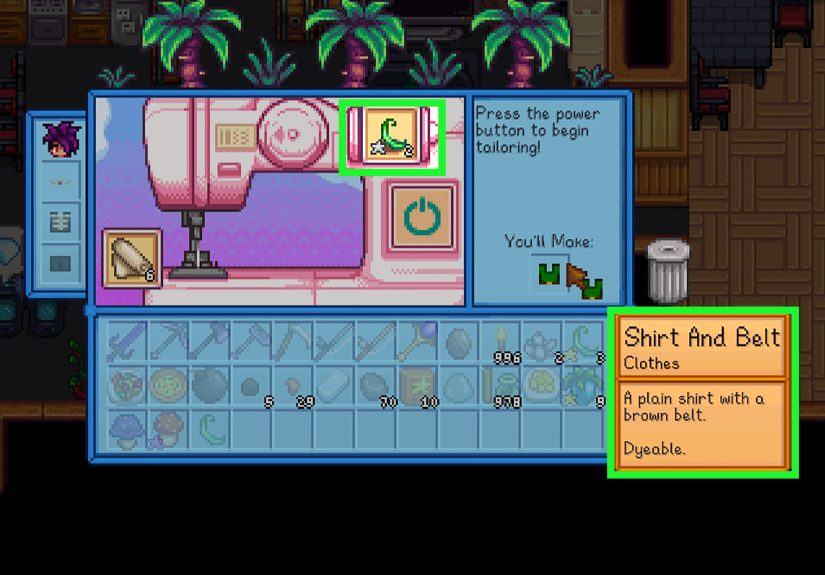
Save your first green bean for the Spring Crops Bundle. After that, keep a few extras in a chest. A small reserve is useful for quests, cooking, gifting, tailoring, or simply completing your shipping collection later. Once you have saved enough, sell the rest.
In early spring, inventory and cash are tight, so selling extra green beans can help fund more seeds. But do not empty your entire supply. The day after you sell your last green bean is exactly when someone will ask for one. That is not an official mechanic; it is just the emotional physics of farming games.
Best Green Bean Tips for Beginners
Plant One Bean Starter Immediately
Even if you do not care about green bean profit, plant one early for the Community Center. This avoids waiting an entire in-game year to finish the Spring Crops Bundle.
Do Not Plant Trellis Crops in Solid Blocks
Always leave walking space. Green beans cannot be walked through while alive, so farm layout matters more than it does for parsnips or potatoes.
Harvest on Time
Because green beans regrow every 3 days, each missed harvest can reduce your total seasonal output. Check them regularly once they mature.
Keep a Few in Storage
Store at least two or three green beans. They can help with cooking, quests, gifts, and general convenience.
Use Them as a Trellis Training Crop
Green beans teach you how trellis crops behave before you start planting hops or grapes. Learn with a small patch now, and your future farm layouts will be much less chaotic.
Common Mistakes to Avoid
The biggest mistake is planting green beans too late. Since the crop needs 10 days before the first harvest, late planting sharply reduces its value. The second mistake is blocking paths. Trellis crops punish messy layouts. The third mistake is selling your first green bean before donating it to the Community Center. It feels harmless until you realize the next one is three days away, or worse, next year if the season ends.
Another mistake is expecting green beans to carry your spring economy. They are useful, but they are not magical money printers. Treat them as a support crop: part bundle helper, part repeat harvester, part cooking ingredient, and part lesson in farm design.
Advanced Strategy: Are Green Beans Worth Growing in Later Years?
In later years, green beans become less important for profit. By then, you may have access to strawberries, ancient fruit, greenhouse crops, kegs, preserves jars, sprinklers, and better money-making systems. Still, green beans can be worth growing for completion, cooking, gifting, or themed farm design.
If you enjoy organized seasonal farming, a small green bean row in spring adds variety and keeps your farm visually interesting. If you are chasing maximum gold, green beans will probably lose space to more profitable crops. Both approaches are valid. Stardew Valley is flexible enough for spreadsheets and vibes to coexist peacefully, most of the time.
Personal Farming Experience: What Green Beans Teach You
Green beans are not the flashiest spring crop in Stardew Valley, but they are one of the best teachers. My first serious lesson with green beans was not about profit. It was about layout. Like many new players, I looked at empty tilled soil and thought, “Great, I will plant these in a neat square.” The square was neat for approximately ten seconds. Then the plants grew, the trellises appeared, and suddenly my farmer was locked out of harvesting part of the patch like a homeowner who had built a fence around the front door.
That small mistake changed the way I planned farms. Green beans taught me to think about movement, not just crop count. A farm is not only about how many seeds fit into a space. It is about how quickly you can water, harvest, replant, and move on with your day. In early spring, time and energy are precious. If you spend half the morning walking around your own trellis maze, you have less time for fishing, mining, foraging, chopping wood, or sprinting to Pierre’s before he closes the door with suspiciously perfect timing.
Green beans also teach patience. The first 10 days can feel slow, especially when parsnips are popping up quickly and potatoes are delivering those delightful bonus harvests. But once green beans mature, they become dependable. Every three days, there they are again, ready to harvest. That repeat production feels satisfying, especially in Year 1 when every little bit of income helps.
The best experience-based advice is to treat green beans as a “small but strategic” crop. I like planting one for the Community Center and a few extras for safety. A row of four to six Bean Starters gives enough harvests to sell some, store some, and complete requests without turning the farm into a trellis obstacle course. I also prefer placing them along an edge of the field, where they are easy to reach and unlikely to interrupt future expansion.
Another habit worth developing is saving the first harvest. Early-game gold is tempting, and selling everything feels productive, but Stardew Valley rewards players who keep a few items in reserve. A green bean in a chest can save you from missing a quest, delaying a recipe, or forgetting a bundle. The difference between a smooth spring and a frustrating one is often one humble crop sitting safely in storage.
Green beans also make the world feel more connected. They are not just something you sell. They can go to the Community Center, appear in cooking, help with Help Wanted quests, and serve as liked gifts for villagers. That is the charm of Stardew Valley: even a simple vegetable can have a small role in farming, friendship, exploration, and progression.
By the time you reach later years, green beans may not dominate your farm. You might have ancient fruit in the greenhouse, starfruit wine aging in casks, and sprinklers doing the hard work while you pretend to be a relaxed agricultural genius. But green beans still matter because they teach fundamentals early: plant on time, plan your layout, save important crops, and think beyond raw profit. Not bad for a little spring vegetable with a crunchy snap and a talent for blocking walkways.
Final Thoughts
Learning how to get green beans in Stardew Valley is simple: buy Bean Starters in spring, plant them early, water them daily, and harvest after 10 days. Mastering green beans, however, means understanding timing, trellis placement, bundle planning, and smart storage.
Green beans may not be the richest spring crop, but they are absolutely worth growing, especially in Year 1. They help complete the Spring Crops Bundle, introduce repeat-harvest farming, provide useful cooking ingredients, and teach valuable layout lessons. Plant a few early, leave walking room, save your first harvest, and enjoy one of spring’s most practical little crops.