Table of Contents >> Show >> Hide
- What Is Grape Ivy?
- Best Conditions for Growing Grape Ivy Indoors
- How to Plant Grape Ivy
- How to Water Grape Ivy
- Fertilizing Grape Ivy
- Pruning and Training Grape Ivy
- How to Propagate Grape Ivy from Cuttings
- Repotting Grape Ivy
- Common Grape Ivy Problems and Fixes
- Pests to Watch For
- Can Grape Ivy Grow Outdoors?
- Best Ways to Display Grape Ivy
- Simple Grape Ivy Care Calendar
- Hands-On Growing Experience: What Grape Ivy Teaches You Over Time
- Conclusion
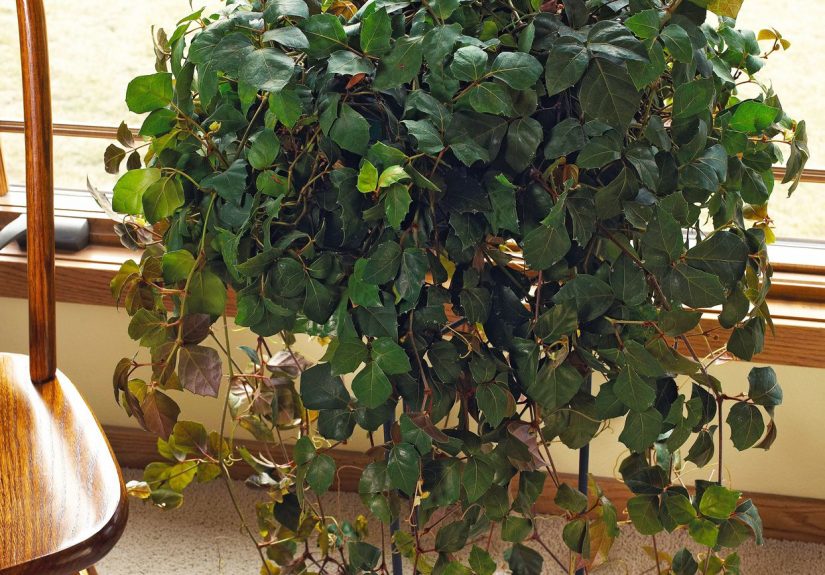
Grape ivy is one of those houseplants that looks like it belongs in a sun-dappled conservatory, yet it forgives you when you forget about it for a few days. That is a rare and beautiful friendship. With glossy green leaves, flexible trailing stems, and a relaxed “I woke up like this” attitude, grape ivy brings soft, old-school charm to shelves, hanging baskets, plant stands, and bright corners that need a little movement.
Despite the name, grape ivy is not a true ivy, and it will not reward your patience with a bowl of grapes. It belongs to the Cissus genus, commonly sold as Cissus alata or its older synonym Cissus rhombifolia. The “grape” part comes from its family connection to Vitaceae and its grapevine-like leaves and tendrils. Think of it as the elegant cousin who shows up to dinner with shiny foliage instead of fruit.
The good news: learning how to plant and grow grape ivy is refreshingly simple. Give it bright indirect light, a well-draining potting mix, consistent but not soggy moisture, and a little pruning now and then. In return, it can trail, climb, soften a room, and make you look like you have a plant degree framed somewhere.
What Is Grape Ivy?
Grape ivy is a tropical evergreen vine native to warm regions of Central and South America and the West Indies. Indoors, it is usually grown in hanging baskets, tabletop pots, or containers with a small trellis. Its leaves are divided into three leaflets, often glossy and deep green, with a slightly toothed edge. Mature stems can become long, graceful, and lightly woody over time.
This plant climbs with tendrils, but indoors it is just as happy spilling over a basket like a green waterfall. It is especially useful for people who want a trailing plant that is easier than some fussier tropical vines. It tolerates average indoor conditions, adapts to a range of light levels, and can recover well from routine trimming.
Common Names for Grape Ivy
You may see grape ivy sold under several names, including grape leaf ivy, oakleaf ivy, Venezuela treebine, or simply Cissus. Some plant labels still use Cissus rhombifolia, while others use Cissus alata. For home growers, the care is the important part: bright filtered light, breathable soil, careful watering, and no chilly drafts.
Best Conditions for Growing Grape Ivy Indoors
Grape ivy is easygoing, but it is not invincible. It will tolerate less-than-perfect conditions, but it grows fuller and healthier when its environment roughly mimics the warm, filtered-light conditions of its tropical background.
Light: Bright, Indirect, and Gentle
The best light for grape ivy is bright, indirect light. Place it near an east-facing window, a few feet back from a south or west-facing window, or behind a sheer curtain where the sun is softened. It can tolerate lower light, but growth may slow and stems may stretch. Direct afternoon sun can scorch leaves, especially through hot glass, so avoid turning your plant into a salad crisp.
A practical test: if you can read comfortably near the plant during the day without switching on a lamp, the light is probably acceptable. If the plant becomes leggy, pale, or produces smaller leaves, move it closer to a bright window. If the leaves develop dry, bleached patches, it is likely getting too much direct sun.
Temperature: Average Home Comfort Works
Grape ivy grows well in average household temperatures. A comfortable indoor range is about 65°F to 80°F, with some sources recommending a sweet spot around 68°F to 82°F. The main rule is simple: do not let the plant get cold. Temperatures below 50°F can damage grape ivy, especially if the soil is wet.
Keep it away from exterior doors in winter, drafty windows, air-conditioning blasts, and heating vents. Plants enjoy comfort, too. They just complain by dropping leaves instead of sending strongly worded emails.
Humidity: Helpful, Not High-Maintenance
Grape ivy tolerates average indoor humidity better than many tropical houseplants, but it appreciates moderate moisture in the air. Winter heating can make indoor air very dry, which may lead to crispy leaf edges or make spider mites more likely. To help, group plants together, place the pot on a pebble tray with water below the pot base, or run a humidifier nearby.
Avoid misting as your only humidity plan. It gives a short burst of moisture but does not change room humidity for long. A humidifier or plant grouping is more effective, especially during cold months.
How to Plant Grape Ivy
Planting grape ivy correctly gives the roots the best start. The goal is to create a container environment that holds enough moisture for healthy growth but drains fast enough to prevent root rot.
Choose the Right Pot
Use a container with drainage holes. This is not negotiable unless you enjoy emergency plant funerals. Grape ivy dislikes sitting in water, so excess moisture must be able to leave the pot.
For a young plant, choose a pot only one size larger than the nursery container. A pot that is too large holds extra wet soil around small roots, increasing the risk of overwatering. Hanging baskets work beautifully because grape ivy naturally trails, but a standard pot with a moss pole, hoop, or small trellis also looks attractive.
Use a Well-Draining Potting Mix
Grape ivy prefers a well-draining, airy potting mix. A high-quality indoor potting mix with peat moss, coco coir, perlite, or bark works well. You want the mix to stay lightly moist after watering but not dense, muddy, or compacted.
If your potting mix feels heavy, loosen it with perlite or fine orchid bark. A simple blend might include two parts indoor potting mix and one part perlite. This gives roots oxygen and helps water move through the container instead of lingering like an unwanted houseguest.
Step-by-Step Planting Instructions
- Water the nursery plant lightly a few hours before repotting if the root ball is very dry.
- Add fresh potting mix to the bottom of a clean pot with drainage holes.
- Remove the grape ivy from its nursery pot gently, supporting the stems and root ball.
- Loosen circling roots with your fingers if the plant is root-bound.
- Set the plant at the same depth it was growing before. Do not bury the crown deeply.
- Fill around the roots with potting mix, pressing lightly to remove large air pockets.
- Water thoroughly until water drains from the bottom.
- Empty the saucer after drainage finishes so the pot does not sit in water.
After planting, place grape ivy in bright indirect light and let it settle in. Do not fertilize immediately after repotting if the potting mix already contains fertilizer. Give the roots a few weeks to adjust.
How to Water Grape Ivy
Watering is where many houseplant problems begin, and grape ivy is no exception. The plant likes consistent moisture during active growth, but it does not like soggy soil. The best method is to water deeply, then let the top inch or two of potting mix dry before watering again.
Push your finger into the soil. If the surface is dry but the mix below still feels lightly moist, wait. If the top inch feels dry, water thoroughly until excess water drains out. Then empty the saucer. This full soak-and-drain routine encourages healthy roots and prevents the sad little dry pockets that happen when you only splash the surface.
Seasonal Watering Tips
In spring and summer, grape ivy grows more actively and usually needs water more often. In fall and winter, growth slows, light levels drop, and the plant uses less moisture. Reduce watering during winter, but do not let the plant become bone dry for long periods.
Signs of overwatering include yellowing leaves, leaf drop, mushy stems, fungus gnats, and soil that stays wet for many days. Signs of underwatering include wilting, crispy leaf edges, and dry soil pulling away from the pot. The trick is not to follow a strict calendar. Follow the soil.
Fertilizing Grape Ivy
Grape ivy is not a heavy feeder. During the growing season, feed it with a balanced houseplant fertilizer diluted according to label directions. Monthly feeding in spring and summer is usually enough for steady growth. If the plant is in low light or growing slowly, use less fertilizer.
Do not fertilize heavily in winter. When growth slows, unused fertilizer salts can build up in the potting mix and damage roots. If you notice white crust on the soil surface or pot rim, flush the soil by watering thoroughly and allowing excess water to drain away. Then ease up on the plant food. Grape ivy wants a snack, not an all-you-can-eat buffet.
Pruning and Training Grape Ivy
Regular pruning keeps grape ivy full, tidy, and attractive. Without trimming, stems can become long and sparse, especially in lower light. Pinch or cut back leggy stems just above a leaf node. New growth often branches from that point, creating a bushier plant.
How to Shape the Plant
For a hanging basket, trim uneven vines to maintain a rounded shape. For a climbing display, guide stems onto a trellis, hoop, or small support and secure them loosely with soft plant ties. Do not bind stems tightly; they need room to grow.
You can prune grape ivy almost any time, but spring and early summer are ideal because the plant is entering its strongest growth period. Always use clean, sharp scissors or pruners to reduce the risk of disease.
How to Propagate Grape Ivy from Cuttings
Grape ivy is easy to propagate from stem cuttings, which is excellent news if you want more plants or need a backup after an “oops, I watered it like a swamp” episode.
Water Propagation Method
- Cut a healthy stem section 4 to 6 inches long with several leaves.
- Remove the lower leaves so no foliage sits below the waterline.
- Place the cutting in a jar of clean water.
- Set the jar in bright indirect light.
- Change the water every few days.
- Pot the cutting once roots are about 1 to 2 inches long.
Soil Propagation Method
You can also root cuttings directly in moist potting mix. Insert the lower node into the soil, keep the mix lightly moist, and place the pot in bright indirect light. A clear plastic bag loosely placed over the cutting can increase humidity, but open it regularly for airflow. Once you see new growth, the cutting has likely rooted.
Repotting Grape Ivy
Repot grape ivy every two years or when it becomes root-bound. Signs include roots growing from the drainage holes, water running straight through the pot, slowed growth, or a plant that dries out much faster than usual.
Move up only one pot size at a time. Refresh the potting mix, inspect the roots, and trim away any dead or mushy sections. After repotting, water thoroughly and keep the plant out of harsh sun while it adjusts.
Common Grape Ivy Problems and Fixes
Yellow Leaves
Yellow leaves often point to overwatering, poor drainage, or low light. Check the soil first. If it is wet and heavy, let the plant dry slightly and improve drainage. If the plant is far from a window, move it into brighter indirect light.
Leaf Drop
Grape ivy may drop leaves after a sudden change in light, temperature, or watering. It can also shed leaves when overwatered. Review recent changes: Did you move it near a draft? Did the pot sit in water? Did the room get cold overnight? Fix the cause, prune bare stems, and give the plant time to recover.
Brown Leaf Edges
Brown edges can come from dry air, underwatering, fertilizer buildup, or hot direct sun. Increase humidity, water more consistently, flush excess fertilizer salts, and move the plant away from harsh sunlight.
Leggy Growth
Long gaps between leaves usually mean the plant needs more light or more pruning. Move it closer to a bright window and pinch back stems to encourage branching.
Pests to Watch For
Grape ivy can attract common houseplant pests, including spider mites, mealybugs, aphids, and scale. Check the undersides of leaves and stem joints regularly. Spider mites often leave fine webbing or tiny pale speckles on leaves. Mealybugs look like small cottony clumps. Scale insects appear as small bumps attached to stems or leaves.
At the first sign of pests, isolate the plant. Rinse the foliage with water, wipe leaves gently, and treat with insecticidal soap or horticultural oil according to label directions. Repeat treatments are often necessary because pests are persistent little freeloaders.
Can Grape Ivy Grow Outdoors?
Grape ivy can spend summer outdoors in many regions if temperatures are warm and the plant is protected from direct afternoon sun. A shaded porch, covered patio, or bright spot under a tree can work well. Move it outside only after nights are consistently mild, and bring it back indoors before temperatures drop near 50°F.
When moving grape ivy outside, acclimate it gradually. Start with a sheltered location for a few hours a day, then increase outdoor time over a week. Sudden exposure to stronger outdoor light can scorch leaves. Before bringing it back inside, inspect carefully for pests. Outdoor vacations are fun, but nobody wants spider mites as souvenirs.
Best Ways to Display Grape Ivy
Grape ivy is versatile in home design. In a hanging basket, it softens windows and corners. On a bookshelf, it trails naturally and adds movement to straight lines. On a small trellis, it becomes a compact vertical accent. It also looks beautiful in a simple ceramic pot where the glossy leaves can do the talking.
For a fuller display, plant two or three rooted cuttings in one pot. Rotate the container every couple of weeks so all sides receive balanced light. This helps prevent one-sided growth and keeps the plant looking lush from every angle.
Simple Grape Ivy Care Calendar
Spring
Repot if needed, prune leggy stems, begin light fertilizing, and take cuttings for propagation. This is the best season to refresh the plant and encourage new growth.
Summer
Water more often as growth increases. Feed monthly, monitor for pests, and consider moving the plant outdoors to a shaded, protected spot if conditions are warm.
Fall
Bring outdoor plants inside before temperatures cool. Inspect for pests, reduce fertilizer, and adjust watering as light levels decline.
Winter
Water less often, avoid fertilizing, increase humidity if indoor air is dry, and keep the plant away from cold windows and heating vents.
Hands-On Growing Experience: What Grape Ivy Teaches You Over Time
The biggest lesson grape ivy teaches is that “easy care” does not mean “no care.” It is forgiving, but it still responds to attention. In real homes, the best grape ivy plants are not always the ones in perfect magazine lighting. They are the ones whose owners learn the rhythm of the pot: how heavy it feels after watering, how the leaves sit when the soil is getting dry, and how quickly the mix dries in July compared with January.
One practical experience many growers notice is that grape ivy behaves differently depending on where it lives in the room. A plant hanging near an east-facing window may produce compact, glossy growth with frequent new leaves. The same plant placed far across the room may stay alive but stretch, creating long vines with fewer leaves. That does not mean you failed. It means the plant is sending a leafy memo: “More light, please, but hold the sunburn.”
Watering also becomes easier with observation. A newly purchased grape ivy in a plastic nursery pot may stay moist longer than expected, while the same plant in a breathable terracotta pot may dry faster. Hanging baskets can dry unevenly because warm air rises and airflow moves around the pot. Instead of watering every Saturday because the calendar said so, check the soil. Lift the pot. Feel the top inch. Over time, you will know when it is ready almost the way bakers know bread dough by touch.
Pruning is another area where experience matters. Many beginners hesitate to cut trailing vines because long growth feels like success. But a grape ivy that is never trimmed can become thin at the top and dramatic at the ends, like a plant wearing a green mullet. Pinching back stems encourages branching and creates a fuller plant. The cut pieces can become new cuttings, so pruning feels less like loss and more like plant multiplication with scissors.
Propagation is especially satisfying. A small cutting in water may sit quietly for a while, then suddenly produce white roots. Watching that happen builds confidence. Once the rooted cutting is potted, keep the soil lightly moist while it adjusts. Do not overpot it. A small cutting in a huge container is like a person living alone in a mansion with a leaky roof: impressive, but not practical.
Pest prevention becomes part of the routine, too. The healthiest grape ivy can still pick up spider mites or mealybugs, especially after a summer outdoors or during dry winter air. A quick weekly leaf check is easier than a full pest rescue later. Look under leaves, inspect new growth, and rinse dusty foliage occasionally. Clean leaves photosynthesize better and make pests easier to spot.
Finally, grape ivy rewards patience. It may pause after repotting, drop a few leaves after moving, or sulk during winter. Do not panic. Keep conditions steady, avoid overcorrecting, and wait for new growth. Most of the time, this plant does not need a dramatic intervention. It needs balanced light, sensible watering, a little grooming, and the chance to settle in. Give it that, and grape ivy becomes the kind of houseplant that quietly makes a room feel more alive.
Conclusion
Grape ivy is a dependable, attractive houseplant for anyone who wants trailing greenery without constant drama. Plant it in a well-draining potting mix, place it in bright indirect light, water when the top layer of soil begins to dry, and prune it regularly to keep the growth full. With moderate humidity, average household warmth, and occasional feeding during the growing season, this tropical vine can thrive indoors for years.
Whether you grow it in a hanging basket, train it on a trellis, or let it trail from a shelf, grape ivy brings relaxed elegance to indoor spaces. It is beginner-friendly, propagation-friendly, and stylish enough to make your living room look like you planned the whole plant-parent thing very carefully.