Table of Contents >> Show >> Hide
- What Does “Feeling Older” Actually Mean?
- Why Poor Sleep Can Make You Feel Older Than You Are
- 1. Poor sleep steals your energy, and low energy feels old fast
- 2. Sleep loss creates brain fog, and brain fog feels like accelerated aging
- 3. Poor sleep worsens mood, and emotional exhaustion adds years to your day
- 4. Inflammation and stress responses can make your body feel older
- 5. Poor sleep can disrupt metabolism, appetite, and recovery
- 6. Sleep problems become more common with age, but they are not “normal enough” to ignore
- The Science of Subjective Age: Why Sleep Changes How Old You Feel
- Signs Poor Sleep May Be Aging You From the Inside Out
- How to Sleep Better and Feel Younger Again
- Everyday Experiences That Show How Poor Sleep Can Make You Feel Older
- Final Thoughts
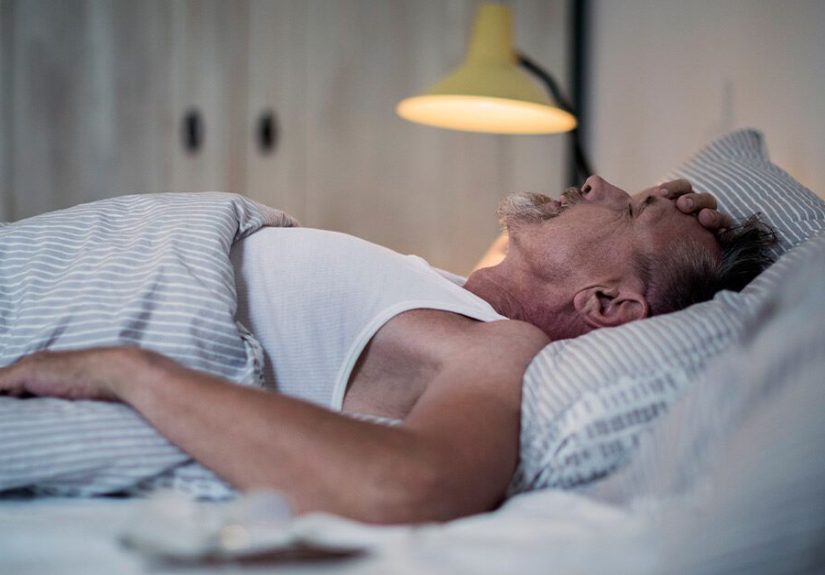
Ever wake up after a lousy night of sleep, look in the mirror, and think, “Who authorized this level of exhaustion?” You’re not imagining it. Poor sleep does more than leave you groggy, cranky, and emotionally attached to your coffee mug. It can genuinely make you feel older than you are.
That “older than my birth certificate says” feeling is not just about under-eye circles or a dramatic sigh when standing up. It is tied to something researchers call subjective age, which is basically how old you feel compared with your actual age. When sleep quality drops, subjective age often climbs. And once that happens, everything else can seem to age with it too: your energy, your focus, your patience, your motivation, and your ability to tolerate people who reply-all to emails.
The connection between sleep and aging is not magic, and it is not vanity. It is biology. Sleep helps regulate brain function, emotional balance, inflammation, metabolism, immune response, and the body’s daily repair work. When sleep gets cut short or broken up night after night, your body stops getting the recovery time it expects. The result can feel like your internal battery is older, slower, and less cooperative than it used to be.
So why does poor sleep make you feel older? Let’s break it down without turning this into a nap-hostile science lecture.
What Does “Feeling Older” Actually Mean?
Feeling older is not always about wanting to wear orthopedic shoes or suddenly having strong opinions about lumbar support. In health research, it often refers to a mix of physical, emotional, and mental signals. You may feel older when you are more fatigued than usual, slower to recover, less mentally sharp, more irritable, and less enthusiastic about daily life.
That matters because how old you feel is not a meaningless mood. It often reflects how well your body and brain are functioning in the moment. When sleep is poor, people commonly report more sleepiness, more stress, worse mood, lower energy, and a stronger sense that their body is not keeping up. In other words, sleep loss can make life feel heavier, slower, and more effortful. That is the emotional flavor of “feeling older.”
Why Poor Sleep Can Make You Feel Older Than You Are
1. Poor sleep steals your energy, and low energy feels old fast
The most obvious reason poor sleep makes you feel older is also the least glamorous: you are tired. But not cute, movie-style tired. Not “I need a latte and a motivational playlist” tired. We are talking about the kind of tired that makes getting dressed feel like a group project.
When you do not get enough quality sleep, your body misses out on essential restoration. You may wake up with fatigue that follows you all day, making ordinary tasks feel strangely difficult. Climbing stairs becomes an event. Concentrating through meetings feels heroic. Even socializing can seem like a high-effort hobby.
That drop in physical and mental energy mimics how many people imagine aging feels: slower recovery, lower stamina, and more wear-and-tear. So even if you are 32, chronic sleep loss can make you feel 62 by lunchtime.
2. Sleep loss creates brain fog, and brain fog feels like accelerated aging
Another major reason poor sleep makes you feel older is its effect on the brain. Sleep is deeply connected to learning, memory, focus, reaction time, and decision-making. After a rough night, your brain does not exactly bring its A-game. It often shows up in sweatpants.
You may forget words, lose your train of thought, reread the same sentence three times, or walk into a room and completely forget why you are there. That “mental molasses” feeling can be unsettling because it resembles the mental slowdown people often associate with getting older.
And it is not just productivity that suffers. Brain fog also changes how confident you feel. When your mind is sluggish, you may feel less capable, less quick, and less like yourself. That gap between who you are on a good day and who you are after poor sleep can make you feel prematurely aged.
3. Poor sleep worsens mood, and emotional exhaustion adds years to your day
Sleep deprivation and mood have a famously toxic relationship. When sleep suffers, emotional resilience usually goes down with it. Suddenly, the tiniest inconvenience feels like a personal betrayal. The Wi-Fi buffers once, and now you are writing a mental memoir titled Why Is Everything So Hard.
Poor sleep is linked with irritability, anxiety, low mood, and reduced ability to regulate emotions. That matters because feeling emotionally frayed can make you feel older in a worn-down, world-weary way. You are not just tired. You are tired of everything.
When people say they feel old, they often mean they feel depleted, less joyful, less resilient, and less able to bounce back. Bad sleep can deliver exactly that experience, even in younger adults.
4. Inflammation and stress responses can make your body feel older
Behind the scenes, poor sleep can push the body into a more stressed and inflamed state. That does not mean one bad night instantly turns you into a Victorian ghost. But repeated sleep loss can increase biological strain.
Sleep affects inflammatory processes and stress hormones, and both matter for how you feel day to day. When inflammation rises and stress regulation gets messy, people often report more aches, lower energy, worse mood, and a general sense of feeling run-down. It is hard to feel youthful when your body feels like it has been negotiating with chaos all week.
This is one reason poor sleep can feel “aging” even before any measurable disease shows up. You feel less recovered, more sensitive to stress, and physically off. Your body may not be older on paper, but it may feel less resilient in practice.
5. Poor sleep can disrupt metabolism, appetite, and recovery
Sleep is also tied to metabolism, blood sugar regulation, appetite hormones, and muscle recovery. When sleep is short or fragmented, your body has a harder time maintaining balance. You may feel hungrier, crave quick-energy foods, and have less motivation to exercise. Then the next day feels sluggish, and the cycle repeats.
That combination can create a very specific kind of “I feel ancient” experience: no energy to move, no patience to cook, no motivation to work out, and no idea why your body feels like it hit the snooze button on all forms of progress.
Over time, that can affect weight, cardiovascular health, and how physically capable you feel. Even before long-term health effects show up, the day-to-day experience is enough to make poor sleepers feel older than their peers who are sleeping better.
6. Sleep problems become more common with age, but they are not “normal enough” to ignore
Here is where things get tricky. Sleep does change as people age. Circadian rhythms may shift earlier. Sleep can become lighter and more fragmented. Medical conditions, pain, medications, stress, and sleep disorders all become more likely to interfere with rest.
But that does not mean older adults need dramatically less sleep. That is a myth with excellent branding and terrible accuracy. Many adults still need around seven or more hours of sleep, and poor sleep at any age can chip away at mood, energy, and quality of life.
In other words, if poor sleep makes you feel older, the solution is not to shrug and declare yourself “basically elderly now.” The solution is to take sleep seriously.
The Science of Subjective Age: Why Sleep Changes How Old You Feel
One of the most interesting developments in sleep research is the growing focus on subjective age. This is the age you feel on the inside, which may be younger or older than your actual age. Researchers have found that sleep and subjective age appear to be linked in meaningful ways.
When people are sleepy, under-rested, or dealing with poor sleep quality, they often report feeling older. When they sleep better, they tend to feel younger, more capable, and more optimistic. That makes sense. Sleep affects nearly every system involved in vitality: attention, mood, physical recovery, immune balance, hormonal rhythms, and daily function.
So the feeling of being older is not random. It may be your body’s way of saying, “We are under-resourced, under-recovered, and frankly a little offended.”
This is also why good sleep can feel surprisingly rejuvenating. You are not imagining that “I got eight hours and suddenly have opinions, goals, and cheekbones again” effect. Better sleep can genuinely restore a younger-feeling version of you.
Signs Poor Sleep May Be Aging You From the Inside Out
If you are wondering whether poor sleep is behind your personal “why do I feel 100?” era, here are a few common clues:
You wake up tired even after being in bed long enough
Time in bed is not always the same as restorative sleep. Fragmented or low-quality sleep can leave you feeling drained even if the clock says you technically slept.
You feel mentally slower than usual
Forgetfulness, poor concentration, and fuzzy thinking are classic signs that sleep debt may be catching up with you.
Your mood has become weirdly fragile
If minor stress feels major and patience is suddenly unavailable, poor sleep may be a big part of the problem.
Your body feels harder to maintain
More aches, slower recovery, lower motivation, and less exercise tolerance can all show up when sleep quality drops.
You rely on caffeine like it is an emotional support beverage
We love coffee. We respect coffee. But if caffeine is doing the emotional and logistical labor of a full-time employee, your sleep may need attention.
How to Sleep Better and Feel Younger Again
The good news is that feeling older from poor sleep is not always a permanent identity. Often, it is a signal. And signals can be addressed.
Keep a consistent sleep schedule
Going to bed and waking up around the same time every day helps support your internal clock. Yes, even on weekends. Your circadian rhythm loves routine almost as much as your phone loves low battery warnings at the worst possible moment.
Protect your wind-down time
You cannot treat bedtime like a dramatic finale after four hours of scrolling, stress, snacks, and bright screens. Give your brain a chance to power down. Dim lights, reduce stimulation, and do something boring enough to be calming but not so boring that it feels like punishment.
Get daylight and movement during the day
Natural light helps regulate your body clock, and physical activity can improve sleep quality. You do not need a perfect wellness routine. A walk outside still counts. In fact, your circadian rhythm is not judging your shoes.
Watch late-day caffeine, alcohol, and heavy meals
These can interfere with sleep quality, especially if you are already struggling. Sometimes the issue is not that your body forgot how to sleep. Sometimes it is just being sabotaged by a 7:30 p.m. energy drink and a heroic amount of spicy takeout.
Pay attention to patterns, not just bad nights
One rough night happens. Chronic poor sleep is different. If you regularly snore loudly, wake gasping, have restless legs, struggle to fall asleep, or feel persistently exhausted during the day, it may be time to talk to a healthcare professional.
Everyday Experiences That Show How Poor Sleep Can Make You Feel Older
To make this more real, think about how poor sleep shows up in ordinary life. It is rarely dramatic at first. It is usually sneaky.
Take the office worker who gets by on five or six hours of sleep during the week. At first, they just feel “busy tired.” Then they start forgetting small things: where they left their keys, what they meant to say in meetings, why they opened the fridge. By Thursday, their back feels tight, their patience is gone, and they are deeply offended by the brightness of every overhead light. They are not suddenly old. They are under-slept. But the experience feels older because everything takes more effort.
Or think about the parent of a young child, up multiple times a night for weeks. Their face may look more tired, sure, but what really changes is the feeling inside. They may feel slower, less playful, less emotionally steady, and physically depleted. Their body starts to feel borrowed. They sit down and do not want to get back up. Again, that does not mean aging happened overnight. It means recovery keeps getting interrupted, and the body notices.
Students know this feeling too. After a string of late nights, even a healthy teenager or young adult can feel oddly ancient. Their reaction time drags. Their skin looks dull. Their motivation evaporates. Everything feels harder than it should. The body says, “We are tired,” but the mind translates it as, “We are falling apart.”
Shift workers often describe something similar. When sleep and circadian rhythms are misaligned, it can feel like life is happening in the wrong time zone. Appetite gets weird. Energy gets unpredictable. Mood gets messy. They may feel years older simply because their body never gets a clean, reliable pattern of recovery.
Even people with no diagnosed sleep disorder can feel this effect during stressful periods. You go to bed tired but wired, wake up at 3 a.m. to remember something embarrassing from 2017, and greet the morning already annoyed. A few nights of that, and suddenly your whole body feels like it has a customer service grievance.
What these experiences have in common is not actual age. It is reduced resilience. When sleep gets shaky, people often feel less flexible, less bright, less durable, and less like themselves. That is the lived experience behind the phrase “poor sleep may cause you to feel older than you are.” It is not just about looks. It is about how much energy, clarity, and optimism you have available to meet the day.
And the opposite is true too. After a stretch of solid sleep, many people say they feel younger without changing anything else. They move more easily. They think more clearly. They laugh more. They recover faster. They want to do things again. That “younger” feeling is not imaginary. It is what happens when your body finally gets the restoration it has been politely, then impolitely, requesting.
Final Thoughts
Poor sleep can make you feel older because sleep is one of the body’s main repair systems. When it is disrupted, your energy dips, your thinking slows, your mood gets shakier, your stress response rises, and your body feels less resilient. Put all that together, and of course you feel older than you are.
The important part is this: feeling older from poor sleep is not just a cosmetic issue or a personality trait. It is useful feedback. Better sleep can improve how alert, capable, and youthful you feel in everyday life. So if you have been blaming age for what may actually be sleep debt, it might be time to stop arguing with your birthday and start protecting your bedtime.