Table of Contents >> Show >> Hide
- Why lower left back pain can be hard to figure out
- Common musculoskeletal causes of pain in the lower left back
- Less obvious causes that can mimic lower left back pain
- Symptoms that change the urgency
- How doctors diagnose the cause
- Treatments for lower left back pain
- How to reduce the odds of another flare-up
- Common experiences people have with lower left back pain
- Final thoughts
- SEO Tags
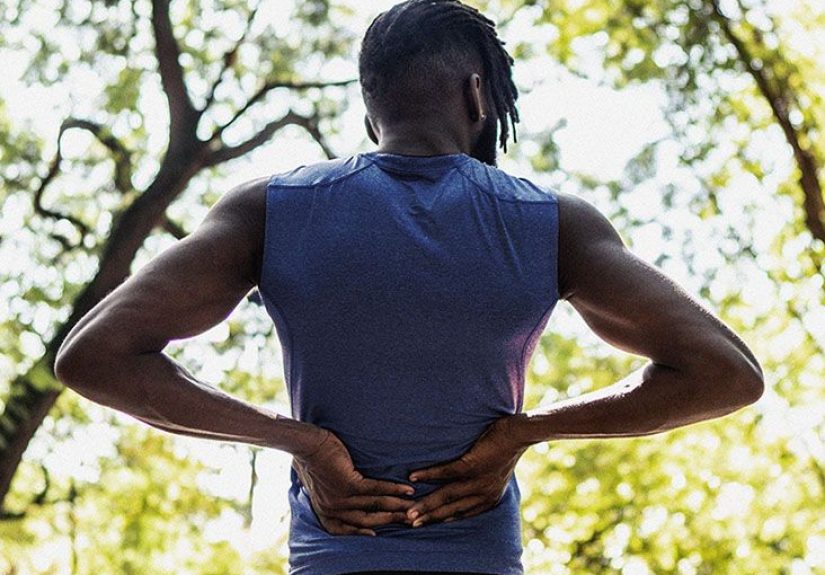
Lower left back pain has a talent for showing up at the worst possible moment. It appears when you bend to grab a laundry basket, twist to back out of the driveway, or heroically attempt to move a piece of furniture that clearly required two adults and a realistic attitude. Sometimes the pain is mild and annoying. Sometimes it is sharp enough to make you reconsider every life choice that involved bad posture.
The tricky part is that pain in the lower left back does not come from just one thing. It can start in the muscles, discs, joints, nerves, kidneys, digestive tract, or, in some people, the reproductive organs. That means the best treatment depends on the real cause, not just on where the pain happens to be. In many cases, the problem is a muscle strain or another mechanical issue in the spine. But there are times when left-sided low back pain points to something that needs faster medical attention.
This guide breaks down the most common causes of lower left back pain, the symptoms that help narrow them down, and the treatments that usually help. It also covers the red flags that mean “please do not just power through this with a heating pad and optimism.”
Why lower left back pain can be hard to figure out
Your lower back is crowded real estate. Muscles, ligaments, vertebrae, discs, nerves, sacroiliac joints, and nearby organs all live in the same general neighborhood. When something gets irritated, inflamed, compressed, or strained, the pain can feel surprisingly similar at first.
That is why lower left back pain is often grouped into two broad categories:
- Musculoskeletal pain, which comes from the spine, discs, muscles, tendons, ligaments, or joints.
- Referred or organ-related pain, which starts in an organ such as the kidney or colon and is felt in the back, side, belly, or groin.
The location matters, but the pattern matters even more. Is the pain sudden or gradual? Is it worse when you move, cough, or sit? Does it travel down the leg? Do you also have fever, nausea, bowel changes, or urinary symptoms? Those clues help separate a pulled muscle from a kidney stone or a spinal nerve problem.
Common musculoskeletal causes of pain in the lower left back
1. Muscle strain or ligament sprain
This is the classic culprit, and yes, it is as glamorous as it sounds. A muscle strain or ligament sprain can happen after lifting, twisting, overtraining, yard work, poor sleeping position, or sitting like a question mark for too many hours. The pain is usually localized to one side of the low back and may feel sore, tight, achy, or sharp when you bend or stand up.
Muscle-based pain often gets worse with certain movements and better with rest, gentle walking, or heat after the first couple of days. You may also notice stiffness, especially in the morning or after sitting too long. The good news: this type of lower left back pain often improves with conservative treatment.
2. Herniated disc and sciatica
If the pain shoots from your lower back into your left buttock, thigh, calf, or foot, a nerve may be involved. A herniated or bulging disc can irritate or compress a nearby nerve root, leading to sciatica. This pain is often described as burning, electric, or stabbing rather than just sore. Some people also get numbness, tingling, or weakness in the leg.
Sciatica usually affects one side. Coughing, sneezing, sitting, or bending forward may make it worse. Mild cases can improve with time, activity modification, and physical therapy, but more severe or progressive symptoms deserve medical evaluation.
3. Sacroiliac joint pain
The sacroiliac joints connect the base of your spine to your pelvis. When one of these joints becomes irritated, the result can be pain on one side of the lower back, often near the buttock. Sacroiliac pain can feel dull and deep, or sharp with standing, climbing stairs, turning in bed, or getting up from a chair.
This kind of pain is easy to confuse with a disc problem or plain old “my back is mad at me.” It may follow pregnancy, a fall, a change in gait, arthritis, or inflammatory conditions. Treatment commonly includes physical therapy, targeted exercises, and pain-relieving medication.
4. Degenerative changes, spinal stenosis, or facet joint arthritis
As the spine ages, discs can lose height, joints can develop arthritis, and the spaces around nerves can narrow. This does not always cause symptoms, but when it does, pain may show up in the lower back and sometimes radiate into the buttock or leg. Stenosis-related pain often gets worse with standing or walking and may ease when leaning forward, such as when pushing a shopping cart like it is a mobility strategy.
Facet joint pain, meanwhile, tends to stay more in the back and may worsen with twisting or extending the spine. These problems are common in older adults, though younger adults can experience them too.
Less obvious causes that can mimic lower left back pain
1. Kidney stones
A kidney stone can cause intense pain on one side of the back or flank, often below the ribs, and the pain may spread into the lower abdomen or groin. It can come in waves, and it does not always behave like muscle pain. You may feel restless rather than relieved by finding a certain position. Nausea, vomiting, painful urination, or blood in the urine can point toward this diagnosis.
If your “back pain” feels deep, severe, and paired with urinary symptoms, a kidney stone should move way up the suspect list.
2. Kidney infection or upper urinary tract infection
Kidney infections can also cause pain in the back, side, or groin, but unlike a muscle strain, they often come with fever, chills, painful urination, cloudy urine, nausea, or vomiting. This is not a wait-and-see problem. A kidney infection usually needs prompt treatment, often with antibiotics, because it can become serious if ignored.
In other words, when back pain brings a fever to the party, the party is no longer fun.
3. Diverticulitis
Diverticulitis happens when small pouches in the colon become inflamed or infected. Because these pouches commonly affect the lower left side of the colon, the pain is often strongest in the lower left abdomen. But some people feel discomfort that wraps around to the lower back or side. Fever, nausea, constipation, diarrhea, bloating, and tenderness in the belly can help distinguish it from a spine problem.
If your lower left back pain comes with noticeable abdominal symptoms, do not assume it is “just posture.” Your colon may be filing a complaint.
4. Ovarian cysts and other pelvic causes
In women and people with ovaries, pelvic problems can sometimes cause pain in the lower belly or lower back. A ruptured ovarian cyst, for example, may cause sudden sharp pain in the lower abdomen or back, sometimes with bloating or spotting. Not every cyst is dramatic, but pelvic symptoms plus one-sided back pain should widen the conversation beyond muscles and discs.
Other pelvic conditions can also refer pain into the low back, especially around menstruation or with changes in bleeding patterns.
Symptoms that change the urgency
Most cases of lower left back pain are not emergencies, but some symptoms should push you to seek care sooner rather than later. These include:
- New bowel or bladder problems, especially trouble controlling urine or stool.
- Saddle numbness, or numbness around the groin, buttocks, or inner thighs.
- Sudden leg weakness or rapidly worsening numbness.
- Severe pain after a fall, crash, or sports injury.
- Fever, chills, or unexplained weight loss along with back pain.
- Blood in the urine, painful urination, or persistent flank pain.
- Severe abdominal pain, vomiting, or belly tenderness with back pain.
- Pain that is getting worse instead of better, especially after a week or two.
Those symptoms can signal nerve compression, infection, fracture, kidney disease, or another condition that needs prompt evaluation. Cauda equina syndrome, a rare but serious compression of nerves in the lower spine, is the headline-grabber here because it can cause bladder dysfunction, saddle anesthesia, and leg weakness. It needs urgent medical attention.
How doctors diagnose the cause
Diagnosis usually starts with a medical history and physical exam. A clinician will ask where the pain started, what makes it better or worse, whether it radiates, and what other symptoms came along for the ride. They may check your strength, reflexes, sensation, gait, and range of motion. If kidney or abdominal causes are possible, they may examine your abdomen and order urine or blood tests.
One important point: imaging is not always the first step. For acute low back pain without red flags, routine imaging is often unnecessary. That is because many episodes improve with time and conservative care, and scans can reveal age-related changes that look dramatic but are not actually causing the pain. Imaging becomes more useful when red flags are present, when symptoms are severe or progressive, or when pain persists despite several weeks of appropriate treatment.
Depending on the suspected cause, the workup may include:
- Urinalysis for infection or blood in the urine.
- Blood tests if infection, inflammation, or another medical condition is suspected.
- X-ray, MRI, or CT when trauma, nerve compression, fracture, infection, or other serious causes are on the table.
- Pelvic ultrasound when gynecologic causes are possible.
Treatments for lower left back pain
1. Home treatment for mild mechanical pain
If the pain seems muscular and you do not have red-flag symptoms, basic self-care often helps:
- Use ice first, then heat. Ice can help during the first 48 to 72 hours if inflammation is part of the problem. Heat often feels better later, especially for tight muscles.
- Keep moving gently. A short rest period may help, but long bed rest usually does not. Easy walking and light daily movement are often better than total shutdown mode.
- Try over-the-counter pain relief carefully. Options like acetaminophen or NSAIDs may help, but they are not right for everyone. People with kidney disease, ulcers, bleeding risk, or certain other conditions should check with a clinician.
- Reduce aggravating movements. Heavy lifting, deep twisting, and intense workouts can wait until your back stops writing angry letters.
2. Physical therapy and exercise
Physical therapy is one of the most useful treatments for many forms of lower back pain. A good program can improve flexibility, strengthen the core and hip muscles, correct movement patterns, and reduce the chance of repeat flare-ups. It is especially helpful for recurrent back pain, sciatica, sacroiliac issues, and pain related to posture or mechanics.
The key is consistency, not trying to become a fitness legend in one afternoon.
3. Prescription treatment and procedures
If the pain is more severe or lasts longer, a clinician may recommend prescription anti-inflammatory medication, muscle relaxants, nerve pain medication, or, in some cases, injections. Epidural steroid injections may help some people with pain that radiates down the leg due to nerve irritation. These treatments do not fix every cause, but they can calm symptoms enough to allow movement and rehabilitation.
4. Treatment for non-spine causes
When lower left back pain comes from an organ, the treatment changes completely:
- Kidney stones may require fluids, pain control, medications that help the stone pass, or procedures to break or remove the stone.
- Kidney infection usually needs antibiotics and may require urgent care if symptoms are severe.
- Diverticulitis may need medical evaluation, diet changes, antibiotics in some cases, and close follow-up.
- Ovarian cyst complications may need pain management, monitoring, or emergency care if bleeding or twisting is suspected.
5. Surgery
Surgery is not the default treatment for most low back pain. It is generally considered when there is a serious structural problem, ongoing nerve compression, significant weakness, cauda equina syndrome, or persistent pain that does not respond to conservative treatment. In short, most sore backs do not need the operating room. They need the right diagnosis and enough patience to let treatment work.
How to reduce the odds of another flare-up
You cannot bubble-wrap your spine, but you can make lower left back pain less likely to return:
- Lift with your hips and legs instead of rounding and yanking with your back.
- Break up long sitting sessions with standing or walking.
- Strengthen your core, glutes, and hips.
- Keep a healthy body weight if possible.
- Use supportive movement habits during exercise, work, and sleep.
- Stay hydrated, especially if you are prone to kidney stones.
- Do not ignore urinary, abdominal, or pelvic symptoms that show up with back pain.
Common experiences people have with lower left back pain
The examples below are composite experience patterns based on common clinical descriptions, not individual case histories.
One very common experience starts with a completely ordinary moment. Someone bends to tie a shoe, picks up a grocery bag, or twists while carrying a toddler, and suddenly there is a tight, sharp pain on the lower left side of the back. At first, they think, “I’ll walk it off.” Then they sit down for an hour, stand up, and discover they now move like an 87-year-old pirate. This pattern often points to a muscle strain or ligament sprain. The pain stays mostly in the back, feels worse with certain motions, and slowly eases with ice, heat, gentle movement, and time.
Another experience is the desk-job special. The pain starts as a dull ache after long hours sitting, but after a few days it begins to travel into the left buttock and down the back of the leg. The person notices tingling in the calf, hates long car rides, and discovers that coughing somehow feels personal now. That pattern is more suggestive of sciatica or a disc problem. People often describe it as burning, zapping, or shooting rather than just sore. They may try stretching everything in sight, but the real improvement usually comes from targeted movement, physical therapy, and avoiding positions that irritate the nerve.
Then there is the “this does not feel like a normal backache” experience. The pain is deeper, more intense, and impossible to get comfortable with. It may come in waves. The person paces around the room, lies down, stands up, sits down, and then repeats the whole miserable routine. If nausea, burning with urination, or blood in the urine show up too, the cause may be a kidney stone rather than a spine problem. People often say the location confused them because the pain started in the back or side, not just in the belly.
Some people have the fever clue. They assume they strained something, but then they feel chilled, wiped out, and vaguely awful. Back pain mixed with fever, nausea, or urinary symptoms can point to a kidney infection or another medical issue that needs faster care. This is one of those moments when “I’ll just wait and see” is not the hero of the story.
There is also the experience of pain that seems to be in the lower left back but turns out to be coming from the abdomen or pelvis. A person may notice bloating, bowel changes, lower abdominal tenderness, or menstrual-related symptoms along with the back pain. In that case, the back becomes more of a messenger than the actual problem area. It is frustrating, but it is also why symptoms outside the spine matter so much.
Finally, many people experience lower left back pain as something recurrent. It fades, returns after travel, flares after yard work, calms down, and then pops back up when life gets hectic and movement routines disappear. That repeating pattern is often a sign that the issue is manageable, but not if it keeps being treated like a one-time random event. Long-term improvement usually comes from strengthening, posture changes, better lifting habits, and learning which triggers set the pain off. Not thrilling, perhaps, but extremely effective.
Final thoughts
Pain in the lower left back can be as simple as an irritated muscle or as complicated as a kidney stone, nerve problem, or abdominal condition. The smartest move is to pay attention to the pattern, not just the location. Movement-related soreness that improves gradually often behaves very differently from pain paired with fever, urinary symptoms, leg weakness, or belly pain.
When in doubt, get evaluated. A heating pad is wonderful, but it is not a licensed diagnostician.