Table of Contents >> Show >> Hide
- What Is the Noguchi Akari 21A Ceiling Lamp?
- Why the 21A Still Matters in Modern Interiors
- Design Details That Make the Akari 21A Special
- Best Places to Use a Noguchi Akari 21A Ceiling Lamp
- What to Know Before Buying
- Is the Noguchi Akari 21A Worth It?
- Experiences Related to the Noguchi Akari 21A Ceiling Lamp
Some light fixtures illuminate a room. Others quietly rewrite its personality. The Noguchi Akari 21A Ceiling Lamp belongs to the second camp. Switch it on, and suddenly the room feels softer, calmer, and somehow more thoughtful, like your ceiling decided to study art history and develop excellent taste.
Designed by Isamu Noguchi as part of his iconic Akari series, the 21A is one of those rare pieces that works as lighting, sculpture, and mood adjustment all at once. It has the airy beauty of a paper lantern, the restraint of modern design, and the kind of presence that makes people look up mid-conversation and say, “Wait, what lamp is that?”
The appeal is not just about looks, though the looks are doing a lot of heavy lifting. The 21A ceiling lamp represents a meeting point between traditional Japanese craft and midcentury modern design. Handmade from washi paper and bamboo ribbing over a metal frame, it turns electric light into something much warmer and gentler. In a world full of hard edges, glossy finishes, and blinding overhead fixtures, that alone feels like a small domestic miracle.
In this guide, we will look at what makes the Noguchi Akari 21A ceiling lamp special, where it works best, how to style it, what to know before buying one, and why it continues to be a favorite among designers, collectors, and everyday homeowners who simply want their rooms to stop feeling like a dentist’s office.
What Is the Noguchi Akari 21A Ceiling Lamp?
The Akari 21A is a suspended ceiling lamp from Noguchi’s broader Akari light sculpture family, first developed in the early 1950s. The word akari carries a beautiful double meaning: it refers to light as illumination, but also to lightness in weight. That double meaning is the entire point. This is not a heavy chandelier trying to impress your guests with brass arms and crystal drama. It is a lightweight, glowing form that feels almost weightless in the room.
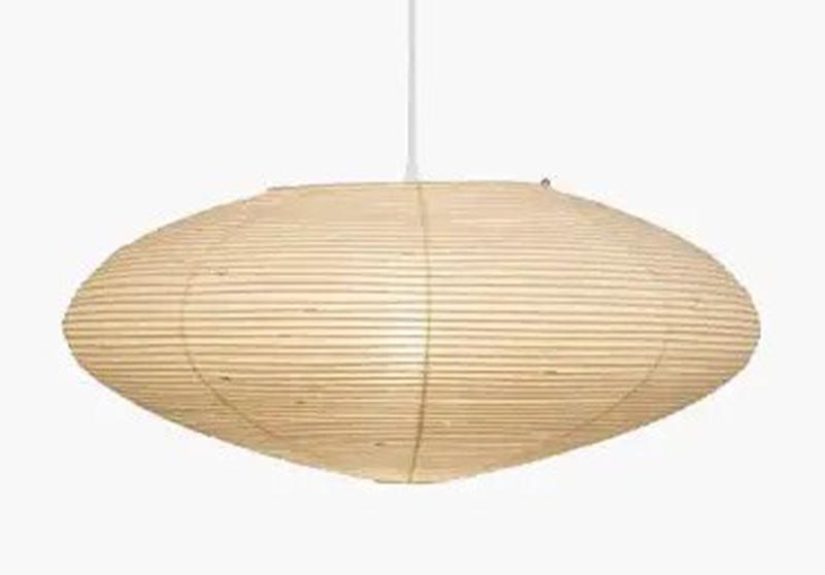
The 21A model is especially loved for its low, rounded profile. It has a gently flattened globe shape that reads as softer and more architectural than a standard round paper lantern. At roughly 25.5 inches wide and 11 inches high, it lands in a sweet spot: big enough to feel intentional, but not so oversized that it takes over the room like an ego in a group project.
It is also an object with real design lineage. Noguchi developed the Akari series after encountering traditional lantern-making in Gifu, Japan, a place long associated with paper-and-bamboo craft. Instead of treating that tradition like a museum relic, he translated it into modern living. The result was a series of lights that felt timeless rather than nostalgic. That is a hard trick to pull off. Plenty of lamps are “inspired by tradition.” Far fewer manage to feel fresh seventy-plus years later.
Today, the 21A still speaks the same language Noguchi intended: simplicity, warmth, craft, and everyday usefulness. It is a ceiling lamp, yes, but it is also a lesson in how modern interiors can feel softer without becoming fussy.
Why the 21A Still Matters in Modern Interiors
Plenty of iconic designs survive because they became famous. The Akari 21A survives because it is still genuinely useful. That distinction matters. A lot of “design classics” are admired from a respectful distance, then quietly avoided because they are impractical, fragile, expensive to maintain, or weirdly uncomfortable. The 21A does not have that problem. It is beautiful, but it also solves a real issue in the home: how to create overhead light that feels flattering rather than harsh.
This is one reason designers keep returning to Akari lighting. The 21A diffuses light through handmade paper, which creates a mellow, ambient effect instead of a stark spotlight. The room feels illuminated, but not interrogated. Your furniture looks better. Your walls look better. Quite possibly your dinner guests look better too, which is never bad hosting strategy.
Another reason it still matters is versatility. The 21A fits naturally into Japandi, midcentury modern, minimalist, organic modern, Scandinavian, wabi-sabi, and eclectic interiors. That broad compatibility is rare. Some fixtures only work if the whole room is built around them. The Akari 21A is more generous. It can be the poetic note in an otherwise plain apartment, or the calm balancing element in a room with vintage wood, art books, and collected objects.
It also has staying power because it does not depend on trend colors or novelty shapes. The form is simple. The materials are honest. The effect is emotional. That combination ages well.
Design Details That Make the Akari 21A Special
The Shape: Soft, Low, and Sculptural
The 21A is often described as saucer-like or gently flattened, and that is exactly what makes it so appealing. A pure globe pendant can be lovely, but it can also feel predictable. The 21A has a slightly squashed silhouette that gives it more visual character. It looks airy without being generic.
Because it is wider than it is tall, it reads well in rooms where you want presence without excessive drop. Over a dining table, it feels centered and calm. In a living room, it floats rather than looms. In a bedroom, it creates softness overhead without making the ceiling feel crowded.
The Materials: Washi Paper, Bamboo, and Metal
One of the most compelling things about the Noguchi Akari 21A ceiling lamp is that its materials are humble but expressive. Handmade washi paper forms the glowing surface. Bamboo ribbing gives it shape and rhythm. A metal frame supports the structure. None of these materials are flashy on their own, but together they create something far more memorable than many luxury fixtures made from pricier ingredients.
This is part of the lamp’s quiet genius. The paper is not there merely as decoration. It is the filter that transforms electric brightness into a more natural glow. The bamboo is not just structural. It introduces subtle lines and texture, giving the lamp visual life even when it is switched off. The overall effect is tactile, lightweight, and handmade in the best possible way.
The Glow: Warmth Without Gloom
Good ambient lighting is harder to achieve than people think. Too dim, and your room feels sleepy. Too bright, and everyone looks like they are attending a staff meeting. The Akari 21A finds a lovely middle ground. It softens light rather than smothering it.
That makes it especially valuable in homes where people are trying to move away from aggressive overhead lighting. If you have ever said, “I hate the big light,” congratulations: you are spiritually prepared for Akari ownership.
Best Places to Use a Noguchi Akari 21A Ceiling Lamp
Over a Dining Table
This may be the most natural home for the 21A. Its width gives a dining zone definition, while its diffused glow helps meals feel intimate rather than clinical. It is especially effective above round or rectangular wood tables, where the lamp’s softness balances the table’s solidity.
In open-plan spaces, it can also mark the dining area without needing a rug, divider, or other visual tricks. It says, very politely, “This is where the pasta happens.”
In a Living Room
In a living room, the 21A works best where you want a central overhead fixture that does not dominate. Its neutral tone and organic shape help it blend with many palettes, while its sculptural quality keeps it from disappearing.
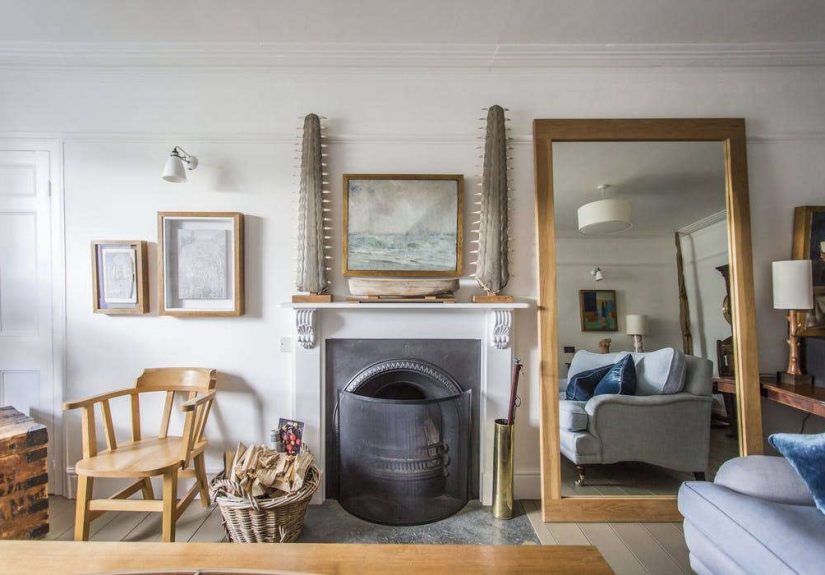
It pairs especially well with warm wood, linen upholstery, plaster walls, woven textures, and vintage accents. But it can also soften sharper modern rooms full of glass, black accents, or concrete. In that setting, it acts like visual exhale.
In a Bedroom or Studio
The 21A is an underrated bedroom light. Bedrooms benefit from overhead fixtures that feel gentle, and this lamp absolutely delivers. It is also a smart choice for studio apartments, where every object carries more visual weight. A single well-chosen Akari pendant can make the whole space feel more intentional.
Because the 21A is sculptural even when switched off, it helps tiny spaces feel designed rather than merely furnished.
What to Know Before Buying
Size Matters, and Happily This One Is Flexible
The 21A is substantial, but not giant. That makes it one of the easier Akari pendants to place. In a modest dining room, it feels like a statement. In a larger room, it still holds its own without shouting. If you want something dramatic but not theatrical, this is a smart middle path.
Authenticity Is Worth Paying Attention To
Because Akari lights are so admired, they are also widely imitated. If authenticity matters to you, buy from a trusted source and look for the details associated with official production. The original pieces are celebrated not just for the shape, but for the quality of their craftsmanship, the materials, and the historical connection to Noguchi’s design legacy.
This is one of those cases where the knockoff might capture the silhouette, but not the soul. A fake may resemble the lamp in a thumbnail image. Up close, the paper quality, structure, proportions, and glow often tell a different story.
Installation Is Straightforward, but Planning Helps
The 21A is a suspended paper lamp, so think about drop height, table alignment, and sight lines before installation. Over a dining table, it should feel close enough to define the setting but high enough not to interrupt conversation. In living rooms, it should hover above the main visual field rather than cutting through it.
Also think about the bulb you use. Warm light tends to suit the Akari family best. The lamp’s magic lies in soft diffusion, so a cooler bulb can work against the mood you are trying to create.
Paper Is Delicate, Not Precious
Yes, it is made of paper. No, that does not mean you need to treat it like a museum relic. But it does mean gentle handling is wise. The 21A is better thought of as a carefully crafted everyday object: durable enough for normal life, but happier when you do not yank, squash, or aggressively “clean” it like it owes you money.
Is the Noguchi Akari 21A Worth It?
If you want a ceiling light that delivers drama through softness rather than spectacle, the answer is yes. The Noguchi Akari 21A ceiling lamp is worth it for people who care about atmosphere, craftsmanship, and long-term design value. It is not just another pendant to cross off a renovation checklist. It is a piece that can shape how a room feels for years.
What you are really buying is not only a lamp, but a particular kind of domestic experience: warmer evenings, calmer rooms, softer light, and a home that feels more collected than decorated. That is a pretty strong return for one floating paper form.
Experiences Related to the Noguchi Akari 21A Ceiling Lamp
While not every published home tour names the 21A specifically, the experiences people describe around authentic Akari pendants help explain why this model is so appealing. Again and again, designers, editors, and homeowners talk less about brightness in the technical sense and more about feeling. That is revealing. The emotional experience of the lamp is often what wins people over first.
In dining spaces, the recurring theme is atmosphere. Paper lantern lighting is frequently styled above tables because it makes even simple meals feel considered. A bowl of noodles, a weeknight salad, or leftover takeout somehow feels more intentional under a soft glowing pendant. The 21A is particularly suited to that effect because its broad, low profile spreads visual weight nicely over a table without feeling bulky. It anchors the zone, but it does not boss everyone around.
In living rooms, the experience shifts from intimacy to calm. Many interiors that feature Akari pendants use them to soften spaces filled with hard materials like plaster, wood, concrete, or glass. The pendant becomes a gentle counterpoint. Instead of looking like a “fixture,” it reads more like a glowing object in the room. This is one reason Akari lamps show up so often in homes that blend minimal furniture with collected art and vintage pieces. They keep the room from feeling severe.
Another experience often associated with Akari lighting is visual ease. People respond to these lamps almost instinctively because the shapes are familiar and rounded, and the filtered light is flattering. You do not have to understand design history to enjoy that. You just walk into the room and think, “Oh, this feels nice.” That immediate comfort is a huge part of the lamp’s real-world success.
There is also the experience of versatility over time. Unlike trend-heavy fixtures that feel exciting for six months and embarrassing by month nine, Akari pendants tend to move well from home to home and style to style. A 21A can work in a quiet beige apartment, a midcentury-inspired house, a creative studio with vintage posters, or a more eclectic interior layered with books and ceramics. Owners do not have to redesign the whole room around it. The lamp adapts.
Then there is the experience of recognition. People know an Akari when they see one, even if they do not know the model number. It appears in stylish homes, editor-approved spaces, museum conversations, fashion settings, and collected interiors for a reason. The lamp has become a kind of shorthand for thoughtful taste, but not in an obnoxious way. It does not scream luxury. It suggests discernment.
Finally, there is the most important experience of all: living with light that actually makes home feel better. The Akari 21A does not dazzle with sparkle or metallic shine. It improves mood through softness, warmth, and restraint. That may sound modest, but in daily life it is huge. You notice it in the quiet parts of the day: early coffee, evening reading, slow dinners, conversations that go longer than planned. The lamp turns those ordinary moments into something just a little more beautiful. And honestly, that is what great design is supposed to do.