Table of Contents >> Show >> Hide
If your idea of seaweed is “that slippery thing that attacked my ankle at the beach,” kelp deserves a better publicist. This brown seaweed has been eaten for centuries, and it has quietly earned a reputation as one of the most nutrient-dense foods in the ocean. Kelp is low in calories, naturally savory, and packed with compounds that may support everything from thyroid function to gut health.
That said, kelp is not a magic cape made of sea vegetables. It can absolutely be part of a smart, healthy diet, but more is not always better. In fact, because kelp can be extremely high in iodine, going overboard can backfire. So, the real story is more interesting than internet hype: kelp can be helpful, flavorful, and impressive, but only when you understand what it does well and where the risks begin.
This guide breaks down the real kelp benefits, what the research suggests, how to eat it wisely, and why your thyroid would probably prefer moderation over a full-blown seaweed romance.
What Is Kelp, Exactly?
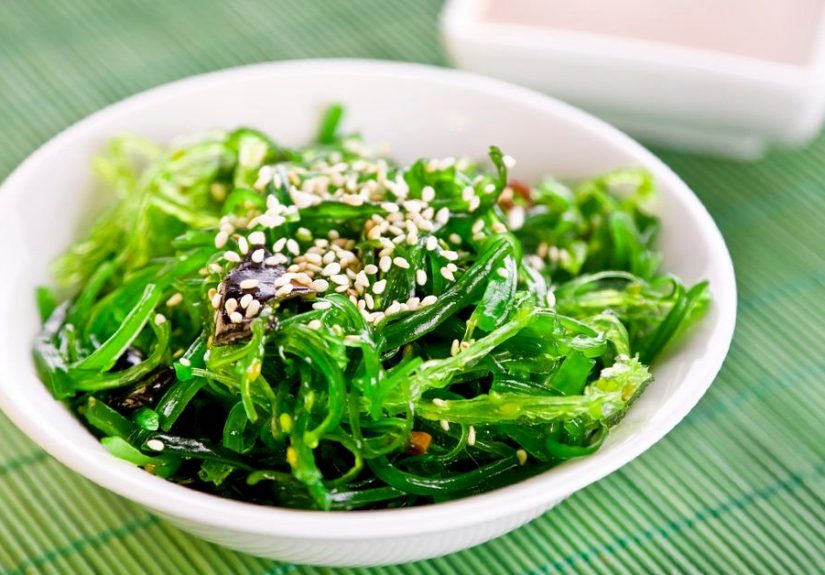
Kelp is a large brown seaweed that grows in cool coastal waters. In the kitchen, it often shows up as dried strips, flakes, powders, broths, noodles, or as part of seaweed salads and soups. Some popular forms include kombu, kelp noodles, and seasoning blends made with dried kelp.
Unlike many trendy “superfoods,” kelp actually brings something practical to the table. It adds rich umami flavor, which means it can make healthy meals taste more satisfying without needing tons of butter, sugar, or heavy sauces. That alone makes it more useful than half the wellness products on the internet.
Kelp Nutrition: Why People Pay Attention to It
Kelp is naturally low in calories and contains fiber, along with varying amounts of iodine, potassium, magnesium, iron, and antioxidant compounds. Its exact nutrient profile depends on the species, where it was harvested, and how it was processed. That variability is important because kelp can range from “helpful sprinkle” to “wow, that is a lot of iodine” pretty fast.
Some of the most talked-about compounds in kelp include:
- Iodine: Essential for making thyroid hormones.
- Alginate and other fibers: May help with fullness and support gut health.
- Fucoidan: A naturally occurring polysaccharide studied for immune and anti-inflammatory potential.
- Polyphenols and carotenoids: Antioxidant compounds that may help protect cells from oxidative stress.
- Minerals: Kelp can contribute small amounts of minerals, though amounts vary widely.
In other words, kelp is not just decorative confetti for miso soup. It is nutritionally interesting, and in some cases, surprisingly potent.
Top Kelp Benefits for Health
1. Kelp Helps Support Healthy Thyroid Function
The biggest reason kelp gets attention is iodine. Your body needs iodine to make thyroid hormones, which help regulate metabolism, energy use, and normal growth and development. Since kelp is one of the richest natural sources of iodine, it can help people meet their iodine needs when eaten in reasonable amounts.
This is the part where kelp sounds like the class valedictorian of sea vegetables, and to be fair, it kind of is. But iodine is a Goldilocks nutrient: too little is a problem, and too much is also a problem. So yes, kelp can support thyroid health, but that does not mean piling it onto every meal like shredded cheese.
2. It May Promote Fullness and Smarter Appetite Control
Kelp contains fiber, including alginate, a type of soluble fiber found in brown seaweeds. Fiber slows digestion, helps you feel fuller for longer, and can make meals more satisfying. That does not turn kelp into a miraculous weight-loss hack, but it does make it a useful food if you are trying to build a more filling, balanced diet.
One of kelp’s sneaky strengths is that it adds volume and flavor without loading up your plate with a lot of calories. A broth made with kombu, for example, can make a vegetable-heavy soup taste richer and more comforting. Suddenly, healthy eating feels less like punishment and more like dinner.
3. Kelp Can Support Gut Health
The fibers and polysaccharides in seaweed may act as prebiotics, meaning they help feed beneficial gut bacteria. A healthier gut microbiome is linked to digestion, immune function, and overall metabolic health. Researchers are still learning how seaweed compounds behave in the human digestive tract, but the early picture is promising.
Put simply, kelp may help your gut microbes throw a tiny, polite dinner party. That is not a bad thing. And because kelp is often added in small amounts to soups, rice bowls, and salads, it can be an easy way to increase variety in your diet, which your microbiome also appreciates.
4. It Provides Antioxidant Compounds
Kelp contains antioxidants such as polyphenols and carotenoids. These compounds help protect cells from oxidative stress, which is involved in aging and many chronic diseases. Brown seaweeds also contain compounds like fucoxanthin, which researchers are studying for potential metabolic and anti-inflammatory effects.
Here is the important nuance: antioxidant-rich foods are great, but kelp is not a one-food solution to aging, inflammation, or any other giant health topic. Think of it as one helpful player on the team, not the entire championship roster.
5. Kelp May Support Heart and Metabolic Health
Some research on seaweed-rich diets suggests possible benefits for cardiovascular health and blood sugar regulation. This may be related to fiber, bioactive compounds, and the way seaweed can fit into lower-calorie, more plant-forward eating patterns. Laboratory and early human studies are interesting, but they do not prove kelp alone prevents heart disease or diabetes.
Still, kelp earns points for practicality. Swapping ultra-processed salty snacks for roasted seaweed snacks or using kelp broth to build more vegetable-based meals can support healthier eating habits overall. Sometimes the benefit is not that kelp performs magic; it is that kelp helps your dinner make better choices.
6. It Can Add Important Minerals to the Diet
Kelp may contribute minerals such as potassium, magnesium, iron, and calcium, depending on the type and source. These nutrients play roles in muscle function, fluid balance, nerve signaling, and bone health. The catch, again, is variability. Kelp is nutritious, but it is not consistent enough to treat like a precision multivitamin from the sea.
That is why kelp works best as part of a varied diet instead of a nutritional crutch. It can help fill in the background, but it should not be the only instrument in the orchestra.
7. Kelp Makes Healthy Food Taste Better
This benefit does not get enough love. Kelp is rich in natural umami, the savory taste that makes food feel deep, rich, and satisfying. A strip of kombu in broth, beans, or grains can improve flavor without leaning hard on sodium-heavy sauces or rich fats.
That matters because one of the best ways to eat well consistently is to make healthy food taste like food you actually want to eat. If kelp helps your vegetable soup stop tasting like warm disappointment, that is a legitimate wellness win.
Potential Risks of Kelp You Should Not Ignore
Too Much Iodine Can Cause Problems
This is the big one. Kelp is famous for iodine, and that is both its selling point and its warning label. Getting too much iodine can disrupt thyroid function and may worsen certain thyroid conditions. People with hypothyroidism, hyperthyroidism, thyroid nodules, or a history of thyroid disease should be especially careful with kelp supplements and high-intake habits.
In the United States, many people already get enough iodine from iodized salt, dairy foods, seafood, and fortified foods. So taking kelp tablets on top of a normal diet can sometimes be unnecessary or even risky. This is one of those classic wellness mistakes where “natural” gets confused with “always safe.” Nature, for the record, is also responsible for poison ivy.
Kelp Supplements Are Trickier Than Kelp as Food
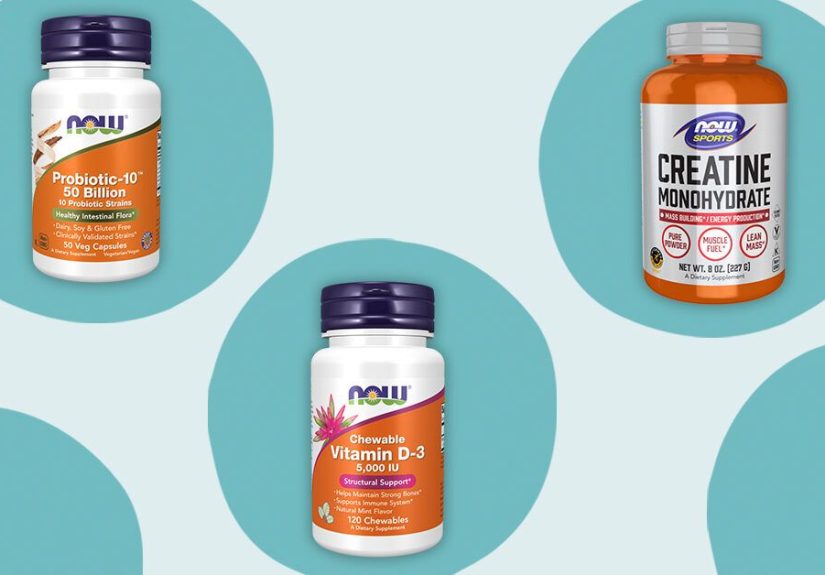
Eating kelp in food is very different from taking concentrated kelp supplements. Supplements may contain highly variable amounts of iodine, and quality can differ from product to product. Some may also contain heavy metals, depending on where the seaweed was harvested and how it was tested.
If you are considering a kelp supplement for thyroid support, weight loss, or “detox,” it is smart to pause and talk with a healthcare professional first. There is much better evidence for eating a balanced diet than for chasing dramatic promises on supplement labels.
Heavy Metals and Contaminants Are a Real Concern
Seaweed can absorb substances from the water around it, including heavy metals. That does not mean every seaweed product is dangerous, but it does mean sourcing matters. Buying from reputable brands that test for contaminants is a much better move than treating random mystery powder from the internet like a health halo in a jar.
Medication Interactions Can Happen
Kelp and seaweed supplements may interact with certain medications, especially those related to thyroid function. Some seaweed compounds may also be a concern for people taking blood thinners or certain heart medications. If you take prescription meds, especially thyroid medication, amiodarone, digoxin, or anticoagulants, ask your clinician before going all-in on kelp products.
Pregnancy Requires Extra Care
Iodine matters during pregnancy, but kelp supplements are not automatically the best answer. Because kelp’s iodine content can be unpredictable, pregnant people should be cautious and follow individualized medical advice rather than assuming “more seaweed equals more health.”
How to Eat Kelp Safely and Actually Enjoy It
If you want kelp benefits without turning your thyroid into an unwanted science project, moderation is the name of the game.
- Use small amounts of kelp flakes or kombu in meals rather than megadoses in supplement form.
- Try kelp in broths, soups, beans, rice, or noodle dishes for flavor and nutrition.
- Buy from reputable brands that emphasize sourcing and testing.
- If you have thyroid issues, talk to your healthcare provider before making kelp a daily habit.
- Do not assume that “seaweed” and “safe in unlimited amounts” are the same sentence.
A good starter move is using a strip of kombu in homemade broth or beans, then removing it before serving. You get the savory depth and some nutritional value without turning dinner into a seaweed dare.
Who Might Benefit Most from Kelp?
Kelp may be especially appealing for people who want to:
- Add more nutrient-dense whole foods to their diet
- Boost savory flavor in plant-forward meals
- Increase dietary variety with low-calorie ingredients
- Explore foods with fiber and prebiotic potential
- Use sea vegetables as part of a balanced, minimally processed eating pattern
But “benefit” does not mean “eat daily forever.” Kelp is more like a strong spice cabinet ally than an eat-by-the-shovelful staple.
Experiences People Often Have with Kelp in Real Life
When people first try kelp, the experience is usually less dramatic than the internet makes it sound. No orchestra starts playing. No halo appears above your salad. Most people simply notice that foods made with kelp taste richer and deeper, especially soups, broths, grains, and beans. That is often the first “aha” moment: kelp makes healthy meals easier to enjoy. A pot of vegetable soup that once tasted flat suddenly feels cozy and savory. A bowl of rice gets more character. A broth-based meal seems more satisfying, even though you did not add a mountain of calories.
Another common experience is surprise at how little kelp you need. A small strip of kombu or a light sprinkle of kelp flakes goes a long way. Beginners often assume they need a huge amount for it to “work,” but kelp is not that kind of ingredient. It is more like garlic or soy sauce in spirit: a modest amount can completely change the personality of a dish. That makes it practical for people trying to eat more vegetables or cut back on heavy sauces without making meals feel boring.
Some people also notice that kelp helps them feel pleasantly full when it is part of a high-fiber meal. Not stuffed. Not “I need to lie down and rethink my choices.” Just satisfied. This tends to happen when kelp is paired with vegetables, legumes, whole grains, or lean proteins, rather than treated like a miracle ingredient on its own. Kelp works best in teamwork mode.
Of course, not every experience is glowing. Some people find the taste too oceanic at first, especially if they start with too much. Others try kelp supplements because they want quick results for energy, metabolism, or weight loss and end up disappointed. That is usually because kelp is a food, not a shortcut. It can support healthy habits, but it does not override sleep deprivation, a low-fiber diet, or the “I’ll start Monday” fitness plan.
There is also the reality check that comes with reading labels. Many people are shocked to learn how wildly iodine levels can vary across kelp products. That is often the moment kelp goes from “harmless green health dust” to “okay, maybe I should respect this ingredient.” For anyone with thyroid concerns, that awareness is valuable. The best experience with kelp usually comes from using it intentionally, not casually piling it into smoothies, soups, snacks, and supplements all in the same week.
For home cooks, one of the best experiences is discovering that kelp quietly improves the texture and taste of everyday food. A strip in beans can help create a softer, more flavorful pot. A bit in broth can deepen the taste in a way that feels restaurant-level without much effort. Kelp noodles can be a fun texture change in cold dishes, though opinions on them range from “refreshing” to “did I just eat crunchy air?” That is part of the adventure.
Overall, the healthiest real-world experience with kelp is usually simple: use a little, enjoy the flavor, treat it as a smart addition rather than a miracle cure, and let it support a broader pattern of healthy eating. That is where kelp shines. Not as magic. Not as hype. Just as a surprisingly useful sea vegetable with real strengths and a few important boundaries.
Conclusion
Kelp can absolutely earn a spot in a healthy diet. It offers iodine, fiber, antioxidants, and savory flavor that can make nutritious meals more appealing. It may support thyroid health, gut health, fullness, and overall dietary quality when used in sensible amounts. But kelp’s greatest strength is also its biggest caution: iodine. Too much can create problems, especially for people with thyroid conditions or those taking certain medications.
The smartest way to enjoy kelp is to think like a balanced eater, not a wellness cowboy. Use it in moderate amounts, choose quality products, and let it complement a varied diet full of whole foods. Done right, kelp is not just edible seaweed. It is a flavorful, functional ingredient that can help healthy eating feel a lot less boring.