Table of Contents >> Show >> Hide
- What Is Aspirational Clutter, Exactly?
- Why Aspirational Clutter Feels So Hard to Release
- How Aspirational Clutter Affects Your Home and Mind
- Signs Aspirational Clutter Is Weighing Down Your Home
- How to Let Go of Aspirational Clutter Without Feeling Awful
- A Simple Room-by-Room Plan for Releasing Future-Self Clutter
- What to Tell Yourself When Letting Go Feels Emotional
- How to Keep Aspirational Clutter From Coming Back
- Conclusion: Letting Go Makes Room for the Life You Already Have
- Experiences With Aspirational Clutter: What It Looks Like in Real Life
- SEO Tags
There is clutter, and then there is aspirational clutterthe sneaky, emotionally loaded stuff that is not just taking up shelf space, but also renting a studio apartment in your brain. This is the bread maker for the artisan life you swore you would start. The stack of pristine journals for your future novelist era. The treadmill serving as a very expensive towel valet. The paint set, cake stand, tennis racket, or language workbooks all whisper the same thing: One day, you will become the person who uses me.
That is what makes aspirational clutter so hard to deal with. It is rarely “just stuff.” It is identity, hope, guilt, money already spent, and a tiny internal monologue that says, “Maybe next month I’ll get into pottery.” And while optimism is lovely, it gets less charming when your closet looks like a thrift store curated by seven alternate versions of yourself.
If your home feels heavy, crowded, or weirdly judgmental, aspirational clutter may be part of the problem. The good news is that letting it go does not mean giving up on growth. It means making room for a life you are actually living now.
What Is Aspirational Clutter, Exactly?
Aspirational clutter is made up of items you keep because they belong to a version of yourself you hope to become. These things are tied to plans, ideals, habits, or hobbies that sound wonderful in theory but do not fit your real routine. In other words, your house is storing the fantasy draft of your life.
Common examples include:
- Fancy kitchen gadgets for meals you never make
- Exercise gear for workouts you do not enjoy
- Craft supplies for hobbies you tried once and ghosted
- Clothes for a lifestyle, job, or body size that does not match your present reality
- Books purchased to project ambition rather than actual reading plans
- Entertaining pieces for dinner parties that exist only in your imagination and group chat
This kind of clutter often looks respectable, which is why it hides in plain sight. Old takeout menus? Easy to toss. A pasta roller that represents your dream of becoming “the type of person who casually makes ravioli on Thursdays”? Much tougher.
Why Aspirational Clutter Feels So Hard to Release
It is tied to identity
When you get rid of aspirational clutter, it can feel like you are giving up on potential. That is why a box of watercolor supplies can trigger more emotion than a broken lamp. You are not just letting go of supplies. You are letting go of the picture you had of yourself as artistic, disciplined, adventurous, fit, elegant, or wildly good at sourdough.
It carries guilt
Many people keep aspirational items because they feel bad about the money spent on them. Others keep them because a parent gave them the item, a friend encouraged the hobby, or social media made the lifestyle look irresistible. Suddenly, the object becomes a tiny guilt monument with storage requirements.
It fuels the “someday” trap
“Someday” is where clutter goes to avoid accountability. Someday you will scrapbook. Someday you will host twelve people for brunch. Someday you will wear those sky-high boots to a glamorous event that does not involve limping. But a home packed with someday items can crowd out what you actually need today.
How Aspirational Clutter Affects Your Home and Mind
Too much clutter does more than make a room look busy. It can create stress, visual noise, and constant decision fatigue. Every time you see unused aspirational items, you may get a quiet reminder of unfinished goals, abandoned habits, or pressure to become someone else. That is not exactly the cozy home vibe most people are going for.
Aspirational clutter also creates practical problems:
- It steals storage from items you use every day
- It makes cleaning harder and slower
- It increases the chance of duplicate buying because you cannot see what you own
- It can make a home feel smaller, tighter, and less restful
- It turns organizing into rearranging instead of actually reducing
Perhaps the biggest issue is emotional drag. Your home should support your real life, not pressure you with a dozen side quests. If your space keeps reminding you of what you are not doing, it becomes harder to relax in it.
Signs Aspirational Clutter Is Weighing Down Your Home
Not sure whether your home has crossed into future-self storage territory? Here are a few clues:
- You own supplies for hobbies you have not touched in over a year
- You buy organizing products before deciding what actually deserves space
- Your closet contains clothes for a fantasy calendar full of galas, beach weekends, and boardroom victories
- You feel mildly attacked every time you open a cabinet
- You keep saying, “I might need this when I finally start…”
- You have more tools for becoming organized than actual organized systems
If any of those hit a little too close to home, do not panic. You are not failing adulthood. You are just human, living in a culture that constantly sells better versions of ourselves in the shape of products.
How to Let Go of Aspirational Clutter Without Feeling Awful
1. Name the fantasy kindly
Instead of forcing yourself into brutal honesty mode, try gentle honesty. Pick up the item and ask, Who did I think this would help me become? Then ask the follow-up question that really matters: Do I still want that life, and am I actively making time for it?
You are allowed to want growth. You are also allowed to admit that your life, interests, energy, and priorities have changed. That is not failure. That is editing.
2. Separate your identity from your inventory
You do not need to own a violin to be a creative person. You do not need a closet full of running gear to care about your health. You do not need cake decorating tools to be generous. Character traits are not stored in bins. Your values can survive a donation run.
3. Use the “reality test”
Try asking these questions:
- Have I used this in the last 12 months?
- Do I have a realistic plan to use it in the next 3 months?
- Would I buy this again today?
- Is this supporting my current life or my imaginary one?
- Is this item motivating me, or making me feel guilty?
If the answer is mostly painful silence, the item may be ready to go.
4. Start small to avoid emotional burnout
Do not begin with the entire garage unless you are fueled by chaos and dramatic background music. Start with one drawer, one shelf, or one category. Maybe it is unused beauty products, duplicate notebooks, or the fitness gear section that has become a museum of good intentions.
Small wins matter. They reduce overwhelm and help you build trust in your own decision-making.
5. Choose space over sunk cost
Yes, you paid for it. No, that does not mean you must pay forever in square footage, stress, and resentment. Money already spent is gone whether the item lives in your closet or leaves in a donation bag. Keeping it does not recover the cost. It only extends the emotional invoice.
6. Create a donation zone
One reason clutter lingers is that “to donate” becomes its own long-term decorating style. Create one clearly labeled donation bin, bag, or basket. When it fills up, schedule the drop-off. A system beats a vague intention every time.
7. Avoid buying storage before decluttering
This is a big one. Buying more bins can feel productive, but often it just turns clutter into better-dressed clutter. Containers are helpful only after you know what is staying. Otherwise, you are essentially purchasing tiny apartments for items you do not even like.
A Simple Room-by-Room Plan for Releasing Future-Self Clutter
Closet
Focus on clothes that represent a different body, role, or lifestyle. Keep pieces you truly love and realistically wear. Let go of items that make you feel judged before coffee.
Kitchen
Be honest about your cooking habits. If you are not making homemade pasta, elaborate layered cakes, or molecular gastronomy foam on a Tuesday night, you may not need gear for all three.
Office
Sort through planners, courses, notebooks, and supplies tied to abandoned productivity fantasies. Keep tools you actively use, not the ones that merely suggest you are one perfect pen purchase away from a new life.
Garage or storage room
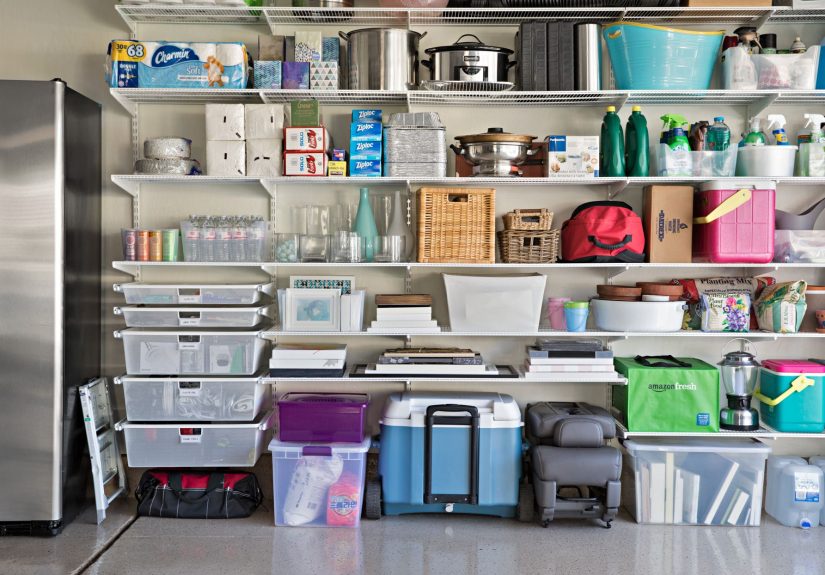
This is where aspirational clutter goes to bulk up. Look for gear tied to hobbies, projects, and repairs you have not touched in years. If the item requires ambition, time, money, and a level of enthusiasm you have not shown since 2022, it may be time to release it.
What to Tell Yourself When Letting Go Feels Emotional
Try replacing harsh self-talk with better scripts:
- Instead of: “I wasted money.”
Say: “I learned what does not fit my life.” - Instead of: “I should have used this.”
Say: “I do not need to keep this to prove I had good intentions.” - Instead of: “Maybe someday.”
Say: “If someday comes, I can revisit it then.” - Instead of: “Getting rid of this means giving up.”
Say: “Making space means choosing what matters now.”
This mindset shift is important because decluttering works best when it is not punishment. The goal is not to scold your past self. The goal is to support your present self.
How to Keep Aspirational Clutter From Coming Back
Pause before buying
Before purchasing something for your “new era,” ask whether you need the item now or whether you are buying a fantasy. It is okay to admire a lifestyle without furnishing it immediately.
Adopt a trial-first rule
Want to start painting, pickleball, baking, or sewing? Try a class, borrow equipment, or begin with the smallest possible version before investing in a full setup. Do not let your credit card become the creative director of a hobby you have not actually met.
Revisit your home seasonally
Every few months, do a quick review. Ask what your home is currently supporting. Your routines change. Your family changes. Your interests change. Your space should be allowed to change too.
Use the “one real life” principle
You only get one home at a time. It should not have to hold every possible version of you all at once. Give the best space to the life that is actually happening.
Conclusion: Letting Go Makes Room for the Life You Already Have
Aspirational clutter is not evidence that you are lazy, messy, or inconsistent. It often means you are hopeful. You imagined possibilities for yourself, and you bought objects to match. That is deeply human.
But hope does not have to live in unused stuff. Your home does not need to become a storage unit for every person you almost became. In fact, letting go of those items can feel less like loss and more like relief. It gives your real routines more breathing room. It helps your home feel calmer, easier to maintain, and far more supportive of your everyday life.
So if your shelves, closets, or cabinets are groaning under the weight of future-self clutter, consider this your permission slip: you can release the bread maker, the fancy art kit, the impossible jeans, and the stack of untouched self-improvement workbooks. Keep the dream if you still want it. You just do not have to keep every prop.
Experiences With Aspirational Clutter: What It Looks Like in Real Life
One of the most common experiences people describe with aspirational clutter is the strange mix of excitement and guilt. The excitement happens at the moment of purchase. You see a set of watercolor paints, resistance bands, luxury storage jars, or elegant serving platters and imagine your life instantly becoming calmer, prettier, healthier, or more impressive. For a few minutes, the purchase feels like progress. Then real life returns, and the object quietly settles into a cabinet where it waits to become a symbol of “not yet.”
Take the person who buys a full set of meal-prep containers, a juicer, and a stack of healthy cookbooks in January. The plan is admirable. The fridge, however, is still home to leftover takeout and a half-used bottle of ranch. By March, the containers are buried under mismatched lids, the juicer is too annoying to clean, and the cookbooks are acting as a booster seat for a fruit bowl. The clutter is not random. It tells a story about the life they wanted, but not the one their schedule, energy, or preferences could support.
Another classic example is the closet filled with aspirational clothing. Maybe it is the “promotion wardrobe” for a job that changed direction, the “vacation wardrobe” for trips that never got booked, or the “when I get back into shape” section that hangs there like a passive-aggressive motivational speaker. People often say these clothes make getting dressed harder, not easier. Instead of offering options, they create friction. Every hanger becomes a tiny referendum on goals, aging, time, and self-image. No wonder the closet feels heavy.
Then there is hobby clutter, perhaps the most charming and most dangerous category. Hobby clutter is adorable at first. It says, “I am interesting.” It says, “I contain multitudes.” It says, “I might start candle-making.” But when the supplies pile up, hobby clutter stops looking like potential and starts looking like pressure. Many people report that once they let go of hobby items they never truly used, they felt relieved rather than regretful. That relief matters. It is a sign the stuff was demanding more emotional energy than it deserved.
There are also people who inherit aspirational clutter through gifts. Maybe someone receives baking gear because they are “the creative one,” workout equipment because they are “trying to be healthier,” or office tools because they are expected to become impossibly organized. In those cases, decluttering can feel complicated because the object is tangled up with other people’s expectations. Letting go may feel rude, even when keeping it feels exhausting. But many find that once the item leaves, the emotional noise leaves with it.
Perhaps the most meaningful experience people share is what happens after the decluttering. They do not usually say, “I miss the unused pasta machine.” They say things like, “I can breathe in this room now.” They say, “I open the cabinet and do not feel bad anymore.” They say, “I finally have space for the things I really use.” That is the real payoff. Letting go of aspirational clutter is not about becoming less ambitious. It is about becoming more honest, more comfortable, and more at home in your own life.