Table of Contents >> Show >> Hide
- What Are Japanese Baked Dynamite Appetizers, Exactly?
- Ingredients That Make the Magic Happen
- The Classic Japanese Baked Dynamite Appetizers Recipe (Individual Cups)
- How to Make It Taste Like a Sushi Bar (Without Installing a Sushi Bar)
- Easy Variations (Because Dynamite Loves Options)
- Serving Ideas That Make These Disappear Faster
- Make-Ahead, Storage, and Food Safety (So Everyone Has a Good Time)
- Troubleshooting: Quick Fixes for Common Dynamite Drama
- FAQ
- Real-World Experiences With Japanese Baked Dynamite Appetizers (The Stuff Recipes Don’t Warn You About)
- Conclusion
You know that moment at a sushi bar when something arrives sizzling, creamy, and suspiciously addictiveand suddenly your
“I’ll just have one” turns into “Who ordered the second round?” That, my friend, is the energy of Japanese baked dynamite appetizers.
They’re rich, savory, a little spicy (if you want), and basically built to disappear faster than your willpower at an all-you-can-eat buffet.
This guide gives you a restaurant-style Japanese Baked Dynamite Appetizers Recipe you can make at homewithout requiring a culinary
degree or a secret handshake. We’ll cover the classic version (seafood + mushrooms + mayo + masago), smart upgrades (hello, Kewpie),
and a few party-proof variations that keep the crowd happy and the host sane.
What Are Japanese Baked Dynamite Appetizers, Exactly?
“Dynamite” in sushi-restaurant land usually means a creamy, mayo-based seafood mixture that’s baked or broiled until the top turns
lightly golden and a little dramatic (in the best way). It’s common in Western-style sushi spots and can show up as:
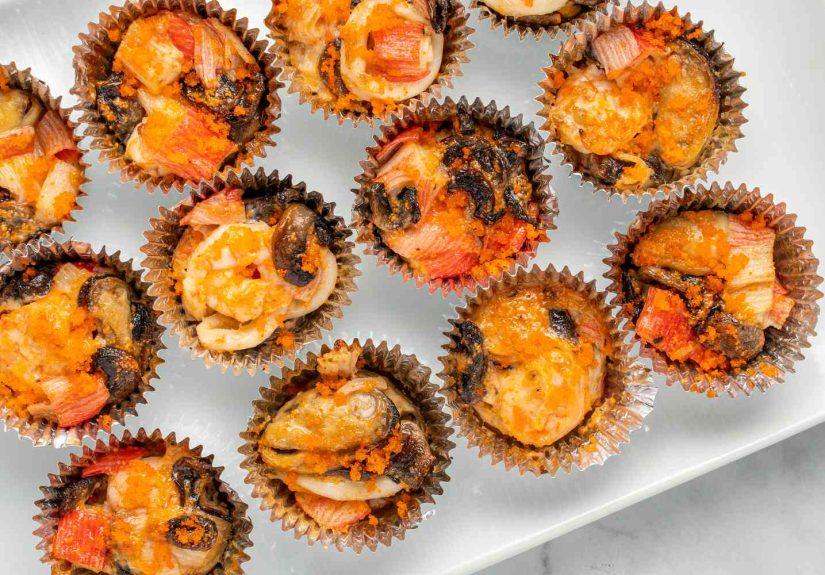
- Individual dynamite cups (bite-sized canapés baked in foil cups or shells)
- Dynamite toppings spooned over rice or sushi-style “bakes”
- Dynamite mussels (on the half shell, broiled until bubbling)
The core idea stays the same: tender seafood + creamy sauce + optional heat + a pop of roe (masago or tobiko). It’s indulgent,
comforting, and weirdly elegant for something that’s basically “seafood salad goes to a nightclub.”
Ingredients That Make the Magic Happen
Seafood: pick your dream team
The classic approach uses a frozen mixed seafood blend (often shrimp, calamari, imitation crab, and friends). You can also build your own mix:
bay scallops, chopped shrimp, crab (real or imitation), cooked salmon, or even chopped mussels. The goal is small, bite-friendly pieces
that coat evenly in sauce.
Mushrooms: the “secret” that adds depth
Sliced button mushrooms bring savory flavor and help the mixture feel more “dish” and less “dip.” The important move is removing excess water
otherwise your dynamite cups can turn into tiny seafood hot tubs.
Mayonnaise: choose wisely (it matters)
This recipe is mayo-forward on purpose. Japanese-style mayonnaise (often Kewpie) tends to taste richer and tangier than standard American mayo,
which makes the final bite feel more sushi-bar authentic. Regular mayo still worksyour dynamite won’t call the policebut Kewpie is the upgrade
that people notice.
Masago (or tobiko): the pop, color, and “ooh fancy” factor
Masago (capelin roe) is common and usually more budget-friendly than tobiko (flying fish roe). Either adds a salty briny pop that balances the creamy sauce.
If you can’t find roe, you can still make dynamitejust add a little extra seasoning and garnish like scallions or sesame seeds.
Optional flavor boosters (highly recommended)
- Sriracha or chili sauce: for heat (from “gentle warmth” to “I regret nothing”)
- Soy sauce: adds umami and a subtle savory edge
- Toasted sesame oil: a few drops = big aroma
- Lemon or lime juice: brightens the richness
- Shichimi togarashi: Japanese chili blend for an extra kick
The Classic Japanese Baked Dynamite Appetizers Recipe (Individual Cups)
This version is built for parties: neat portions, easy serving, and the kind of aroma that makes people “just wander into the kitchen”
to see what’s happening. (Totally not hovering. Definitely not.)
Recipe Overview
- Prep time: ~15 minutes
- Cook time: ~15 minutes
- Total time: ~30 minutes
- Yield: about 18–22 appetizer cups
- Oven temp: 375°F
Ingredients
- 1 (14-ounce) bag frozen mixed seafood (or your own mix: chopped shrimp + bay scallops + crab)
- 1 (8-ounce) package white button mushrooms, sliced
- 3/4 to 1 cup mayonnaise (Japanese mayo preferred), to taste
- 2 tablespoons masago (plus extra for garnish)
- Optional spicy + savory add-ins: 1–2 teaspoons sriracha, 1 teaspoon soy sauce, a few drops sesame oil, 1 teaspoon lemon juice
Equipment
- Muffin pan
- Aluminum foil cups (or small ramekins / oven-safe shells)
- Small skillet
- Strainer
Instructions
- Preheat and prep.
Preheat oven to 375°F. Line a muffin pan with aluminum foil cups. (If you’re using shells or ramekins,
set them on a sheet pan.) - Cook the seafood (if needed).
If your seafood is frozen and raw, simmer it gently until cooked through, then drain well and let it cool slightly.
If your seafood is already cooked, simply thaw and pat dry. - Sauté the mushrooms.
In a small pan over medium heat, sauté sliced mushrooms until they release water and that water cooks off.
You’re not browning them for crunchyou’re evaporating moisture so your dynamite stays creamy, not watery. - Cool and drain.
Let mushrooms cool to room temperature, then dab or drain on paper towels. (Yes, this feels fussy. Yes, it pays off.) - Mix the dynamite filling.
In a bowl, gently combine seafood, mushrooms, mayonnaise, and masago. If using optional seasonings (sriracha/soy/sesame/lemon),
stir them into the mayo first, then fold everything together so it coats evenly. - Fill the cups.
Spoon a small portion into each foil cup. Fill close to the topthis is not a “light snack.” This is a “people will remember this” snack. - Bake until golden.
Bake for about 15 minutes, or until the tops are lightly browned.
Want extra sushi-bar drama? Broil for the final 2–3 minutesjust keep an eye on it so “golden” doesn’t become “archaeological artifact.” - Garnish and serve.
Top with a little extra masago. Optional: sliced scallions, toasted sesame seeds, or a tiny drizzle of spicy mayo.
Serve hot or warmthis appetizer shines when it’s fresh and bubbling.
How to Make It Taste Like a Sushi Bar (Without Installing a Sushi Bar)
1) Control moisture like it owes you money
The number-one dynamite problem is watery filling. The fix is simple: cook off moisture from mushrooms, drain seafood thoroughly,
and avoid “wet” add-ins in large amounts (like too much citrus or watery sauces).
2) Use Kewpie (or “fake it ‘til you make it”)
Japanese mayo has a richer yolk-forward taste and a tangy profile that fits the dish beautifully. If you only have regular mayo,
add a tiny splash of rice vinegar plus a pinch of sugar and you’ll get closer to that sushi-bar vibe.
3) Heat is optional, but confidence is not
Dynamite can be mild and creamy or spicy enough to make your sinuses do a cartwheel. Start with a small amount of sriracha,
taste, then adjust. You want “wow, that’s good” more than “wow, I can’t feel my face.”
4) Browning = flavor
That slightly browned top is where a lot of the appeal lives. Don’t yank them out too early. If your oven runs cool,
finish with a quick broil to get that caramelized, bubbly surface.
Easy Variations (Because Dynamite Loves Options)
Spicy dynamite cups
Stir sriracha (or chili garlic sauce) into the mayo before mixing. For a Japanese-style heat, add a pinch of shichimi togarashi.
The result tastes like the “spicy roll” section of the menu showed up to the party.
Dynamite mussels (half-shell showstopper)
Use chopped mussels (or mussels on the half shell) mixed with dynamite sauce. Broil until bubbling and lightly browned.
This version feels extra fancy, like you planned the party weeks agoeven if you started cooking in panic mode 45 minutes ago.
Dynamite rice bake (a.k.a. the “feed everyone” move)
Spread seasoned sushi rice in a baking dish, top with a dynamite seafood mixture, and bake until browned. Serve with nori sheets
so people can scoop and wrap. It’s casual, interactive, and suspiciously good for potlucks.
Wonton cup dynamite bites
Bake wonton wrappers in a muffin tin first to make crispy cups. Then fill with dynamite mixture and bake again just until warmed and browned.
Crunch + creamy seafood = extremely unfair to other appetizers.
Serving Ideas That Make These Disappear Faster
- Sushi-bar style: Serve with nori strips and a drizzle of eel sauce or spicy mayo.
- Fresh crunch: Add sliced cucumber, avocado, or a little shredded carrot on the side.
- Umami garnish: Furikake, toasted sesame seeds, scallions, or a pinch of bonito flakes.
- Party-friendly plating: Keep cups in the muffin tin for serving, or transfer to a platter with lemon wedges.
Make-Ahead, Storage, and Food Safety (So Everyone Has a Good Time)
Dynamite appetizers are best fresh, but you can prep smart:
- Make-ahead: Cook and drain seafood, sauté mushrooms, and mix the filling up to a day ahead. Store covered in the fridge.
- Assemble later: Spoon into cups right before baking for the best texture and browning.
- Leftovers: Refrigerate promptly. Reheat until hot and steaming; if you’re using a thermometer, follow standard safe-reheating guidance.
When cooking seafood, aim for doneness (opaque, firm) and avoid prolonged baking that can make shrimp rubbery or scallops tough.
The good news: this dish is saucy and forgivingas long as you don’t forget the “drain well” part.
Troubleshooting: Quick Fixes for Common Dynamite Drama
My dynamite cups are watery
Most likely: mushrooms weren’t cooked long enough to evaporate moisture, or seafood wasn’t drained well. Next time, sauté mushrooms until dry-ish
and press seafood gently in a strainer or pat with paper towels.
It tastes flat
Add a touch of soy sauce, lemon juice, or a pinch of salt. Masago adds saltiness tooif you skipped it, seasoning becomes more important.
It’s too spicy
Stir in more mayo, add a squeeze of lemon, or serve with plain rice/nori to mellow it out. Also: water won’t help, but dramatic sighing might.
The top won’t brown
Move the pan slightly higher in the oven or broil for 1–3 minutes. Watch closelymayo-based sauces can go from “golden” to “whoops” quickly.
FAQ
Is this actually Japanese?
It’s strongly associated with Japanese-style sushi restaurants in the West and uses Japanese pantry flavors (mayo, roe, chili spice),
but it’s best described as a Japanese-inspired sushi-bar appetizer popular in the U.S.
Can I make it without masago?
Yes. You’ll lose that briny “pop,” so add flavor elsewhere: soy sauce, sesame, scallions, or a sprinkle of furikake.
What’s the best seafood combo?
A mix of chopped shrimp + bay scallops + crab is a crowd-pleaser. If you want a luxe bite, include a little salmon. If you want budget-friendly,
imitation crab works great.
Real-World Experiences With Japanese Baked Dynamite Appetizers (The Stuff Recipes Don’t Warn You About)
Let’s talk about what usually happens when these hit the tablebecause the “experience” of dynamite appetizers is almost a recipe ingredient.
The first thing you’ll notice is the sound: that gentle sizzle when the tray comes out, like the appetizer is applauding itself.
Then comes the smell: creamy seafood, a little brine, a hint of toasted browning on top. It’s the kind of aroma that makes people
wander in from the living room “just to check something,” even though nothing was broken and nobody called them.
The second thing you’ll notice is the math problem. You made 20 cups. You invited 8 people. You think, “Nice, everyone gets a few.”
But then someone takes one, says “Whoa,” and immediately takes another “for comparison.” (Science is important.) Another person tries one and asks,
“Is there more?” in the tone of someone asking if oxygen will remain available. This is normal.
If you serve them at a party, a few patterns tend to repeat:
- The spice negotiation: Some guests want “sushi-bar spicy,” others want “I’m sensitive but brave.” A smart move is making the base creamy,
then offering sriracha or spicy mayo on the side. People love customizing, and it keeps your appetizer from becoming a surprise endurance sport. - The nori suddenly becomes currency: If you put out toasted nori sheets, guests start scooping dynamite into nori like they’re building
tiny hand rolls. Someone will say, “This is like a dynamite taco,” and they won’t be wrong. - The crispy-top obsession: The browned top is the “best bite” to a lot of people. If the tray has both lightly browned and deeply golden cups,
you may witness friendly competition. If you want to avoid this, broil the whole tray briefly at the end so everyone gets the good top.
On the cooking side, the biggest real-world lesson is: drain everything like you mean it. Seafood can hold water. Mushrooms definitely hold water.
If you rush, the cups can bake into a looser, wetter mixture that still tastes good but looks less “sushi bar” and more “creamy seafood puddle.”
The fix is boring but effective: sauté mushrooms until the pan looks mostly dry, and let seafood drain in a strainer long enough that you get impatient.
That’s how you know you’re doing it right.
Another experience-driven tip: portion size changes the vibe. Smaller cups feel more elegant and “canapé.” Larger cups become almost entree-like,
especially if served with rice. For cocktail parties, small is king. For game day, go bigger and let people scoop it onto rice or crackers. (Yes, crackers.
No, the appetizer will not mind. It’s very adaptable.)
Finally, there’s the “next day” experience. If you have leftovers, they reheat surprisingly wellbut the top won’t be as crisp. Many people end up turning
leftovers into a rice bowl: warm rice, chopped nori, reheated dynamite on top, maybe avocado if you’re feeling fancy. It’s the kind of lunch
that makes you look productive while secretly living your best sushi-adjacent life at your desk.
In short: this dish isn’t just tastyit’s social. It makes people gather, hover, and ask questions. It creates that “who made this?” moment that every
host secretly hopes for. And it has the rare superpower of feeling special while still being incredibly doable. That’s the real dynamite.