Table of Contents >> Show >> Hide
- Can a Humidifier Help Asthma?
- Why Humidity Matters So Much
- Pros of Using a Humidifier for Asthma
- Cons of Using a Humidifier for Asthma
- Who Might Benefit Most From a Humidifier?
- Who Should Be Extra Careful?
- How to Use a Humidifier More Safely if You Have Asthma
- Humidifier vs. Dehumidifier for Asthma
- Questions to Ask Before You Buy One
- Real-World Experiences With Humidifiers and Asthma
- Final Verdict: Humidifier for Asthma Pros and Cons
Note: This article is for educational purposes only and is not a substitute for medical advice, diagnosis, or treatment.
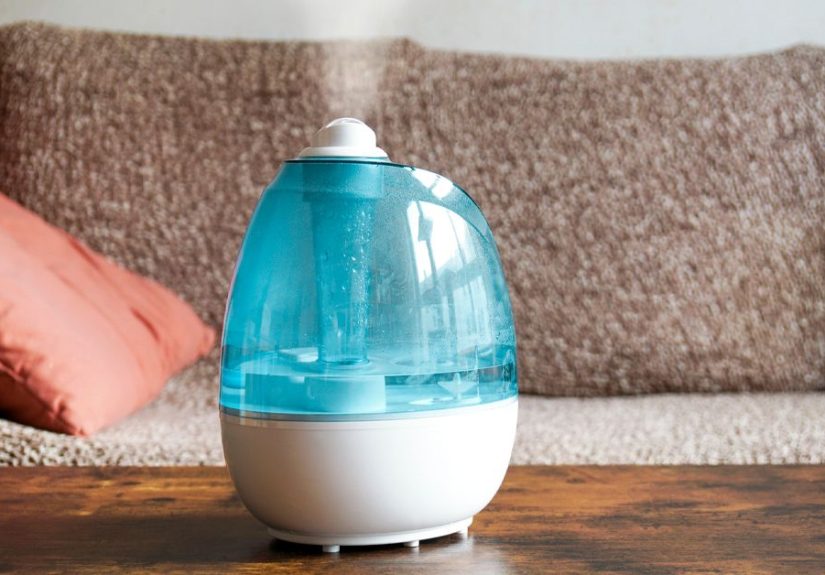
If you have asthma, a humidifier can seem like a tiny indoor miracle machine. The air feels dry, your throat feels scratchy, your nose feels like it spent the night in a toaster oven, and suddenly that little mist-maker starts looking like a hero. But asthma is picky. Sometimes it likes a little extra moisture. Sometimes it absolutely does not.
That is why the question is not simply, “Is a humidifier good for asthma?” The better question is, “When does a humidifier help, when does it backfire, and how do you use one without turning your bedroom into a spa for dust mites?”
The honest answer is this: a humidifier can make some people with asthma more comfortable, especially when indoor air is very dry. But it can also make symptoms worse if it pushes humidity too high, grows mold or bacteria, or sprays minerals and irritants into the air. In other words, it is a tool, not a cure. And like many tools, it works best when you stop using it like a magic wand.
Can a Humidifier Help Asthma?
Sometimes, yes. A humidifier may help if dry indoor air is irritating your nose, throat, or airways. This is especially common in winter, when heating systems suck moisture out of the air and leave your home feeling like a giant cracker. If cold, dry air tends to aggravate your breathing, a humidifier may make the room feel less harsh and help you sleep more comfortably.
But here is the catch: asthma itself is a chronic inflammatory condition of the airways. A humidifier does not treat that inflammation. It does not replace controller medication, rescue inhalers, or an asthma action plan. What it may do is reduce dryness-related irritation for some people. That is helpful, but it is not the same as treating asthma at its source.
Why Humidity Matters So Much
When the Air Is Too Dry
Very dry air can irritate the lining of the nose and throat. It can leave you with a dry cough, a sore throat, chapped lips, and that weird sensation that breathing feels harder even when your lungs are technically doing their job. For people with asthma, that extra irritation can add insult to injury. Dry winter air, indoor heat, and air conditioning can all contribute to that problem.
That is why some people say they breathe easier with a humidifier running nearby at night. What they are often noticing is less dryness, not a cure for asthma itself. Comfort matters, though. If you sleep better and wake up less congested or less irritated, that can be a real quality-of-life win.
When the Air Is Too Humid
This is where things get messy. Asthma and excess moisture are not exactly best friends. When indoor humidity climbs too high, mold can grow more easily, dust mites can thrive, and the room can start to feel stuffy. If you are sensitive to those triggers, a humidifier can accidentally make your environment worse instead of better.
And it is not just the humidity itself. Dirty water tanks and poorly cleaned filters can become a playground for microorganisms. Some humidifiers, especially ultrasonic models, can also release tiny mineral particles into the air if you use hard tap water. That means your “wellness appliance” can turn into an uninvited guest that throws a tiny indoor air party nobody asked for.
Pros of Using a Humidifier for Asthma
1. It can reduce dryness-related irritation
If your asthma tends to feel worse in dry winter air, a humidifier may help your nose, throat, and upper airways feel less irritated. That can make nighttime breathing feel more comfortable and may reduce the “my chest is offended by this room” feeling that dry air sometimes creates.
2. It may improve sleep comfort
Some people notice that they sleep better when a dry bedroom has a little more moisture. A less dry nose and throat can mean less nighttime mouth breathing, less waking up with a parched throat, and less overnight discomfort.
3. It can help in homes with very low winter humidity
Not every home needs more humidity, but some definitely do. If your indoor humidity is consistently low, a humidifier may bring the room back into a more comfortable range. In that specific situation, it can be useful instead of merely decorative.
4. It may make breathing feel easier during cold, dry weather
For people whose symptoms flare when cold dry air hits the airways, a properly used humidifier can make indoor air feel gentler. That does not mean it works for everyone, but it is one of the main reasons some asthma patients keep one around.
Cons of Using a Humidifier for Asthma
1. Too much humidity can trigger asthma symptoms
If the room becomes too humid, you may be setting the stage for mold and dust mites. That is a big deal because both are common asthma triggers. A humidifier used without a hygrometer is a bit like seasoning soup with your eyes closed: sometimes fine, sometimes a disaster.
2. Dirty humidifiers can blow contaminants into the air
If you do not clean the unit regularly, the water tank can collect bacteria, mold, and other gunk. Once that happens, the mist is no longer doing you any favors. For someone with asthma, breathing in contaminated mist can worsen symptoms instead of soothing them.
3. Hard water can create “white dust”
Some humidifiers can release minerals from tap water into the air. If you have ever seen fine white dust on furniture near a humidifier, you know the look. That dust is not exactly a luxury breathing experience. Using distilled or low-mineral water is often a smarter move.
4. Warm-mist models can pose a burn risk
Warm-mist humidifiers are effective at adding moisture, but they come with a safety issue, especially if children are around. A cool-mist humidifier is usually the safer pick for family homes.
5. It can create a false sense of treatment
A humidifier may make you more comfortable, but it is not asthma management by itself. If symptoms are frequent, severe, or getting worse, the solution is not to crank up the mist and hope for the best. That is a good way to let the actual problem go untreated.
6. It adds one more thing to clean
Let us be honest: this matters. If you know you are not going to empty, rinse, and clean the unit regularly, a humidifier may not be the right tool for your routine. Asthma care works better with habits you can actually maintain, not fantasy versions of yourself who deep-clean appliances every other day with cheerful enthusiasm.
Who Might Benefit Most From a Humidifier?
A humidifier may be worth considering if your asthma tends to feel worse during cold months, your home air is genuinely dry, and you also deal with dryness in your nose, throat, or sinuses. It may also help if forced-air heating leaves your bedroom uncomfortably dry overnight.
That said, benefit depends on context. If your asthma is mostly triggered by pollen, smoke, exercise, or respiratory infections, a humidifier may not do much. If you are allergic to mold or dust mites, it may be more risky than helpful. The only smart way to know is to look at your symptoms, measure indoor humidity, and pay attention to what actually happens when you use one.
Who Should Be Extra Careful?
- People with mold allergy or dust mite allergy
- Anyone living in an already humid climate
- Homes with visible condensation, water damage, or musty smells
- Parents using warm-mist models around children
- People who are unlikely to clean the unit consistently
- Anyone tempted to add essential oils or fragrance products to the tank
That last point deserves its own spotlight. Fragrance and essential oils can irritate the respiratory tract in some people, including people with asthma. A humidifier is not the place to audition your room for “forest waterfall lavender sunset.”
How to Use a Humidifier More Safely if You Have Asthma
Measure humidity first
Do not guess. Use a hygrometer. In most homes, keeping indoor humidity around 30% to 50% is a reasonable target. If you are already near the upper end of that range, a humidifier may be unnecessary or counterproductive.
Use distilled or low-mineral water
This can help reduce the amount of mineral residue released into the air. It is a simple upgrade that can make your humidifier less annoying and potentially more lung-friendly.
Empty and refill the tank often
Stagnant water is a bad idea. Empty the tank regularly, dry surfaces when possible, and refill with fresh water. That lowers the chance of bacterial or mold buildup.
Clean it on schedule
Follow the manufacturer’s directions, but in general, frequent cleaning matters a lot. If the unit smells funky, looks slimy, or has visible buildup, it has already failed the vibe check and likely the air-quality check too.
Place it a few feet from the bed
You want balanced moisture in the room, not a personal weather system aimed directly at your face all night. A little distance is usually better.
Choose cool mist if kids are around
Cool-mist models avoid the burn risk associated with hot water or steam. That makes them the more practical choice in many households.
Stop if you notice warning signs
If windows get foggy, walls feel damp, the room smells musty, or asthma symptoms worsen, scale back or stop using the humidifier. That is your home telling you the moisture situation has left the chat.
Humidifier vs. Dehumidifier for Asthma
This is the part many people skip, and it is often the most important. Some asthma households need more moisture. Many actually need less.
If your indoor humidity is below 30%, a humidifier may help comfort. If it is above 50%, a dehumidifier or air conditioner may be the better call. If your home has a damp basement, visible mold, or chronic condensation, adding more humidity is usually the last thing you need.
Think of it this way: asthma generally likes stable, clean indoor air. Not desert-dry. Not tropical-jungle wet. Just boringly balanced. Sometimes the healthiest room is the one that feels a little less dramatic.
Questions to Ask Before You Buy One
- What is the humidity level in the room right now?
- Do I have allergies to mold or dust mites?
- Can I realistically clean this machine often enough?
- Is the air actually dry, or am I assuming it is?
- Am I expecting this device to replace medical asthma treatment?
If that last answer is yes, hit pause. A humidifier can support comfort. It should not become your unofficial pulmonologist.
Real-World Experiences With Humidifiers and Asthma
One of the most common experiences people describe is the “winter bedroom effect.” Their asthma feels more irritable once the heat comes on for the season. They wake up with a dry throat, a dry nose, and a cough that feels more annoying than dangerous but still disruptive. In those cases, adding a little moisture to the room can feel genuinely helpful. People often say they sleep better, breathe more comfortably overnight, and stop waking up feeling like they swallowed a handful of toast crumbs. The key detail, though, is that these are usually homes with truly dry indoor air, not already humid rooms.
Another common experience goes the other direction. Someone buys a humidifier, runs it every night without measuring humidity, and then starts noticing condensation on windows, a musty smell, or worsening allergy symptoms. Instead of relief, the room becomes stuffy and symptoms feel heavier. This is especially common in homes where mold or dust mites are already part of the problem. In real life, the line between “helpful moisture” and “too much moisture” can be surprisingly thin.
Parents of children with asthma often report a mixed experience. Some say a cool-mist humidifier seems to help during dry winter stretches, especially when a child also has nasal dryness or irritation. Others find that using one too often makes congestion, coughing, or allergy issues worse. In households with kids, safety and maintenance become even more important. People may like the idea of a warm-mist unit, then quickly realize hot steam near a child is not exactly a relaxing setup.
There is also the “I forgot to clean it” experience, which is probably the least glamorous but maybe the most relatable. A humidifier starts out as a health purchase and slowly turns into a neglected countertop science experiment. Once buildup appears or the tank starts smelling off, people often notice they feel worse around it rather than better. This is why doctors and public health sources keep repeating the same advice: if you use a humidifier, cleaning is not optional bonus content.
Some adults with asthma also notice that a humidifier helps their nose and throat more than their lungs. That is still useful. Comfort in the upper airway can make breathing feel easier overall, particularly at night. But many also learn that the real win comes from pairing comfort tools with smart asthma care: taking prescribed medication, watching indoor triggers, changing filters, and knowing when symptoms are no longer “just dryness.”
In short, real-world experiences tend to land in one of two camps: “This helped because my air was dry and I used it carefully,” or “This backfired because the room got too damp or the machine got dirty.” The humidifier itself is not the hero or the villain. The environment, maintenance, and trigger profile decide the plot.
Final Verdict: Humidifier for Asthma Pros and Cons
A humidifier can help some people with asthma, but only under the right conditions. If your indoor air is very dry, a humidifier may ease dryness-related irritation and make sleep more comfortable. But if humidity gets too high, or if the machine is dirty, it can make asthma symptoms worse by increasing exposure to mold, dust mites, bacteria, and airborne particles.
The smartest approach is simple: measure your indoor humidity, use the humidifier only when needed, clean it like it matters, and do not mistake comfort support for actual asthma treatment. If your symptoms are frequent, worsening, or unclear, talk with your doctor or asthma specialist. Your lungs deserve more than trial-and-error home weather experiments.