Table of Contents >> Show >> Hide
- Bread Basics (So Your Loaf Doesn’t Become a Doorstop)
- Ingredients & Tools That Make Bread Baking Easier
- Bread Recipes: Choose Your Loaf Adventure
- 1) No-Knead Dutch Oven Artisan Boule (The “I’m Busy but Impressive” Loaf)
- 2) Almost No-Knead Whole Wheat Bread (More Fiber, Still Fun)
- 3) Soft Sandwich Bread (Slicer-Friendly, Lunchbox Approved)
- 4) Focaccia (The “Bread Pizza’s Classy Cousin”)
- 5) Beginner Sourdough Country Loaf (Wild Yeast, Big Personality)
- 6) Challah (Braided, Glossy, Slightly SweetBasically the Fancy Bread)
- 7) Irish Soda Bread (No Yeast, No Waiting, Still Legit)
- 8) Skillet Cornbread (Crisp Edges, Tender Center, Zero Patience Required)
- 9) Banana Bread (The Official Recipe of “Ripe Bananas Exist”)
- Troubleshooting: When Bread Has Opinions
- Storage, Freezing, and Bringing Bread Back to Life
- Conclusion: Your Next Loaf Is Closer Than You Think
- Experiences Around Bread Recipes (The Part No One Mentions, But Everyone Learns)
If your kitchen has ever smelled like fresh bread, you already know the truth: homemade bread is basically aromatherapy you can eat. The good news? You don’t need a fancy bakery oven, a vintage starter named “Gerald,” or biceps built from kneading dough for 45 minutes. You just need a few reliable techniquesand a handful of bread recipes that match your energy level (from “I have plans” to “I have patience”).
This guide walks you through the building blocks of great homemade bread, then serves up a mix of classic and modern favorites: no-knead artisan loaves, whole wheat bread, soft sandwich bread, focaccia, sourdough, challah, and quick breads like Irish soda bread, cornbread, and banana bread. It’s designed to be easy to follow, fun to read, and actually useful the next time you’re staring at a bag of flour like it owes you money.
Bread Basics (So Your Loaf Doesn’t Become a Doorstop)
Two main bread “families”
- Yeast-leavened breads (artisan boule, sandwich loaf, focaccia, sourdough, challah): rise from yeast activity (commercial yeast or wild yeast in sourdough starter).
- Quick breads (banana bread, cornbread, Irish soda bread): rise from baking soda/powder and bake right awayno long proofing, no dramatic waiting montage.
The 4 ingredients that run the world (of bread)
- Flour: provides structure (gluten) and texture.
- Water: hydrates flour; higher hydration often means a more open crumb.
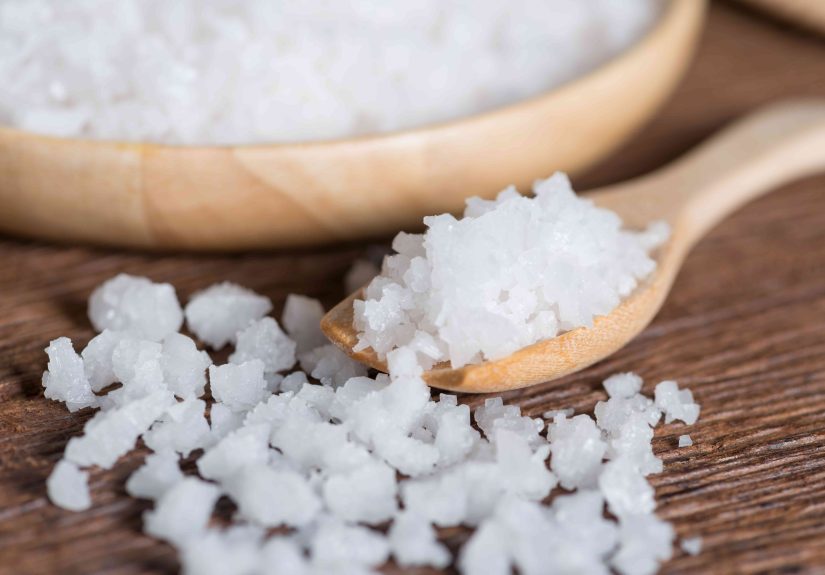
- Salt: boosts flavor and controls fermentation so dough doesn’t sprint off a cliff.
- Leavening: yeast/sourdough starter or baking soda/powder.
Why time matters more than muscle
A lot of “easy bread recipe” wins come from letting time do the gluten-building. Long fermentation develops flavor and strength without constant kneading. That’s why no-knead bread works: you mix, you wait, you bake, you act like a bread wizard.
Ingredients & Tools That Make Bread Baking Easier
Flour choices (quick cheat sheet)
- All-purpose flour: versatile, great for many bread recipes.
- Bread flour: higher protein; chewier crumb and stronger rise (handy for artisan bread).
- Whole wheat flour: more flavor, can get dense if used aloneoften best blended.
Tools you’ll actually use
- Kitchen scale: more consistent than cups (especially for flour).
- Instant-read thermometer: helps confirm doneness (no more “is this baked or just warm?”).
- Dutch oven or covered pot: traps steam for a crisp crust and better oven spring.
- Loaf pan: for sandwich bread that slices like a grown-up.
- Bench scraper: makes sticky dough less sticky (and cleanup less tragic).
Temperature tips
Dough is like a moody houseplant: it behaves differently depending on warmth. In a warmer kitchen, dough rises faster. In a cooler kitchen, fermentation takes longer but can develop deeper flavor. If your timing is off, adjust by watching the dough (volume and bubbles), not the clock.
Bread Recipes: Choose Your Loaf Adventure
Below are reliable, high-payoff homemade bread options. Each recipe includes the “why,” the key ratios, and the techniqueso you can bake confidently even if you’re improvising with what’s in your pantry.
1) No-Knead Dutch Oven Artisan Boule (The “I’m Busy but Impressive” Loaf)
This is the classic no-knead bread formula: a sticky dough + long fermentation + hot covered pot = crackly crust and airy crumb. It’s the bread equivalent of showing up to class in sweatpants and still getting an A.
- Best for: first-time yeast bread bakers, soup nights, “look what I made!” moments
- Key idea: long rise builds gluten without kneading; covered bake creates steam
- Mix flour, water, salt, and a small amount of yeast into a shaggy dough.
- Cover and let ferment 12–18 hours (room temp) until bubbly and expanded.
- Shape gently; rest until slightly puffy.
- Bake in a preheated Dutch oven: covered first for rise, uncovered to deepen color.
- Cool fully before slicing (your crumb will thank you).
2) Almost No-Knead Whole Wheat Bread (More Fiber, Still Fun)
Whole wheat bread gets a bad reputation because it can turn dense when it’s 100% whole wheat. A smarter move is blending whole wheat with bread flour so you get wheaty flavor and a loaf that still feels light enough for toast.
- Best for: everyday toast, sandwiches, “I’m trying” era
- Key idea: blend flours; use long fermentation for flavor and strength
- Use a mix of whole wheat flour and bread flour for balance.
- Let the dough rest and ferment slowly (hands-off time does the work).
- Shape into a tight round to help it rise upward instead of outward.
- Bake in a covered pot for crust and lift; cool before slicing.
3) Soft Sandwich Bread (Slicer-Friendly, Lunchbox Approved)
If artisan bread is the dramatic lead, sandwich bread is the reliable best friend. It’s soft, even-crumbed, and built for peanut butter, grilled cheese, and everything that shouldn’t fall through giant holes.
- Best for: sandwiches, toast, French toast, “I need uniform slices”
- Key idea: a little fat and sweetener tenderize the crumb
- Make a slightly enriched dough (think butter/oil plus a touch of honey or sugar).
- Knead until smooth and elastic (by hand or mixer).
- First rise until doubled; then shape tightly and place in a loaf pan.
- Second rise until the dough crowns above the pan rim.
- Bake until golden; cool completely for clean slices.
4) Focaccia (The “Bread Pizza’s Classy Cousin”)
Focaccia is a dream bread recipe because it’s forgiving and thrives on olive oil. The signature dimples aren’t just cutethey hold pools of oil and toppings so every bite tastes like a vacation.
- Best for: parties, dipping, sandwich slabs, “I want drama on a sheet pan”
- Key idea: wet dough + oil + dimpling = airy interior and crisp edges
- Mix a high-hydration dough and let it rise until airy.
- Oil a pan generously (this is not the moment to be shy).
- Stretch dough gently; rest; then dimple deeply with oiled fingers.
- Top with rosemary, flaky salt, garlic, or tomatoes; bake until deeply golden.
- Cool slightly, then slice. Try not to eat half while “testing.”
5) Beginner Sourdough Country Loaf (Wild Yeast, Big Personality)
Sourdough looks intimidating because it has vibes. But the core is simple: keep a sourdough starter alive, feed it on a routine, and bake when it’s active and bubbly. The payoff is flavor depth you can’t fake.
- Best for: tangy toast, artisan bread lovers, “I want a project” weekends
- Key idea: starter strength + fermentation timing = rise and flavor
- Starter care: Feed your sourdough starter with equal weights starter, flour, and water (a common baseline). Keep it at room temp if baking often; refrigerate for slower maintenance.
- Mix: Combine flour, water, active starter, and salt. Rest briefly, then do a few stretch-and-fold rounds to build structure.
- Bulk ferment: Let the dough rise until it’s puffy, jiggly, and shows bubbles.
- Shape + cold proof: Shape tightly and chill overnight for easier scoring and deeper flavor.
- Bake hot: Use a Dutch oven for steam, then uncover to brown. Cool fully before slicing.
6) Challah (Braided, Glossy, Slightly SweetBasically the Fancy Bread)
Challah is enriched with eggs (and often oil or butter), which gives it a tender crumb and rich flavor. The braid looks impressive, but it’s just dough strands wearing a nice outfit.
- Best for: holiday tables, French toast, gifting, showing off politely
- Key idea: enriched dough needs patience; egg wash adds shine
- Mix an enriched dough (flour, yeast, eggs, sweetener, salt, oil/butter).
- Knead until smooth; rise until doubled.
- Divide into strands, braid, and let rise again until puffy.
- Brush with egg wash; add seeds if you like; bake until deeply golden.
- Cool and slice. Save a few pieces for the best French toast of your life.
7) Irish Soda Bread (No Yeast, No Waiting, Still Legit)
Soda bread is a quick bread: baking soda reacts with buttermilk to create lift. It’s best the day it’s bakedwarm, hearty, and perfect with butter. If yeast bread is a slow dance, soda bread is a sprint in comfy shoes.
- Best for: beginners, last-minute bread emergencies, weeknight soups
- Key idea: handle gently; overmixing makes it tough
- Whisk dry ingredients (flour, baking soda, salt; optional sugar and add-ins like raisins).
- Stir in cold buttermilk just until combined.
- Shape into a round; score a deep cross on top.
- Bake until browned and firm. Cool a bit, then slice generously.
8) Skillet Cornbread (Crisp Edges, Tender Center, Zero Patience Required)
Cornbread lives in the quick-bread world, and it comes with strong opinions. Some like it sweet, some say sweet cornbread is “cake.” The solution: make it how you like and let everyone else bring their feelings to the potluck.
- Best for: chili night, barbecue sides, cozy carbs
- Key idea: hot pan = crisp crust; don’t overbake
- Preheat oven and (optional) preheat a greased cast-iron skillet.
- Mix cornmeal with flour (optional), baking powder, salt, eggs, milk/buttermilk, and fat.
- Pour into hot skillet or pan; bake until golden and set.
- Serve warm with butter, honey, or as the official spoon for chili.
9) Banana Bread (The Official Recipe of “Ripe Bananas Exist”)
Banana bread is the sweet quick bread that turns neglected fruit into a top-tier snack. The main secret is simple: use very ripe bananas. Bonus points if you add a tangy dairy ingredient (like sour cream) for extra tenderness.
- Best for: breakfast, snacks, sharing, “I didn’t waste food!” pride
- Key idea: ripe bananas + gentle mixing = moist crumb
- Mash ripe bananas; whisk with eggs, sugar, and melted butter or oil.
- Stir in flour, baking soda, salt (and optional cinnamon/vanilla).
- Fold in nuts or chocolate chips if desired (or keep it classic).
- Bake until a tester comes out clean; cool before slicing for best texture.
Troubleshooting: When Bread Has Opinions
“My loaf is dense.”
- Yeast may be old, or the dough didn’t ferment long enough.
- Dough may be too dry (low hydration) or underdeveloped (not enough folds/kneading).
- Kitchen was coldfermentation slowed down. Give it more time.
“It’s gummy inside.”
- It might be underbaked. Lean artisan loaves often need deep browning.
- Slicing too soon traps steam and makes the crumb seem sticky. Cool completely.
- Too much flour during shaping can create a thick, raw seam inside.
“My crust is pale.”
- Oven may run cooluse an oven thermometer if possible.
- Give it more time uncovered at the end of baking.
- Try baking on a lower rack for better bottom heat (especially for focaccia).
“My sourdough didn’t rise.”
- Your starter might not be active enoughfeed it and bake at peak activity (bubbly, airy, expanded).
- Salt added too early in some workflows can slow fermentation; follow a consistent mix routine.
- Cold proofing is great, but bulk fermentation still needs to happen first.
Storage, Freezing, and Bringing Bread Back to Life
- Lean crusty loaves (artisan, sourdough): store cut-side down or in paper for a day; avoid airtight bags short-term (they soften crust).
- Soft sandwich bread: airtight at room temp for a few days; freeze sliced for easy toasting.
- Quick breads (banana bread, cornbread): wrap well; room temp for a couple days, then refrigerate or freeze for longer storage.
- Revive day-old bread: a quick warm-up in the oven can refresh crust and aroma.
Conclusion: Your Next Loaf Is Closer Than You Think
The best bread recipes aren’t the ones that demand perfectionthey’re the ones that teach you what “good dough” feels like and reward you with something warm, real, and ridiculously satisfying. Start with no-knead bread if you want big results with minimal effort. Try focaccia when you want a crowd-pleaser. Choose sandwich bread for everyday life. And when you’re ready for the long game, sourdough is waiting with its tangy charm and slightly dramatic timeline.
Pick one recipe, bake it twice, and notice what changes when you adjust time, temperature, and hydration. That’s the quiet superpower of homemade bread: every loaf teaches you somethingand none of them require a membership card to a fancy bakery.
Experiences Around Bread Recipes (The Part No One Mentions, But Everyone Learns)
There’s a reason bread baking becomes a hobby for so many people: it’s half cooking, half science experiment, and half “why am I emotionally invested in bubbles?” Bread recipes create a very specific kind of kitchen experience one where the timeline is both flexible and strangely personal. A no-knead dough can look like a sloppy mistake when it’s mixed, but by morning it has transformed into something alive and airy. That overnight change is often the first moment home bakers realize bread isn’t about force; it’s about patience and timing.
Many first-time bakers expect the hardest part to be mixing or kneading. In reality, the hardest part is waiting: letting dough ferment long enough, resisting the urge to add extra flour “just in case,” and not slicing the loaf the second it leaves the oven. That last one is brutal. Fresh bread smells like victory, and victory smells like melted butter. But learning to cool bread fullyespecially artisan bread and sourdoughoften becomes a turning point. Once a baker experiences the difference between a gummy, rushed crumb and a set, sliceable interior, patience starts to feel less like a rule and more like a tool.
Bread also teaches people to read cues instead of clinging to exact minutes. A recipe may say “rise 60 to 90 minutes,” but dough doesn’t wear a watch. In a warm kitchen, a soft sandwich loaf can double quickly; in a cooler kitchen, it may need extra time. Over time, bakers learn to look for volume, jiggle, bubbles, and elasticitythe little signs that fermentation is doing its job. This is where bread baking feels oddly calming: attention shifts from screens and schedules to simple observation. Dough becomes the calendar.
Another common experience is realizing how “small” choices change outcomes. Switching from all-purpose flour to bread flour can boost structure. Blending whole wheat bread with bread flour can keep it from turning heavy. Baking in a Dutch oven can transform a decent loaf into a crackly-crusted showpiece. Even quick breads have their own lessons: banana bread rewards gentle mixing, and cornbread teaches the value of a hot pan for crisp edges. These aren’t huge, complicated tricksthey’re small adjustments that make homemade bread feel more predictable and less mysterious.
Finally, there’s the social side of bread recipes. Bread is one of the easiest foods to share because it’s universal: toast, sandwiches, soup, snacks. People remember the loaf someone brought over; they remember the smell and the warm slices and the moment a kitchen felt welcoming. Even imperfect bread tends to disappear quickly once butter arrives. That’s part of the magic: bread doesn’t have to be flawless to be loved. It just has to be made.