Table of Contents >> Show >> Hide
- Why a Hair Care Routine Matters
- 17 Expert-Approved Tips to Start a Hair Care Routine
- 1. Start with your scalp, not your strands
- 2. Learn your hair type before you buy everything in aisle seven
- 3. Wash on a schedule that fits your scalp
- 4. Apply shampoo to the scalp and conditioner to the lengths
- 5. Keep your starter lineup simple
- 6. Use lukewarm water, not lava
- 7. Detangle with patience and a plan
- 8. Dry your hair without roughing it up
- 9. Add leave-in conditioner if your hair gets dry, tangled, or frizzy
- 10. Use heat tools less often and more intelligently
- 11. Be careful with tight hairstyles
- 12. Clarify when buildup starts running the show
- 13. Treat dry shampoo like a backup singer, not the star
- 14. Respect chemical services
- 15. Do not ignore flakes, itching, or product reactions
- 16. Skip miracle claims and keep your expectations sane
- 17. Know when to see a dermatologist
- A Simple Beginner Hair Care Routine You Can Actually Follow
- on Real-Life Experiences With a New Hair Care Routine
- Final Takeaway
- SEO Tags
If your current hair routine is “wash it, hope for the best, and negotiate with the frizz later,” welcome. You are in excellent company. A good hair care routine does not need a 14-step lineup, a second mortgage, or a degree in cosmetic chemistry. It needs a little observation, a little consistency, and a lot less panic-buying.
The truth is simple: healthy-looking hair usually comes from habits, not heroics. The right routine supports your scalp, protects the hair you already have, and helps you avoid damage from over-washing, over-styling, and overreacting to every rough hair day. Here is how to build a hair care routine that actually makes sense for real life.
Why a Hair Care Routine Matters
Your hair routine should do three jobs well: keep your scalp comfortable, keep your strands clean without stripping them, and protect your hair from damage. That means the best routine is not always the trendiest one. It is the one that fits your hair type, scalp condition, styling habits, and schedule.
In other words, your friend with oily, fine hair and your cousin with thick, coily hair should not be taking identical advice from the same 10-second video. Hair is personal. Routines should be, too.
17 Expert-Approved Tips to Start a Hair Care Routine
1. Start with your scalp, not your strands
A smart routine begins with your scalp because that is where hair lives, grows, and complains first. Ask yourself a few basic questions: Does your scalp get oily fast? Does it feel tight and dry? Do you deal with flakes, itch, or product buildup? The answers matter because your scalp’s needs should guide how often you wash and what formulas you choose.
Think of it this way: your scalp is the soil, your hair is the plant. If the soil is irritated, greasy, or coated in product sludge, the rest of the routine gets weird in a hurry.
2. Learn your hair type before you buy everything in aisle seven
Hair type is not just straight versus curly. Pay attention to texture, density, porosity, and whether your hair is color-treated or chemically processed. Fine hair often gets weighed down quickly. Thick or coily hair usually needs more moisture and less frequent washing. Color-treated hair often benefits from gentler cleansers and better heat protection.
Once you know your pattern, product shopping becomes less like roulette and more like a plan.
3. Wash on a schedule that fits your scalp
One of the biggest routine mistakes is copying someone else’s wash calendar. Fine or oily hair may do best with more frequent washing. Medium textures often land somewhere in the middle. Dry, curly, coily, or tightly textured hair usually needs shampoo less often because natural oils take longer to travel down the hair shaft.
A good beginner rule is this: wash when your scalp feels oily, itchy, sweaty, or weighed down, not just because the calendar says so. If your hair feels brittle, straw-like, or angry after washing, you may be cleansing too often or using formulas that are too harsh.
4. Apply shampoo to the scalp and conditioner to the lengths
This one sounds basic, but it changes everything. Shampoo is for your scalp, where oil, sweat, and buildup collect. Conditioner is for the mid-lengths and ends, where dryness, tangles, and breakage like to set up camp.
If you pile shampoo all over your ends every wash, you can dry them out fast. If you smear heavy conditioner right onto an already oily scalp, your roots may look greasy before lunch. A little placement strategy saves a lot of frustration.
5. Keep your starter lineup simple
You do not need a bathroom shelf that looks like a hair lab. For most people, a solid starter routine includes:
- a shampoo matched to your scalp type,
- a conditioner matched to your hair texture,
- a leave-in or detangler if your hair tangles or dries out easily,
- and a heat protectant if you use hot tools.
That is enough to begin. Build from there only if your hair gives you a reason, not because a product has chic packaging and a name like “Moonlit Nectar Gloss Serum.”
6. Use lukewarm water, not lava
Very hot water can leave both scalp and hair feeling drier, especially if you already struggle with frizz, color fade, or irritation. Lukewarm water cleans effectively without turning wash day into a tiny steam-powered rebellion against your ends.
A cooler rinse at the end can feel nice and help remove residue, but you do not need to suffer for beauty. This is hair care, not polar training.
7. Detangle with patience and a plan
Hair is more fragile when wet, so detangling should be gentle, not dramatic. Start from the ends and work upward. Use fingers, a wide-tooth comb, or a brush designed for detangling, depending on your hair texture. Add conditioner or a leave-in product for slip if knots tend to turn into a full emotional event.
If you have tightly curled or coily hair, detangling when damp and conditioned often works better than forcing a dry brush through it like you are clearing a hiking trail.
8. Dry your hair without roughing it up
Rubbing hair aggressively with a bath towel can cause frizz, breakage, and a general “I fought the towel and the towel won” look. Instead, gently squeeze out water and blot with a microfiber towel or soft T-shirt. Then let hair air-dry partially before blow-drying.
This is one of those tiny routine changes that does not sound glamorous but pays off quietly over time.
9. Add leave-in conditioner if your hair gets dry, tangled, or frizzy
Leave-in conditioner is not mandatory for everyone, but it can be a game-changer if your hair needs extra moisture, easier detangling, or frizz control. It is especially useful for curly, coily, color-treated, long, or heat-styled hair.
Some leave-ins also offer heat protection, which makes them excellent multitaskers. That is the kind of overachiever we like.
10. Use heat tools less often and more intelligently
You do not have to break up with your blow dryer forever. You just need boundaries. Use the lowest effective heat setting, never clamp a flat iron onto damp hair, and avoid repeated passes over the same section. If you can let hair air-dry partway before blow-drying, even better.
Heat protectant is not marketing glitter. If you style with heat, use one. Your future ends would like a word.
11. Be careful with tight hairstyles
Sleek ponytails, tight buns, braids, cornrows, extensions, and similar styles can look great, but constant tension can stress the hairline and contribute to breakage or traction-related hair loss. If a style hurts, pulls, or gives you tiny bumps along the hairline, that is not beauty. That is your scalp filing a complaint.
Rotate styles, loosen the tension, and give your hairline actual days off.
12. Clarify when buildup starts running the show
If your hair suddenly feels heavy, dull, sticky, or impossible to style, buildup may be the issue. Styling creams, dry shampoo, hairspray, oils, and even minerals from hard water can cling to the hair over time. A clarifying shampoo used occasionally can help reset the situation.
You do not need to clarify constantly. Once or twice a month is enough for many people, though heavy product users may need it a little more often.
13. Treat dry shampoo like a backup singer, not the star
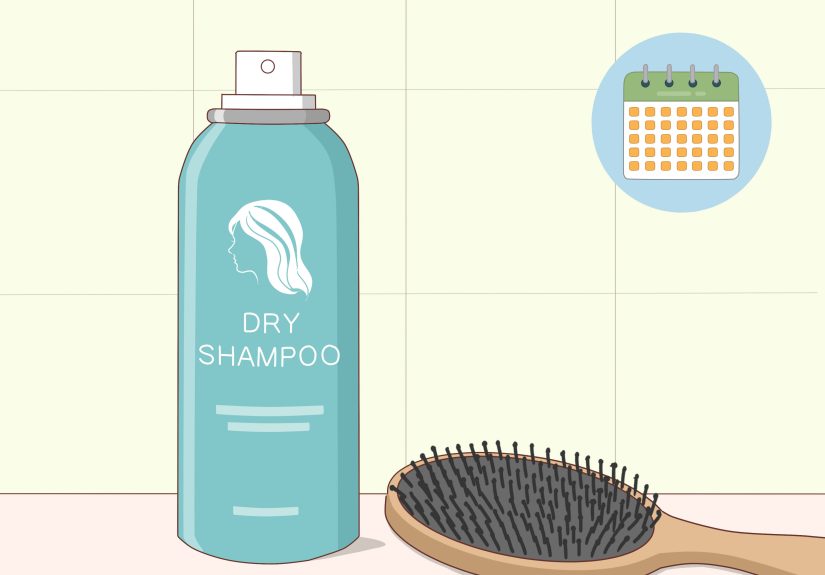
Dry shampoo can stretch a style, absorb oil, and save you on busy mornings. It should not fully replace cleansing. Overusing it can leave residue on the scalp and make hair feel dull, itchy, or heavy. Use it strategically between washes, then actually wash your hair when your scalp needs a proper reset.
In other words, dry shampoo is a bridge, not a permanent address.
14. Respect chemical services
If you color, bleach, relax, perm, or smooth your hair, your routine needs extra gentleness. Chemically treated hair usually benefits from less heat, more moisture, and less overlap between services. If you get relaxers or smoothing treatments, use an experienced professional and do not stack risky processes like a dare.
Also pay attention to scalp irritation after chemical treatments. Redness, burning, peeling, or prolonged tenderness are not normal signs that a service was “working.”
15. Do not ignore flakes, itching, or product reactions
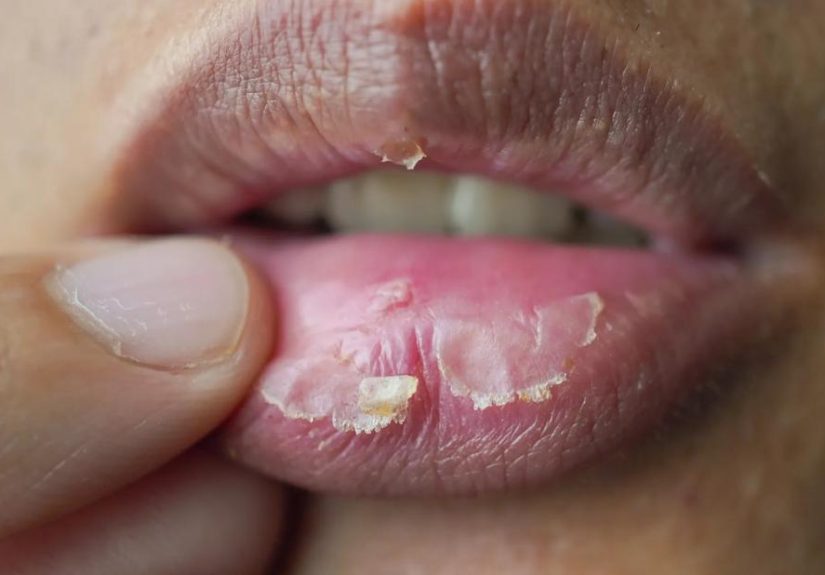
A healthy routine is not just about shine. It is also about comfort. Persistent flakes, greasy scaling, itching, soreness, or sudden irritation can point to dandruff, seborrheic dermatitis, product sensitivity, or another scalp issue. Sometimes the fix is as simple as using the right dandruff shampoo correctly. Sometimes the problem is a reaction to a product, fragrance, or dye ingredient.
Whenever you introduce a new product, do one at a time. That makes it much easier to figure out the culprit if your scalp decides to protest.
16. Skip miracle claims and keep your expectations sane
A good hair routine improves manageability, reduces breakage, supports scalp health, and helps hair look better over time. What it does not do is rewrite genetics overnight. Be skeptical of products that promise instant growth, dramatic thickening in a weekend, or a total reset after three uses.
Consistency wins here. Hair routines are more crockpot than microwave.
17. Know when to see a dermatologist
See a professional if you notice patchy hair loss, sudden shedding, scalp pain, sores, severe itching, redness, scaling that does not improve, or breakage that keeps getting worse despite a gentler routine. A routine can support healthy hair, but it cannot diagnose medical conditions. Stress, hormones, inflammatory scalp conditions, infections, tight styling, and other issues may all play a role in hair loss or scalp symptoms.
If something feels off, getting help early is smart, not dramatic.
A Simple Beginner Hair Care Routine You Can Actually Follow
For oily or fine hair
Use a gentle shampoo as needed, often every day or every other day. Apply lightweight conditioner mainly to the ends. Use dry shampoo only between wash days, not instead of them. Keep styling creams light so your roots do not collapse by noon.
For normal to combination hair
Wash every two to four days depending on oiliness and activity. Use conditioner every wash. Add leave-in conditioner only if your ends get dry or tangled. Clarify occasionally if your hair feels coated.
For dry, curly, coily, or textured hair
Wash less often and focus on moisture retention. Use a gentle cleanser, a richer conditioner, and a leave-in product. Detangle with product and patience. Minimize heat and protect hair from high-tension styles.
For color-treated or chemically processed hair
Choose gentle, moisture-supportive products. Use heat protectant every time you style with heat. Stretch out chemical services, and treat your ends like they are expensive because, frankly, they are.
on Real-Life Experiences With a New Hair Care Routine
Starting a hair care routine often feels less like a glamorous transformation and more like a long-overdue peace treaty with your own head. At first, many people expect fireworks. They buy a new shampoo, a leave-in, maybe a serum that smells like a botanical garden with a law degree, and then wait for instant movie-star hair. Usually, that is not what happens. What actually happens is more interesting and far more realistic.
In the first week, you begin noticing patterns. Maybe your roots get oily fast but your ends still feel dry. Maybe your scalp feels calmer when you stop scrubbing like you are trying to erase a mistake. Maybe your curls look better when you detangle in the shower instead of fighting them dry under bright bathroom lighting and bad decision-making. These are not flashy discoveries, but they are the foundation of a routine that finally fits.
By the second or third week, the small changes start to matter. Someone with fine hair may realize that lighter conditioner and more frequent washing actually makes the hair look fuller, not flatter. Someone with thick, textured hair may notice fewer snapped strands in the sink after switching to gentler detangling and a proper leave-in conditioner. A person who heat-styles every morning may find that lowering the temperature and using protectant does not ruin the style at all. It just ruins the damage, which is a much better target.
There is also a mental shift that happens. Hair care starts to feel less reactive and more intentional. Instead of waking up and declaring, “My hair hates me,” you start thinking, “My scalp is oily today, so I know what to do,” or “My ends are dry because I skipped leave-in and used too much heat this week.” That kind of clarity is surprisingly empowering. You stop treating every rough hair day like a crisis and start treating it like information.
Another common experience is learning that more products do not always mean better results. A lot of people feel genuine relief when they simplify. They stop layering oil over cream over mousse over spray over a prayer, and their hair suddenly behaves better. Not perfect, of course. Hair still has moods. Humidity still exists. Hats still happen. But the routine becomes easier to maintain, and that consistency often matters more than any miracle formula.
Perhaps the most rewarding part is how a good routine improves the everyday experience of having hair. Wash day becomes smoother. Styling takes less time. The scalp feels cleaner, calmer, or less itchy. Tangles become manageable. Breakage decreases. Hair may not become a fairy-tale waterfall overnight, but it often becomes softer, stronger-looking, and much easier to live with.
That is what makes a routine worth keeping. It is not about chasing perfection. It is about creating repeatable habits that help your hair feel more predictable, more comfortable, and a lot less dramatic. And if your hair still insists on having opinions now and then, that is fine. At least now you have a routine and a rebuttal.
Final Takeaway
The best way to start a hair care routine is to stop making it harder than it needs to be. Learn your scalp, understand your hair type, wash as needed, condition strategically, protect against heat and tension, and pay attention when your scalp sends warning signs. That is the real expert move.
Once you have the basics down, your routine becomes less about chasing trends and more about supporting healthy, manageable hair in a way you can actually stick with. Which, in the long run, is a lot more impressive than owning twelve serums you barely remember to use.