Table of Contents >> Show >> Hide
- What Causes Sinus Pressure in the First Place?
- How to Release Sinus Pressure at Home
- What Not to Do When You Have Sinus Pressure
- When to See a Doctor for Sinus Pressure
- How to Prevent Sinus Pressure from Coming Back
- The Bottom Line on How to Release Sinus Pressure
- Real-Life Experiences With Sinus Pressure: What It Often Feels Like and What People Notice
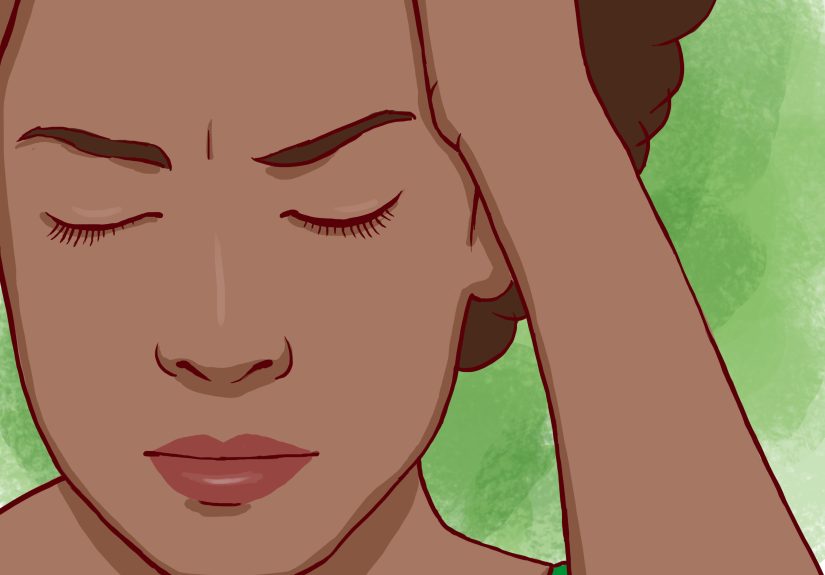
If your face feels like it is being inflated with a bicycle pump, welcome to the glamorous world of sinus pressure. It can make your forehead throb, your cheeks ache, your nose feel packed with concrete, and your brain wonder whether it has been replaced with damp cotton. The good news is that sinus pressure is often manageable at home when you know what actually helps.
Whether your symptoms are caused by a cold, allergies, dry air, or a full-blown sinus infection, the basic goal is the same: reduce swelling, thin the mucus, and help everything drain the way nature intended. That sounds elegant. In practice, it may involve steam, saline, tissues, and a temporary romance with your humidifier.
In this guide, you will learn how to release sinus pressure safely, what remedies are worth your time, what mistakes can make congestion worse, and when the pressure is waving a little red flag that says, “Please call a doctor now.”
What Causes Sinus Pressure in the First Place?
Your sinuses are air-filled spaces behind your forehead, cheeks, nose, and eyes. Normally, mucus moves through them quietly and efficiently. But when the lining inside your nose and sinuses gets inflamed, things get messy fast. Swelling narrows the drainage pathways, mucus gets trapped, and pressure builds. That pressure can feel dull, sharp, heavy, or weirdly like your face is wearing a helmet two sizes too small.
Common triggers include the ordinary cold, seasonal allergies, smoke exposure, dry indoor air, and sinus infections. Sometimes the problem is mostly inflammation. Sometimes it is thick mucus. Sometimes it is both, working together like an annoying buddy comedy.
The most important thing to know is this: not every case of sinus pressure means you need antibiotics. In fact, many sinus problems improve with self-care and time, especially when the cause is viral or allergy-related.
How to Release Sinus Pressure at Home
1. Start with saline spray or a saline rinse
If there is a hero in the sinus-pressure story, it is saline. A basic saline nasal spray can add moisture to dry nasal passages and loosen thick secretions. A saline rinse, such as one done with a squeeze bottle or neti pot, can go a step further by flushing out mucus, pollen, dust, and other debris.
This is one of the most practical ways to reduce that stuffed-up, face-heavy feeling. Think of it as hitting the reset button on your nose. Not glamorous, but highly effective.
If you use a rinse, be gentle. This is sinus care, not pressure washing your driveway. Lean over the sink, breathe through your mouth, and let the solution flow through one nostril and out the other. It should feel strange, not painful.
2. Use safe water for nasal rinsing
This part matters a lot. Never use plain tap water in a sinus rinse unless it has been boiled and cooled first. Use distilled water, sterile water, previously boiled water that has cooled, or properly filtered water meant for this purpose. Your stomach can handle things your sinuses absolutely do not want as roommates.
Also clean the rinse device after each use and let it dry thoroughly. A dirty irrigation bottle is not a wellness routine. It is a bad plot twist.
3. Apply a warm compress to your face
A warm, moist compress across your nose, cheeks, or forehead can help ease pressure and encourage drainage. It is simple, low-cost, and surprisingly comforting. Take a clean washcloth, run it under warm water, wring it out, and place it over the areas that feel tender or full.
Use warmth, not heat that could burn your skin. You are trying to calm your sinuses, not audition for a spa commercial gone wrong.
4. Breathe in moist air
Dry air can make irritated sinuses feel even more irritated. Moist air can help thin mucus and make drainage easier, which is why steam and humidity often bring relief.
Try one of these:
- Take a warm shower and breathe in the steam.
- Sit in the bathroom with the shower running.
- Use a humidifier in your bedroom, especially at night.
- Inhale steam carefully from a bowl of warm water, but do not get too close.
The key word here is carefully. Super-hot steam can burn your skin or airways. Your goal is comfort, not dragon training.
5. Drink more fluids
Hydration helps thin mucus, and thinner mucus drains more easily. That means less pressure and less of that clogged, cement-mixer sensation in your face. Water is excellent. Warm tea is excellent. Broth is excellent. If your mug is warm and your nose stops acting dramatic, you are on the right track.
This does not mean you need to treat hydration like an Olympic event. Just stay well hydrated throughout the day, especially if you are dealing with a cold, dry indoor heat, or a stuffy room that feels like it has not seen moisture since 1998.
6. Sleep with your head elevated
Sinus pressure often feels worse when you lie flat. That is because mucus can pool instead of draining well. Elevating your head while sleeping may help reduce congestion overnight and make mornings less miserable.
Use an extra pillow or slightly raise the head of your bed. If one side hurts more than the other, some people feel better sleeping on the pain-free side. It is not magic, but when your sinuses are angry, small improvements feel very large.
7. Consider over-the-counter symptom relief carefully
Over-the-counter options can help, but choose the right tool for the job.
Saline nasal sprays are gentle and useful for moisture and mucus thinning. Pain relievers such as acetaminophen or ibuprofen may help with facial pain or headache. Nasal steroid sprays may be useful if inflammation or allergies are a big part of the problem, especially if symptoms keep coming back. Just remember that steroid sprays are not instant. They usually need a few days of consistent use before they start showing off.
Decongestant sprays can open things up fast, but they are not meant for long runs. If you use them for more than a few days in a row, they can cause rebound congestion, which is the nasal version of “I made it worse somehow.” Follow the label directions and keep them short-term.
If your sinus pressure is clearly tied to allergies, an antihistamine or allergy plan may also help. When allergies are the engine, treating only the congestion is like mopping the floor while the sink is still overflowing.
8. Avoid triggers that keep your sinuses inflamed
If you are doing all the right relief steps but still feel lousy, your environment may be keeping the inflammation alive. Cigarette smoke, secondhand smoke, dust, pet dander, pollen, and dry heated air can all make sinus pressure worse.
Whenever possible, reduce exposure to the things that trigger your symptoms. That might mean keeping windows closed during high-pollen days, changing air filters, running a clean humidifier, rinsing your nose after outdoor exposure, or finally admitting that your bedroom dust situation is not “cozy,” it is a nasal ambush.
What Not to Do When You Have Sinus Pressure
Some common mistakes can turn mild sinus pressure into a longer, more annoying problem.
Do not rush to antibiotics
Antibiotics are important when they are truly needed, but they do not help viral sinus infections, and many sinus infections improve without them. Taking antibiotics when they are unnecessary will not speed recovery and can cause side effects. Translation: sometimes the strongest move is patience, not a prescription pad.
Do not use decongestant nasal sprays for too long
Again, these sprays can be useful for short-term relief, but overusing them can backfire. Rebound congestion is real, and it can make you feel even more blocked than when you started.
Do not blast your face with extreme heat
Warm compresses and steam are helpful. Scalding steam is not. If the heat feels aggressive, back off.
Do not ignore recurring symptoms
If your sinus pressure keeps coming back, or you always seem congested on one side, something else may be contributing, such as allergies, nasal polyps, a deviated septum, chronic sinus inflammation, or another underlying issue. Chronic congestion should not become your personality.
When to See a Doctor for Sinus Pressure
Most sinus pressure gets better with home care, but there are times when it is smart to get medical advice.
You should contact a healthcare provider if:
- Your symptoms last more than 10 days without improving.
- Your symptoms get worse after seeming to improve.
- You have severe facial pain, severe headache, or marked pressure.
- You have a fever that lasts more than a few days.
- You get repeated sinus infections over the course of a year.
Seek urgent care right away if you develop swelling around the eyes, vision changes, confusion, severe vomiting, trouble breathing, or symptoms that feel alarming or intense. That is not the time to “wait and see” while clutching a warm washcloth like it is a life strategy.
How to Prevent Sinus Pressure from Coming Back
Once your head finally stops feeling like an overinflated balloon, prevention becomes the next mission.
Keep your nasal passages moist
Dry nasal tissue gets irritated more easily. Saline spray, a clean humidifier, and good hydration can help keep things comfortable.
Manage your allergies
If pollen, dust, mold, or pets set off your symptoms, an allergy plan matters. That may include avoiding triggers, using allergy medications appropriately, or talking with a clinician if symptoms are frequent.
Stay away from smoke
Smoke irritates the nasal passages and sinuses, making swelling and drainage problems more likely.
Take colds seriously early
Rest, hydrate, and use supportive care when a cold begins. Sometimes good early care prevents a simple stuffy nose from turning into a full-face pressure festival.
The Bottom Line on How to Release Sinus Pressure
The best sinus-pressure relief usually comes down to a few simple, evidence-based steps: saline, safe rinsing, warm compresses, steam or humidity, fluids, head elevation, and smart use of over-the-counter products when appropriate. The mission is not to “dry everything out.” It is to calm inflammation and help mucus move again.
If your symptoms are mild to moderate, these home remedies often do the trick. If symptoms drag on, worsen, or come with red-flag signs, that is your cue to get medical care. Your sinuses may be moody, but they should not be running your life.
Real-Life Experiences With Sinus Pressure: What It Often Feels Like and What People Notice
One reason sinus pressure feels so miserable is that it is not just “a stuffy nose.” It can change how your whole day feels. People often describe waking up with a heavy forehead, like someone quietly stacked bricks above their eyebrows while they slept. Others notice pressure in their cheeks that makes bending forward, tying shoes, or leaning over the sink feel like their face suddenly gained ten pounds.
A very common experience is that the symptoms shift during the day. In the morning, everything feels glued shut. After a hot shower, there is a brief, glorious window where breathing feels possible again and hope returns. Then by afternoon, especially in dry air or during allergy season, the congestion creeps back like it paid rent.
Some people feel the pressure most behind the eyes. Others feel it in the bridge of the nose or upper teeth. That can be confusing, because sinus pressure sometimes pretends to be a headache, a tooth problem, or general “I feel off and irritated and would like a refund” fatigue. You may also get postnasal drip, throat clearing, ear fullness, or a voice that sounds like you are speaking through a wool blanket.
Another familiar pattern is the “I can breathe through one nostril, but only if I negotiate with it” phase. One side opens. The other side closes. Then they switch, apparently for entertainment. If allergies are involved, people often notice sneezing, itchy eyes, and thin drainage at first. If it follows a cold, the story may start with a sore throat or runny nose, then evolve into thicker mucus and more facial pressure.
Many people also report that sinus pressure gets worse when lying flat. Nights can be especially annoying because the pressure builds, the nose blocks, and sleep becomes an Olympic event in repositioning pillows. Propping up the head, using a humidifier, or rinsing before bed often makes a meaningful difference, even if it is not a complete miracle.
Then there is the emotional side, which deserves some respect. Ongoing sinus pressure is not dramatic in the Hollywood sense, but it is deeply irritating in the real-life sense. It can make concentration harder, workouts less appealing, conversations more nasal, and patience mysteriously disappear. You are not imagining that. When your face hurts, your sleep is worse, and breathing is annoying, your mood usually does not become more charming.
The encouraging part is that many people find a rhythm that works: saline rinse in the morning, warm shower, more fluids, allergy control when needed, and a humidifier at night. Relief is often cumulative. It may not be one magical trick. It may be several boring little habits teaming up to rescue your forehead. Not exciting, perhaps, but very effective.
And that may be the most honest thing about sinus pressure: it usually improves not because of a flashy cure, but because the basics are done consistently and safely. Sometimes relief arrives all at once. More often, it returns in stages. First you can breathe a little better. Then the face pain softens. Then your head feels less heavy. Then, one day, you realize you have gone several hours without thinking about your sinuses at all. That is when you know you are winning.