Table of Contents >> Show >> Hide
Chicken recipes are the Swiss Army knife of home cooking. They can be fast, cozy, crispy, saucy, smoky, buttery, brothy, spicy, or “I have exactly 27 minutes before everyone starts asking what’s for dinner” practical. That is the beauty of chicken: it plays well with almost every seasoning style, fits nearly every cooking method, and shows up for weeknight meals without demanding celebrity treatment.
If your current chicken routine feels a little too familiar, this guide is here to rescue dinner from the land of bland. Below, you’ll find smart ways to think about chicken, helpful cooking tips, and a lineup of recipe ideas that cover everything from skillet dinners to roast chicken to sticky baked favorites. The goal is not to make you memorize ten thousand marinades like you are training for the Culinary Olympics. The goal is to help you cook better chicken more often, with less stress and fewer dry, disappointing bites.
Why Chicken Recipes Never Go Out of Style
There is a reason chicken dominates dinner tables across America. It is flexible, familiar, budget-friendly compared with many proteins, and easy to dress up or down. Boneless breasts work for quick pan dinners, thighs thrive under high heat and bold sauces, wings bring the party, and a whole bird can turn one meal into leftovers for days.
Chicken also works with almost every flavor profile you can think of. Lemon and herbs? Classic. Garlic butter? Always welcome. Barbecue sauce? Practically a summer requirement. Soy, ginger, and sesame? Weeknight gold. Creamy mushroom sauce? Comfort-food territory. Salsa, paprika, Parmesan, mustard, yogurt marinades, honey glazes, roasted vegetables, noodles, rice, crusty breadchicken is the friendly neighbor who gets along with everybody.
That flexibility is exactly why great chicken recipes are less about chasing trends and more about mastering a few reliable techniques. Once you understand how cuts behave, how seasoning works, and how to avoid overcooking, you can build dozens of meals without feeling like you are starting from zero every time.
The Building Blocks of Better Chicken Recipes
1. Choose the Right Cut for the Job
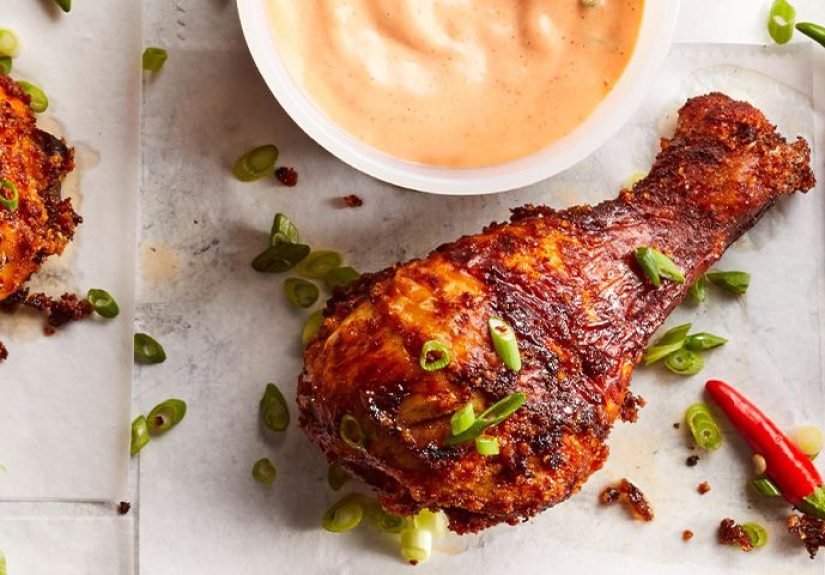
Chicken breasts are lean, quick-cooking, and great for skillet dishes, sandwiches, salads, and cutlets. The catch? They can turn dry faster than a group chat after somebody says, “Let’s split the bill evenly.” Chicken thighs are more forgiving, stay juicy, and love roasting, grilling, braising, and strong seasonings. Drumsticks and wings are perfect when you want crispy skin and casual comfort. Whole chickens are ideal for roasting and meal prep because one bird can become dinner, soup, sandwiches, and stock-adjacent kitchen optimism.
2. Season Earlier Than You Think
One of the biggest upgrades for chicken recipes is simple: salt the chicken before cooking, not at the last possible second. Even a short advance seasoning window helps. For larger pieces or a whole bird, seasoning earlier gives the meat more flavor and helps the surface dry slightly, which improves browning. Add black pepper, garlic powder, paprika, dried herbs, lemon zest, or a spice blend if you want more personality.
3. Brining and Marinating Are Not the Same Thing
A quick brine is a useful trick for lean cuts like chicken breasts because it helps them hold onto moisture. Marinades add flavor, and depending on the ingredients, they can also affect texture. Yogurt-based marinades are especially good when you want tender chicken with plenty of flavor and a little insurance against dryness. Just remember: marinate in the refrigerator, not on the counter, and never reuse raw marinade unless it has been boiled first.
4. A Thermometer Is Your Best Friend
If you are still poking chicken and saying, “Yeah, that feels done,” dinner deserves better. The safest and most reliable move is to use an instant-read thermometer. Chicken should reach 165°F in the thickest part. That one habit alone can improve your results dramatically, because chicken is usually ruined by fear-based overcooking, not under-seasoning.
5. Respect Food Safety
Raw chicken is not the place to get adventurous. Thaw it in the refrigerator, in cold water, or in the microwave if you are cooking it immediately afterward. Use separate surfaces for raw chicken and produce. Wash hands, avoid cross-contamination, and move cooked chicken to a clean plate rather than the one that held it raw. Leftovers should be cooled and refrigerated promptly in shallow containers. Tasty chicken is great. Safe tasty chicken is even better.
Chicken Recipes Worth Putting on Repeat
Lemon Garlic Skillet Chicken
This is the kind of dinner that makes people think you tried harder than you did. Sear seasoned chicken breasts or thighs in a hot skillet until golden, then build a quick pan sauce with garlic, lemon juice, broth, and a little butter. Add shallots if you want extra depth. Serve it with rice, mashed potatoes, or bread for maximum sauce-scooping efficiency. It tastes bright, savory, and restaurant-adjacent without requiring a culinary degree.
Crispy Roasted Chicken Thighs
If you want reliable, juicy chicken with minimal babysitting, thighs are the overachievers of the poultry aisle. Season them generously, roast them in a hot oven, and let the skin crisp up while the meat stays tender. Pair them with carrots, onions, potatoes, or Brussels sprouts on the same pan and you have a full dinner with relatively low cleanup and very high satisfaction.
Classic Roast Chicken
A whole roast chicken never really goes out of style because it solves several problems at once: dinner, leftovers, and the feeling that your kitchen briefly became a cozy magazine spread. Rub the bird with salt, pepper, butter or oil, and whatever herbs you love. Tuck lemon or garlic into the cavity if that is your thing. Roast until the skin is deeply golden and the meat is done, then let it rest before carving. Use the leftover meat for salads, sandwiches, soup, tacos, or the noble tradition of standing at the fridge eating “just one more bite.”
Sheet-Pan Chicken and Vegetables
For busy nights, sheet-pan chicken is almost suspiciously helpful. Arrange chicken pieces with chopped vegetables, oil, salt, pepper, and a seasoning blend, then roast everything together. The vegetables absorb the juices, the chicken browns, and you only have one pan to clean. Popular combinations include chicken with broccoli and red onion, thighs with sweet potatoes and Brussels sprouts, or breasts with green beans and baby potatoes. This is the dinner equivalent of getting your life together for 40 minutes.
Grilled Chicken with a Two-Zone Setup
Grilled chicken is easy to love and surprisingly easy to mess up if the heat is too aggressive from start to finish. A two-zone grill setup helps: use one side for higher heat to brown the outside and the cooler side to finish cooking more gently. Brined or marinated chicken breasts work beautifully here, and thighs become deeply flavorful with charred edges. Finish with a squeeze of lemon, a spoon of herb sauce, or a brush of barbecue glaze.
Chicken Stir-Fry
When dinner needs to happen fast, stir-fry is the practical hero. Slice chicken into even pieces, cook it quickly over high heat, then toss it with vegetables and a sauce that leans on soy sauce, garlic, ginger, and something slightly sweet. Broccoli, bell peppers, snap peas, mushrooms, and carrots all work well. Serve it over rice or noodles. The beauty of stir-fry is that it rewards what you already have in the fridge instead of punishing you for not shopping like a meal-prep influencer.
Baked Barbecue Chicken
Not every good barbecue-flavored dinner needs a backyard grill and a weather forecast. Baked barbecue chicken delivers sticky, smoky comfort with far less effort. Start with seasoned chicken pieces, roast until nearly cooked through, then brush on barbecue sauce toward the end so it caramelizes without burning. It is great with coleslaw, cornbread, roasted potatoes, or mac and cheese if you are in the mood to make dinner feel like a small celebration.
Creamy Mushroom or Mustard Chicken
These skillet chicken dinners are weeknight comfort in a respectable outfit. Brown the chicken first, then build a sauce with shallots, garlic, broth, mustard, cream, mushrooms, or a combination of the above. The sauce should coat the chicken instead of drowning it. Serve over pasta, rice, or mashed potatoes. It feels rich, cozy, and deeply satisfying without requiring an all-afternoon commitment.
Chicken Soup and Brothy Bowls
Chicken soup remains undefeated when you want something warm, simple, and restorative. Start with sautéed onion, carrot, and celery, add broth, cooked chicken, and noodles or rice, then finish with herbs. For more flavor, shredded roast chicken works beautifully. Brothy chicken bowls also adapt easily to global flavors, whether you want ginger and scallions, lemon and dill, or a tomato-rich base with beans and greens.
Shredded Chicken for Meal Prep
One of the smartest chicken recipes is not really a single recipe at all. It is a batch of well-seasoned shredded chicken you can turn into tacos, sandwiches, grain bowls, wraps, salads, enchiladas, or baked casseroles. Slow-cooked, poached, or roasted chicken all work. Add salsa for a Tex-Mex direction, herbs and lemon for a lighter style, or a savory broth base for all-purpose versatility. Future-you will be extremely impressed with past-you.
Common Mistakes That Ruin Chicken Recipes
Overcooking
This is the big one. Most disappointing chicken is simply cooked too long. Breasts suffer the most, but any cut can lose its charm if left to dry out. Use a thermometer and pull the chicken once it reaches the proper temperature.
Skipping Rest Time
Cutting into chicken the second it leaves the pan or oven sends juices rushing onto the cutting board instead of staying in the meat. Let larger pieces rest a few minutes before slicing.
Using Too Little Seasoning
Chicken is versatile, but it is not a miracle worker. It still needs salt and flavor. Even simple recipes benefit from confident seasoning.
Crowding the Pan
If the pan is overcrowded, chicken steams instead of browning. Give it space so it can develop real color and flavor.
Easy Flavor Directions for Chicken Recipes
If you want to break out of a dinner rut, try changing the flavor profile instead of the cooking method. Lemon, garlic, and herbs create a bright classic profile. Honey, mustard, and thyme feel cozy and a little fancy. Paprika, garlic powder, and onion powder offer barbecue energy without going full smokehouse. Soy sauce, ginger, garlic, sesame oil, and scallions move you toward a fast takeout-style meal. Yogurt, cumin, coriander, and chili powder build a deeply savory marinade. Tomato, basil, Parmesan, and mozzarella turn chicken into comfort food with red-sauce charm.
Once you start thinking this way, chicken recipes stop feeling repetitive. The same skillet technique can lead to five different dinners, just by changing the sauce and side dish.
What Real-Life Experience Teaches You About Chicken Recipes
Cooking chicken regularly teaches you something recipe cards rarely say out loud: the best chicken recipes are not always the fanciest ones. They are the ones that fit real life. They survive busy Tuesdays, picky eaters, grocery-budget math, late meetings, forgotten side dishes, and the mysterious universal phenomenon of everybody suddenly being extra hungry at exactly the same time.
Over time, most home cooks build a kind of chicken intuition. You start learning which cut matches your energy level. If you are tired, thighs are your best friend because they forgive small mistakes. If you need something quick and sliceable for sandwiches or salads, chicken breasts are useful, but only if you promise not to cook them into drywall. If you want leftovers that feel generous, roasting a whole chicken becomes less intimidating and more like a life hack in apron form.
You also learn that tiny choices change everything. Drying the surface before searing helps with browning. Salting early makes the flavor better all the way through. Letting chicken rest before slicing keeps it juicy. Cooking vegetables in the same pan makes them taste better because they pick up all the savory drippings. None of these are flashy tricks, but together they transform “fine” into “why is this actually so good?”
Another real-life lesson is that chicken recipes are often memory recipes. The smell of roast chicken can make a kitchen feel calmer. A bubbling pan of barbecue chicken has that unmistakable comfort-food energy. Chicken soup has a way of making dinner feel softer around the edges. Even simple skillet chicken with garlic and lemon can become the meal people ask for again because it showed up on a night when everybody needed something warm and dependable.
And then there is the leftover magic. Great chicken recipes almost always lead to another meal. Tonight’s roast becomes tomorrow’s sandwich. Extra grilled chicken joins a salad. Shredded chicken turns into tacos. The broth from soup becomes the base for another soup because somehow one successful chicken dinner makes you feel like a person who can absolutely handle homemade stock, even if you are still eating cereal directly from the box at 10 p.m.
Most importantly, experience teaches you that confidence matters more than complexity. You do not need twenty ingredients and a dramatic soundtrack to make memorable chicken. You need decent technique, enough seasoning, the right temperature, and the willingness to repeat what works. That is how chicken recipes become household favorites. Not by being perfect, but by being dependable, flavorful, and adaptable enough to meet people where they are.
So yes, chicken can be humble. But humble is underrated. Humble is what feeds people well. Humble is what gets dinner on the table. Humble is what turns one pan, one protein, and a handful of pantry staples into something everybody actually wants to eat. That is why chicken recipes continue to earn their place in the weekly rotation. They are not just practical. When done right, they are deeply satisfying, endlessly customizable, and quietly brilliant.
Conclusion
The best chicken recipes are not about chasing perfection. They are about understanding a few core techniques, choosing the right cut, seasoning with confidence, cooking to the right temperature, and pairing chicken with flavors that keep dinner interesting. Whether you love a crisp roast, a quick stir-fry, a creamy skillet sauce, or a pan of sticky baked barbecue chicken, there is always room to make chicken feel fresh again. Master the basics once, and you will have enough dinner options to carry you through weeknights, weekends, leftovers, and every hungry moment in between.