Table of Contents >> Show >> Hide
- Why PIN safety matters more than people think
- Way #1: Keep your PIN secret, strong, and painfully unguessable
- Way #2: Be choosy about where, when, and how you use your debit card
- Way #3: Use your bank’s security tools before you need them
- Common mistakes that put debit card PINs at risk
- What to do if you think someone knows your PIN
- The bottom line
- Extended experiences: how PIN mistakes happen in real life
Your debit card PIN is four-ish tiny digits with shockingly large main-character energy. Treat it casually, and it can open the door to drained accounts, awkward bank calls, and a very unplanned lesson in modern fraud. Treat it well, and it becomes one of the simplest tools you have for protecting your money.
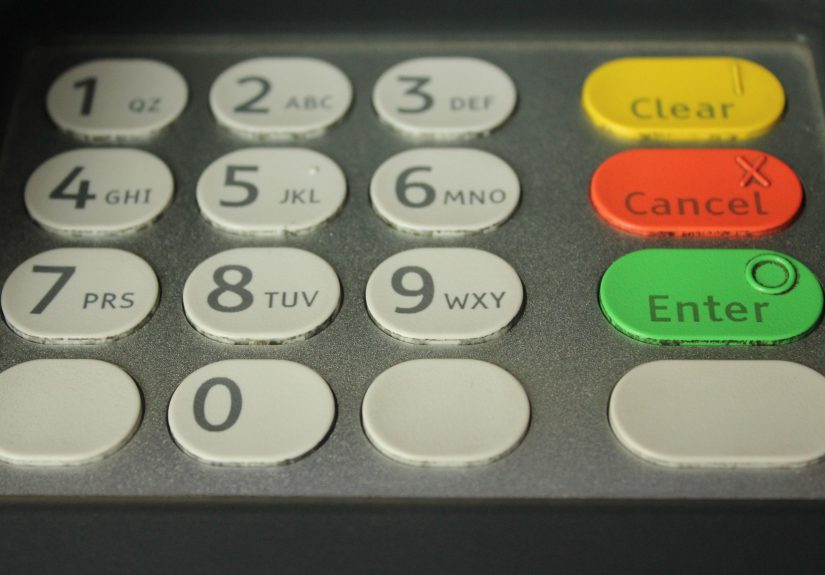
Before we go any further, here’s one important clarification: your debit card number and your PIN are not the same thing. The debit card number is printed on the card and used for purchases. Your PIN, or personal identification number, is the secret code used at ATMs and many point-of-sale terminals. Both deserve protection, but your PIN should be treated like a vault code, not a fun fact.
If you want the short version, here it is: keep the PIN private, be picky about where you use it, and turn your bank’s security tools into your digital bodyguards. Those are the three big moves. Everything else is detail, and detail is where thieves love to hide.
Why PIN safety matters more than people think
When criminals get access to a debit card and the PIN, the damage can move fast. Unlike some credit card disputes, debit card fraud can affect actual money sitting in your bank account. That means groceries, rent, coffee, and all the other annoyingly important parts of life may be caught in the crossfire while you sort things out.
PIN theft also doesn’t always look dramatic. It can happen through ATM skimming, shoulder surfing, fake keypads, phishing texts, spoofed phone calls, or simple carelessness like writing the code on a note tucked inside a wallet. Fraudsters do not need a movie plot. Sometimes they just need a distracted person and ten seconds.
That is exactly why the smartest strategy is not paranoia. It is prevention. A few boring habits now can save you a truly thrilling nightmare later.
Way #1: Keep your PIN secret, strong, and painfully unguessable
The first and most important rule is also the least glamorous: never share your PIN. Not with a partner, not with a friend, not with someone claiming to be from your bank, and definitely not with a “fraud specialist” who texts you out of nowhere with urgent punctuation and terrible grammar.
Your bank may ask you to verify certain information, but a legitimate institution should not need you to reveal your PIN in a text, email, or random phone call. If someone asks for it, that is not customer service. That is a thief in business-casual clothing.
Do not write your PIN on the card or keep it in your wallet
This sounds obvious, yet it still happens all the time. People hide the PIN in a notes app, on a scrap of paper, in a phone case, or on the back of the card like they are leaving themselves a helpful little treasure map. Helpful to whom? Mostly the person who steals the card.
If you need to remember your code, memorize it. If memorizing numbers is not your strong suit, create a number that is meaningful to you without being based on obvious personal details. Your birthday, address, phone number, anniversary, or the classic masterpiece “1234” are not secure. They are invitations.
Choose a PIN that is not easy to guess
A strong PIN is simple to remember but hard for someone else to predict. Avoid repeating digits like 1111, sequences like 4321, or anything tied to information someone could find on your social media profile in under thirty seconds. A thief should not be able to guess your code using your dog’s birthday and a little optimism.
It is also smart to avoid reusing the same PIN across multiple cards. If one card is compromised, you do not want the others falling like dominoes. A separate PIN for separate cards adds friction for criminals, and friction is your friend.
Shield the keypad every single time
Even a good PIN becomes a bad one if someone watches you type it. Always cover the keypad with your hand or body when entering your code at an ATM, gas station, grocery store, or payment terminal. Yes, even if you feel dramatic doing it. Especially then.
Shoulder surfing is one of the oldest tricks in the book because it still works. People glance, memorize, and move on. Your job is to make that impossible. Think of yourself as a low-budget magician performing the disappearing PIN act.
Way #2: Be choosy about where, when, and how you use your debit card
PIN safety is not just about the code itself. It is also about the machines and situations where you enter it. Some payment locations are more vulnerable to tampering, and criminals know exactly where distracted people tend to rush through transactions.
Inspect ATMs and card readers before using them
Skimming devices are designed to steal card data, and some criminals pair them with hidden cameras or fake keypads to capture PIN entries. That means a machine can look normal at first glance while quietly behaving like a pickpocket with a power supply.
Before inserting your card, take a quick look. Does the card slot seem loose, bulky, crooked, or different from the rest of the machine? Is the keypad thicker than usual? Does anything wiggle when you touch it? If so, stop. Find another machine and report the suspicious one to the bank, store, or station staff.
This does not require a forensic science degree. You are just looking for signs that something feels off. If the reader looks like it was assembled by a raccoon with a glue gun, trust your instincts.
Use bank-owned ATMs when possible
Standalone ATMs in dim corners, convenience stores, bars, or random side streets may be convenient, but convenience is not always the same as safety. Machines operated by your bank or located in well-monitored bank branches are often a smarter choice because they may receive more oversight and maintenance.
If you need cash, use a machine in a well-lit, visible area. If people are standing too close, hovering, or behaving strangely, leave. Your cash can wait three minutes. Your account balance should not have to.
At gas pumps, avoid entering your PIN if you can
Gas pumps are a well-known target for skimmers. If the option is available, using your debit card as credit can help you avoid entering the PIN on a potentially compromised keypad. That does not eliminate every risk, but it can reduce the chance of exposing the code itself.
The same logic applies to other unattended payment terminals. The fewer times you enter your PIN on unfamiliar machines, the fewer chances criminals have to capture it.
Prefer chip and contactless payments when available
Modern payment methods can add layers of protection compared with old-school swiping. Using the chip or tap-to-pay feature may lower some fraud risks, especially for everyday purchases where a PIN is not required. It also helps you avoid exposing the code in crowded spaces where people are inches away pretending not to look.
Whenever possible, keep your card in sight during transactions. If a merchant walks away with it, ask politely for the terminal to be brought to you. That may feel slightly awkward, but it is far less awkward than discovering your card details took an unscheduled vacation.
Do not manage sensitive card activity on sketchy networks
Your PIN is mostly an in-person concern, but your debit card security is bigger than one number. If you are checking account activity, changing settings, or responding to a suspicious transaction alert, avoid public computers and unsecured public Wi-Fi. Use your bank’s app, your home network, or your cellular connection instead.
That one free coffee-shop network with the charming name “PrettySureThisIsWiFi” is not where you want to handle financial security.
Way #3: Use your bank’s security tools before you need them
A lot of people wait until something goes wrong to explore their bank’s fraud settings. That is like learning where the fire extinguisher is after the toast has already become a small indoor weather event. Set up protection early.
Turn on account and transaction alerts
Most banks and credit unions let you receive notifications for card purchases, ATM withdrawals, international activity, or transactions over a set dollar amount. Enable them.
These alerts can help you catch suspicious activity quickly, which matters because speed often affects how much damage fraud can do. The faster you see the problem, the faster you can lock the card, call the bank, and stop the mess from spreading.
Use card lock features if your bank offers them
Many institutions now let you temporarily lock or unlock a debit card through online banking or a mobile app. That is incredibly useful if your card has slipped between couch cushions, disappeared into a mystery jacket pocket, or gone missing during travel.
Locking the card buys you time. It turns a frantic search into a controlled situation. And if the card really is gone, you can move on to reporting it stolen and requesting a replacement without leaving the door wide open.
Monitor your account regularly
Alerts are great, but they are not permission to stop looking. Review your checking account and debit card transactions often. Small test charges, unfamiliar merchants, duplicate purchases, or ATM withdrawals you do not recognize can all be early signs of fraud.
Think of this as financial flossing. Nobody throws a party for it, but it prevents bigger problems.
Report problems immediately
If your card is lost, stolen, skimmed, or used without permission, contact your bank or credit union right away using a trusted phone number or official app. Do not rely on a phone number from a suspicious text or email. Go directly to your bank’s website or the back of your card if you still have it.
If you believe your PIN has been exposed, ask to change it or replace the card. Move fast. The longer you wait, the more opportunity fraudsters may have to use the information, and the harder the cleanup can become.
Common mistakes that put debit card PINs at risk
- Using a birthday, address, or simple number pattern as the PIN
- Writing the PIN on the card or keeping it in the same wallet
- Entering the PIN without covering the keypad
- Using suspicious or poorly maintained ATMs and gas pumps
- Trusting callers, texts, or emails that ask for card details or your code
- Ignoring small unauthorized transactions because they “are only a few dollars”
- Waiting too long to report a missing card or suspicious activity
Each mistake seems tiny on its own. Together, they create the exact environment fraudsters want: easy access, slow detection, and a customer who assumes nothing bad will happen until it already has.
What to do if you think someone knows your PIN
If you suspect your PIN has been seen, stolen, or recorded, do not wait for proof. Take action immediately.
- Lock the debit card if your bank offers that feature.
- Call your bank or credit union using an official number.
- Change your PIN or request a new card, depending on what the bank recommends.
- Review recent transactions for unauthorized withdrawals or purchases.
- Turn on alerts if you have not already done so.
- Continue monitoring the account closely for the next several weeks.
Fraud prevention is one of those rare areas of life where being a little overcautious is actually attractive.
The bottom line
If you remember nothing else, remember this: your debit card PIN should be private, unpredictable, and used only when necessary. Protect it at the keypad, protect it from scammers, and protect it with the tools your bank already gives you.
The three best ways to keep your debit card PIN safe are not complicated:
- Keep it secret and hard to guess.
- Be selective about where you enter it.
- Use alerts, card locks, and fast reporting to catch problems early.
That is not flashy advice. It will not trend. But it can keep your money where it belongs, which is much more satisfying than starring in your own personal fraud documentary.
Extended experiences: how PIN mistakes happen in real life
One of the reasons debit card PIN safety is so important is that problems usually begin during very ordinary moments. A person stops for gas on the way to work, enters the PIN quickly because they are late, and never notices the card reader was slightly loose. A few hours later, there is an unfamiliar withdrawal across town. The machine did not look dramatic. There were no alarms, no suspicious soundtrack, and no villain twirling a mustache. It was just a normal errand that turned expensive.
Another common experience happens at grocery stores or busy checkout counters. Someone is unloading a cart, grabbing their phone, answering a child’s question, and entering the PIN at the same time. Meanwhile, another customer is standing a little too close. Maybe that person is harmless. Maybe not. The problem is that distracted people often enter their code without shielding the keypad, which turns a private number into public theater. It only takes one clear glance for someone to remember four digits.
Travel creates another layer of risk. People rely more heavily on unfamiliar ATMs, ticket kiosks, and unattended terminals when they are in a hurry and out of routine. They may use the same easy-to-remember PIN on multiple cards, store the number in their phone for convenience, or ignore a fraud alert because they assume the bank is confused by the travel activity. In reality, travel is often when staying alert matters most. A missing card or exposed PIN in another city can quickly become a vacation souvenir nobody wants.
There are also quieter experiences that do not involve skimmers at all. Sometimes the danger comes from a text message that says your card was blocked and you need to “confirm your identity immediately.” The message looks official, the logo seems real, and the wording creates just enough panic to make someone act before thinking. They call the number, answer a few questions, and suddenly the scammer has enough information to take over the account. The victim later says the same thing many people say: “I was tired, I was busy, and it looked legitimate.” That is exactly why these scams work.
On the brighter side, people who use alerts and card-lock features often have a very different experience. They get a notification for a strange purchase, lock the card in seconds, call the bank through the official app, and stop the problem before it grows. It is still annoying, of course, but it becomes a manageable inconvenience instead of a full financial disaster. In many cases, the difference is not luck. It is preparation.
What these experiences have in common is simple: card fraud usually starts in everyday life, not in obviously dangerous situations. That is why the best defense is a set of everyday habits. Cover the keypad. Inspect the machine. Ignore unsolicited requests for your PIN. Use alerts. Act fast. The goal is not to live in fear of every checkout terminal on earth. The goal is to make yourself a much harder target than the person who uses 1234 and types it in plain view under a security camera the size of a blueberry.
Note: This article is for general informational purposes and is based on current U.S. consumer and banking security guidance. Policies, card features, and fraud tools can vary by financial institution.