Table of Contents >> Show >> Hide
- The Golden Rules of Wine and Chocolate Pairing
- Start With the Chocolate, Not the Wine
- Best Wine Styles for Chocolate
- What Usually Does Not Work
- A Practical Chocolate and Wine Pairing Guide
- How to Host a Wine and Chocolate Tasting at Home
- How to Think Like a Pro When Pairing Wine With Chocolate
- Real-World Experiences: What Pairing Wine With Chocolate Actually Feels Like
- Conclusion
Wine and chocolate sound like the kind of power couple that should own a vacation home and give flawless dinner parties. In reality, they can be a little dramatic together. Chocolate is rich, sweet, bitter, creamy, and sometimes nutty, fruity, spicy, or salty all at once. Wine, meanwhile, can be dry, acidic, tannic, floral, jammy, bubbly, or sweet enough to make dessert blush. Put the wrong bottle with the wrong bar, and the whole thing can taste oddly sour, bitter, or flat. Put the right ones together, though, and suddenly you look like the kind of person who says things like “I’m picking up dried cherry and orange peel” without laughing.
If you want to know how to pair wine with chocolate without turning your kitchen into a chemistry lab, the good news is that you only need a few smart rules. Once you understand sweetness, cocoa level, texture, and wine style, the mystery disappears. What remains is the fun part: tasting your way through dark chocolate, milk chocolate, white chocolate, truffles, sea salt bars, fruit-filled bonbons, and a lineup of wines that range from sparkling rosé to Port. Tough assignment, but someone has to do it.
The Golden Rules of Wine and Chocolate Pairing
Before getting into specific bottles, start with the basics. These simple rules make wine and chocolate pairing much easier and help you avoid the classic mistake of pouring a bone-dry red next to a very sweet dessert and wondering why everything suddenly tastes grumpy.
1. Make sure the wine is at least as sweet as the chocolate
This is the biggest rule of all. If the chocolate is sweeter than the wine, the wine can taste harsh, thin, or bitter. That is why dessert wines, fortified wines, and fruit-forward bottles often perform better than very dry wines. When in doubt, lean slightly sweeter rather than slightly drier.
2. Match intensity with intensity
Delicate white chocolate can get bulldozed by a heavy, tannic red. On the other hand, an intense 70% dark chocolate bar can make a light white wine disappear faster than a dessert tray at an office party. Rich chocolate wants a wine with enough body and flavor to keep up.
3. Think about contrast as well as similarity
Some pairings work because flavors echo each other. Dark chocolate and Port share notes of berry, spice, raisin, and cocoa. Others work because they balance one another. Sparkling wine can cut through creamy chocolate, and bright acidity can keep rich desserts from feeling heavy. Pairing is not just “match dark with dark.” It is “match intelligently.”
Start With the Chocolate, Not the Wine
Many people begin with the bottle, but chocolate is the bossy one in this relationship. Start by identifying what kind of chocolate you are serving. Cocoa percentage matters, but so do texture and add-ins. A silky truffle behaves differently from a crunchy toffee bark. A plain milk chocolate square is not the same thing as a caramel-filled chocolate with sea salt. The more precise you are about the chocolate, the better the pairing gets.
White Chocolate
White chocolate is sweet, buttery, and creamy, with vanilla notes and no cocoa solids. That means it does not bring the bitterness or tannin-like grip of dark chocolate. It tends to pair best with wines that are aromatic, refreshing, and a little playful. Moscato, late-harvest Riesling, sparkling rosé, and even some sweeter styles of Champagne or other sparkling wine can work beautifully. The goal is to complement the creamy sweetness without making the whole pairing feel like frosting wrestling with whipped cream.
Milk Chocolate
Milk chocolate is the crowd-pleaser. It is softer, sweeter, and creamier than dark chocolate, which makes it one of the easiest chocolates to pair. It can handle fruit-forward reds with soft tannins, such as Pinot Noir or Merlot, and it also loves sweeter whites and sparkling wines. If you are hosting a tasting for people who say, “I’m not really into wine, but I do like chocolate,” milk chocolate is your diplomatic starting point.
Dark Chocolate
Dark chocolate is where things get serious. The higher the cocoa percentage, the more bitterness, roastiness, and intensity you are dealing with. Rich dark bars and flourless chocolate desserts tend to pair best with wines that have real concentration: Ruby Port, Tawny Port, Banyuls-style wines, Madeira, Zinfandel, Syrah, and some lush late-harvest reds. This is the category where a wine that feels too sweet on its own suddenly makes complete sense.
Chocolate With Extras
Once chocolate starts bringing friends, you need to factor them in. Nuts, caramel, fruit, chili, citrus, and sea salt can all change the ideal pairing.
- Caramel or toffee: Try Tawny Port, Madeira, or a rich late-harvest white.
- Raspberry or cherry filling: Reach for Brachetto, Lambrusco, Port, or a juicy Pinot Noir.
- Orange-infused chocolate: Try sparkling rosé, Madeira, or a floral Riesling.
- Sea salt dark chocolate: Choose a fruit-forward red or a fortified wine with enough sweetness to smooth the edges.
- Chili chocolate: Pick a wine with ripe fruit and modest tannin, such as Zinfandel or an off-dry red.
- Nutty praline or hazelnut chocolate: Go with Tawny Port, Madeira, or a mature dessert wine with nutty notes.
Best Wine Styles for Chocolate
If you want the fastest route to success, these are the wine styles most likely to make you look brilliant.
Port: The Classic Move
If wine and chocolate had a greatest-hits album, Port would be track one. Ruby Port is rich, fruity, and sweet enough for dark chocolate, brownies, and truffles. Tawny Port brings caramel, dried fruit, and nutty flavors that work especially well with chocolate desserts that include toffee, hazelnut, pecans, or espresso. If you are only buying one bottle for a chocolate-focused evening, Port is the safest bet.
Madeira: The Secret Weapon
Madeira is not always the first wine people think of, which is a shame because it can be fantastic with chocolate. It offers sweetness, acidity, and deep notes of nuts, citrus peel, caramel, and dried fruit. Those flavors can make dark chocolate seem brighter and more layered rather than just bitter and dense. If you enjoy pairings that feel a little more elegant and less obvious, Madeira deserves a place on your table.
Riesling and Moscato: Sweet, Bright, and Surprisingly Useful
Do not underestimate the charm of aromatic whites. Off-dry or late-harvest Riesling can be excellent with milk chocolate, white chocolate, and fruit-filled bonbons because it brings floral notes and balancing acidity. Moscato works beautifully with sweeter, lighter chocolates and can turn a casual dessert into something that feels festive without demanding a lot of thought. Sometimes that is exactly what we need.
Sparkling Rosé and Other Bubbles
Chocolate can coat the palate, and bubbles are great at clearing the runway. Sparkling rosé is especially versatile because it offers fruit, freshness, and texture. It works well with strawberry-dipped chocolate, white chocolate, milk chocolate truffles, and chocolate with red berry notes. Dry sparkling wine can be tricky with very sweet chocolate, but when the chocolate is less sugary or includes fruit and cream, the pairing can sing.
Pinot Noir, Merlot, and Other Softer Reds
Dry red wine with chocolate is where people either strike gold or create regret. The safer dry reds are softer, rounder, and more fruit-forward styles with moderate tannin. Pinot Noir can work with milk chocolate, red velvet-style desserts, or chocolate desserts that include berries. Merlot can pair nicely with milk chocolate and caramel notes. These wines are best when the chocolate is not too bitter and not too sweet.
Zinfandel, Syrah, and Big Reds With Ripe Fruit
Bold reds can work with dark chocolate, especially when the wine has ripe fruit and a hint of sweetness or jammy richness. Zinfandel is often a smart choice because its fruit and spice can keep up with bittersweet chocolate, chili chocolate, and dense cakes. Syrah can also work when the chocolate includes pepper, smoke, or black fruit flavors. The trick is to avoid excessively drying tannins, which can make both the wine and chocolate taste more bitter than you wanted.
What Usually Does Not Work
Let us save you a few disappointing sips.
- Very dry Cabernet Sauvignon with sweet chocolate: too much tannin, not enough sugar, and suddenly everyone looks confused.
- Delicate Sauvignon Blanc with dark chocolate: the wine can feel sharp and the chocolate can flatten it.
- Ultra-bitter dark chocolate with equally tannic red wine: this creates a bitterness showdown that nobody wins.
- Super-sweet wine with delicate white chocolate: sometimes it just becomes sweetness on top of sweetness with no contrast.
That does not mean these pairings are impossible. It simply means they are harder to pull off and usually require a dessert that includes cream, fruit, pastry, or another bridging flavor. Plain chocolate is less forgiving than a composed dessert.
A Practical Chocolate and Wine Pairing Guide
Here is the easy version you can actually use when shopping.
White Chocolate
Best matches: Moscato, late-harvest Riesling, sparkling rosé, demi-sec sparkling wine.
Milk Chocolate
Best matches: Pinot Noir, Merlot, Riesling, Moscato, rosé sparkling wine.
Dark Chocolate, 55% to 65%
Best matches: Ruby Port, Zinfandel, Syrah, Brachetto, fruit-forward red blends.
Dark Chocolate, 70% and Up
Best matches: Port, Madeira, Banyuls-style wine, late-harvest reds, rich dessert wines.
Chocolate Caramel or Toffee
Best matches: Tawny Port, Madeira, Marsala, aged dessert wines with nutty notes.
Berry-Filled Chocolate
Best matches: Brachetto, sparkling rosé, Lambrusco, Pinot Noir, Ruby Port.
Sea Salt or Nut Chocolate
Best matches: Tawny Port, Zinfandel, Merlot, Madeira.
How to Host a Wine and Chocolate Tasting at Home
You do not need a sommelier pin or a candlelit cellar. You need a few chocolates, a few wines, and a willingness to say, “Well, that one was weird,” and move on.
- Choose three to five chocolates with different cocoa levels and textures.
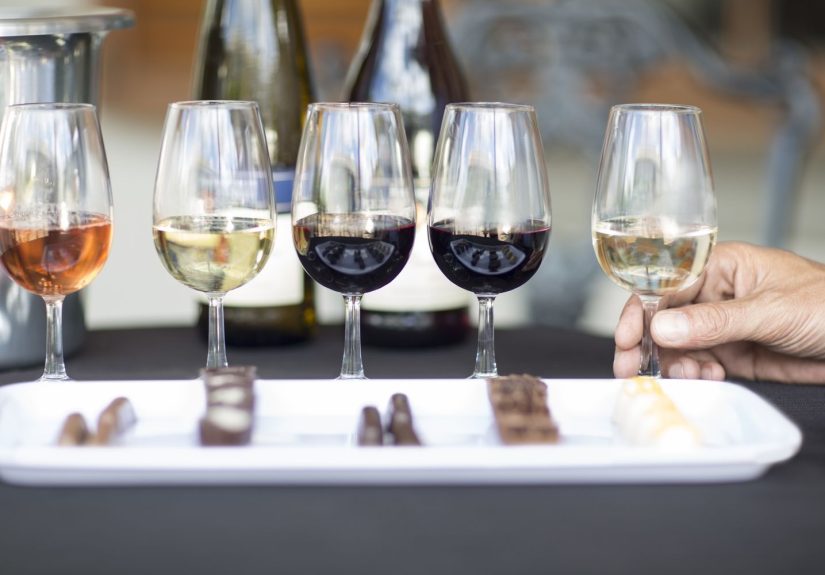
- Choose three wines: one sparkling or aromatic white, one soft red, and one dessert or fortified wine.
- Serve the chocolates from lightest to darkest.
- Taste the wine alone first, then the chocolate, then taste them together.
- Take notes on sweetness, bitterness, texture, and aftertaste.
A simple tasting lineup might look like this:
- White chocolate + Moscato
- Milk chocolate sea salt bar + Pinot Noir
- Dark chocolate truffle + Ruby Port
- Hazelnut praline + Tawny Port
- Orange dark chocolate + Madeira
That lineup gives you contrast, progression, and at least one pairing that makes everybody raise their eyebrows in a good way.
How to Think Like a Pro When Pairing Wine With Chocolate
The smartest tasters do not memorize endless rules. They think in categories. Ask yourself four questions:
- How sweet is the chocolate?
- How intense is the cocoa flavor?
- Is the texture creamy, airy, crunchy, or dense?
- Are there extra flavors like fruit, caramel, nuts, spice, or salt?
Once you answer those, the wine choice becomes much more obvious. Sweet and creamy? Reach for something aromatic or sparkling. Bitter and intense? Bring in Port or Madeira. Fruity filling? Match the fruit notes in the wine. Caramel and nuts? Look for oxidative, nutty, aged dessert wines. It is less about memorizing “the one correct pairing” and more about understanding what each side is doing on the palate.
Real-World Experiences: What Pairing Wine With Chocolate Actually Feels Like
Reading about wine and chocolate pairing is helpful, but the real education begins when you try it. The first experience most people have is a little chaotic. Someone opens a bottle of dry red because that seems romantic, someone tears open a random chocolate bar, and everybody nods politely while privately thinking, “Why does this taste like dusty berries arguing with cocoa powder?” That moment is useful. It teaches you that pairing is not just about what sounds fancy. It is about balance.
Then comes the first successful match, and that is when people become believers. Maybe it is a dark chocolate truffle with Ruby Port. Maybe it is a creamy milk chocolate square with sparkling rosé. Whatever the combination, the effect is memorable because both items suddenly taste more complete together than they did alone. The wine seems rounder. The chocolate seems deeper. The finish lasts longer. It feels less like eating dessert and more like watching two good actors finally share a scene.
One of the best experiences with this topic is hosting a small tasting night at home. You do not need a giant budget or a marble countertop that belongs in a design magazine. A kitchen table, a few glasses, water, some napkins, and labeled pieces of chocolate are enough. People get surprisingly invested. Someone will insist the Riesling with white chocolate tastes like peaches and cream. Someone else will discover that a nutty Tawny Port with caramel chocolate is borderline unfair in how good it is. The conversation becomes half tasting, half detective work, and that is part of the fun.
Another great experience is noticing how personal preference changes the outcome. One person may love the contrast of bubbles with creamy chocolate, while another prefers the plush richness of fortified wine with dark cocoa. That does not mean one person is right and the other is wrong. It means pairing has structure, but it also has personality. The best wine for chocolate is not always the most expensive bottle or the most famous label. Sometimes it is the one that makes you stop mid-bite and say, “Wait, try this one again.”
There is also something genuinely enjoyable about how pairing slows people down. Chocolate is often eaten quickly. Wine is often overthought. Together, they encourage a better pace. You take a sip, then a bite, then another sip. You pay attention. You notice texture, aroma, sweetness, bitterness, fruit, spice, and even silence for a second. In a world where most snacks are inhaled while checking messages, wine and chocolate pairing feels refreshingly old-school. A little luxurious, a little nerdy, and completely worth it.
That is probably the best part of the whole experience. Pairing wine with chocolate is not just about rules. It is about turning a small treat into an event. It makes a weeknight feel dressed up. It gives date night a purpose beyond “What are we streaming?” And it reminds you that food and drink can still surprise you, especially when you stop chasing perfection and start paying attention to what tastes delicious in your own glass and on your own plate.
Conclusion
Learning how to pair wine with chocolate is not about memorizing a hundred bottles or pretending every dessert needs a lecture. It is about understanding a few reliable ideas: keep the wine sweet enough, match the weight of the chocolate, pay attention to texture, and let fillings and flavorings guide the final choice. Start with easy wins like Port with dark chocolate, sparkling rosé with milk chocolate, or Moscato with white chocolate. From there, experiment. The best pairing is the one that makes both the wine and the chocolate taste more alive. And if your first attempt is a little off, congratulations. You are officially doing delicious research.