Table of Contents >> Show >> Hide
- What Electrical Outlets and Switches Actually Do
- Why “How to Wire” Is Really About Safety First
- Understanding Modern Protection: GFCI, AFCI, and Tamper Resistance
- Common Types of Switches and Outlets
- What Usually Goes Wrong When Outlets and Switches Are Wired Poorly
- How Pros Think About Wiring the Right Way
- Older Homes Need Extra Caution
- When You Should Absolutely Call a Licensed Electrician
- How to Make Smart Decisions Before Any Wiring Project
- Real-World Experience: What Homeowners Learn the Hard Way
- Conclusion
Let’s start with the least glamorous but most important truth in home improvement: electricity does not reward confidence, vibes, or “I watched two videos, so I’m basically an electrician now” energy. When people search for how to wire electrical outlets and switches, what they usually want is a practical guide that makes the topic feel less intimidating. Fair enough. But the smartest approach is not to jump straight to twisting conductors and tightening terminals. It is to understand how outlets and switches work, what modern safety devices do, which mistakes cause real trouble, and when the project crosses the line from DIY curiosity into licensed-electrician territory.
This article is a safety-first guide to wiring electrical outlets and switches in the real world. Instead of treating residential wiring like a weekend craft project, it explains the parts, the terminology, the protection devices, the code-aware concepts, and the red flags that matter most. That makes it far more useful for homeowners, landlords, renovators, and anyone who wants to talk to a contractor without feeling like they accidentally showed up to an exam they forgot to study for.
What Electrical Outlets and Switches Actually Do
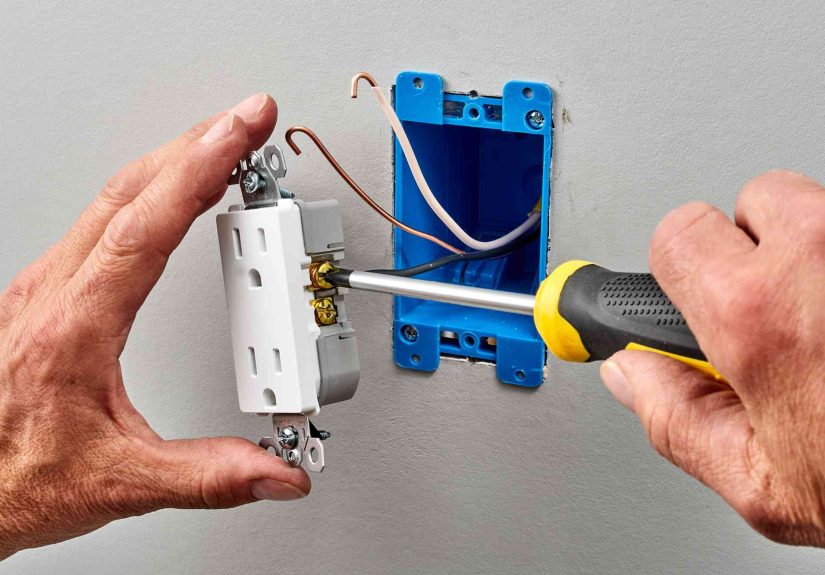
An electrical outlet, also called a receptacle, is the access point that delivers power from a branch circuit to whatever you plug in. A switch does something different: it controls the flow of power to a light, fan, or another load. One feeds. One interrupts. Together, they are the MVP duo of everyday electricity.
In a modern home, these devices are part of a system that includes a breaker panel, branch circuits, cables, boxes, grounding, bonding, and protection devices such as GFCI and AFCI. That matters because outlets and switches are not isolated gadgets. They only work properly when the entire circuit is designed, protected, and installed correctly.
The Basic Pieces You Should Recognize
Even if you are not doing the installation yourself, you should know the vocabulary. A receptacle has terminals, a face, a yoke, and usually a grounding point. A switch has terminals, a grounding screw, and an internal mechanism that opens or closes the circuit. Both devices sit inside an electrical box, which helps contain heat, protect the wiring, and support the device. If someone starts talking about line, load, grounding conductor, box fill, or breaker protection, you should not have to nod politely like they are explaining wine.
Why “How to Wire” Is Really About Safety First
The biggest mistake people make with outlet and switch wiring is assuming the danger begins when sparks appear. In reality, the danger starts much earlier. Loose terminations can create heat. Reversed connections can defeat device function. Misidentified conductors can energize parts that should not be energized. Improper box fill can crowd conductors and raise heat. A device can look perfectly normal on Monday and start behaving like a tiny wall-based campfire on Friday.
That is why safe electrical work always begins with de-energizing the circuit and verifying that power is actually off with proper testing, not just flipping a breaker and hoping for the best. In real homes, mislabeled panels, shared circuits, and previous “creative” repairs are common. Electricity has a long history of being unimpressed by assumptions.
Why Verification Matters
Turning off a breaker is only the first step. Safe practice requires confirming that the circuit is truly de-energized before anyone touches conductors or terminals. That concept shows up again and again in U.S. safety guidance because panels are not always labeled correctly, old homes often contain surprises, and prior work may not meet current standards. In plain English: “I think it’s off” is not a safety plan.
Understanding Modern Protection: GFCI, AFCI, and Tamper Resistance
If you want to understand outlet and switch wiring in a modern American home, you need to know three big ideas: GFCI protection, AFCI protection, and tamper-resistant receptacles. These are not fancy extras. They are core parts of safer residential electrical systems.
GFCI Protection
Ground-fault circuit interrupter protection is designed to reduce shock risk by cutting power when it detects a dangerous fault path. This is especially important in places where water and electricity are more likely to become terrible roommates, such as bathrooms, kitchens, garages, laundry areas, basements, crawl spaces, and outdoor locations. A GFCI receptacle is easy to spot because it usually has TEST and RESET buttons on the front.
Here is the key idea: GFCI protection is about people protection from ground-fault shock hazards. It is not a substitute for every other form of protection in the system, and it does not magically fix bad wiring, overloads, or every possible electrical problem.
AFCI Protection
Arc-fault circuit interrupter protection is aimed at a different problem: dangerous arcing conditions that can lead to fires. Think of AFCI protection as the system watching for electrical behavior that looks wrong in a way that could become hot, destructive, and expensive. Modern dwellings commonly rely on AFCI protection for many branch circuits, and dual-function protection can combine AFCI and GFCI roles in some applications.
Homeowners often confuse GFCI and AFCI because both trip and both sound official. But they are not twins. They are coworkers with different job descriptions.
Tamper-Resistant and Weather-Resistant Devices
Tamper-resistant receptacles include internal shutters designed to help prevent foreign objects from being inserted. In a house with children, that feature is not just nice to have. It is one of those inventions that makes you wonder why humans ever thought “open holes at toddler height” was a winning design. Weather-resistant receptacles are intended for damp or wet locations and are part of the broader outdoor safety picture.
Common Types of Switches and Outlets
Not every switch or outlet is interchangeable, and this is where many DIY plans begin to wobble. A standard single-pole switch is different from a three-way switch. A standard duplex receptacle is different from a GFCI receptacle. A 15-amp receptacle is not the same as a 20-amp configuration. USB-equipped outlets, smart switches, dimmers, and combination devices all bring additional compatibility questions.
Single-Pole vs. Three-Way Switches
A single-pole switch controls a light or device from one location. A three-way switch setup allows control from two locations, such as both ends of a hallway. The wiring logic is different, the terminal arrangement is different, and this is one of the fastest ways for an overconfident project to become a “why does the hall light only work on Thursdays?” situation.
Standard Receptacles vs. Specialty Receptacles
Some receptacles are general-use. Others provide GFCI protection, surge-related features, smart functionality, or USB charging. Specialty devices can be helpful, but they also require matching the device to the circuit, location, and box conditions. Buying the coolest-looking receptacle on the shelf is not the same thing as choosing the correct one.
What Usually Goes Wrong When Outlets and Switches Are Wired Poorly
Bad outlet and switch wiring is not always dramatic. Sometimes it shows up quietly: a plug falls out too easily, a switch feels warm, a breaker trips for no obvious reason, a GFCI will not reset, or the lights flicker when a vacuum cleaner starts up. Those symptoms matter. They can point to loose connections, worn devices, failed protection, miswiring, damaged conductors, or aging components.
Warning Signs You Should Never Ignore
- Burning smell near a switch or outlet
- Warm or hot cover plates
- Buzzing, crackling, or popping sounds
- Discoloration, scorch marks, or melted plastic
- Loose plugs that slip out easily
- A device that sparks repeatedly or trips often
- A GFCI that will not reset
When these signs appear, the right move is not “let me poke at it one more time.” The right move is to stop using the device and have the circuit evaluated by a qualified electrician.
How Pros Think About Wiring the Right Way
Professional electricians do not just connect wires to metal and call it a day. They think in systems. They consider breaker size, conductor size, device rating, box size, grounding continuity, location requirements, environmental exposure, upstream and downstream protection, labeling, testing, and the local code in force. That broader view is exactly why professional work tends to age better and fail less dramatically.
Device Matching Matters
A proper installation is about compatibility. The receptacle rating must match the circuit and application. The box must be large enough for the conductors and device. Outdoor receptacles need appropriate weather protection. Wet and damp areas may require GFCI protection. Many dwelling circuits need AFCI protection. And older homes can introduce grounding and compatibility issues that make a simple swap not so simple.
Testing Is Part of the Job, Not an Optional Encore
Once a device is installed, testing matters. A switch should operate the intended load consistently. A receptacle should be firmly mounted, properly polarized where applicable, and correctly protected. A GFCI should trip and reset as intended. If an installer skips verification, the project is not finished. It is merely disguised as finished.
Older Homes Need Extra Caution
Older houses are where electrical confidence goes to get humbled. You may find ungrounded circuits, mixed-era repairs, outdated devices, aluminum branch-circuit conductors in some homes, crowded boxes, or panel labeling that feels like it was written by a cryptic poet. Replacing an outlet or switch in an older home can uncover conditions that are no longer considered safe or practical to leave alone.
That is especially true when converting old two-prong receptacles, upgrading kitchen or bathroom outlets, or adding smart switches that need a neutral conductor in the box. Sometimes the right answer is not a clever workaround. Sometimes the right answer is “this needs a real upgrade.”
When You Should Absolutely Call a Licensed Electrician
There is no shame in calling a professional. In fact, on electrical work, that can be the smartest sentence in the entire project. Hire a licensed electrician when you are adding new circuits, altering panel work, dealing with three-way or multi-location confusion, upgrading older wiring, installing devices in wet locations, troubleshooting recurring trips, dealing with signs of overheating, or touching anything that makes you think, “This seems slightly above my pay grade and possibly above my life expectancy.”
Projects That Are Better Left to a Pro
- New outlet runs or major rerouting of cable
- Panel and breaker changes
- Recurring tripped breakers or nuisance trips
- Uncertain grounding conditions
- Older homes with outdated or mixed wiring methods
- Outdoor, garage, kitchen, bath, or basement upgrades
- Any job that requires permits or inspection in your area
How to Make Smart Decisions Before Any Wiring Project
If your goal is safer, better-functioning outlets and switches, the smartest move is to plan before buying devices. Identify the circuit purpose. Check the location. Determine whether GFCI or AFCI protection applies. Make sure the box, device, and circuit rating make sense together. Read the manufacturer instructions for the exact product. Confirm local code requirements. And if anything is unclear, ask an electrician before the wall becomes a mystery novel.
That planning mindset saves money, frustration, and repeat repairs. It also prevents the classic home-improvement trap of turning a twenty-dollar device replacement into a four-hundred-dollar lesson in electrical humility.
Real-World Experience: What Homeowners Learn the Hard Way
Here is the part nobody tells you when you first get curious about wiring electrical outlets and switches: the technical side is only half the story. The other half is experience. And experience, unfortunately, has a habit of arriving five minutes after someone says, “How hard could it be?”
Many homeowners describe the same pattern. They start with a simple goal, like replacing a worn outlet in a guest room or swapping a dated switch plate in the hallway. The first ten minutes feel easy. The device comes out. The wires are visible. Confidence rises. Then the plot twists. The box is tighter than expected. The conductors are not arranged the way the tutorial image showed. The breaker label says “bedroom,” but somehow half the hall is involved. Suddenly the project becomes less about replacing a device and more about decoding the secret autobiography of everyone who ever touched that wall.
One common lesson is that houses have memory. Every renovation, every quick repair, every “temporary fix” that somehow survived for fifteen years leaves clues behind. A homeowner may expect a neat, modern setup and instead find old paint inside the box, a device installed crookedly, a cable entering from an unexpected direction, or a mix of components from different eras. That does not always mean the system is dangerous, but it does mean assumptions should be packed away and replaced with careful evaluation.
Another big lesson is that professional electricians are often paid for judgment as much as labor. People tend to notice the visible part of the work: removing a device, making connections, testing operation. What they miss is the judgment call happening every minute. Is this box too crowded? Is this device appropriate here? Is the grounding reliable? Is there evidence of overheating? Is this a simple replacement or the symptom of a larger issue? That quiet decision-making is what separates a clean, safe job from a future service call.
Homeowners also learn that a successful electrical project rarely feels dramatic. There is no triumphant movie soundtrack. The outlet sits flat. The switch works normally. The cover plate is aligned. Nothing buzzes, nothing heats up, and nothing smells exciting. In electrical work, boring is beautiful. Boring means the system is doing exactly what it should do and absolutely nothing extra.
Then there is the emotional side of the experience. A lot of people begin these projects to feel more self-reliant, and that is not a bad thing. Understanding your home is empowering. Knowing what a GFCI does, recognizing a warning sign, and being able to describe a wiring issue clearly to a professional can save time and money. But the most valuable experience many homeowners gain is learning where their personal line is. Confidence is useful. Overconfidence is how people end up researching scorch marks at midnight.
The best real-world takeaway is this: learning about outlets and switches is incredibly worthwhile, even if you never install one yourself. You become a better homeowner, a better buyer, a better renovator, and a much better detector of nonsense. You know when a device looks wrong, when a location needs better protection, when an old outlet deserves retirement, and when it is time to stop playing amateur detective and call a licensed electrician. That is not a failure. That is wisdom with better odds.
Conclusion
Knowing how to wire electrical outlets and switches starts with understanding what safe wiring involves, not with pretending every electrical project is a beginner-friendly puzzle. The best outcomes come from respecting the system, using the correct device for the location, understanding modern protections like GFCI and AFCI, spotting warning signs early, and recognizing when the smartest tool in the toolbox is a licensed electrician’s phone number.
In other words, good electrical work is not about bravery. It is about accuracy, protection, and knowing that the wall should never be the most exciting thing in your house.