Table of Contents >> Show >> Hide
- Why Garages Get Messy So Fast
- Step 1: Empty, Edit, and Declutter Like You Mean It
- Step 2: Create Garage Zones That Make Sense
- Step 3: Choose the Right Storage Solutions
- Step 4: Store Items Based on Use, Weight, and Safety
- Step 5: Build a Layout That Works in Real Life
- Common Garage Organization Mistakes to Avoid
- How to Keep Your Garage Organized for Good
- Final Thoughts
- Experience and Lessons From Real Garage Organizing
- SEO Tags
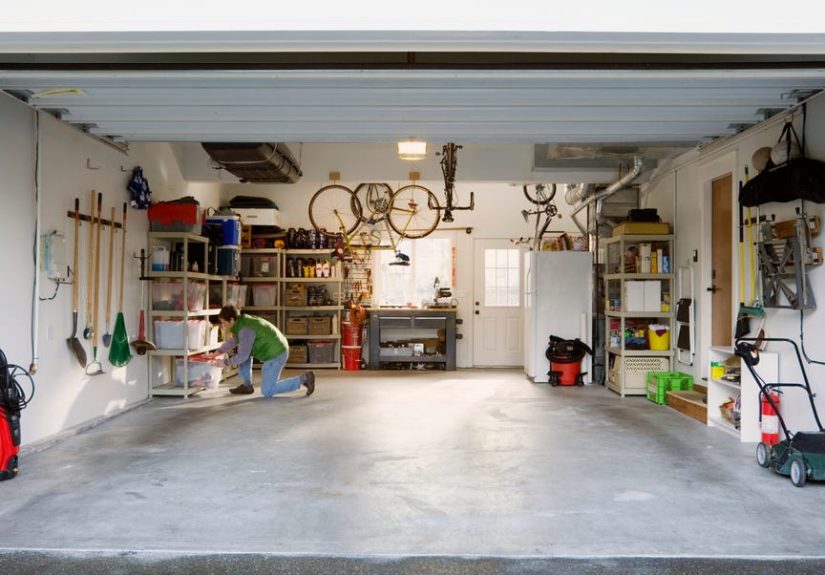
Your garage has potential. Right now, it may look more like a thrift store got into a bar fight with a hardware aisle, but beneath the mystery boxes, rogue extension cords, and holiday decorations from three presidents ago, there is hope. A well-organized garage can store tools, sports gear, lawn equipment, automotive supplies, seasonal décor, and still leave enough room for something truly radical: your car.
The secret is not buying random bins and hoping for a storage miracle. Great garage organization starts with a plan. Once you decide what belongs there, how often you use it, and where it should live, the rest becomes much easier. Smart shelving, wall storage, cabinets, overhead racks, labels, and a few realistic habits can turn chaos into a space that actually works.
This garage storage and organization guide will walk you through the full process: how to declutter, create zones, choose the best storage solutions, avoid common mistakes, and keep the space neat without turning into the kind of person who labels a hammer “hammer.” Though honestly, that might work too.
Why Garages Get Messy So Fast
Garages are the overachievers of the house. They try to be a parking space, workshop, mudroom, sports locker, gardening shed, recycling station, and “temporary” storage area for stuff you swear you’ll deal with later. That “later” usually turns into six years and one broken lamp.
The biggest reason garages become clutter magnets is that they often collect items without a system. Things get dropped wherever there is floor space. Tools are stored with paint cans. Sports gear ends up under the rake. Seasonal décor gets buried behind camping supplies. Before long, the garage is full, but not functional.
The solution is simple in theory and life-changing in practice: reduce what you keep, assign categories, and match each category with the right kind of storage. Once everything has a home, your garage stops feeling like a giant junk drawer with a door.
Step 1: Empty, Edit, and Declutter Like You Mean It
If you want real results, start by pulling everything out. Yes, everything. It is mildly dramatic, but it works. You cannot organize what you cannot see. Once the garage is empty, sweep it out, check for leaks or pests, and take stock of the space itself. This is also the perfect moment to measure your walls, ceiling clearance, corners, and the space needed for parking or walking paths.
Use Four Simple Sorting Categories
As you go through your items, sort them into:
- Keep: Things you use, need, or genuinely want to store there.
- Donate or sell: Good items that no longer earn their square footage.
- Recycle: Broken-down cardboard, scrap metal, e-waste, and recyclable packaging.
- Trash: Items beyond saving, mystery parts from appliances you no longer own, and that cracked bucket you keep “just in case.”
Be especially ruthless with duplicates. You probably do not need four half-empty bottles of weed killer, three rusty trowels, and enough mismatched screws to build a haunted gazebo.
Question Everything That Lives in the Garage
Not every item belongs in a garage. Extreme temperature swings and humidity can damage or shorten the life of certain belongings. Important papers, family photos, electronics, delicate fabrics, unopened pet food, some adhesives, and other climate-sensitive items are usually better stored indoors. If you have something valuable, sentimental, or moisture-sensitive, your garage should not be its forever home.
Decluttering is the part most people want to skip, but it is the reason the rest of the system works. Fewer items mean less shelving, fewer containers, less stress, and more space for what matters.
Step 2: Create Garage Zones That Make Sense
The best garage organization ideas are built around zones. Think of your garage the way a grocery store thinks about aisles. Similar items should live together, and the things you use most often should be the easiest to reach.
Common Garage Zones
- Tool zone: Hand tools, power tools, hardware, chargers, fasteners
- Garden zone: Pots, soil, pruners, gloves, fertilizers, hoses
- Sports zone: Balls, helmets, cleats, pads, bikes, camping gear
- Auto zone: Car-care products, jumper cables, shop towels, emergency kits
- Household overflow zone: Paper goods, bulk items, reusable bags, extra cleaning supplies
- Seasonal zone: Holiday decorations, patio accessories, winter gear, summer toys
Put frequently used zones near the entry door or where you naturally stop. For example, gardening supplies should be close to the door that leads outside. Sports gear should be easy for kids or adults to grab without pulling down three bins and a Christmas wreath. Seasonal storage can go higher up or farther back since you do not need it every day.
If you use your garage as a workshop, create a clear work zone around your bench. Leave elbow room. Your future self will appreciate not soldering next to a tower of beach noodles.
Step 3: Choose the Right Storage Solutions
This is where garage storage gets fun. Or at least as fun as shelving can get. The key is mixing storage types so the garage stays practical. Open storage works well for grab-and-go items. Closed storage hides visual clutter. Wall storage frees the floor. Overhead storage makes use of forgotten space. A strong garage system usually uses all four.
Wall Storage: Your Garage’s Secret Weapon
If the floor is crowded, look up. Wall storage is one of the best ways to organize a garage because it gets bulky, awkward items off the ground. Pegboards, slatwall panels, track systems, rails, and heavy-duty hooks are ideal for tools, extension cords, ladders, folding chairs, garden tools, and bikes.
Pegboard is especially useful for hand tools and smaller accessories because it keeps everything visible. Slatwall systems tend to feel more polished and flexible for a family garage because you can move hooks, baskets, and shelves around as your needs change. Rail systems are excellent for long-handled tools that otherwise slide around like tiny indoor javelins.
When setting up wall storage, group items by purpose. Put yard tools together. Keep car tools together. Hang the most-used items between waist and eye level. Reserve higher hooks for lighter or occasional-use gear.
Shelving: The Workhorse of Garage Organization
Shelving is where most categories come together. Heavy-duty metal shelving is a favorite for garages because it is sturdy, durable, and adjustable. It can handle bins, tool cases, coolers, paint trays, and other mid-to-heavy items without complaining.
Freestanding shelving is great for renters or for anyone who wants flexibility. Wall-mounted shelving is ideal when you want easier floor cleaning and a more built-in look. Adjustable shelving is especially helpful if your storage needs change with the seasons or your hobbies.
A few smart rules make shelving work better:
- Keep heavy items lower for safety and convenience.
- Store lighter bins higher up.
- Use matching containers so shelves stack neatly.
- Leave a little empty space so the system can grow without exploding into chaos again.
Cabinets: Best for Hidden, Secure Storage
Cabinets are perfect when you want a cleaner look or need to secure items away from kids and pets. They work especially well for chemicals, sharp tools, automotive products, paint supplies, and small equipment. Closed cabinets also make a garage look calmer because they reduce visual clutter. It turns out your garage can, in fact, stop screaming at your eyeballs.
Metal cabinets are a popular option for durability. Plastic cabinets can work for lighter loads and resist rust. Mounted cabinets are helpful in damp areas because lifting them off the floor makes cleaning easier and reduces the chance of moisture damage.
Overhead Storage: Best for Rarely Used Items
Overhead garage storage is ideal for seasonal décor, empty coolers, camping bins, and backup household supplies you do not need every week. Ceiling-mounted racks can reclaim a surprising amount of space, especially above the garage door area or over parking zones with adequate clearance.
That said, overhead storage should not become a sky-high junk drawer. Keep only lightweight-to-moderate, infrequently used items up there, and always respect the rack’s weight limit and installation requirements. If grabbing the item requires an acrobatic ladder performance, it probably belongs somewhere lower.
Bins, Labels, and Small-Item Storage
Storage bins are the glue that holds a garage system together. Clear bins make it easier to see contents fast. Opaque bins can still work well if the labels are large, specific, and placed consistently. “Holiday” is okay. “Holiday lights, wreath hooks, extension cords” is better.
Use smaller bins inside larger zones so categories do not blend together. For example, inside the tool zone, separate nails, anchors, drill bits, and safety glasses. Drawer organizers, small parts cabinets, jars, and divided containers are lifesavers for the little stuff that otherwise multiplies overnight like garage gremlins.
Step 4: Store Items Based on Use, Weight, and Safety
Good garage organization is not just about fitting more into the room. It is about placing items where they are easy and safe to use.
Use Frequency Matters
Keep everyday items front and center. That includes frequently used tools, pet cleanup supplies, sports bags, recycling bins, and basic lawn care gear. Weekend-use items can go a bit farther back. Seasonal items belong on higher shelves, in cabinets, or on overhead racks.
Weight Matters
Store heavy items low. This includes toolboxes, bulk liquids, power equipment, and dense storage bins. High shelves should be reserved for lighter items. Your back, your ladder, and your toes all support this policy.
Safety Matters Most
Chemicals, pesticides, oils, solvents, batteries, and other hazardous household products should be stored carefully, in original containers, and away from heat sources when possible. If you keep propane-related items, fuels, or flammable products, follow manufacturer instructions and local safety rules. Keep hazardous materials out of reach of children and pets, and never let leaking containers hang around like they pay rent.
It is also wise to maintain a clear path to exits, electrical panels, and your garage door controls. And if you use a generator, remember that generators and fuel should be used outdoors and well away from attached garages or openings to the home. Safety is not the glamorous part of garage organization, but it is the part that keeps the glamorous part from catching fire.
Step 5: Build a Layout That Works in Real Life
A pretty garage is nice. A garage that works on a Tuesday when you are late, carrying groceries, and looking for a bike pump is even better.
Try this practical layout formula:
- Back wall: Workbench, cabinets, heavy-duty shelving
- Side walls: Slatwall, pegboard, hooks, bikes, folding gear
- High shelves or ceiling: Seasonal bins and rarely used items
- Near entry door: Grab-and-go essentials, shoes, sports gear, cleaning supplies
- Floor area: Kept as open as possible for parking, movement, and larger projects
If multiple people use the garage, create mini-zones by person or activity. One section for each child’s sports gear. One shelf for car care. One bin for dog-walking items. This cuts down on the classic household tradition of shouting, “Who moved my stuff?”
Common Garage Organization Mistakes to Avoid
Buying Storage Before Decluttering
If you buy bins and racks before editing your belongings, you often end up organizing things you should have donated. Declutter first. Shop second.
Using Too Much Floor Storage
Floor-only storage makes a garage feel cramped fast. The more you can move onto walls or shelves, the easier the space is to clean, park in, and navigate.
Labeling Too Vaguely
“Miscellaneous” is not a category. It is a cry for help. Be specific with labels so you can find what you need without opening every bin.
Ignoring Maintenance
Even a great system falls apart if items are tossed back randomly. Your garage needs a simple reset routine, not a yearly meltdown.
How to Keep Your Garage Organized for Good
Once the garage is organized, maintenance should be quick. The goal is not perfection. The goal is keeping it from quietly sliding back into disorder while you are busy living your life.
Use these easy habits:
- Do a five-minute reset once a week.
- Return items to their zones after each project.
- Revisit seasonal bins twice a year.
- Donate or toss anything you have outgrown, replaced, or stopped using.
- Wipe shelves and sweep the floor regularly so the garage stays usable.
If your household is busy, attach a simple rule to the door: Nothing gets dropped on the floor unless it has a scheduled meeting with the floor. Surprisingly effective.
Final Thoughts
Organizing a garage is one of those projects that pays you back every single week. You save time, avoid duplicate purchases, reduce frustration, and make the space more useful for everything from home improvement projects to everyday comings and goings. The best garage storage ideas are not about stuffing more things into the room. They are about making your life easier.
Start with a full declutter. Create zones that match how you live. Use vertical storage, sturdy shelving, closed cabinets, and overhead racks wisely. Label bins clearly. Store heavy items low, frequent-use items within reach, and seasonal items up high. Most importantly, keep only what deserves the real estate.
Do that, and your garage stops being a clutter trap and starts acting like an extension of your home. A hardworking, well-organized, surprisingly satisfying extension of your home.
Experience and Lessons From Real Garage Organizing
One of the most common experiences people have when organizing a garage is realizing that the problem was never the size of the garage. It was the lack of decisions. A two-car garage can feel tiny when everything is stored randomly, while a modest single-car garage can feel shockingly spacious when every category has a dedicated place. That shift usually happens the moment the floor becomes visible again. It is oddly emotional. People expect a storage upgrade and end up with a small personal breakthrough.
Another frequent experience is the “forgotten inventory effect.” Once everything is pulled out, you discover what you already own: duplicate tape measures, seven sets of garden gloves, half-used paint trays, old extension cords, extra bungee cords, and enough reusable shopping bags to open a tiny store. This part can be funny, humbling, and incredibly useful. It prevents future overbuying and helps people organize based on reality instead of memory.
Families often notice that shared garages stay cleaner longer when they create super-obvious systems. A labeled sports section for each child, one basket for car wash supplies, one cabinet for household overflow, and one hook per folding chair can do more than an expensive custom setup if everyone can understand it at a glance. In other words, a garage does not stay organized because it is beautiful. It stays organized because it is easy.
Homeowners who use the garage as a workshop usually learn that visibility matters. When tools are hidden in random drawers, projects take longer and cleanup feels miserable. Once tools are hung on pegboard, sorted in shallow drawers, or grouped by task, the garage becomes more inviting to use. People are more likely to fix, build, paint, or maintain things when they are not spending the first twenty minutes hunting for the screwdriver that somehow migrated behind the fertilizer.
Another real-world lesson is that overhead storage feels magical at first, then humbling later if it is overused. It is fantastic for seasonal bins, but a bad place for anything you need every week. Many people learn this after hauling down a heavy tote just to find one pack of paper lanterns or a single extension cord. The best experience comes from storing only truly occasional items overhead and keeping day-to-day gear below shoulder height.
There is also a strong “maintenance lesson” that shows up after the big makeover. The garage stays organized when the reset is small and frequent. Five minutes after mowing the lawn or ten minutes after a weekend project beats a five-hour rescue mission three months later. The households that succeed long term usually create tiny habits: sweep before dinner on Sunday, return tools after every project, and check the donation pile once a month.
Perhaps the most satisfying experience of all is watching the garage become useful again. People start parking inside, finding tools quickly, grabbing sports gear without stress, and using the workbench instead of piling boxes on it. The garage begins to support daily life instead of interrupting it. That is the real goal of garage organization: not showroom perfection, but a space that works hard, looks better, and stops making you mutter under your breath every time you open the door.