Table of Contents >> Show >> Hide
- Why Persian Cats Need More Grooming Than the Average Cat
- The Best Tools for Persian Cat Grooming
- How to Groom a Persian Cat Step by Step
- Step 1: Choose a calm time
- Step 2: Do a quick coat inspection
- Step 3: Start with your fingers
- Step 4: Comb in layers
- Step 5: Handle mats carefully
- Step 6: Clean the face and eyes
- Step 7: Check the ears
- Step 8: Trim the nails
- Step 9: Bathe your Persian cat when needed
- Step 10: Dry the coat completely
- Step 11: Keep the sanitary area clean
- Step 12: Finish with praise and routine
- How Often Should You Groom a Persian Cat?
- Common Grooming Mistakes Persian Cat Owners Make
- When to Call a Groomer or Veterinarian
- How Grooming Helps More Than Just the Coat
- Real-Life Experiences With Grooming a Persian Cat
- Conclusion
Grooming a Persian cat is a little like maintaining a silk rug that purrs, judges your life choices, and somehow leaves hair on furniture you do not even own. Persian cats are stunning, sweet, and gloriously fluffy, but that luxurious coat does not stay glamorous on good intentions alone. If you want your cat to look elegant instead of slightly haunted by tangles, regular grooming is non-negotiable.
The good news is that Persian cat grooming does not have to feel like preparing for a royal inspection. With the right tools, a steady routine, and the patience of someone diffusing a tiny furry bomb, you can keep your cat’s coat clean, soft, and free of painful mats. You can also help reduce hairballs, keep the face cleaner, and make your cat a lot more comfortable day to day.
This guide breaks down exactly how to groom a Persian cat at home, what tools to use, what mistakes to avoid, and when to stop playing amateur stylist and call a groomer or veterinarian.
Why Persian Cats Need More Grooming Than the Average Cat
Persian cats are not low-maintenance pets wearing fancy coats as a prank. Their long, dense fur tangles easily, especially in friction zones like the armpits, behind the ears, along the belly, and around the hind legs. Because many Persians also have flat faces, they can develop tear staining and need regular face cleaning too.
In other words, a Persian cat is not the breed for the “the cat will handle it” approach. A short-haired cat may be able to get away with less human help. A Persian usually cannot. Daily coat care is one of the biggest parts of responsible Persian cat care, right up there with quality nutrition and regular veterinary visits.
The Best Tools for Persian Cat Grooming
Before you start, build a simple grooming kit. You do not need to buy half a pet store, but you do need the right equipment.
1. A metal comb
A sturdy metal comb is the MVP of Persian cat coat care. A comb with both wide and fine teeth helps you work through the coat and catch hidden tangles close to the skin.
2. A slicker brush
A slicker brush can help lift loose hair and smooth the topcoat, but it should not replace the comb. Persians often hide mats underneath a coat that looks perfectly innocent on the surface.
3. Cat nail trimmers
Keep nails trimmed so grooming sessions do not turn into an action movie. Sharp, cat-specific trimmers are safer and easier to control.
4. Soft cotton pads or a soft cloth
These are useful for gently cleaning the eyes and face, especially if your Persian gets daily tear staining.
5. Cat-safe shampoo
Never use human shampoo. Cats need a formula made for feline skin and coat.
6. Towels and a low-heat dryer
Persian fur holds moisture like it has a grudge. You need towels and, if your cat tolerates it, a pet-safe dryer or human dryer on a cool or low setting.
7. Mat breaker or dematting tool
Only for small tangles and only with care. For severe mats, professional help is the smarter move.
How to Groom a Persian Cat Step by Step
Step 1: Choose a calm time
Do not begin grooming right after your cat has decided the hallway is a racetrack. Pick a quiet time when your Persian is sleepy, relaxed, or open to being handled. A calm cat is easier to groom, and a calm human is less likely to invent new curse words.
Step 2: Do a quick coat inspection
Run your hands gently over the coat before you start combing. Check behind the ears, under the front legs, around the collar area, along the belly, and around the rear. Persian cat matting often starts in these places. Catching tiny tangles early is much easier than battling a felted knot later.
Step 3: Start with your fingers
If you feel a small tangle, separate it gently with your fingers first. This reduces pulling and makes combing less uncomfortable. Think of it as diplomacy before war.
Step 4: Comb in layers
Use the metal comb and work in the direction of hair growth. Start with the chest and shoulders, then move along the sides, back, belly, legs, and tail. Lift sections of fur and comb a layer at a time so you reach the undercoat. This is one of the most important parts of long-haired cat grooming because mats often form underneath the fluffy outer layer.
Be gentle and deliberate. Tugging at knots makes your cat hate grooming, and once a Persian decides grooming is evil, that opinion tends to stick.
Step 5: Handle mats carefully
If you find a small mat, try easing it apart with your fingers and a comb or dematting tool. Do not rip through it. Do not get aggressive. And absolutely do not grab scissors and start freehand sculpting near the skin. Cat skin is thin, mats pull it upward, and accidental cuts happen fast.
If the mat is large, tight, painful, or close to the skin, stop and book a professional groomer or veterinarian. Severe matting is not a “character-building exercise” for either of you.
Step 6: Clean the face and eyes
Many Persians have watery eyes because of their facial structure, so daily face cleaning matters. Use a soft damp cloth or cotton pad to gently wipe away discharge from the corners of the eyes. Use a fresh section for each eye to keep things hygienic.
Regular eye cleaning helps reduce tear stains, prevents crust from building up in the facial folds, and makes your cat more comfortable. If you notice redness, swelling, thick discharge, squinting, or a sudden increase in tearing, talk to your veterinarian instead of trying to solve it with optimism.
Step 7: Check the ears
Look inside the ears for wax, debris, odor, redness, or irritation. If the visible part of the ear needs cleaning, use a cotton ball with a veterinarian-approved ear cleaner. Do not stick cotton swabs down into the ear canal. This is grooming, not archaeology.
Step 8: Trim the nails
Trimming nails every couple of weeks can make handling easier and help prevent scratches. Press gently on the toe to extend the claw and trim only the clear tip. Avoid the pink quick inside the nail. If you are unsure, trim less rather than more. Your cat will not admire bravery here.
Step 9: Bathe your Persian cat when needed
Persian cats often benefit from regular bathing more than many other breeds. A bath every 4 to 6 weeks is a common schedule, though some cats may need one sooner if the coat becomes oily, dirty, or stained. Always comb thoroughly before bathing, because water can tighten tangles and make mats worse.
Use lukewarm water and a cat-safe shampoo. Keep soap out of the eyes, ears, and nose. Rinse extremely well. Any leftover shampoo can make the coat feel greasy or irritate the skin.
Step 10: Dry the coat completely
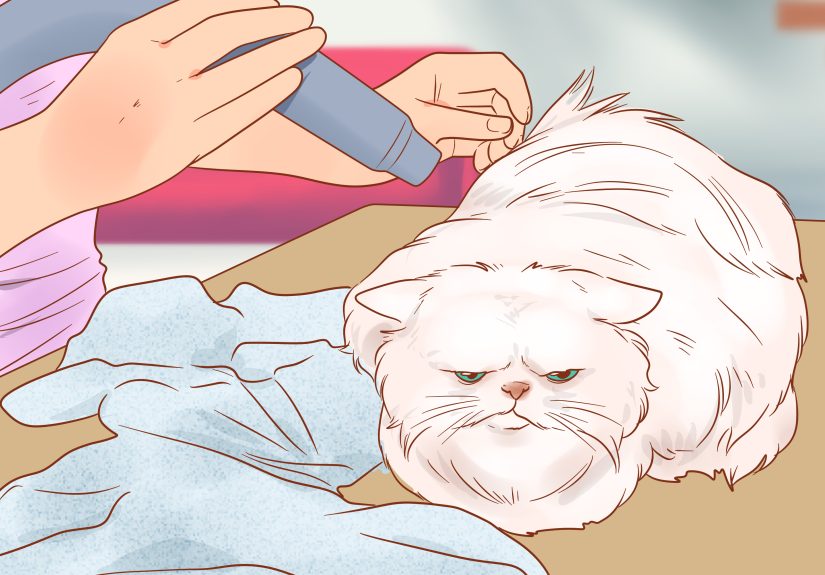
This step matters more than people think. A half-dry Persian can turn into a tangle factory by dinner time. Towel-dry first, then use a cool or low-heat dryer if your cat tolerates it. Comb as you dry to help separate the coat and prevent clumping.
Never use high heat. Your goal is a clean, fluffy cat, not a dramatic lesson in why dryers have settings.
Step 11: Keep the sanitary area clean
Long fur under the tail and around the rear can trap litter or stool. Check this area often and clean it as needed. Some owners ask a groomer for a sanitary trim to keep things tidier, which can be especially helpful for older cats, overweight cats, or cats with digestive issues.
Step 12: Finish with praise and routine
Offer treats, affection, or play after each session. Persian cat grooming goes better when your cat learns that combing is followed by good things instead of existential betrayal. Short, consistent sessions usually work better than rare marathon sessions.
How Often Should You Groom a Persian Cat?
For most Persians, daily grooming is ideal. That does not mean a full spa package every single day. It means a quick daily coat check, a careful comb-through, and face cleaning as needed. Then add regular nail trims, ear checks, and baths on a schedule.
A practical Persian cat grooming routine often looks like this:
- Daily: combing, mat check, eye cleaning
- Every 2 to 4 weeks: nail trim, ear check
- Every 4 to 6 weeks: bath, deep comb-out, sanitary cleanup if needed
The real secret is consistency. Skipping a week with a Persian can feel like skipping six months with some other breeds.
Common Grooming Mistakes Persian Cat Owners Make
Using a brush only
A fluffy topcoat can fool you. The coat may look fine while mats are forming underneath. Always finish with a comb.
Waiting until the cat looks messy
By the time a Persian looks rough, the tangles are often already well established. Preventive grooming is much easier than rescue grooming.
Using scissors on mats
This is one of the biggest mistakes in cat grooming. Tight mats sit close to the skin and can make accidental injury more likely.
Bathing before detangling
Water tightens mats. Always comb first.
Shaving just because it is hot
Many owners assume less fur equals a cooler cat, but that is not automatically true. Brushing and removing mats usually help more than shaving. Full-body shaving should be discussed with a vet or professional groomer, especially for cats with severe matting or special medical needs.
When to Call a Groomer or Veterinarian
Home grooming is great, but not every problem should be handled in your bathroom while your cat plots revenge from the sink. Get professional help if:
- Your Persian has large or painful mats
- Your cat becomes highly stressed or aggressive during grooming
- You notice skin sores, dandruff, bald spots, fleas, or unusual lumps
- The eyes are red, inflamed, or producing thick discharge
- Your cat is older, overweight, arthritic, or unable to groom properly
- Hairballs become frequent or your cat vomits often, seems constipated, or stops eating
Professional groomers can safely clip or remove problem areas, and veterinarians can check whether coat trouble is connected to pain, obesity, allergies, dental disease, or another health issue.
How Grooming Helps More Than Just the Coat
Regular Persian cat grooming is not only about appearances. It also helps reduce swallowed hair, which may lower hairball problems. It gives you a chance to notice skin irritation early. It keeps the sanitary area cleaner. It can even strengthen trust between you and your cat when done gently and consistently.
In other words, grooming is part beauty routine, part health check, and part relationship maintenance. Basically, it is the feline version of skincare, laundry, and quality time rolled into one fluffy package.
Real-Life Experiences With Grooming a Persian Cat
One of the most common experiences Persian cat owners describe is the moment they realize grooming is not an occasional chore but a lifestyle. At first, many people think brushing a Persian will be like brushing any other cat: a few strokes, a little purring, then done. Then they discover a hidden knot in the armpit, a mystery tangle behind the ears, and a tiny fur disaster near the tail, all on the same day. That is usually when the “beautiful cat” phase evolves into the “beautiful cat with a maintenance plan” phase.
Owners also learn quickly that Persians tend to do best when grooming becomes routine rather than drama. Cats that are handled gently and regularly often become far more cooperative over time. The first few sessions may feel awkward, with the cat stiffening up, swatting the comb, or behaving as though you have betrayed the ancient feline code. But after enough calm, predictable sessions, many Persians begin to accept grooming as part of daily life. Some even start to enjoy the attention, especially when the combing is gentle and the rewards are consistent.
Another very real experience is dealing with the face. People often expect to focus only on the coat, but Persian owners soon discover that eye care can become part of the daily routine. Tear staining may show up even when the cat is otherwise healthy, and many owners find that a quick wipe in the morning keeps the face looking cleaner and prevents crust from building up. It is not glamorous work, but then again, neither is cleaning a coffee maker, and both are easier when done regularly.
Bathing is another lesson in humility. Some Persians tolerate baths surprisingly well, especially if introduced early. Others behave as if the water is a personal insult. Owners who succeed usually report the same pattern: prepare everything first, keep the process calm, rinse thoroughly, and dry the coat all the way. The drying step is where many beginners underestimate the process. A Persian that feels mostly dry can still be damp near the skin, and that lingering moisture can turn a soft coat into a tangle project by the next morning.
Many experienced owners also talk about the emotional side of grooming. Daily combing becomes a chance to notice subtle changes: a new sensitivity near the hips, a small lump, irritated skin, more tearing than usual, or a cat that suddenly resists being handled. These observations matter. Grooming can reveal early health clues that might otherwise go unnoticed under all that glorious fluff.
Perhaps the most universal experience is this: grooming a Persian cat gets easier when expectations become realistic. The goal is not to maintain a permanent cat-show finish unless that is your hobby and your Persian has signed the contract. The goal is comfort, cleanliness, healthy skin, fewer mats, and a coat that stays manageable. Once owners stop chasing perfection and start building a practical routine, grooming usually becomes much less stressful for both human and cat.
And yes, there will still be hair on your shirt. Probably on your keyboard too. That is not failure. That is just Persian cat ownership saying hello.
Conclusion
If you want to know how to groom a Persian cat well, the answer is simple: be consistent, be gentle, and do not wait for the coat to become a crisis. Daily combing, regular face cleaning, smart bathing, and early attention to mats make a huge difference. The reward is a healthier coat, a more comfortable cat, fewer hairballs, and a Persian that looks every bit as regal as it believes it is.
Persians are high-maintenance, yes. But they are also affectionate, calm, and spectacular companions. Grooming is part of the deal, and once you learn the rhythm, it becomes less of a battle and more of a routine. A fluffy routine, sure. A slightly dramatic one, absolutely. But still a routine.