Table of Contents >> Show >> Hide
- What Chronic High Blood Pressure Actually Means
- Why It Is So Dangerous: The Damage Starts in Your Blood Vessels
- How Hypertension Hurts the Heart
- How Hypertension Damages the Brain
- How It Harms the Kidneys
- How High Blood Pressure Can Affect the Eyes
- Why It Is Called the “Silent Killer”
- Why One High Reading Is Not the Whole Story
- Who Is More Likely to Develop Chronic High Blood Pressure?
- What Actually Helps Lower the Danger
- When High Blood Pressure Becomes an Emergency
- The Big Reason Chronic High Blood Pressure Is So Dangerous
- Experiences People Commonly Have With Chronic High Blood Pressure
- Conclusion
High blood pressure has a talent for being dramatic and sneaky at the exact same time. It can quietly stress your body for years without sending up fireworks, yet it has the power to damage some of your most important organs like an uninvited contractor with a sledgehammer. That is why chronic high blood pressure, also called hypertension, is often treated as a major health threat even when a person says, “But I feel fine.”
And that is the trap. Chronic high blood pressure usually does not make a big entrance. It does not always come with pain, dizziness, or a neon sign over your head. It often works in silence, gradually straining your blood vessels, overworking your heart, and raising the risk of stroke, kidney disease, vision problems, and more. By the time symptoms appear, the damage may already be well underway.
This is what makes chronic high blood pressure so dangerous: it is not just a “number problem.” It is a whole-body stress problem. Your arteries, heart, brain, kidneys, and eyes all pay the price when pressure stays too high for too long. The good news is that hypertension is measurable, manageable, and often improvable. But first, it helps to understand why it matters so much.
What Chronic High Blood Pressure Actually Means
Blood pressure is the force of blood pushing against the walls of your arteries. Your reading includes two numbers. The top number, systolic pressure, measures the pressure when your heart beats. The bottom number, diastolic pressure, measures the pressure when your heart relaxes between beats.
In adults, blood pressure that stays at or above 130/80 mm Hg is considered high. That may not sound like an earth-shattering number, but hypertension is less about one dramatic reading and more about a pattern. Chronic high blood pressure means the pressure is staying elevated over time, not just bumping up because you sprinted up the stairs, drank a triple espresso, or had a spirited argument with customer support.
That long-term pressure matters because your blood vessels are not designed to be blasted constantly. They are resilient, yes. Indestructible, no. When they deal with excessive force day after day, year after year, they begin to change in ways that increase risk throughout the body.
Why It Is So Dangerous: The Damage Starts in Your Blood Vessels
The simplest way to understand hypertension is this: too much pressure wears things out. Think of a garden hose running at normal pressure versus one cranked up until the sides stay tense. Over time, the stressed hose becomes less flexible and more likely to fail. Your arteries work in a much more sophisticated way, of course, but the basic idea holds up.
When blood pressure remains high, the inner lining of the arteries can become injured. Those damaged areas are more likely to stiffen and narrow. That makes it harder for blood to flow efficiently, and it encourages the buildup of plaque. As the arteries become less elastic, the heart has to pump harder to move blood where it needs to go. This creates a nasty cycle: more pressure leads to more damage, which leads to even more strain.
That is why chronic high blood pressure is not just about the cardiovascular system in a narrow sense. Blood vessels reach everywhere. If the vessels are under stress, the organs they feed are under stress too.
How Hypertension Hurts the Heart
It forces the heart to work overtime
Your heart is a pump, and pumps do not love unnecessary resistance. When your arteries are narrow, stiff, or under constant high pressure, the heart must work harder to push blood forward. Over time, this can thicken the heart muscle, especially the left ventricle. That may sound strong in a superhero-movie way, but it is not a good thing. A thickened heart muscle can become stiff and less efficient.
It raises the risk of heart attack and heart failure
Chronic high blood pressure contributes to coronary artery disease, which happens when the arteries supplying the heart become narrowed. That can reduce oxygen delivery to heart muscle and raise the risk of a heart attack. Hypertension also raises the risk of heart failure, a condition in which the heart cannot pump enough blood to meet the body’s needs. Heart failure does not mean the heart suddenly stops; it means the pump is struggling, and the whole body feels it.
A person may notice fatigue, shortness of breath, swollen legs, or reduced exercise tolerance. Sometimes the change is gradual enough that people just assume they are “out of shape” or “getting older,” when in reality their heart has been carrying a pressure burden for years.
How Hypertension Damages the Brain
It is a major driver of stroke risk
The brain depends on a steady, reliable blood supply. Chronic high blood pressure threatens that supply in two main ways. First, it can help plaque build up and narrow vessels that feed the brain, increasing the risk of an ischemic stroke. Second, it can weaken vessel walls, raising the risk that a blood vessel may leak or burst, which can cause a hemorrhagic stroke.
This is one reason high blood pressure gets taken so seriously in medical settings. Stroke can happen suddenly, but the groundwork is often laid slowly. Years of uncontrolled pressure can quietly weaken the vascular system until one bad day changes everything.
It may affect memory and thinking
Hypertension is also linked to small-vessel damage in the brain. Not every consequence arrives in the form of a dramatic emergency. Tiny areas of damage can accumulate over time and affect memory, attention, processing speed, and overall brain health. In other words, uncontrolled blood pressure can be bad for more than survival. It can also be bad for quality of life, independence, and long-term cognitive function.
How It Harms the Kidneys
Your kidneys filter waste, balance fluids, and help regulate blood pressure itself. They rely on delicate blood vessels to do this job. Chronic high blood pressure can narrow and damage those vessels, reducing blood flow through the kidneys and making it harder for them to filter properly.
Once the kidneys are damaged, the problem can snowball. Kidneys that are not working well can contribute to even higher blood pressure, creating a frustrating feedback loop. This is one reason hypertension and chronic kidney disease so often show up together. A person may not notice kidney damage early on, which is another reminder that “I feel okay” is not a reliable safety test.
Doctors often monitor kidney function in people with hypertension because the kidneys are both a target and a participant in the whole blood pressure story.
How High Blood Pressure Can Affect the Eyes
The eyes are packed with tiny blood vessels, and those vessels do not appreciate long-term pressure abuse any more than the brain or kidneys do. Chronic high blood pressure can damage the vessels in the retina and affect vision over time. Some people may notice blurry vision or other visual changes, but others may not realize anything is wrong until an eye exam reveals damage.
That is part of what makes hypertension such a wide-reaching problem. It does not stay politely in one lane. It can affect what you see, how you think, how well your kidneys filter, and how efficiently your heart pumps, all while sitting there with the audacity to produce no obvious symptoms.
Why It Is Called the “Silent Killer”
This nickname is not medical melodrama. It is practical shorthand. Many people with chronic high blood pressure feel completely normal. No headache. No flashing warning light. No soundtrack that suddenly gets ominous. Because symptoms are often absent, people may go years without knowing their blood pressure is high.
That silence creates false confidence. Someone may assume that if hypertension were serious, they would definitely feel it. Unfortunately, the body does not always send immediate alerts for slow vascular damage. The damage often reveals itself later through complications such as stroke, heart disease, kidney problems, or vision loss.
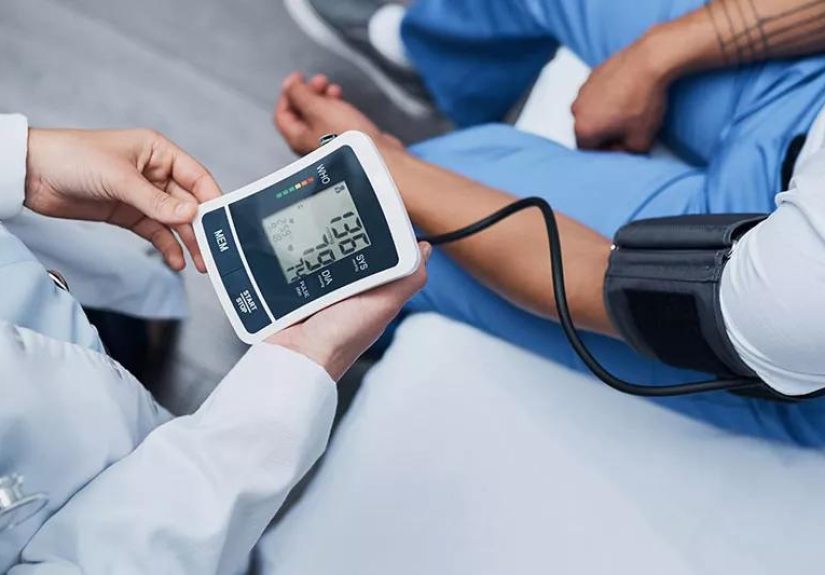
This is why screening matters. A cuff and a few minutes can reveal a problem that your body has been keeping suspiciously quiet about.
Why One High Reading Is Not the Whole Story
Blood pressure can vary throughout the day. Stress, caffeine, activity, and even the way you are sitting can affect a reading. That is why health professionals do not usually diagnose chronic hypertension from a single isolated number unless it is dangerously high. They look for consistent readings over time, and home blood pressure monitoring is often recommended to help confirm what is really going on.
That home tracking can be useful because it shows patterns. Some people get “white coat” readings that rise in medical offices. Others have the opposite problem and look fine in a clinic while running high at home. Regular, accurate measurements help turn guesswork into evidence.
Who Is More Likely to Develop Chronic High Blood Pressure?
Hypertension can affect adults of many ages and backgrounds, but certain factors make it more likely. Risk rises with age, family history, excess body weight, physical inactivity, smoking, poor sleep, high sodium intake, heavy alcohol use, diabetes, kidney disease, and chronic stress. Sleep apnea can also play a role, and it often gets less attention than it deserves.
Some people inherit a stronger tendency toward high blood pressure. Others build risk over time through lifestyle patterns and underlying medical conditions. Often it is not one single cause but a stack of them. That is why effective treatment is rarely about one magic fix. It usually takes a combination approach.
What Actually Helps Lower the Danger
1. Consistent monitoring
You cannot manage what you never measure. Regular blood pressure checks, whether in a clinic or with a validated home monitor, help catch problems early and show whether treatment is working.
2. Better eating patterns
Heart-healthy eating patterns can make a real difference. That usually means more fruits, vegetables, beans, nuts, whole grains, and lean proteins, along with less sodium and fewer ultra-processed foods. No, this does not mean you must fall in love with plain celery. It just means your daily pattern matters more than your occasional snack choices.
3. Physical activity
Regular movement helps lower blood pressure and improves overall cardiovascular health. Walking, cycling, swimming, and other forms of aerobic exercise can all help. The best exercise plan is the one a person will actually continue next month, not just for three heroic days.
4. Weight management
For people who are overweight, even modest weight loss can improve blood pressure. The goal is not perfection or punishment. It is lowering the workload on the cardiovascular system.
5. Medication when needed
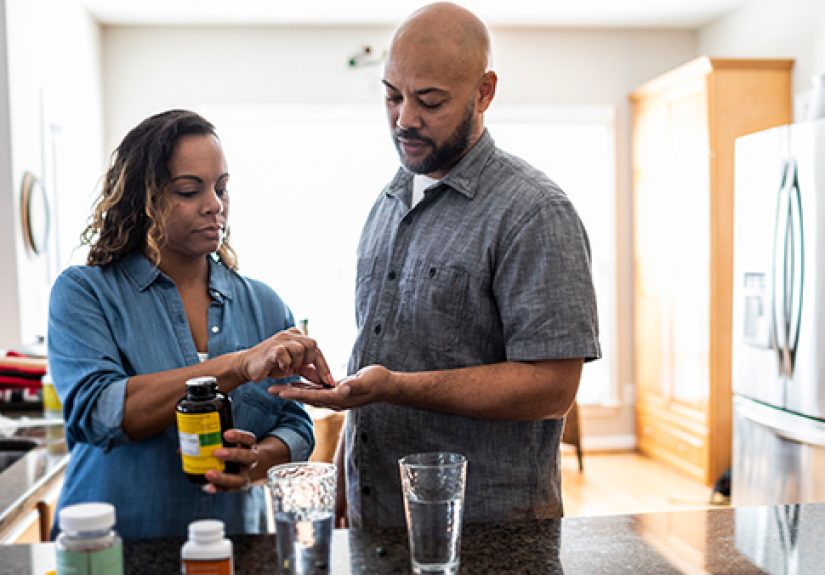
Sometimes lifestyle changes are not enough on their own. Blood pressure medications can reduce risk substantially, especially when taken consistently. Skipping medication because you “feel okay” is like ignoring a leak because the ceiling has not collapsed yet. The point is prevention.
6. Better sleep and less alcohol
Sleep quality matters more than many people realize. Untreated sleep apnea can keep blood pressure stubbornly high. Limiting alcohol and avoiding tobacco also help reduce strain on the blood vessels and heart.
When High Blood Pressure Becomes an Emergency
Most hypertension problems build gradually, but extremely high readings can become urgent or even life-threatening. If blood pressure is higher than 180/120 mm Hg and comes with symptoms such as chest pain, shortness of breath, weakness, trouble speaking, severe headache, or vision changes, emergency care is needed right away. This is not the moment for a wait-and-see strategy or a deep philosophical conversation with your living room.
The Big Reason Chronic High Blood Pressure Is So Dangerous
If there is one takeaway, it is this: chronic high blood pressure is dangerous because it turns everyday circulation into long-term wear and tear. It injures the blood vessels, burdens the heart, threatens the brain, undermines the kidneys, and can damage vision, all while often staying symptom-free. It is dangerous not because it is flashy, but because it is relentless.
That is exactly why treatment works best when people take it seriously before a crisis happens. Hypertension may be common, but “common” does not mean harmless. Rust is common too. You still do not want it eating through the foundation.
Experiences People Commonly Have With Chronic High Blood Pressure
One of the strangest parts of chronic high blood pressure is how ordinary life can look while the risk grows in the background. Many people describe finding out almost by accident. Maybe they went in for a dental visit, a sports physical, a routine checkup, or a pharmacy screening and got a reading that seemed oddly high. Their first reaction was often disbelief. After all, they felt normal. They were working, driving, parenting, answering emails, and arguing about what to order for dinner just like always.
Then comes the second stage: repeated readings. A person checks again a week later. Still high. They borrow a home monitor, sit quietly at the kitchen table, and the numbers are high again. That is when the emotional side kicks in. Some people feel scared. Some feel annoyed. Some feel guilty, as if hypertension is a personal failure instead of a medical condition influenced by genetics, stress, habits, age, sleep, and other health factors.
A common experience is the realization that blood pressure does not just belong to “old people.” Adults in busy midlife often discover that stress, poor sleep, takeout-heavy eating, and low activity have slowly nudged them into dangerous territory. Parents who spent years taking care of everyone else sometimes realize they have ignored their own checkups. People with demanding jobs may notice that they normalized headaches, fatigue, or poor sleep without connecting those issues to cardiovascular health. Not every symptom comes from hypertension, of course, but the diagnosis often becomes a wake-up call that the body has limits and receipts.
Medication is another big emotional moment. Some people resist it at first because they assume starting treatment means they have “failed” at lifestyle changes. In reality, many patients eventually describe medication as a relief rather than a defeat. Once their blood pressure improves, they feel more in control, less anxious about every reading, and more motivated to keep up with healthier routines. The best long-term stories usually involve a combination of habits and treatment, not one dramatic wellness montage set to inspirational music.
People living with hypertension also talk about how helpful home monitoring can be. It turns a vague problem into something measurable. They learn which habits seem to help, how stress shows up in the numbers, and why consistency matters. Some discover that their readings improve when they sleep better, cut back on alcohol, walk regularly, and actually take their medication instead of playing calendar roulette with it.
Perhaps the most powerful experiences come from people who ignored high blood pressure until a complication forced attention. A minor stroke, reduced kidney function, or chest pain can suddenly turn an abstract risk into a deeply personal reality. Those stories are often sobering, but they also carry an important lesson: chronic high blood pressure is treatable, and earlier action is almost always easier than trying to repair damage later. That is the real experience many patients wish they could send back in time to their earlier selves: do not wait for your body to become dramatic before you take the quiet warning seriously.
Conclusion
Chronic high blood pressure is dangerous because it quietly damages the body’s most important blood vessels and organs over time. It increases the risk of heart attack, heart failure, stroke, kidney disease, cognitive decline, and vision problems, often without obvious symptoms. That silent nature is exactly why regular screening, accurate monitoring, healthier daily habits, and proper treatment matter so much.
The encouraging part is that hypertension is not some mysterious force of nature. It can be measured. It can be managed. And in many cases, the damage it causes can be reduced by catching it early and treating it consistently. In the contest between prevention and regret, prevention is the much less annoying winner.