Table of Contents >> Show >> Hide
- What “In Good Taste” Means Right Now
- Obsession #1: Warm Minimalism With an Actual Pulse
- Obsession #2: Hidden Function, Visible Calm
- Obsession #3: Craftsmanship Over Flash
- Obsession #4: Entertaining That Feels Personal, Not Performance Art
- Obsession #5: Fashion With Wit, Texture, and a Point of View
- Obsession #6: Beauty That Is Playful, Not Perfect
- Obsession #7: Flavor, Texture, and Tiny Rituals
- How to Build a Life That Feels In Good Taste
- Experience: What These Current Obsessions Feel Like in Real Life
- Conclusion
Good taste used to sound a little stiff, didn’t it? Like it belonged to a person who never spilled coffee, never impulse-bought striped napkins, and definitely never called a bowl of buttery noodles “a personality trait.” But taste has loosened up. Today, “in good taste” is less about following rules and more about choosing things with intention: a home that feels calm but not sterile, clothes that look polished without looking frightened, meals that feel a little special even when they’re eaten barefoot at the kitchen counter.
That is exactly why Current Obsessions: In Good Taste feels so right as a mood for now. Across design, fashion, beauty, food, and entertaining, the most appealing trends are not screaming for attention. They are whispering, “Yes, I thought this through.” We are seeing a shift away from cold perfection and toward warmth, texture, personality, and quiet pleasure. In other words, taste is back, but it has better manners and softer lighting.
This article rounds up the obsessions that define tasteful living right now, from rooms with soul to outfits with wit, from dinner parties that feel intimate instead of performative to beauty looks that remember makeup is supposed to be fun. If your favorite aesthetic is “effortless” but you secretly know it takes a tiny bit of effort, welcome. You are among friends.
What “In Good Taste” Means Right Now
At this moment, good taste is less about owning expensive things and more about knowing how to combine the right details. It is the difference between a room that looks staged and a room that looks lived in by someone with excellent instincts. It is the confidence to mix a vintage lamp with a modern sofa, or to serve store-bought olives in your prettiest little dish and call it hosting. It is also the ability to edit. Not every trend deserves a key to your house.
The most tasteful obsessions right now share a few traits. They are tactile. They are personal. They feel collected rather than copied. They value craftsmanship, but they also respect comfort. Nothing is too precious to use. Nothing is so trendy that it cannot survive next season. The goal is not to impress everyone. The goal is to create a life that feels appealing from the inside out.
Obsession #1: Warm Minimalism With an Actual Pulse
Minimalism is still here, but it finally stopped acting like a strict headmistress. The newer version is warmer, softer, and far more human. Think creamy walls, rich wood, layered rugs, curved silhouettes, handmade ceramics, and a sofa that invites you to sit down instead of admire it from a respectful distance.
This is the kind of tasteful home trend people fall for because it solves a real problem: most of us want calm spaces, but very few of us want to live inside a blank document. Warm minimalism makes room for life. It welcomes patina, texture, and personal objects. A home in good taste now looks serene, yes, but also loved. That little stack of art books? Charming. That antique bowl with lemons in it? Suspiciously perfect, but still charming.
If you want this look, start with natural materials. Choose linen, wood, stone, leather, wool, and woven textures that age well. Then add depth without clutter: a vintage stool, a framed textile, a lamp with a sculptural base, a throw that looks better after being carelessly draped. The secret is restraint with personality. You are not decorating a showroom. You are building atmosphere.
Obsession #2: Hidden Function, Visible Calm
One of the smartest tasteful shifts happening right now is the desire for rooms that work hard without looking busy. Nowhere is that clearer than in the kitchen. People still want high function, but they do not want the visual noise. That means appliance garages, concealed storage, integrated finishes, hidden millwork, and kitchens that blend more gracefully into the rest of the home.
The appeal is obvious. Open-plan living turned the kitchen into a stage, and many of us are tired of giving the toaster such a leading role. A kitchen in good taste now feels quieter, more architectural, and more intentional. It still performs, but it no longer feels like a workplace exploded in the middle of the living room.
This obsession extends beyond the kitchen. Secret doors, built-in storage, and flexible millwork are also having a moment. Tasteful design loves a good trick, especially when that trick makes daily life easier. A hidden pantry, a storage bench, a beautifully concealed charging station: these are the modern luxuries that make a home feel both polished and sane.
Obsession #3: Craftsmanship Over Flash
If there is one idea tying together today’s best design choices, it is a renewed respect for craftsmanship. Handmade tile, reclaimed wood, patinated antiques, artisan-made furniture, handblown glass, visible joinery, embroidered trims, and objects with history are all part of the same larger desire: we want things that feel real.
That does not mean homes need to look rustic or precious. It simply means people are falling for materials and pieces that show evidence of thought, labor, and character. A burl wood side table. A hand-thrown pitcher. A painted chest with a slightly imperfect finish. A tray that looks like it came from a shop you found by accident and now mention a little too often. These pieces make a room feel layered over time, which is always more interesting than looking newly assembled in one weekend.
Tasteful spaces also know how to mix old and new. A room becomes memorable when it has tension: antique wood against modern lighting, a tailored sofa near a folk-art stool, contemporary art above a traditional cabinet. Good taste thrives in contrast. It is not about making everything match. It is about making everything belong.
Obsession #4: Entertaining That Feels Personal, Not Performance Art
Hosting in good taste has become more relaxed and more thoughtful at the same time. The best gatherings right now are not defined by towering floral arrangements or twelve-step menus that leave the host sweating in silk. They are shaped by intimate details: handwritten menus, personalized playlists, thrifted serving pieces, a DIY cocktail or mocktail station, and food that encourages guests to exhale.
This shift is excellent news for normal people. The tasteful host is no longer trying to recreate a luxury hotel lobby at home. Instead, the goal is warmth. Comfort. A sense that everyone has been welcomed on purpose. Potluck-style dinners, game nights, and low-key but beautiful tablescapes all fit this mood. It is less “Be dazzled by my imported marble oyster tower” and more “Please sit down, I made too much pasta.”
To make this trend your own, focus on atmosphere first. Dim lighting helps everyone look richer and more rested. Candles remain undefeated. Cloth napkins make even pizza feel vaguely aristocratic. And a playlist with actual personality will always do more for a night than another bouquet trying too hard in the center of the table.
Simple ways to host in good taste
- Serve one signature drink instead of playing unpaid bartender all night.
- Mix old serving pieces with modern basics for a collected table.
- Use handwritten place cards or menus for a personal touch.
- Choose food that can sit happily for a bit instead of dishes that demand panic.
- Leave room for surprise, laughter, and a second helping of dessert.
Obsession #5: Fashion With Wit, Texture, and a Point of View
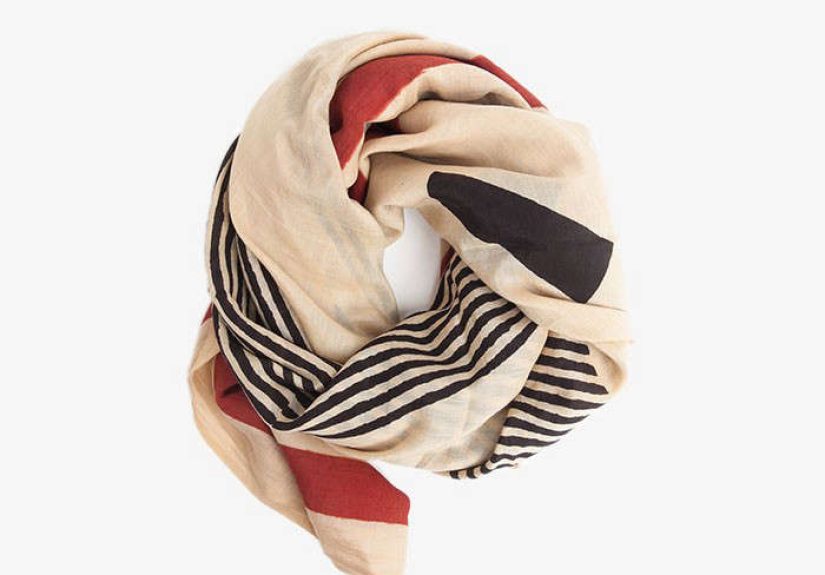
In style, good taste has moved beyond the ultra-beige era. People still love polish, but they also want charm. That means tactile fabrics, artful accessories, silk scarves, playful color combinations, and outfits that feel curated rather than generic. Tasteful dressing right now is less about disappearing into “quiet luxury” and more about revealing a little personality without becoming a costume.
One reason this feels fresh is that fashion has rediscovered the appeal of craftsmanship and whimsy. Crochet, raffia, beading, soft tailoring, sculptural shoes, and unexpected pairings are all contributing to a more expressive wardrobe. A tasteful outfit may still be simple, but it has one intriguing detail: the scarf tied just right, the beautifully odd earring, the polished pump worn with something irreverent, the jacket with texture you cannot stop touching.
The result is style that feels lived in and self-aware. You do not need an entirely new wardrobe to get there. In fact, good taste prefers editing over accumulation. Keep the clothes that fit well and add a few pieces that introduce wit, color, or texture. Tasteful fashion should look like you made decisions, not like an algorithm dressed you while you were asleep.
Obsession #6: Beauty That Is Playful, Not Perfect
Beauty is also getting lighter on its feet. After years of hyper-controlled minimalism, makeup is rediscovering joy. A tasteful beauty look now might include romantic blush, a wash of unusual color, shimmer used with restraint, or a lip that feels intentionally alive instead of politely invisible.
The smartest version of this trend is not overdone. It is expressive. A bit of sparkle at the eye, a bold pink blush, a peachy fragrance with depth, or a scent that leans woody and gourmand without becoming a dessert tray in a bottle. Good taste in beauty is not about pretending you woke up radiant in exactly the right shade of mauve. It is about choosing details that create mood.
That mood matters. Beauty in good taste suggests a person who enjoys getting ready, but is not trapped by it. The look is polished, yes, but also a little playful. The scent is memorable, but not overwhelming. The whole effect says, “I care,” not “I spent four hours negotiating with my concealer.”
Obsession #7: Flavor, Texture, and Tiny Rituals
Food trends are telling the same story as home and fashion: people want pleasure with purpose. That means bold flavors, strong textures, functional ingredients, fiber-friendly choices, smaller treats, and meals that feel personal instead of generic. Tasteful eating right now is not about dieting your way into despair. It is about making everyday food feel smart, satisfying, and occasionally a little indulgent.
Texture is especially important. Crunch, creaminess, chew, foam, crisp edges, silky sauces, toasted toppings: a meal in good taste pays attention to how food feels, not just how it photographs. At the same time, there is growing appreciation for simple rituals. A beautifully bitter nightcap. A tiny pastry that feels celebratory. A breakfast with real fruit and real crunch. A snack plate arranged as if you respect yourself.
Good taste also shows up in moderation. You do not need a twelve-course tasting menu to eat well. Sometimes the most tasteful thing is a roast chicken, a sharply dressed salad, and a candle on the table for no reason other than “Tuesday deserved better.” The point is not excess. It is delight.
How to Build a Life That Feels In Good Taste
The easiest way to adopt this mood is to think in layers instead of categories. Tasteful living is not only about home décor, fashion trends, or dinner party ideas. It is about how those things talk to one another. The linen shirt echoes the linen curtains. The ceramic bowls relate to the handmade lamp. The playlist matches the candles. The scarf on your bag somehow belongs in the same universe as the olives in your fridge. That kind of coherence feels luxurious, even when nothing is especially expensive.
Start small. Replace one disposable object with something more permanent and pleasing. Buy fewer things, but choose better textures. Rearrange your shelves until they look calm instead of crowded. Invest in lighting that flatters both your room and your mood. Learn one signature dish and one signature drink. Keep a scent you love. Put flowers, branches, or even herbs in a vase more often. Taste is built by repetition, not one dramatic shopping spree that leaves you with three giant baskets and emotional confusion.
Most of all, trust your eye. Good taste does not come from obeying every trend report. It comes from noticing what genuinely makes you feel at ease, interested, and at home in your own life. Trends can point. They should not command.
Experience: What These Current Obsessions Feel Like in Real Life
Living with these obsessions is less dramatic than it sounds, and that is exactly the appeal. It is not a grand reinvention. It is a sequence of tiny upgrades that quietly improve your days. You notice it when morning light hits a room that finally feels settled. You notice it when you reach for the mug with the slightly uneven handle because it somehow makes coffee taste more intentional. You notice it when getting dressed becomes easier because your closet contains things you actually like wearing, not just things you once admired under suspicious dressing-room lighting.
There is also a subtle emotional shift. Spaces with warm textures and softer lighting make you want to linger. Meals built around flavor and comfort make dinner feel less like a task. Hosting gets easier when you stop trying to impress invisible judges and start thinking about how you want people to feel in your home. The best evenings tend to happen when the table is a little imperfect, the candles are slightly crooked, and somebody asks for the recipe before dessert has even landed.
Fashion and beauty play their part, too. There is a specific pleasure in wearing an outfit that feels simple from a distance but interesting up close. Maybe it is just a white shirt, wide-leg pants, and a silk scarf. Maybe it is a neutral dress with sculptural earrings and a ridiculous little shoe that somehow works. Either way, you feel more like yourself, not less. That might be the most tasteful thing of all.
Even food becomes more enjoyable when you treat it as an experience rather than a chore. A crisp salad with herbs, a bowl of pasta with proper texture, a tiny dessert eaten from your nicest plate, a nightcap poured into real glassware instead of whatever was nearest the sink: these are small gestures, but they add up. They remind you that taste is not reserved for special occasions. It can live in a Tuesday lunch, a five-minute face, or a lamp switched on before sunset because the room deserves a glow.
What makes these obsessions stick is that they are not only about appearances. They improve atmosphere, comfort, and rhythm. They make life feel edited in the best way. Less random. More chosen. More yours. And in a world full of noise, speed, and overexposure, that kind of good taste is not shallow at all. It is a form of clarity. It says you do not need more everything. You need the right things, arranged with care, used with pleasure, and enjoyed without apology. Frankly, that is an obsession worth keeping.
Conclusion
Current Obsessions: In Good Taste is really about one big idea: tasteful living has become warmer, more personal, and more enjoyable. The best trends right now are not stiff or showy. They celebrate craftsmanship, comfort, intimacy, personality, and small rituals that make everyday life feel a little more beautiful. Whether that shows up as a soulful living room, an edited wardrobe, a playful beauty look, or a dinner table with candles and excellent bread, the message is the same: choose what feels thoughtful, textured, and true to you.
Good taste is no longer about perfection. It is about discernment with charm. And honestly, that sounds like a much better time.