Table of Contents >> Show >> Hide
- What Was the “Food Spoilage” Fitbit Hack?
- How the Hack Actually Worked
- Why the Story Blew Up
- Why It Was Clever and Also a Terrible Idea
- What the Hack Reveals About Wearables and Motivation
- Could Someone Build a Version of This Today?
- Safer Ways to Borrow the Idea Without Sacrificing Food
- Experiences This Story Taps Into for Real People
- Final Thoughts
Note: Despite the dramatic headline, this story refers to a real DIY smart-home stunt reported in 2013, not a standard Fitbit feature built into the product.
Some headlines sound like they were written after a triple espresso and a bad breakup with a treadmill. “FitBit Hack Causes Food To Spoil If You Don’t Exercise” is one of them. It sounds fake, slightly evil, and exactly like the kind of idea a sleep-deprived engineer might create after losing an argument with their own step counter.
But the story is rooted in something real: a DIY project that connected a Fitbit activity goal to a smart plug controlling a refrigerator. Miss your movement target, and the fridge could lose power. In other words, your wearable would stop being a polite digital cheerleader and become an aggressively judgmental roommate.
That bizarre little hack still fascinates people because it sits at the intersection of three things modern Americans know very well: fitness guilt, connected gadgets, and the dangerous belief that every problem can be solved by automating it. The idea was clever. It was memorable. It was absolutely not a good food-safety plan. Still, it opened up a surprisingly interesting conversation about motivation, wearable tech, smart-home controls, and the weird lengths people will go to just to avoid hearing, “You have 2,143 steps left today.”
Here’s what the hack actually was, how it worked, why it caught attention, and what it still tells us about digital health habits more than a decade later.
What Was the “Food Spoilage” Fitbit Hack?
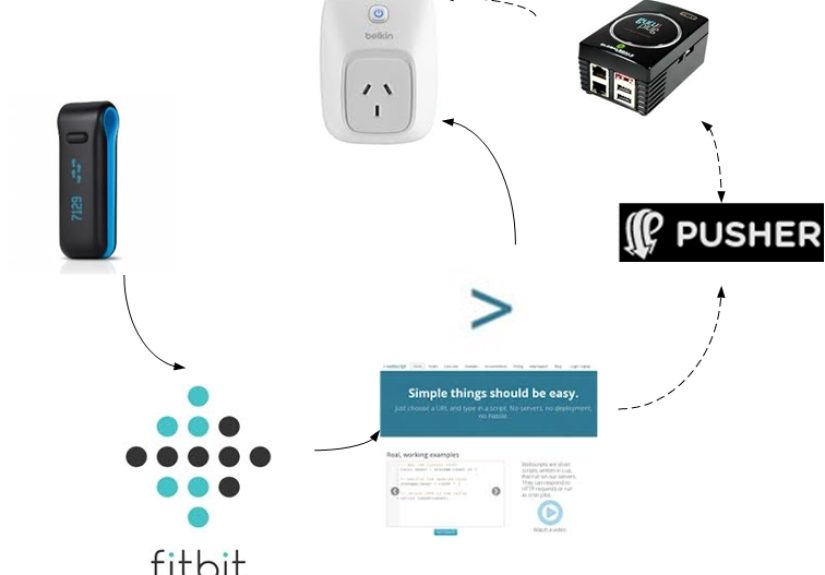
The original project was essentially a homemade accountability machine. A developer used Fitbit activity data and tied it to a Belkin Wemo smart outlet. That outlet controlled power to a refrigerator. If the daily exercise goal was not met, the system could turn the fridge off. No movement, no cold air. No cold air, eventually no safe leftovers. Suddenly, getting your steps in felt less like wellness and more like a hostage negotiation with your yogurt.
The genius of the headline is that it sounds like a cybersecurity disaster. In reality, it was not a mass Fitbit breach, not a consumer warning about hacked wearables, and not an official health-tech feature. It was a one-off proof of concept: a dramatic homemade system built to increase personal motivation by attaching a real-world consequence to inactivity.
That distinction matters. Calling it a “hack” can make people imagine shadowy attackers ruining groceries from afar. What actually happened was closer to self-inflicted smart-home chaos. The creator was not exposing other users to risk; he was experimenting with how wearable data could trigger connected devices in the physical world.
How the Hack Actually Worked
Fitbit Supplied the Activity Data
Fitbit has long offered developer access to activity information through its web platform, allowing apps and custom projects to read exercise-related data with user permission. That made it possible for hobbyists and developers to build creative integrations around step counts, activity goals, and related metrics. The 2013 project used that basic idea: check whether the user had moved enough, then trigger a consequence if the answer was no.
At the time, that felt futuristic. Today, it feels almost normal. We expect devices to talk to each other now. Watches ping phones. Phones talk to thermostats. Fridges text us like needy interns. But back then, connecting a fitness tracker to a home appliance was still eyebrow-raising territory.
A Smart Plug Became the Enforcer
The second piece of the puzzle was the smart outlet. Belkin’s Wemo line helped popularize the idea that almost any plugged-in device could become remotely controllable. Lamps, fans, coffee makers, and, in this case, one very unlucky refrigerator could all be switched on or off through automation rules.
That part is what made the project feel both clever and ominous. A fitness target stopped being a number on a screen. It became a power switch. That is when the story graduated from “cute quantified-self experiment” to “wow, this person really does not trust their future self around the couch.”
The Refrigerator Was the Punishment
Using a fridge as the consequence was what made the project famous. If the creator failed to meet the daily goal, the refrigerator could be powered down, raising the possibility that food would warm up and spoil. The shock value was the point. Nobody writes headlines about a smart plug dimming a desk lamp. But threaten the sanctity of cheese, and suddenly the internet pays attention.
Still, the refrigerator was also the part that made the idea deeply impractical. You can mess with Netflix. You can lock out a gaming console. You can disable a bedside lamp if you really want to be dramatic. But once food safety enters the chat, your motivational system has left “quirky” and entered “please do not do this at home.”
Why the Story Blew Up
First, it was funny. Darkly funny, but funny. The project took the language of wellness goals and smashed it into the real world with cartoonish force. It answered a question nobody asked out loud: what if your fitness tracker stopped giving badges and started threatening dinner?
Second, it was relatable. Many wearable users know the pattern. You buy the tracker. You love the graphs. You feel invincible for nine days. Then the novelty fades, the badges lose their sparkle, and the device starts feeling like a tiny bracelet-shaped life coach who is disappointed in your choices. The hack took that familiar drop in motivation and solved it with the subtlety of a sledgehammer.
Third, it was a preview of a bigger trend. Even in 2013, tech writers were already noticing that fitness trackers could motivate people by turning movement into measurable progress. The hack simply pushed that idea to an absurd extreme, showing what happens when the “nudge” becomes a threat.
Why It Was Clever and Also a Terrible Idea
It Understood Human Behavior
The project worked as a concept because it understood one uncomfortable truth: rewards are not always enough. Some people respond to badges, streaks, gentle reminders, and celebratory buzzes on the wrist. Other people need higher stakes. They need friction. They need a system that makes skipping exercise annoying enough that movement suddenly becomes the easier choice.
That is why the hack still feels psychologically interesting. It turned exercise into a form of loss avoidance. Instead of earning a prize for moving, the user was trying to avoid a consequence for not moving. Behavioral science has long shown that people often respond strongly to the possibility of losing something they value. In this case, that something was cold groceries and basic household dignity.
It Ignored Food Safety Reality
Here is the giant problem: refrigerators are not motivational props. Food-safety guidance is very clear that perishable foods should be kept cold, generally at 40 degrees Fahrenheit or below. Once food sits above that safe zone for too long, bacteria can multiply quickly. In ordinary life, that is why power outages are treated as food-safety events, not as productivity hacks.
In other words, a fridge shutdown is not a cute reminder. It can turn perfectly good food into waste and, in the wrong circumstances, into a genuine health risk. That is why this project should be understood as a provocative proof of concept, not a practical wellness strategy.
It Raised Smart-Home Security Questions
The story also landed during an era when smart-home security was becoming a growing concern. If you can remotely control a device through the internet, you also have to think about reliability, software support, account security, and the unintended consequences of automation. Smart plugs are useful precisely because they make physical devices controllable. That convenience is also what makes people nervous.
So while the project was inventive, it highlighted a broader lesson that still applies today: once software reaches into your kitchen, the stakes are no longer purely digital.
What the Hack Reveals About Wearables and Motivation
Fitness Trackers Really Can Motivate People
Research and clinical summaries over the years suggest that activity trackers can help many people move more. The appeal is simple: they make effort visible. Steps become a score. Minutes become a streak. Daily movement becomes something you can measure, compare, and improve. For beginners especially, that can be genuinely useful.
That helps explain why Fitbit and similar devices became cultural fixtures. They turned exercise into a dashboard. For a lot of people, that little loop of action and feedback is enough to support healthier habits.
But the Novelty Often Fades
Here’s the catch: motivation based on novelty rarely lasts forever. Health experts have noted that many users lose interest once the excitement wears off. The tracker ends up in a drawer. The app goes unopened. The daily goal becomes less “You can do it!” and more “Please stop texting me about stairs.”
That is exactly the emotional gap this hack tried to fill. When virtual rewards stopped working, the creator added real-world consequences. Extreme? Absolutely. But in a twisted way, it diagnosed a common problem accurately: data alone does not guarantee behavior change.
Gamification Works Best When It Doesn’t Ruin Dinner
Gamification is most helpful when it makes healthy behavior more engaging, not when it turns every missed walk into a domestic crisis. The best systems create friction gently. They encourage a walk break, unlock a reward, trigger a fun challenge, or add a little social accountability. They do not punish you by auditioning your refrigerator for a disaster-preparedness brochure.
Could Someone Build a Version of This Today?
Technically, yes. In spirit, definitely. In exactly the same form, things are more complicated now. Fitbit’s developer ecosystem has evolved, and Google introduced the Google Health API in 2026 as the next generation of the Fitbit Web API. That means anyone attempting a modern version would need to account for updated developer tools, permissions, and platform architecture.
On the smart-home side, the Wemo landscape has changed too. Belkin announced the end of support for many older Wemo devices and app functions in early 2026. So even the hardware assumptions behind the original stunt are more fragile now than they were when the project first made headlines.
Translation: you could still build an “exercise or consequence” system today, but you would be wiser to design it around safe, nonessential devices and current platforms rather than trying to recreate the exact same refrigerator drama from a decade ago.
Safer Ways to Borrow the Idea Without Sacrificing Food
Turn Off Distractions, Not Refrigeration
If you like the concept of linking exercise to a consequence, choose something that is inconvenient but harmless. Disable the TV, game console, or a streaming device until the movement goal is met. Your leftovers should not suffer because you skipped leg day.
Unlock Rewards Instead of Triggering Punishments
A better version of the hack would let exercise unlock something pleasant: mood lighting, a favorite playlist, a coffee routine, or access to a small personal treat. Positive reinforcement is generally easier to live with and much less likely to turn your kitchen into a science experiment.
Use the Tracker as a Coach, Not a Warden
The healthiest long-term approach is to let wearables support awareness and consistency, not run your household like a tiny authoritarian. Smart systems are best when they reduce friction, help you notice patterns, and keep goals visible. Once your blender starts judging your cardio, you have probably gone too far.
Experiences This Story Taps Into for Real People
Part of the reason this story has lingered online is that it exaggerates an experience many people quietly recognize. You wake up with excellent intentions. Today is the day you hit the goal. You will walk after lunch, maybe stretch after work, and definitely avoid becoming one with the sofa. Then the day happens. Meetings pile up. The weather looks rude. Your motivation pulls a disappearing act. By 8:47 p.m., your tracker is informing you with suspicious cheerfulness that you still need several thousand steps. Suddenly, the fantasy of a system that forces you to move feels less ridiculous than it should.
That does not mean anyone actually wants their refrigerator held hostage. What people relate to is the emotional tension underneath the hack. Wearables are great at measuring behavior, but they also create a strange relationship between your ideal self and your actual self. Your ideal self bought the tracker. Your actual self is standing in the kitchen eating crackers over the sink while pretending tomorrow counts as a strategy.
The original project dramatized that internal conflict in a way that ordinary goal-setting never could. It took the guilt many users feel when they ignore a step count and turned it into a visible, physical consequence. That is why the story is memorable. It gave form to something invisible. It made the abstract pressure of self-improvement absurdly concrete.
There is also a familiar tech-user experience buried in the joke. A lot of people love the first phase of a new gadget: the setup, the syncing, the dashboard, the feeling that a better version of life is one app away. Then routine arrives. The numbers are still there, but the emotional spark fades. What once felt like inspiration starts to feel like admin. That is true of fitness trackers, food logs, smart scales, and half the productivity apps ever installed on a Sunday night. The Fitbit fridge hack is basically what happens when a person refuses to accept the boring middle stage and decides to solve it with theatrical automation.
Even the food angle rings true in a weird way. Food is personal. It is daily. It is tied to comfort, routine, and reward. Threatening the fridge is not just practical; it is symbolic. It says, “Your body goals and your habits are now in the same room, and one of them is unplugging the other.” That image sticks because so many health choices already feel like a tug-of-war between convenience and discipline.
Most people, thankfully, do not need an internet-connected ultimatum to go for a walk. But many do need systems that feel more tangible than a badge and less disastrous than spoiled milk. That is the real lesson here. The enduring appeal of this story is not the refrigerator itself. It is the reminder that motivation works best when it feels immediate, personal, and a little hard to ignore. Preferably without turning lunch meat into a cautionary tale.
Final Thoughts
The “FitBit hack causes food to spoil if you don’t exercise” story endures because it is equal parts innovation, comedy, and cautionary tale. It captured an early moment in wearable tech when people were just starting to realize that personal data could control physical devices in the home. It also demonstrated, with spectacular lack of subtlety, that the line between motivating and ridiculous can be very thin.
As a concept, it was brilliant. As a real-life household practice, it was terrible. But as a snapshot of tech culture, it still says something useful. People do not just want numbers from their devices. They want those numbers to matter. The challenge is designing systems that encourage better habits without creating worse consequences. Your smartwatch can absolutely help you exercise more. It just should not have the authority to ruin a week’s worth of groceries.