Table of Contents >> Show >> Hide
- What Is a Himalayan Salt Bath?
- Can a Himalayan Salt Bath Help Skin Conditions?
- Why It May Feel Helpful Even When It Is Not Magic
- Benefits Beyond Skin: The “And More” Part
- How to Take a Himalayan Salt Bath Without Making Your Skin Mad
- Who Should Be Careful or Skip It?
- Common Mistakes People Make
- What Results Can You Realistically Expect?
- Experiences With Himalayan Salt Baths: What People Commonly Notice
- Conclusion
If your bathroom shelf currently looks like a spa gift shop collided with a wellness podcast, you are not alone. Himalayan salt bath products have become wildly popular thanks to their pretty pink color, fancy mineral reputation, and their ability to make an ordinary tub look like it is about to charge admission. But can a Himalayan salt bath actually help skin conditions, or is it just a glamorous excuse to soak and avoid your inbox for 20 minutes?
The honest answer sits somewhere in the middle. A warm bath itself can be soothing. Gentle soaking may help soften scales, loosen debris, calm itch, and create a perfect setup for moisturizer. Mineral-rich baths also have some support in skin care research, especially in broader studies of therapeutic mineral bathing for conditions like psoriasis and eczema. But when it comes to Himalayan salt specifically, the science is far less dramatic than the marketing. It may help some people feel better, and it may fit nicely into a skin-soothing routine, but it is not a miracle cure in a pink costume.
That does not mean it is useless. It means it works best when you understand what it can realistically do: support comfort, hydration routines, relaxation, and symptom management for some people. In other words, think “helpful sidekick,” not “superhero dermatologist in crystal form.”
What Is a Himalayan Salt Bath?
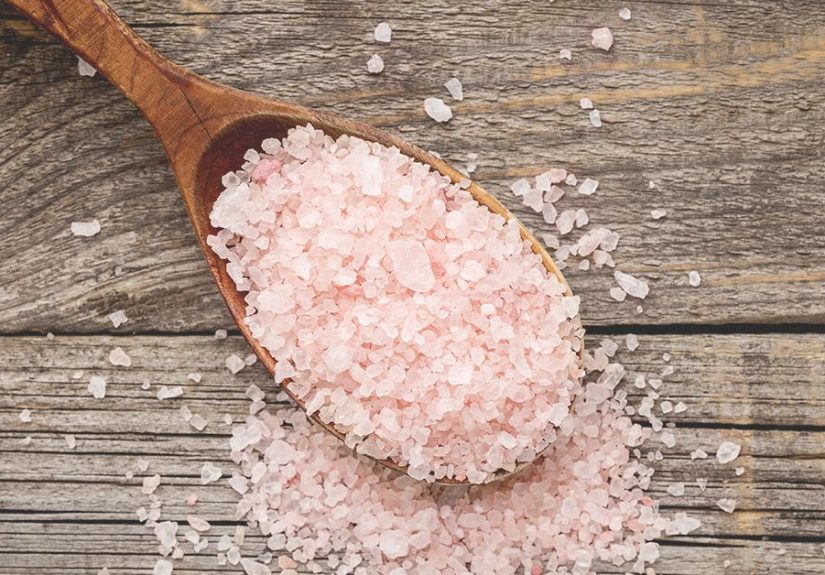
A Himalayan salt bath is exactly what it sounds like: a bath made with pink salt, usually marketed as coming from ancient salt deposits in the Himalayan region. The appeal is simple. The salt contains trace minerals, looks beautiful, feels luxurious, and sounds more exciting than saying, “I am sitting in warm water trying not to be itchy.”
In practice, people use Himalayan bath salt to make soaking feel more therapeutic. Some do it for dry winter skin. Some do it after workouts. Some try it for eczema, psoriasis, body acne, or general irritation. Others just want to feel like a Victorian aristocrat recovering from “the vapors.” No judgment.
Still, the color and branding are not the same as clinical proof. A lot of the benefit may come from the warm bath routine itself, the pause from stress, the gentle cleansing, and the important step that should follow every bath: sealing moisture back into the skin.
Can a Himalayan Salt Bath Help Skin Conditions?
Potentially, yes, but with a giant asterisk the size of a bath mat.
The most evidence-based way to talk about this is to separate symptom relief from actual treatment. A Himalayan salt bath may help some symptoms feel better. That is not the same thing as curing the condition behind them.
1. Eczema and very dry skin
People with eczema often deal with a frustrating combo platter: dryness, itch, irritation, sensitivity, and a skin barrier that behaves like it missed an important staff meeting. For eczema-prone skin, bathing can help when it is done gently. A short, lukewarm soak can hydrate the outer layer of skin, loosen flakes, and prepare the skin to absorb moisturizer more effectively.
Where Himalayan salt enters the chat is less clear. Some people report that mineral baths feel calming and reduce that tight, uncomfortable “my skin is two sizes too small” feeling. Others find salt baths irritating, especially if the skin is cracked, raw, or actively flaring. So the result is very individual. If your skin barrier is compromised, even a fancy pink soak can feel less like self-care and more like accidental seasoning.
For eczema, the real win usually comes from the full routine: brief lukewarm bath, gentle cleansing, no scrubbing, pat dry, and immediate application of a thick cream or ointment. If the salt helps you enjoy the bath or feel soothed, great. If it stings or dries you out, it is not a match made in skincare heaven.
2. Psoriasis and scaling
Psoriasis is one of the conditions most often discussed alongside bath soaks and mineral water therapies. That is not random. Warm bathing can soften thick scales, help remove loose skin more gently, and make moisturizing easier afterward. Some mineral bath approaches have shown benefit in psoriasis care, especially in broader balneotherapy research. This is one reason many people with psoriasis experiment with salts in the tub.
That said, there is a difference between evidence for mineral bathing in general and proof that Himalayan salt is uniquely effective. If you have psoriasis, a salt bath may be a useful part of comfort-focused self-care, especially when followed by moisturizer. But it should be viewed as supportive care, not a replacement for prescriptions, dermatologist-guided treatment plans, or trigger management.
3. Body acne and rough, congested skin
Some people swear by Himalayan salt baths for back acne or rough skin on the shoulders and chest. The logic is understandable: soaking helps cleanse the skin surface, loosen debris, and reduce the sweaty, sticky aftermath of workouts or humid weather. If you are prone to mild body breakouts, a bath may help you feel cleaner and less irritated.
But let us keep our loofahs grounded. Acne is influenced by oil production, clogged pores, inflammation, hormones, and bacteria. A bath can support hygiene and comfort, but it is not a full acne treatment plan. If you are dealing with persistent body acne, ingredients like benzoyl peroxide, salicylic acid, or retinoids usually do more heavy lifting than a mineral soak ever will.
4. General itching, irritation, and seasonal skin misery
Sometimes the problem is not a named skin condition but a general feeling of dryness, itch, and irritation, especially during winter or after long days in dry air, chlorine, sweat, or friction-heavy clothing. In those situations, a carefully done bath can feel excellent. It cleanses gently, relaxes the body, and gives you a chance to reset your skin care routine without scrubbing it into next week.
Why It May Feel Helpful Even When It Is Not Magic
A lot of bath benefits come from the context, not just the salt. Warm water increases comfort. Soaking softens surface buildup. Stepping away from stress can reduce the scratch-now-think-later cycle that makes many skin conditions worse. And the post-bath ritual of moisturizing can dramatically improve how skin feels over the next few hours.
There is also a behavioral bonus. People are more consistent with routines they enjoy. If using Himalayan bath salt makes you more likely to take a gentle bath, moisturize afterward, and avoid harsh cleansers, that is not trivial. Skin care is often won by boring consistency, not fireworks.
In short, sometimes the pink salt is not the star of the show. It is the glittery stage manager.
Benefits Beyond Skin: The “And More” Part
Skin concerns are only part of the appeal. Many people take Himalayan salt baths because they are trying to feel better overall, not just look less flaky under overhead lighting.
Stress relief
Warm baths can be calming. The combination of warmth, quiet, and taking a deliberate pause can make your body feel less tense and your mind less noisy. That matters because stress often makes skin conditions feel worse. If a bath helps you stop doom-scrolling and unclench your shoulders, your skin may appreciate the break almost as much as your nervous system does.
Sore muscles and post-workout comfort
Many people use bath salts for muscle soreness. Scientific support for salt-specific pain relief is mixed, but warm water alone can feel wonderful on a tired body. If you have spent the day lifting weights, moving furniture, or pretending you are still 22 at a recreational sports league, a warm soak may offer comfort even if the pink crystals are not performing orthopedic miracles.
Sleep support
A warm bath as part of an evening wind-down routine may help some people fall asleep more easily. The experience is calming, and the body’s temperature changes after bathing may support better sleep timing. So while a Himalayan salt bath is not a prescription sleep treatment, it can be a useful ritual for people who need a softer landing before bed.
How to Take a Himalayan Salt Bath Without Making Your Skin Mad
If you want to try one, technique matters more than spa drama.
Use lukewarm water
Hot water feels amazing right up until your skin sends a complaint letter. For sensitive, eczema-prone, or psoriasis-prone skin, lukewarm water is usually the smarter choice.
Keep the soak short
Long, steamy marathons can dry out your skin. Aim for a moderate soak rather than turning your bathroom into a feature-length film.
Start gently with the salt
Follow the product directions and start on the conservative side if your skin is reactive. More is not always better. Sometimes more is just more salt and a worse decision.
Skip harsh soaps and scrubs
A bath meant to calm irritated skin should not include aggressive exfoliating mitts, heavily fragranced washes, or scrubbing worthy of a kitchen tile project.
Pat dry, then moisturize immediately
This is the part that separates a helpful bath from a drying mistake. Once you get out, gently pat your skin dry and apply a thick, fragrance-free moisturizer while your skin is still slightly damp.
Who Should Be Careful or Skip It?
A Himalayan salt bath is not for every situation.
- If your skin is cracked, raw, bleeding, or actively weeping, salt may feel irritating.
- If you think you have a skin infection, skip the self-experiment and talk to a clinician.
- If you have diabetes, poor wound healing, severe neuropathy, or reduced sensation, be extra cautious with bath temperature and any soaking routine.
- If you are dealing with severe eczema, widespread psoriasis, or unexplained rashes, a dermatologist is a better first stop than a wellness trend.
Also, a quick myth-busting moment: a Himalayan salt bath is not a “detox.” Your liver and kidneys already have that department covered. The bath may help you relax, and that is a perfectly respectable benefit. It does not need fake superhero powers.
Common Mistakes People Make
Using water that is too hot
Hot water can worsen dryness, trigger itch, and leave skin feeling stripped. If your bath makes you feel like a boiled dumpling, it is probably too hot.
Bathing too long
More soaking does not always mean more relief. For many people, longer baths equal drier skin later.
Adding too many extras
Salt plus essential oils plus bubbles plus fragrance plus glitter is how sensitive skin files for divorce. Keep the routine simple if your goal is symptom relief.
Forgetting the moisturizer
If you take nothing else from this article, take this: the moisturizer after the bath matters enormously.
What Results Can You Realistically Expect?
The best realistic outcome is not “my skin condition vanished by candlelight.” It is more like this: your skin feels calmer, softer, less tight, and less itchy for a while. Scales may loosen. Your body may relax. You may sleep better. You may feel more comfortable in your own skin, which is not a small thing.
But if you have chronic eczema, psoriasis, acne, or another inflammatory skin issue, a Himalayan salt bath is best viewed as part of a broader care plan. It can complement dermatologist-approved treatment, not replace it. The pink salt might deserve a polite clap. It does not deserve a Nobel Prize.
Experiences With Himalayan Salt Baths: What People Commonly Notice
Experiences with Himalayan salt baths tend to fall into a few familiar patterns, and they are worth talking about because real-world use is often messier than a product label. One common experience comes from people with winter dryness. They start taking a short lukewarm bath once or twice a week, add Himalayan salt because it feels luxurious, and notice that their skin feels less tight afterward. The important detail is usually not the salt alone. It is the full sequence: shorter bath, no harsh soap, and a thick moisturizer applied right away. In that situation, the person often says, “My skin feels calmer,” which is a realistic, believable outcome.
Another common experience involves people with mild psoriasis or rough, flaky patches on elbows and legs. They often describe the bath as softening the surface so it is easier to wash gently and apply cream. The scales may look less dramatic afterward, and the skin can feel smoother for a day or two. That does not mean the condition is cured. It means the bath can improve comfort and make regular skin care easier to maintain. Sometimes that practical benefit matters more than any glamorous claim about trace minerals.
People with eczema report more mixed experiences. Some find the bath soothing, especially when the skin is dry but not cracked. Others say the salt feels prickly or irritating during a flare. That difference makes sense. Eczema skin is famously unpredictable. One person’s relaxing soak is another person’s “absolutely not, get me out of this tub immediately” moment. For that reason, many people do best when they try a simple version first, avoid fragrance, keep the bath brief, and pay close attention to how their skin feels later that night and the next morning.
Then there are the people who are not chasing a skin benefit so much as a full-body exhale. They use a Himalayan salt bath after long workdays, intense workouts, or overstimulating weeks. Their main takeaway is often better relaxation, easier unwinding, and the pleasant feeling of having done something kind for themselves. Sometimes the skin benefit is secondary. They just sleep better, scratch less, and stop carrying the day around in their shoulders. That matters too. Skin is not separate from stress, habits, and rest.
There is also a very modern experience worth mentioning: people buy a beautiful bag of pink bath salt, expect a cinematic transformation, and then realize the biggest difference came from finally slowing down and moisturizing consistently. Honestly, that is not disappointing. That is useful. It means the bath can still be worth it, just for different reasons than the marketing promised.
The most helpful mindset is to treat Himalayan salt baths like a supportive ritual. If your skin feels calmer, softer, or less itchy, great. If it stings, dries you out, or seems to trigger irritation, move on without guilt. Skin care is not a loyalty program. You do not owe your bathtub a second date.
Conclusion
A Himalayan salt bath can be a soothing addition to a skin-friendly routine, especially for people dealing with dryness, mild irritation, scaling, stress, or the general feeling that their skin and nervous system are both being a little dramatic. It may help some symptoms feel better, particularly when paired with lukewarm water, gentle cleansing, and immediate moisturizing.
But the smart, evidence-aware view is this: Himalayan salt is not a proven cure for eczema, psoriasis, acne, or other chronic skin conditions. The strongest benefits likely come from the bath routine as a whole and from consistent aftercare. Used thoughtfully, it can be a comforting tool. Used with unrealistic expectations, it becomes expensive pink optimism.
If your skin condition is persistent, severe, painful, infected, or getting worse, let the bath be a complement, not your entire treatment strategy. Your dermatologist may not be pink and sparkly, but they are usually much more effective.