Table of Contents >> Show >> Hide
- Why Salmon Is Perfect for a Three-Meal Dinner Plan
- The Master Plan: Cook Once, Eat Three Times
- Meal 1: Lemon-Herb Salmon Dinner With Vegetables
- Meal 2: Salmon Grain Bowls With Crunchy Vegetables
- Meal 3: Crispy Salmon Cakes or Salmon Tacos
- Smart Storage and Reheating Tips
- Flavor Strategy: Make One Salmon, Create Many Moods
- Budget Tips for Salmon Dinner Plans
- Common Mistakes to Avoid
- 500-Word Experience Section: What Cooking Salmon for Three Meals Actually Feels Like
- Conclusion: One Salmon, Three Dinners, Zero Boredom
Salmon is the overachiever of the seafood aisle. It cooks fast, tastes fancy without demanding a tiny violin soundtrack, and can go from elegant dinner to next-day lunch to “wow, I planned this?” leftovers with very little drama. If weeknight cooking often feels like a game show where the prize is simply not ordering takeout, learning how to transform salmon into three meals is a delicious little cheat code.
The idea is simple: cook one smart batch of salmon, season it in a flexible way, and turn it into three different dinners that do not taste like sad reruns. Meal one is a fresh roasted salmon dinner. Meal two becomes a bright salmon grain bowl. Meal three turns into crispy salmon cakes or tacos, depending on your mood and how much your refrigerator is currently judging you.
Besides being convenient, salmon brings serious nutritional value to the table. It is rich in high-quality protein and omega-3 fatty acids, the healthy fats often connected with heart-friendly eating patterns. Many U.S. health organizations recommend eating fish, especially fatty fish such as salmon, about twice a week. That means this dinner plan is not just clever; it is also a nice way to make your future self feel smug in the best possible way.
Why Salmon Is Perfect for a Three-Meal Dinner Plan
Not every protein handles leftovers gracefully. Some meats become dry, rubbery, or emotionally unavailable by day two. Salmon, however, is surprisingly flexible when treated well. It can be served warm, room temperature, or chilled. It flakes easily into salads, bowls, pasta, wraps, sandwiches, omelets, and tacos. It also pairs with nearly every flavor family: lemon and herbs, soy and ginger, honey mustard, Cajun spice, Mediterranean vegetables, creamy dill, smoky paprika, and more.
The secret is not to overcomplicate the first cook. A heavily sauced salmon fillet may taste great on night one, but it can trap you into one flavor profile for the rest of the week. A simple base seasoning gives you options. Think olive oil, lemon, garlic, salt, pepper, and a little smoked paprika or dried dill. That gives you enough flavor to enjoy immediately, but not so much personality that it argues with tomorrow’s rice bowl.
The Master Plan: Cook Once, Eat Three Times
For three meals, start with about 2 to 2 1/2 pounds of salmon fillets, depending on your household size and appetite. If you are cooking for two people, this can cover three modest meals. For a family of four, it may cover dinner plus one or two leftover-based meals. Wild salmon, farmed salmon, Atlantic salmon, sockeye, coho, and king salmon all work, though cooking times can vary because thickness and fat content are different.
When shopping, look for salmon that smells clean and ocean-like, not fishy in a way that makes you question your life choices. The flesh should look moist, vibrant, and firm. If buying frozen salmon, choose packages without excessive ice crystals or torn wrapping. Sustainable seafood guides can help you compare options, especially if you want to consider how the fish was caught or farmed.
Basic Batch-Cooked Salmon
Here is the foundation recipe that makes the entire plan work:
- 2 to 2 1/2 pounds salmon fillets
- 2 tablespoons olive oil
- 1 tablespoon lemon juice
- 2 teaspoons lemon zest
- 2 minced garlic cloves
- 1 teaspoon kosher salt
- 1/2 teaspoon black pepper
- 1 teaspoon smoked paprika or dried dill
- Optional: 1 teaspoon honey or Dijon mustard
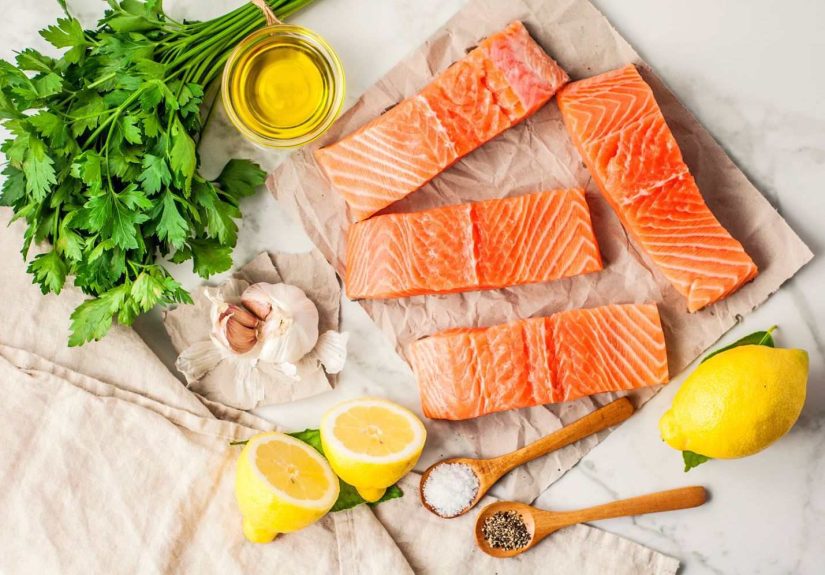
Preheat the oven to 400°F. Place the salmon on a parchment-lined baking sheet, skin-side down if it has skin. Mix the oil, lemon juice, lemon zest, garlic, salt, pepper, and seasoning in a small bowl, then brush it over the fish. Roast until the salmon flakes easily with a fork and reaches a safe internal temperature. For many fillets, this takes 10 to 15 minutes, though thicker pieces need more time.
Let the salmon rest for a few minutes before serving. This helps keep it moist. Then divide it into three portions: one for tonight’s dinner, one for a bowl or salad, and one for a crispy leftover meal. Store the extra salmon in shallow airtight containers in the refrigerator. Cooked leftovers are best used within a few days, so this is a plan for the near future, not a relic to discover behind the pickles next month.
Meal 1: Lemon-Herb Salmon Dinner With Vegetables
The first meal should celebrate the salmon while it is fresh from the oven. Serve it with roasted vegetables and a simple starch, such as baby potatoes, rice, quinoa, couscous, or crusty bread. This is the “I have my life together” plate, even if you cooked it while wearing mismatched socks.
For vegetables, choose ingredients that can roast beside the fish or cook quickly while it rests. Asparagus, broccoli, zucchini, green beans, cherry tomatoes, bell peppers, and carrots all work beautifully. Toss them with olive oil, salt, pepper, and a pinch of garlic powder. If using dense vegetables like potatoes or carrots, start them earlier so they become tender before the salmon is done.
Flavor Upgrade: Quick Yogurt-Dill Sauce
A sauce makes this dinner feel restaurant-level without requiring restaurant-level patience. Stir together plain Greek yogurt, chopped dill, lemon juice, a little garlic, salt, and pepper. Add a splash of water if you want it thinner. Spoon it over the salmon or serve it on the side. The sauce also becomes useful later for bowls, wraps, or salmon cakes.
This first dinner is intentionally clean and balanced: tender salmon, colorful vegetables, and a satisfying base. It is also the meal that sets up everything else. Before everyone goes back for seconds, quietly rescue the portions reserved for meals two and three. This is not selfish. This is meal planning with boundaries.
Meal 2: Salmon Grain Bowls With Crunchy Vegetables
Leftover salmon loves a grain bowl. A bowl lets you change the entire personality of the meal with a different sauce, base, and toppings. Yesterday’s lemon-herb salmon can become a Mediterranean bowl, a sushi-inspired rice bowl, or a spicy Southwest-style dinner.
Start with cooked rice, brown rice, quinoa, farro, barley, or cauliflower rice. Add vegetables with contrasting textures: cucumbers, shredded carrots, cabbage, radishes, avocado, edamame, spinach, arugula, roasted sweet potato, or pickled onions. Flake the cold or gently warmed salmon over the top. Then add a sauce that brings everything together.
Three Easy Bowl Ideas
Mediterranean salmon bowl: Use quinoa or couscous, cucumber, cherry tomatoes, red onion, olives, chickpeas, feta, and yogurt-dill sauce. Add a squeeze of lemon and a sprinkle of parsley.
Sushi-style salmon rice bowl: Use warm rice, cucumber, avocado, shredded carrots, edamame, sesame seeds, and a drizzle of soy sauce mixed with rice vinegar and a touch of honey. Add seaweed snacks on the side for crunch.
Southwest salmon bowl: Use rice, black beans, corn, avocado, salsa, shredded cabbage, lime juice, cilantro, and a spoonful of Greek yogurt or sour cream. Add chili powder or hot sauce if you like a little heat.
The best part is that grain bowls are forgiving. If you are missing one ingredient, replace it. No cucumber? Use lettuce. No quinoa? Use rice. No avocado? Take a deep breath and carry on bravely. The bowl does not need to be perfect; it needs to be colorful, balanced, and enjoyable.
Meal 3: Crispy Salmon Cakes or Salmon Tacos
By the third meal, the salmon is ready for a glow-up. Flaked cooked salmon can become crispy salmon cakes, taco filling, lettuce wraps, or even a quick pasta topping. This is where leftovers stop looking like leftovers and start acting like they have a publicist.
Option A: Crispy Salmon Cakes
In a bowl, mix 2 cups flaked cooked salmon with 1 egg, 1/3 cup breadcrumbs or crushed crackers, 1 tablespoon mayonnaise or Greek yogurt, 1 teaspoon Dijon mustard, 1 tablespoon chopped herbs, and a squeeze of lemon. Add black pepper and a pinch of salt. If the mixture feels too wet, add more breadcrumbs. If it feels too dry, add a little more yogurt or mayo.
Shape the mixture into small patties and chill them for 10 minutes if you have time. Pan-sear in a lightly oiled skillet over medium heat until golden on both sides. Serve with salad, roasted vegetables, rice, or tucked into slider buns with slaw. A crisp outside and tender inside will make everyone forget this began as leftover fish.
Option B: Salmon Tacos
For tacos, warm the flaked salmon gently in a skillet with a little olive oil, lime juice, cumin, chili powder, and smoked paprika. Pile it into warm tortillas with shredded cabbage, avocado, salsa, pickled onions, and a drizzle of yogurt-lime sauce. This meal comes together fast and feels completely different from the original roasted salmon dinner.
To make the yogurt-lime sauce, stir together Greek yogurt, lime juice, a pinch of salt, garlic powder, and a little honey. Add hot sauce if desired. The sauce is creamy, tangy, and just bossy enough to pull the taco together.
Smart Storage and Reheating Tips
Salmon can be wonderful as a leftover, but it needs a little respect. Cool cooked salmon promptly, store it in airtight containers, and refrigerate it. Keep sauces separate when possible so the fish does not become soggy. Label the container if your refrigerator is a mysterious land where leftovers go to become science projects.
When reheating salmon, go gentle. High heat can dry it out quickly. Use a low oven, a covered skillet, or short microwave bursts at reduced power. Add a splash of water, broth, or lemon juice to help keep moisture in the fish. For bowls and salads, you can also serve the salmon cold or room temperature, which avoids the classic office microwave seafood situation. Your coworkers will thank you silently, which is still thanks.
Flavor Strategy: Make One Salmon, Create Many Moods
The smartest way to transform salmon into three meals is to separate the base flavor from the finishing flavor. The base salmon should be simple: salt, pepper, olive oil, lemon, garlic. The finishing flavors can change at each meal. That is how one protein turns into multiple dinners without tasting repetitive.
For a bright, fresh direction, use lemon, dill, parsley, cucumber, yogurt, and greens. For Asian-inspired bowls, use soy sauce, ginger, sesame oil, rice vinegar, edamame, and seaweed. For smoky tacos, use cumin, paprika, chili powder, lime, cabbage, and salsa. For cozy comfort food, use breadcrumbs, mustard, potatoes, and a creamy sauce. The salmon is the main character, but the supporting cast keeps changing costumes.
Budget Tips for Salmon Dinner Plans
Salmon can be pricey, but there are ways to make it more budget-friendly. Frozen fillets are often less expensive than fresh and can be excellent quality when properly handled. Larger fillets may cost less per pound than individual portions. Canned salmon is another smart option for salmon cakes, pasta, and salads, especially when fresh salmon is not in the budget.
Stretch salmon with grains, beans, vegetables, and flavorful sauces. A small amount of flaked salmon can make a rice bowl feel satisfying when paired with avocado, edamame, cabbage, and a bold dressing. Salmon cakes also stretch the fish with breadcrumbs, herbs, and egg. This is not “hiding” the salmon; it is giving it backup dancers.
Common Mistakes to Avoid
The first mistake is overcooking. Salmon continues to cook slightly after it leaves the oven, so pulling it at the right time matters. Dry salmon can still be rescued with sauce, but moist salmon gives you much better leftovers.
The second mistake is seasoning too aggressively at the beginning. If you coat the entire batch in a very specific sauce, such as barbecue or teriyaki, you may limit your later options. Save bold sauces for individual meals.
The third mistake is storing everything together. Salmon, rice, vegetables, and sauce packed into one container may seem convenient, but textures suffer. Store components separately when possible. Future-you deserves crunch.
500-Word Experience Section: What Cooking Salmon for Three Meals Actually Feels Like
The first time you intentionally cook salmon for three meals, it feels almost suspiciously responsible. You put one tray in the oven, and suddenly you are not just making dinner; you are negotiating peace with the next two evenings. There is a quiet confidence in knowing tomorrow’s meal already has a head start. It is the kitchen version of finding twenty dollars in an old jacket, except the twenty dollars is protein and it smells like lemon.
In real life, this plan works best when you do not treat it like a rigid meal-prep boot camp. Nobody wants dinner to feel like homework with parsley. The joy comes from flexibility. One night, the salmon is elegant with roasted asparagus and potatoes. The next day, it is casual in a rice bowl with crunchy cucumbers and avocado. By the third meal, it has transformed into crispy cakes with a sauce so good you start wondering what else you can dip into it. A spoon? No judgment.
One practical lesson: cook slightly more salmon than you think you need. Leftover salmon has a habit of disappearing. Someone takes “just a little bite” while cleaning the kitchen. Someone else decides the reserved portion looks lonely and needs attention. By morning, your three-meal plan can become a one-and-a-half-meal plan if you are not careful. Portioning the leftovers into labeled containers right away helps. Labels may seem dramatic, but so is discovering your taco filling has vanished.
Another experience-based tip is to keep sauces ready. Sauce is the bridge between “leftovers again?” and “wait, this is actually dinner?” A small jar of yogurt-dill sauce, a quick soy-ginger dressing, or a lime crema can completely change the mood. Sauces also help protect salmon from dryness, especially when reheating. Even a squeeze of lemon and a drizzle of olive oil can wake up chilled salmon like a tiny culinary alarm clock.
Texture matters too. Since salmon is soft and flaky, add crunch wherever you can. Cabbage, radishes, cucumbers, toasted nuts, sesame seeds, tortilla strips, or crisp lettuce make leftover meals feel fresh. Without crunch, bowls can become too soft, and soft-on-soft meals are rarely exciting unless we are talking about mashed potatoes, which operate under their own laws.
The biggest surprise is how much calmer dinner becomes. Instead of starting from zero every night, you begin with a strong ingredient that is already cooked. That changes the whole energy of the evening. You are not battling the clock, the sink, and your own hunger at the same time. You are assembling, seasoning, warming, and enjoying. It feels less like a chore and more like a strategy.
Transforming salmon into three meals is not about being perfect. It is about making one smart cooking decision and letting it pay you back. The meals are healthy, flavorful, flexible, and quick enough for busy nights. Plus, there is something deeply satisfying about opening the refrigerator and seeing dinner possibilities instead of chaos in plastic containers. Salmon may not solve every problem, but on a weeknight, it can absolutely solve the loudest one: “What are we eating?”
Conclusion: One Salmon, Three Dinners, Zero Boredom
Learning how to transform salmon into three meals is one of the easiest ways to make dinner feel less stressful and more intentional. Start with a simply seasoned roasted salmon, enjoy it fresh with vegetables, turn the leftovers into a colorful grain bowl, then finish with crispy salmon cakes or tacos. The method saves time, reduces waste, and keeps meals interesting without requiring complicated techniques.
The real magic is variety. With smart storage, gentle reheating, and a few quick sauces, one batch of salmon can travel from elegant to casual to crispy comfort food. That is dinner planning at its best: practical, flavorful, and just clever enough to make you feel like you have a tiny chef living in your calendar.
Note: This article synthesizes practical cooking, seafood safety, nutrition, and sustainable shopping guidance from reputable U.S. sources, including USDA, FDA, FoodSafety.gov, the American Heart Association, Harvard T.H. Chan School of Public Health, and Monterey Bay Aquarium Seafood Watch.