Table of Contents >> Show >> Hide
- The Story Behind Deborah Ehrlich Glassware
- What Makes a Deborah Ehrlich Crystal Wine Glass Different?
- Why Wine Lovers and Design Lovers Both Care
- White Wine Glass vs. Red Wine Glass
- How It Looks on the Table
- Is Deborah Ehrlich Crystal Worth the Price?
- Care Tips for Deborah Ehrlich Crystal Wine Glasses
- Who Should Buy a Deborah Ehrlich Crystal Wine Glass?
- Experience: Living With a Deborah Ehrlich Crystal Wine Glass
- Final Thoughts
Some wine glasses enter the room like they own the place. They sparkle, they swirl, they practically demand their own spotlight and a dramatic soundtrack. A Deborah Ehrlich crystal wine glass does the opposite. It does not scream for attention. It barely raises its voice. And that is exactly the point.
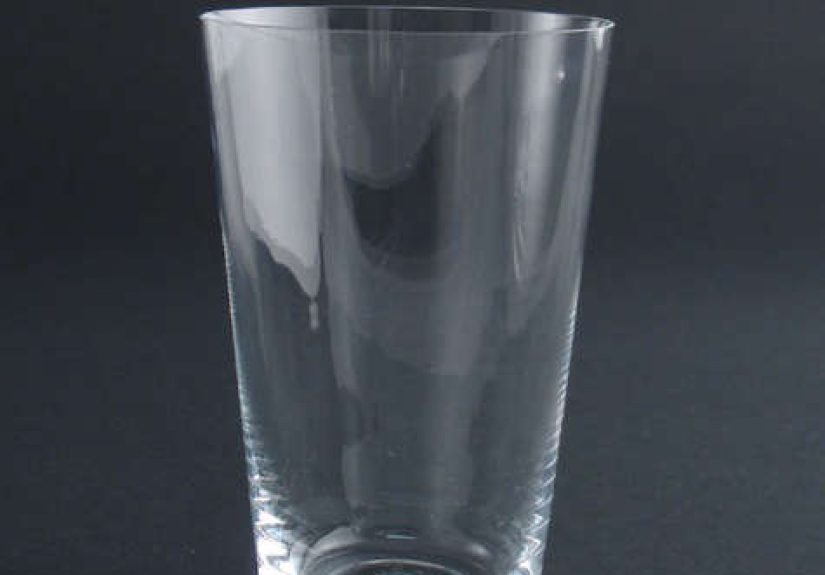
Among design lovers, Deborah Ehrlich glassware has earned a reputation for doing something surprisingly difficult: making restraint feel luxurious. Designed in New York’s Hudson Valley and hand-blown, cut, and polished in Sweden, these lead-free crystal glasses are known for their extreme clarity, thin lips, quiet proportions, and almost startling lightness. They look simple at first glance, but the longer you live with them, the more obvious it becomes that “simple” here does not mean plain. It means edited. Refined. Ruthlessly free of anything that does not belong.
If you are searching for a crystal wine glass that feels modern, tactile, and deeply intentional, Deborah Ehrlich’s work deserves a closer look. Whether you are considering the white wine glass, the red wine glass, or the broader Simple Crystal collection, this is the kind of tableware that turns an ordinary pour into a tiny design event. No fireworks. No jazz hands. Just very good taste and very beautiful crystal.
The Story Behind Deborah Ehrlich Glassware
To understand the Deborah Ehrlich crystal wine glass, it helps to understand the designer herself. Ehrlich is not a traditional tabletop designer who wandered into stemware because napkins got boring. Her background spans anthropology, sculpture, European restoration work, and design study in Copenhagen. That unusual path matters because her glasses do not behave like trend-driven luxury goods. They feel more like sculptural objects that happen to be useful, and useful objects that happen to be quietly beautiful.
Her glassware story took shape in the late 1990s after time spent in Provence, where wine was often served in small, unfussy tumblers. When she returned to New York, she could not find glassware that captured that same ease without tipping into either preciousness or blandness. So she designed her own. That first narrow, stemless champagne flute helped launch her company after Takashimaya placed an order, and the line has grown from there without losing its original DNA: everyday ritual elevated through proportion, material, and touch.
That origin story explains why a Deborah Ehrlich wine glass feels different from classic banquet-hall stemware. The goal is not theatrical presentation. The goal is intimacy. The glass is meant to feel right in the hand, right on the table, and right in the rhythm of real life. It is luxury without the peacocking.
What Makes a Deborah Ehrlich Crystal Wine Glass Different?
1. The design philosophy is minimalist, but not cold
Minimalist wine glasses can sometimes come off like they were designed by a very serious rectangle. Ehrlich’s work is cleaner and warmer than that. Her shapes are pared down, but they are not sterile. The bowl, lip, and base are balanced with a sculptor’s attention to proportion, so the glass feels calm rather than clinical. There is a softness to the experience, even when the geometry is precise.
2. The crystal is thin, clear, and unusually refined
A major part of the appeal is the material itself. Deborah Ehrlich crystal glassware is made from lead-free Swedish crystal, prized for strength and clarity. That strength allows the glass to be made with a very fine line and an exceptionally thin lip. In practical terms, this means the glass feels delicate without reading as flimsy, and the drinking experience feels more direct and less clunky than it does with heavier mass-market stemware.
3. The craftsmanship still matters here
In an era when “handmade” can mean almost anything from lovingly crafted to suspiciously vague, Ehrlich’s production story is refreshingly specific. Her pieces are designed in the Hudson Valley, then hand-blown, hand-cut, and hand-polished by master craftsmen in Sweden. That combination of a precise designer’s hand and an experienced maker’s hand is part of what gives the glass its special character. It is not just shaped. It is resolved.
4. The collection favors nuanced experience over flashy decoration
There is no heavy cut pattern, no ornamental stem, no baroque flourish trying to audition for a period drama. Instead, the details that matter are subtler: the weight, the lip, the balance, the way the crystal disappears visually so the wine becomes the star. If many luxury wine glasses are dressed for a gala, this one looks like it already knows the host.
Why Wine Lovers and Design Lovers Both Care
A Deborah Ehrlich crystal wine glass sits in a sweet spot between functional wine tool and collectible design object. For wine lovers, the benefit is sensory. The thin lip feels elegant, the bowl allows aroma to gather without making the experience feel too formal, and the crystal’s clarity lets the color and movement of the wine show beautifully. For design lovers, the benefit is visual and tactile. The glass looks effortless on the table, yet every part of it feels considered.
That crossover appeal is one reason Ehrlich’s glassware shows up in design-forward homes, museum-related shops, and high-end retail settings. It does not only belong to serious collectors or professional sommeliers. It also belongs to people who want their dining table to feel intentional without looking staged. This is the tableware equivalent of someone who always looks great and claims they “just threw this on,” except in this case the effortless look is backed by serious craft.
White Wine Glass vs. Red Wine Glass
When people search for “Deborah Ehrlich crystal wine glass,” they are often looking at either the white wine glass or the red wine glass. Both reflect the same overall design language, but they serve slightly different purposes.
The white wine glass tends to feel especially aligned with Ehrlich’s aesthetic: compact, restrained, and beautifully scaled. It is ideal for whites, rosés, and lighter pours when you want freshness and delicacy without a giant bowl taking over the table. It is the sort of glass that makes even a modest Tuesday-night Sauvignon Blanc feel like it got its life together.
The red wine glass brings a little more presence while staying within the same minimalist family. It is still refined and lightweight, but it gives fuller-bodied wines more room to open. Importantly, it does this without drifting into oversized “wine-glass-as-fishbowl” territory. If you dislike bulky crystal but still want something worthy of Pinot Noir, Nebbiolo, or a polished Cabernet, Ehrlich’s red wine glass offers a more edited alternative.
How It Looks on the Table
This is where Deborah Ehrlich glassware becomes especially persuasive. Some wine glasses only work in highly formal settings. Others look fine in casual homes but disappear in more elevated interiors. Ehrlich’s glasses manage the rare trick of fitting both worlds.
They look right at home beside linen napkins, handmade ceramics, and a roast chicken on a wooden board. They also look perfectly natural with silver, candles, and a more composed dinner setting. That versatility comes from their understated silhouette. They do not fight with the plates. They do not dominate the centerpiece. They simply make everything around them look more intentional.
In styling terms, these glasses pair particularly well with natural textures and quiet materials: washed linen, matte ceramics, unfinished wood, brushed metal, and soft candlelight. They are less compatible with loud, overly ornate place settings unless the goal is contrast. Think serene dinner party, not casino buffet.
Is Deborah Ehrlich Crystal Worth the Price?
Let us address the elegant elephant in the room: these are not bargain-bin wine glasses. You are paying more than you would for basic retail stemware, and probably more than you would for many mainstream luxury options too. The question is whether the value is real.
For the right buyer, yes. The price reflects several things at once: hand production, high-quality lead-free Swedish crystal, a distinct design point of view, and the fact that the pieces occupy a space between artisan object and functional tool. You are not just buying a vessel for Pinot Grigio. You are buying the result of a long design process that prioritizes scale, weight, and use in a way many products simply do not.
That said, these glasses make the most sense for shoppers who actually notice and care about those differences. If you mainly need twelve glasses for large backyard parties where things may get dropped by someone enthusiastically explaining orange wine for the first time, there are cheaper options. But if you care about touch, ritual, craftsmanship, and how a glass changes the mood of the table, Deborah Ehrlich crystal can absolutely justify its premium position.
Care Tips for Deborah Ehrlich Crystal Wine Glasses
Because the crystal is fine and hand-finished, these glasses deserve thoughtful care. Most retailers recommend hand washing, and that advice is worth following. Use mild soap, warm water, and a soft cloth. Avoid aggressive stacking, harsh detergents, or tossing one into a crowded sink as if it were a coffee mug with no dreams.
Dry the glass carefully and store it with enough breathing room that rims and sides do not knock together. Like many luxury tabletop pieces, longevity depends partly on craftsmanship and partly on whether you treat the object like an object worth keeping.
Who Should Buy a Deborah Ehrlich Crystal Wine Glass?
This glass is a strong choice for people who love minimalist design, appreciate handcrafted objects, entertain in a thoughtful but unfussy way, or want wine glasses that feel special without looking overdesigned. It is also an excellent gift for design-conscious newlyweds, serious hosts, or the friend whose kitchen somehow makes even a bowl of lemons look editorial.
It may not be the best fit for someone who prefers ornate cut crystal, ultra-traditional stemware, or purely utilitarian drinkware. Deborah Ehrlich’s work is about subtlety, and subtlety only pays off when the person using it is open to noticing small things done exceptionally well.
Experience: Living With a Deborah Ehrlich Crystal Wine Glass
The real magic of a Deborah Ehrlich crystal wine glass shows up after the unboxing, after the admiration, and after the first “wow, this is light” moment. It shows up in use. In repetition. In the surprisingly emotional territory of ordinary evenings made just a little more beautiful.
Imagine pouring a chilled white wine at the end of a long day. The kitchen is not styled for a magazine. The counter has mail on it. There is probably a spoon where no spoon should be. But then you reach for this glass, and suddenly the whole scene tightens into focus. The crystal catches the light without shouting. The bowl feels balanced in your hand. The lip is so fine that the first sip feels less like drinking from a container and more like drinking from the wine itself. That sounds dramatic, but only because it is hard to describe understatement without making it sound like a poem.
That is the experience Ehrlich’s work offers: not drama, but clarity. Not ceremony for ceremony’s sake, but a gentler form of attention. You notice the color of the wine more. You notice how the glass sits beside a plate. You notice that your table does not need more stuff, only better choices. Even water looks improved in these glasses, which is both delightful and slightly rude to every other glass in the cabinet.
At a dinner party, the effect is different but equally persuasive. Guests may not immediately know why the table feels so good, but they tend to feel it. The glasses do not hijack the setting, yet they contribute to a mood of ease and confidence. They say the host cares, but is not trying too hard. They say the meal matters, but not in a white-tablecloth, whisper-to-the-waiter kind of way. More like: there will be good bread, someone will refill your glass before you ask, and dessert may involve excellent olive oil and a little sea salt.
There is also something satisfying about the tension built into the object itself. The glass looks fragile, but the Swedish crystal has real strength. The design feels minimal, but the labor behind it is extensive. The silhouette is quiet, but the effect on the table is memorable. Living with a Deborah Ehrlich crystal wine glass means living with that tension every time you use it. It is delicate strength made visible.
And that may be the best argument for the piece. It does not turn wine into a personality trait. It does not ask you to become a collector, a connoisseur, or a person who says “mouthfeel” six times before appetizers. It simply makes the act of pouring, holding, sipping, and sharing feel better. More grounded. More beautiful. More yours.
In a market crowded with loud luxury and disposable trend pieces, that kind of experience is rare. A Deborah Ehrlich wine glass does not beg for attention. It earns affection. Slowly, quietly, and then all at once.
Final Thoughts
The Deborah Ehrlich crystal wine glass is a lesson in how design can be both modest and exacting. It carries the marks of serious craft without becoming precious, and it offers a refined drinking experience without lapsing into showiness. Designed in the Hudson Valley and made by Swedish artisans, it represents a thoughtful blend of contemporary form, traditional technique, and material intelligence.
For shoppers looking for handcrafted crystal glassware, minimalist wine glasses, or a design-led alternative to standard luxury stemware, this collection stands out for all the right reasons. It is not just about what the glass looks like on a shelf. It is about what it feels like in the hand, what it does to the table, and how it makes a simple glass of wine feel just a little more meaningful.
In other words, if your ideal wine glass is elegant, understated, impeccably made, and allergic to unnecessary drama, Deborah Ehrlich may already have designed your favorite one.