Table of Contents >> Show >> Hide
If classic Scandinavian style was the cool, composed friend who always looked effortlessly put together, The New Nordic is that same friend after discovering better lighting, softer sweaters, and the emotional power of a really good oak side table. It still loves simplicity. It still hates clutter. But now it feels warmer, richer, more textured, and far less interested in looking like a showroom where no one is allowed to eat crackers.
That is exactly why this look has become one of today’s biggest interior design obsessions. Across design magazines, home tours, and trend reports, the modern Nordic aesthetic keeps popping up in slightly different outfits: warm minimalism, soft Scandinavian, organic modern, even Japandi-adjacent. Whatever label it wears, the message is the same. People want homes that feel calm but not cold, minimal but not empty, practical but still beautiful.
In other words, we are no longer chasing stark perfection. We are chasing serenity with a throw blanket.
What Is the New Nordic, Exactly?
The New Nordic is a fresh evolution of traditional Scandinavian interior design. It keeps the core values that made Nordic style so beloved in the first place: functionality, clean lines, natural light, and a strong connection to nature. But instead of leaning hard into bright white walls, barely-there decor, and strict minimalism, this updated version brings in more softness, more depth, and more personality.
Think pale oak and walnut instead of only icy blond wood. Think creamy whites, mushroom taupe, muted sage, dusty clay, warm gray, and soft greige instead of a sea of hospital-corridor white. Think hand-thrown ceramics, linen curtains, nubby wool throws, sculptural lamps, matte finishes, vintage accents, and furniture that looks as if it was chosen by a human being with both taste and a pulse.
This is still Scandinavian design, just with the thermostat turned up emotionally.
From Minimalism to Warm Minimalism
One of the biggest reasons the New Nordic feels so current is its embrace of warm minimalism. For years, many homeowners admired minimal interiors but did not actually want to live in them. A room can be visually calm and still feel a little stern, like it is silently judging your mail pile.
The New Nordic solves that problem beautifully. It keeps surfaces clean and layouts intentional, but it layers in tactile comfort. A streamlined sofa becomes more inviting with boucle or woven upholstery. A simple dining table feels more alive with visible wood grain and hand-finished edges. A neutral room becomes memorable when you mix stone, wool, linen, ceramic, rattan, and patinated metal. Less is still more, but only if “less” knows how to set a mood.
Why Everyone Is Obsessed With the New Nordic Look
1. It makes a home feel calmer without feeling boring
Modern life is loud. Notifications buzz, screens glow, and every algorithm seems determined to turn your brain into a browser with 47 tabs open. The New Nordic offers visual relief. Its uncluttered layouts and restrained palette create a sense of quiet, but the added warmth keeps the space from feeling sterile.
This balance is the sweet spot. People do not want chaos, but they also do not want to live inside an empty candle ad. The New Nordic gives them both clarity and comfort.
2. It makes natural materials the star
Wood, stone, linen, leather, wool, and clay are central to the look, and that matters. Rooms built around natural materials tend to age more gracefully than trend-heavy spaces packed with synthetic finishes. A solid wood bench or a wool rug may show wear over time, but that wear often adds charm rather than subtracting value.
This emphasis on natural texture also explains why New Nordic interiors photograph so well. Even when the color palette is subtle, the room still feels dynamic because texture is doing the heavy lifting.
3. It works for real life
At its best, Nordic design has always treated function like a love language. The New Nordic keeps that practicality front and center. Storage is smart. Furniture is useful. Layouts are flexible. Pieces are chosen because they earn their keep, not because they look dramatic for six weeks on social media.
That makes the style especially appealing in apartments, family homes, and multipurpose spaces. A bench can hold bags. A cabinet can conceal visual clutter. A wall sconce can free up bedside space. A round dining table can soften a small room while making it easier to move around. Beauty is welcome here, but it has to pull its weight.
4. It plays nicely with other design styles
The New Nordic is remarkably adaptable. Pair it with Japanese influences and you get a soothing Japandi mood. Add vintage pieces and deeper woods, and it leans more collected and European. Introduce sculptural lighting and bold artwork, and it turns editorial. Add woven accents and plants, and it picks up a soft organic-modern vibe.
This flexibility makes it easier for homeowners to adopt without feeling locked into one rigid aesthetic. You do not need to throw away your personality to get the look. You just need to edit with intention.
The Signature Elements of New Nordic Interior Design
A warm, earthy neutral palette
White still has a place, but it is no longer the entire personality of the room. The New Nordic palette is more nuanced: ivory, oat, sand, mushroom, putty, taupe, warm gray, muted green, weathered blue, and clay. These shades feel grounded and sophisticated, and they work beautifully with wood tones and natural fabrics.
If you want one fast design shortcut, this is it: swap cool white for creamy white and watch the room exhale.
Wood with visible grain
Light oak remains a Nordic favorite, but darker or medium woods are also entering the conversation. Walnut, ash, pine, and smoked finishes can add welcome contrast. The key is authenticity. The New Nordic does not want glossy fake perfection. It wants grain, variation, and a finish that feels touchable.
Layered textures
Texture is where the magic happens. Linen drapes. Boucle chairs. Wool throws. Woven baskets. Ceramic lamps. Stone trays. Fluted glass. Matte plaster. Sheepskin. Ribbed wood. These elements create depth without visual noise, which is why New Nordic rooms often feel rich even when they use only a few colors.
Soft lighting
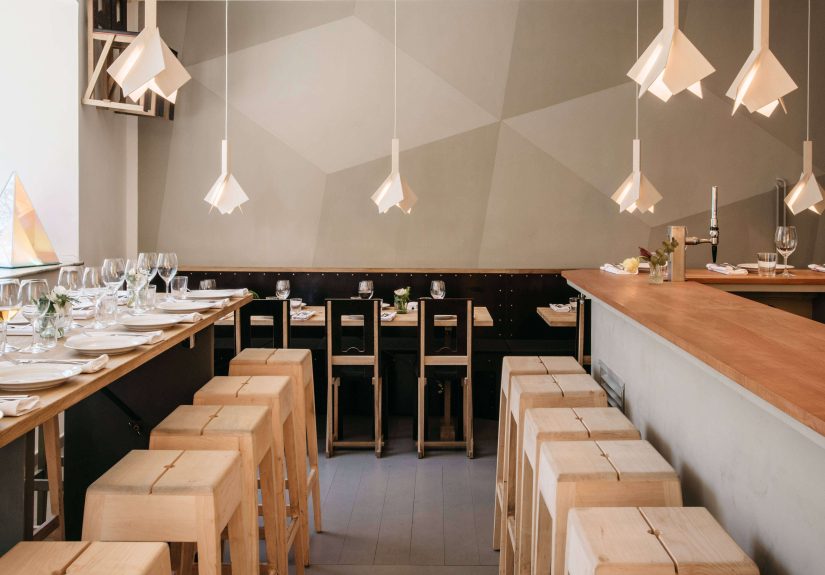
Harsh overhead lighting is basically the villain of the New Nordic story. This style favors layered, ambient light: table lamps, floor lamps, wall sconces, candles, and pendant lighting with diffused glow. Since Nordic design has long been shaped by dark winters, lighting is not an afterthought here. It is atmosphere, comfort, and survival with better lampshades.
Craftsmanship and imperfection
One reason this style feels more grown-up than trend-chasing decor is its respect for craftsmanship. Handmade ceramics, woven textiles, vintage wooden stools, and artisan pieces bring soul into a room. The goal is not flawless sameness. The goal is character. Tiny imperfections, subtle patina, and handmade variation help a room feel lived in instead of staged for judgment.
How to Bring the New Nordic Look Home
Start with a calm base
Choose a restrained palette for walls, rugs, and larger furniture pieces. Cream, light taupe, pale gray-beige, and muted earth tones are ideal. This gives the room a soothing foundation and makes it easier to build in warmth through materials.
Choose fewer, better pieces
Instead of filling a room quickly, focus on furniture with clean silhouettes and solid presence. A simple oak coffee table, a well-made lounge chair, or a streamlined storage cabinet will do more for the look than ten trendy accessories ever could.
Mix smooth and tactile finishes
Every room needs contrast. Pair smooth wood with slubby linen. Balance stone with soft upholstery. Set crisp shapes against cozy textiles. The room should feel like it can be seen and touched.
Let empty space do some work
Not every wall needs art, and not every shelf needs decorative objects that seem to have been purchased in a panic. The New Nordic is confident enough to leave breathing room. Negative space is part of the design, not an unfinished task.
Add one or two sculptural moments
Because the palette is often quiet, shape becomes more important. A curved chair, a mushroom lamp, a pedestal table, or a chunky ceramic vase can add interest without disrupting the room’s calm. Think subtle drama, not diva behavior.
Where the New Nordic Works Best
Living rooms
This is where the style really shines. A New Nordic living room feels welcoming, breathable, and easy to use. Start with a comfortable sofa in a soft neutral, add a wood coffee table, layer in a wool rug, and finish with lighting that flatters everyone in the room. A few books, a branch in a vase, and one good chair later, you are basically done.
Kitchens
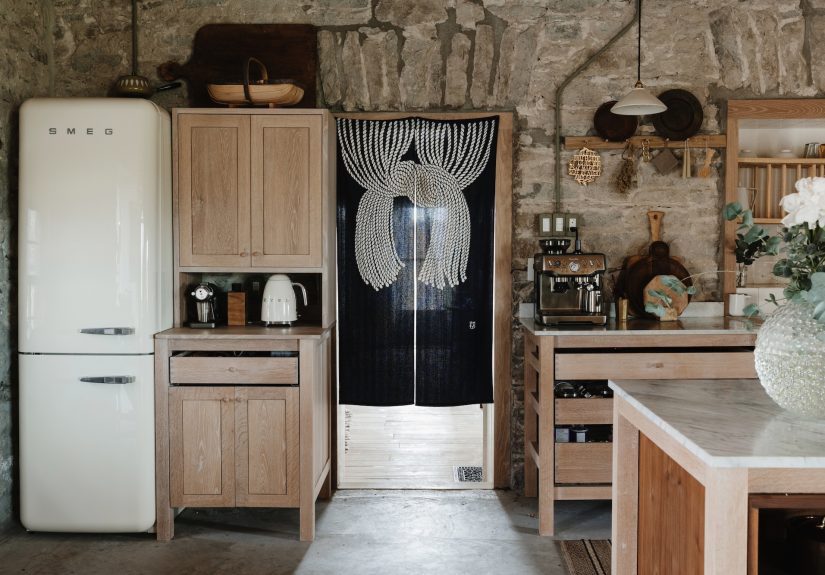
Scandinavian-inspired kitchens are beloved for good reason. Flat-front cabinetry, wood accents, open shelving used sparingly, integrated storage, stone counters, and thoughtful lighting can make even a compact kitchen feel elevated. The New Nordic version adds warmth through mixed wood tones, textured ceramics, and less clinical styling.
Bedrooms
A New Nordic bedroom is a master class in restraint and comfort. Crisp bedding, layered blankets, soft lighting, light-filtering curtains, and simple bedside furniture help create a space that supports actual rest. Revolutionary idea, honestly.
Beyond Decor: The New Nordic as a Feeling
What makes this trend stick is that it is not only about how a room looks. It is about how a room behaves. The New Nordic supports slower mornings, tidier routines, more mindful buying, and a stronger relationship with home as a place of restoration.
That may sound lofty for a design trend, but the best home aesthetics always reflect something bigger. In this case, the obsession with the New Nordic reveals a real cultural craving: people want beauty that lowers stress, materials that feel honest, and homes that support daily life instead of performing for it.
It is less about chasing a perfect Scandinavian fantasy and more about creating spaces that feel grounded, functional, and deeply human. Which, in an era of endless digital noise and disposable trends, feels less like a style choice and more like a survival strategy with excellent taste.
Living the Look: of New Nordic Experience
To really understand the New Nordic, you have to imagine the experience of moving through a home shaped by it from morning to night. Start with the morning light. It is soft, filtered through linen curtains that do not block the sun so much as politely negotiate with it. The room is quiet, not empty. A pale wood floor catches a little warmth. A ceramic mug sits on a side table with the sort of casual confidence only handmade objects seem to possess. Nothing is shouting for attention, and somehow that makes everything feel more beautiful.
In a New Nordic kitchen, the appeal is not just visual. It is practical in a deeply satisfying way. The drawers open smoothly. The shelves hold only what is needed and loved. A cutting board leans against a stone backsplash like it belongs there because it does. Fruit in a bowl is not trying to be a centerpiece; it just happens to look fantastic because the room has made peace with simplicity. Even making toast feels a little cinematic, which is impressive for toast.
By afternoon, the genius of the style becomes even clearer. The living room is not crowded with furniture that serves only decorative ego. Instead, there is space to stretch out, read, work, or talk. A chair by the window becomes a favorite place, not because it is flashy, but because the proportions are right, the fabric feels good, and the light lands there beautifully around 3 p.m. The room works with life instead of demanding special handling. It is elegant, yes, but it would also survive a spilled coffee or an unexpectedly enthusiastic dog.
There is also something emotionally intelligent about New Nordic design. It understands that comfort is not clutter, and minimalism does not have to mean emotional austerity. A wool throw folded over an armchair. A paper-shaded lamp glowing in the corner. A bench in the entry that makes taking off shoes feel like part of a ritual rather than a random act of collapse. These details are small, but together they create a sense of rhythm. Home begins to feel edited in the best way, not stripped down but thoughtfully distilled.
By evening, the style is at its strongest. Lamps come on one by one. The overhead light stays off because this is not an interrogation room. Wood surfaces deepen in tone, soft fabrics catch shadows, and the whole home seems to exhale. This is where the New Nordic really wins: it understands atmosphere. It knows that a home should support winding down, gathering together, and being present. It invites quiet conversation, second helpings, and the kind of comfort that cannot be faked with a cart full of trend pieces.
Maybe that is why so many people are drawn to it now. The New Nordic is not trying to impress through excess. It is trying to improve daily life. It values calm, utility, beauty, and texture in equal measure. It feels modern without being harsh, minimal without being joyless, and stylish without begging for applause. In a world full of visual noise, that kind of design feels less like a passing obsession and more like a very smart long-term relationship.
Conclusion
The New Nordic proves that Scandinavian design never really went away; it just got softer, warmer, and wiser. This updated aesthetic blends the best of Nordic interiors, warm minimalism, and natural-material living into one highly livable style. It is clean but cozy, edited but expressive, and timeless without feeling stiff. Whether you are refreshing a single room or rethinking your whole home, the lesson is simple: choose beauty with purpose, embrace texture, and leave enough breathing room for life to actually happen. That is the real magic of the New Nordic. It does not just look good. It feels good, too.