Table of Contents >> Show >> Hide
- What are cold sores, exactly?
- Why people consider essential oils for cold sores
- Essential oils and plant-based products people talk about most
- What are the real risks of using essential oils on cold sores?
- How to think about safer use if you still want to try a plant-based product
- What usually has stronger evidence than essential oils
- When should you contact a doctor?
- Common experiences people have with cold sores and essential oils
- Conclusion
Cold sores have a spectacular talent for showing up at the worst possible time: before a date, before a presentation, before photos, or basically whenever your lips were hoping for a peaceful week. These small blisters, also called fever blisters, are usually caused by herpes simplex virus type 1 (HSV-1). Once the virus is in the body, it can reactivate later, which is why some people deal with repeat outbreaks.
Because cold sores can sting, crust, tingle, and generally ruin the mood, many people look for fast, natural fixes. Essential oils often make that list. Tea tree, peppermint, eucalyptus, and lemon balm products get talked about online as if they are tiny botanical superheroes. The reality is more complicated. Some plant-based ingredients show limited antiviral or soothing potential, but the evidence is mixed, the safety questions are real, and “natural” does not automatically mean “gentle enough for a sore on your face.”
This guide breaks down the essential oils people commonly discuss for cold sores, what the science does and does not say, the real risks of using them, and when it is smarter to call a doctor instead of staging a one-person spa experiment on an irritated lip.
What are cold sores, exactly?
Cold sores are small fluid-filled blisters that usually appear on or around the lips. Some people feel itching, tingling, burning, or tenderness before the blister even appears. Then the sore may blister, break open, crust over, and heal over the next several days to two weeks.
Common triggers include stress, illness, sunlight, chapped lips, fatigue, hormone changes, and harsh weather. In other words, cold sores are sometimes less like a random surprise and more like your body’s passive-aggressive response to being overbooked, underslept, sunburned, or all three at once.
Why people consider essential oils for cold sores
People reach for essential oils for three main reasons. First, some oils and herbal extracts have shown antiviral activity in lab research. Second, a few products may offer a cooling or soothing sensation. Third, many people prefer trying nonprescription options before asking for antiviral medicine.
That said, there is a huge difference between an ingredient showing promise in a petri dish and a treatment proving safe and effective on a cold sore sitting on a very sensitive part of the face. The skin around the lips is thin, cold sores can crack open, and concentrated oils can burn, irritate, or trigger allergic reactions. So the question is not just, “Can this ingredient do something?” It is also, “Can it do something useful without making my mouth angrier?”
Essential oils and plant-based products people talk about most
Lemon balm: the most interesting option, with an important asterisk
Lemon balm is probably the plant-based ingredient with the most encouraging reputation in cold sore conversations. Some small studies suggest that topical lemon balm preparations may help reduce symptoms or support faster healing. But here is the important asterisk: lemon balm is often studied or sold as an extract or cream, not always as a classic essential oil in the strict aromatherapy sense.
That distinction matters. A prepared cream with measured ingredients is not the same thing as dabbing a highly concentrated oil blend directly onto a cold sore and hoping for the best. If someone wants to try a plant-based topical product, a commercially prepared, skin-safe product is generally a more sensible choice than improvising with a full-strength oil bottle.
Tea tree oil: popular online, but not a clear winner
Tea tree oil is one of the most famous “natural remedy” oils on the internet. It is often praised for antimicrobial effects, which sounds promising until you remember that cold sores are caused by a virus, not a simple surface blemish. More importantly, high-quality evidence for tea tree oil specifically treating cold sores is limited.
Tea tree oil also comes with a bigger safety headache than many people realize. It can irritate skin, trigger allergic reactions, and it should never be swallowed. Because cold sores sit on or around the lips, any product used there can accidentally end up in the mouth. That risk alone should make people pause before treating tea tree oil like flavored lip gloss with ambition.
Peppermint oil: cooling feeling, limited clinical proof
Peppermint oil gets attention because it feels cool and refreshing, and menthol can create the impression that something powerful is happening. Sometimes something powerful is happening, but it is called “irritation.” Topical peppermint oil can cause stinging, redness, or rash, especially on damaged skin.
There is not strong clinical evidence showing peppermint oil is a reliable cold sore treatment. A cooling sensation may feel nice for a moment, but feeling active and being effective are not the same thing. That little minty drama is not a guaranteed sign of healing.
Eucalyptus oil: interesting in theory, weak in real-world proof
Eucalyptus oil is sometimes mentioned because of its antimicrobial reputation and general use in cold-season products. But for cold sores, the clinical evidence is thin. Like other essential oils, eucalyptus can irritate already damaged skin and is dangerous if swallowed. It is not something to casually apply near an open blister or use inside the mouth.
Lavender, oregano, and “mystery blends”
Many people also run into lavender oil, oregano oil, or branded blends marketed as “immune support” or “lip rescue.” These products often sound impressive because the labels are full of botanical names and confidence. Unfortunately, labels are not the same as evidence. Lavender can also irritate skin in some people. Oregano oil is especially known for being potent and potentially irritating. And combination blends can make it harder to figure out which ingredient caused a reaction.
The bottom line: if a product relies more on vibes than medical clarity, your cold sore may not be the best testing ground.
What are the real risks of using essential oils on cold sores?
Skin irritation and burning
This is the most common problem. Essential oils are concentrated. Cold sores involve inflamed skin, and sometimes broken skin. Put those together and you have the perfect recipe for stinging, burning, redness, or a rash. If the product feels like your lip has offended it personally, stop using it.
Allergic contact dermatitis
Some people react to essential oils even when the oil is diluted. Tea tree and lavender are common examples of oils that can trigger skin reactions in sensitive users. An allergy can make the area look worse, feel itchier, and become more confusing to manage.
Accidental swallowing
This is a major issue for products used near the mouth. Some essential oils can be toxic if swallowed, even in surprisingly small amounts, and children are especially vulnerable. If a remedy is not clearly intended for use on the lips or around the mouth, that is a very good reason not to freestyle with it.
Eye exposure
Cold sores near the eye are already a medical concern. Adding essential oils near the eye is a terrible bonus problem nobody asked for. Oils can cause serious irritation, and herpes involving the eye can threaten vision. If a sore is close to the eye, skip the home-remedy experiments and get medical advice promptly.
Photosensitivity and extra irritation
Some essential oils, especially certain citrus oils, can increase sun sensitivity. Since sunlight itself can trigger cold sores in some people, applying a sun-sensitizing oil to the area is basically like handing your outbreak a tiny beach chair and sunscreen-free vacation.
False confidence
One of the biggest risks is not chemical at all. It is delay. If someone spends days trying oil after oil while a sore gets worse, spreads, or creeps toward the eye, they may miss the window where proven antiviral treatment would have helped most.
How to think about safer use if you still want to try a plant-based product
If you are determined to try something botanical, the safest approach is not to use a pure essential oil directly from the bottle. A better option is a commercially prepared topical product made for skin use and clearly labeled for external application. Products designed for human skin are generally a smarter choice than DIY mixtures made from concentrated oils.
Even then, be cautious. Avoid using any oil inside the mouth, avoid the eye area completely, and stop immediately if you notice more pain, swelling, rash, or burning. Do not use strong products on children without medical guidance. And if you are pregnant, breastfeeding, have eczema, have a weakened immune system, or have a history of skin reactions, check with a clinician before trying something new.
What usually has stronger evidence than essential oils
Antiviral treatments
Cold sores do not have a cure, but antiviral treatments can help shorten an outbreak or reduce how severe it becomes. Prescription options may include acyclovir, valacyclovir, famciclovir, or other clinician-directed antivirals. These tend to work best when started early, ideally during the tingling or burning stage before the blister fully forms.
For people who get frequent outbreaks, a doctor may suggest episodic treatment to use at the first sign of symptoms, or sometimes suppressive treatment to reduce recurrences.
Over-the-counter cold sore products
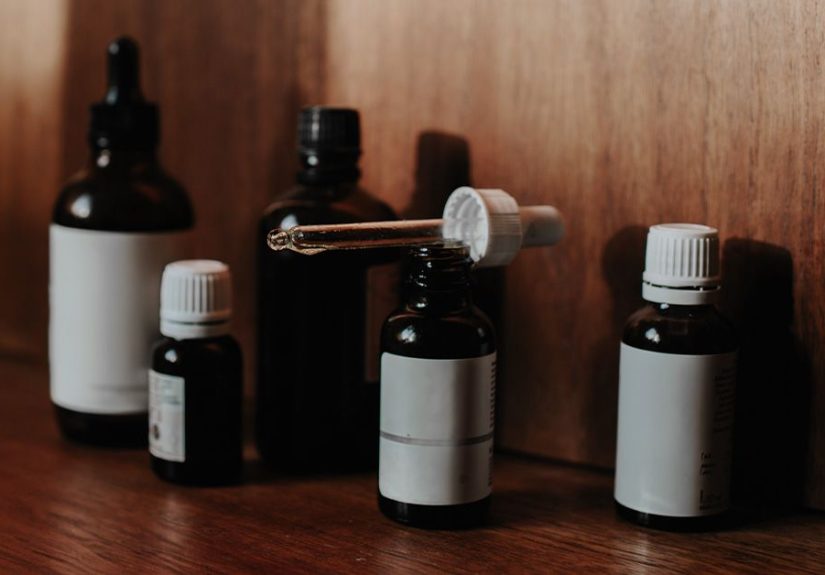
Some over-the-counter products are made specifically for cold sores. These may help with healing time or symptom relief. They are not glamorous, and they do not come in amber glass bottles with poetic labels, but they are often a more evidence-based choice than random oil blends.
Supportive care that is boring but useful
- Use petroleum jelly or a lip-safe barrier product to prevent cracking.
- Use lip balm with SPF to reduce sunlight-triggered outbreaks.
- Avoid picking, peeling, or aggressively scrubbing the sore.
- Try a cool compress for comfort.
- Stay hydrated and avoid foods that sting the area, such as very salty, spicy, or acidic foods.
- Wash hands after touching the sore, and do not share lip balm, drinks, utensils, or towels.
When should you contact a doctor?
This part matters. A cold sore is often manageable at home, but not always. You should contact a doctor, dentist, dermatologist, or other healthcare professional if:
- The sore is near your eye, or you have eye pain, redness, blurry vision, watery discharge, or light sensitivity.
- The sore lasts longer than about two weeks or keeps getting worse instead of better.
- You have severe pain, trouble eating or drinking, or you are getting dehydrated.
- You get frequent cold sores, especially several outbreaks a year.
- You have eczema, a weakened immune system, or another condition that could raise the risk of complications.
- You are not sure it is actually a cold sore.
- You tried a home remedy and the area became more inflamed, burned, or rashy.
If you have signs of an eye infection or the sore seems to spread in an unusual way, do not wait for a miracle from peppermint optimism. Get medical care promptly.
Common experiences people have with cold sores and essential oils
One reason essential oils remain so popular for cold sores is that the experience of having a cold sore feels deeply personal, inconvenient, and visible. People often describe the first phase as a weird, unmistakable warning: a little tingling, itching, tightness, or heat right on the edge of the lip. Many say that once they feel that familiar tingle, they go into “rapid response mode” and start searching the bathroom cabinet, kitchen drawer, purse, or internet for anything that might stop the blister before it fully appears.
Another common experience is trial and error. Someone hears that tea tree oil worked for a friend, while another person swears by lemon balm cream, and someone else claims peppermint oil “dried it right up.” Then real life happens. One person feels temporary cooling. Another feels a sharp sting and washes it off immediately. Another uses too much, too often, and ends up with lips that are not just sore but irritated in a whole new way. This is one reason cold sore stories online can sound wildly different. Different skin, different products, different concentrations, and different timing can lead to very different outcomes.
Many people also describe frustration with the clock. Even when they do everything “right,” a cold sore can still move through its annoying little life cycle. That is why some people eventually realize that the goal is not always to magically erase the outbreak overnight. Sometimes the real win is reducing pain, avoiding extra irritation, preventing spread, and helping the sore heal without drama.
There is also the emotional side. People often feel embarrassed about cold sores, even though they are common. They may cancel plans, avoid kissing, skip photos, or feel self-conscious at school or work. Because of that, “natural remedies” can feel appealing not just medically, but emotionally. They offer the feeling of control. Doing something feels better than doing nothing. And to be fair, that feeling matters. The problem is when the search for control turns into putting harsh, concentrated products on already inflamed skin.
A practical experience many repeat-outbreak patients talk about is learning their triggers. Some notice outbreaks after long sunny days, stressful weeks, lack of sleep, or when their lips get dry and cracked. Others notice that if they start a proven treatment early, use SPF lip balm, rest more, and stop touching the area, their outbreaks become easier to manage over time. In contrast, people who pile on multiple products at once often end up unsure which one helped and which one made things worse.
Finally, a lot of people say the biggest lesson is knowing when to stop self-treating. If a sore looks unusual, lasts too long, keeps returning, spreads, or gets close to the eye, most experienced patients learn that a doctor visit is not overreacting. It is efficient. Sometimes the best cold sore wisdom is surprisingly unglamorous: use evidence-based care early, be gentle with your skin, protect your lips from sun, and do not let a tiny blister bully you into bad decisions.
Conclusion
Essential oils for cold sores live in that crowded space between “interesting idea” and “not nearly as simple as social media makes it sound.” Lemon balm products may have the most encouraging plant-based evidence, but even there, a prepared topical product is very different from using a concentrated essential oil like a DIY chemistry set. Tea tree, peppermint, and eucalyptus get lots of attention, yet their risks often arrive more reliably than their benefits.
If you want the shortest path to something sensible, think in this order: protect the area, avoid triggers, use lip-safe supportive care, consider proven over-the-counter or prescription antivirals, and contact a doctor when the sore is severe, frequent, prolonged, or anywhere near the eye. In other words, choose calm over chaos. Your lip has been through enough.
Note: This article is for educational purposes only and is not a substitute for personalized medical advice, diagnosis, or treatment.