Table of Contents >> Show >> Hide
- What Authorities Say Happened
- Why the Girl’s Escape Is Being Called Brave
- The Legal Update: State Charges and Federal Indictment
- A Case That Highlights a Bigger Problem
- Warning Signs Adults Should Not Ignore
- Why Community Awareness Can Save Lives
- How Schools and Neighbors Fit Into the Safety Net
- Bravery Should Not Be the Whole Plan
- What Healing May Look Like After Escape
- Lessons Families Can Take From This Case
- Experiences and Reflections Related to the Topic
- Conclusion
Note: This article discusses a sensitive case involving a minor. It avoids graphic descriptions and focuses on public information, community awareness, child safety, and recovery.
Some stories are so heavy that even the internet, a place normally capable of arguing about pineapple on pizza for six straight hours, pauses for a moment. The case of a 12-year-old Texas girl who escaped a home where authorities say she was severely mistreated is one of those stories. It is not just a crime report. It is a reminder that a child’s courage can sometimes be the first crack in a wall of silence.
According to public reports and law enforcement statements, the girl had already been living through an unsafe situation before she sought help from adults she believed would protect her. Instead, investigators allege that the danger continued inside a Conroe, Texas home. After months of alleged mistreatment, the child managed to escape and tell authorities what had happened. That single act of survival has led many people online to praise her bravery, while officials have emphasized the importance of community awareness and reporting suspected child abuse.
The story is painful, but it also carries an important message: children should never have to rescue themselves alone. Adults, neighbors, schools, relatives, medical professionals, and communities all have a responsibility to notice warning signs and act before a child is forced into a last-ditch escape.
What Authorities Say Happened
The case came to public attention after Montgomery County Sheriff’s Office deputies and detectives responded in late September 2025 to a call involving a 12-year-old child who reported ongoing abuse. The child was taken for medical care, and authorities said medical staff found injuries consistent with abuse and malnutrition. Her identity has remained private, as it should. A child’s safety matters more than public curiosity, no matter how loud the true-crime crowd gets.
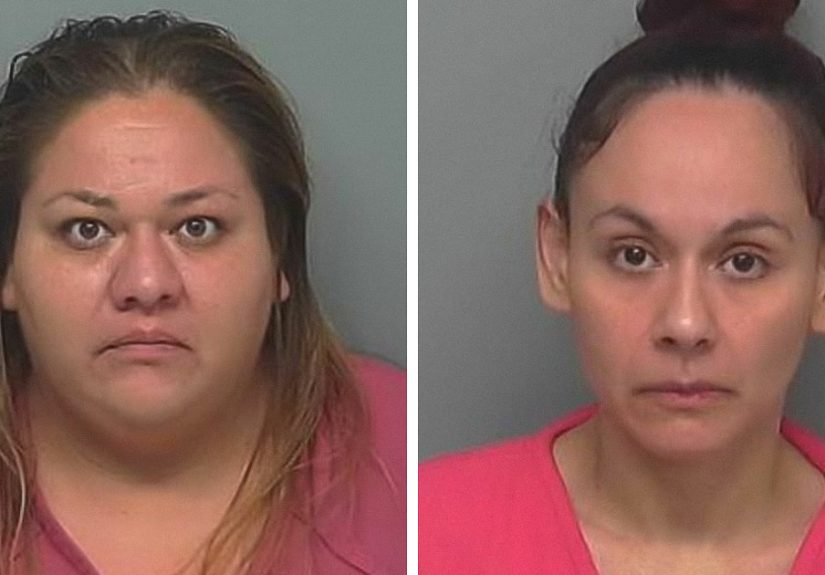
Two sisters, Brenda Garcia and Tania Garcia, were arrested in early October 2025. Local authorities initially charged them with felony injury to a child and unlawful restraint, and Tania Garcia also faced an invasive visual recording charge. Later, federal prosecutors announced that a grand jury had returned a two-count indictment accusing the women of kidnapping, abuse, and forced labor of a minor between March and September 2025.
It is important to use careful language here. An indictment is an accusation, not a conviction. The defendants are presumed innocent unless proven guilty in court. Still, the allegations described by investigators and prosecutors are deeply serious, and the case has drawn national attention because of both the child’s age and the claim that she had turned to adults for safety.
Why the Girl’s Escape Is Being Called Brave
When people say the girl was “brave,” they are not using the word like a shiny sticker on a school assignment. They mean it in the most human sense: she acted while frightened, vulnerable, and unsure of what would happen next. For a child, speaking up about mistreatment can feel impossible. Many children worry they will not be believed. Some are afraid of retaliation. Others have been told that what happened is their fault, which is never true.
In this case, the child reportedly escaped from the home and found help. That matters because leaving an unsafe place is rarely as simple as opening a door and walking away. A child may have no phone, no money, no trusted transportation, and no clear idea of which adult will respond safely. The phrase “she escaped” sounds short. The reality behind it can be enormous.
This is why online commenters and child safety advocates have focused on her courage. Her actions did more than get her out of immediate danger. They also triggered a criminal investigation, brought public attention to the alleged abuse, and reminded others that children’s disclosures must be taken seriously the first time.
The Legal Update: State Charges and Federal Indictment
After the initial arrests, the case expanded. In February 2026, the U.S. Attorney’s Office for the Southern District of Texas announced federal charges against Brenda Mariana Garcia and Tania Evette Garcia. Federal prosecutors alleged that the sisters kidnapped and abused the minor victim and forced her to provide labor and services through force, threats, restraint, and physical abuse.
Federal involvement signals that prosecutors believe the allegations may fit broader criminal statutes beyond the initial state-level charges. If convicted on the federal charges, each defendant could face a severe sentence, including up to life in federal prison and a possible fine. Again, those are potential penalties, not outcomes. Courts still have to weigh evidence, hear arguments, and follow due process.
For readers, the legal update matters because it shows how child abuse cases can evolve. Early charges may focus on immediate evidence. Later charges may follow after investigators review video, messages, witness statements, medical records, or other materials. That slow, careful process may frustrate the public, but it is part of building a case that can survive in court.
A Case That Highlights a Bigger Problem
This case is not only about one home in Texas. It points to a larger and uncomfortable truth: child mistreatment often hides in ordinary places. It can happen behind a locked door in a familiar neighborhood, in a home where adults seem normal from the outside, or in situations where a child has already been moved from one unsafe environment into another.
The CDC describes child abuse and neglect as a major public health issue, not just a private family matter. Abuse can affect a child’s physical health, emotional well-being, school performance, relationships, and future safety. The long-term impact may include anxiety, trauma symptoms, learning difficulties, and trouble trusting adults. In plain English: harm done to a child does not politely stay in the past. It can follow them unless they receive safety, care, and support.
That is why prevention is not just the job of police after something terrible has happened. Prevention begins when a teacher notices a child repeatedly arriving hungry, when a neighbor hears something alarming, when a relative sees fear instead of ordinary shyness, or when a friend listens instead of brushing off a disclosure as “family drama.”
Warning Signs Adults Should Not Ignore
No single sign automatically proves abuse. Kids can be quiet for many reasons, and bruises can happen during normal play. Anyone who has watched a child run full speed into a coffee table knows gravity is undefeated. But patterns matter. A child who appears consistently fearful, hungry, withdrawn, injured, exhausted, or unusually anxious around certain adults may need help.
Other warning signs can include sudden changes in behavior, frequent unexplained absences from school, poor hygiene, extreme obedience, fear of going home, or stories that do not match visible injuries. Children may also disclose mistreatment indirectly. They might say, “I don’t feel safe,” “Please don’t make me go back,” or “I’m not allowed to tell.” Adults should treat those statements like smoke alarms, not background noise.
The best response is calm and direct. Believe the child enough to take action. Do not interrogate them like a detective in a dramatic TV scene. Do not promise secrecy, because safety may require help from professionals. Instead, listen, reassure the child that the mistreatment is not their fault, and contact the proper authorities or emergency services when needed.
Why Community Awareness Can Save Lives
Montgomery County Sheriff Wesley Doolittle publicly said the case highlights the importance of community awareness and the courage it takes to speak up. That point deserves more attention than the mugshots, the headlines, or the shock factor. Community awareness is not nosiness. It is the difference between “That seems strange” and “I should report this.”
Many people hesitate to report suspected child abuse because they worry they might be wrong. That fear is understandable. Nobody wants to accuse someone unfairly. But a report is not a conviction. It is a request for trained professionals to look into a concern. If there is no abuse, an investigation can close. If there is abuse, a report may be the door a child desperately needs opened.
In Texas, suspected child abuse can be reported to the Texas Abuse Hotline, and emergencies should be directed to 911. Nationally, Childhelp’s National Child Abuse Hotline provides 24/7 support by call, text, or chat. Resources like these exist because children often cannot navigate danger alone. Adults must be the backup plan.
How Schools and Neighbors Fit Into the Safety Net
Schools are often one of the most important places for children in unsafe homes. Teachers, counselors, bus drivers, cafeteria staff, nurses, and coaches may see changes that others miss. A child who suddenly stops participating, hoards food, flinches at sudden movements, or becomes unusually secretive may not be “acting out.” They may be communicating distress in the only way they can.
Neighbors can also play a role, though not by turning into amateur detectives with binoculars and a playlist of dramatic podcast music. The goal is not spying. The goal is responsible attention. If a child seems trapped, frequently distressed, or visibly neglected, it is appropriate to report concerns to authorities. When in doubt, choose safety over awkwardness.
Extended family members and family friends are equally important. Children often disclose mistreatment to someone they already know. The adult response can change everything. A child who hears, “I believe you, and I’m going to help keep you safe,” receives a lifeline. A child who hears, “Are you sure?” or “Don’t cause trouble,” may retreat into silence.
Bravery Should Not Be the Whole Plan
Celebrating the girl’s bravery is natural. She deserves every ounce of compassion and respect people are sending her way. But society should be careful not to make child survival stories sound like adventure movies. A child’s courage should be honored, but it should not be required.
The better goal is a system where children are protected before they have to run. That means stronger communication between schools, child welfare agencies, medical professionals, and law enforcement. It also means adults must learn how to recognize signs of abuse and respond without panic, denial, or gossip.
There is also a lesson here about “rescue” that is more complicated than it looks. According to reports, the girl had already sought safety from one unsafe situation before the alleged mistreatment continued elsewhere. That shows why informal arrangements involving vulnerable children must be handled carefully. Good intentions are not a substitute for legal safeguards, background checks, support services, and professional oversight.
What Healing May Look Like After Escape
Healing from severe mistreatment is not instant. It is not a movie montage with soft piano music and a sunrise after three scenes. A child who has endured trauma may need medical care, counseling, stable housing, educational support, and patient adults who understand that recovery can move forward, backward, and sideways.
Some children become quiet. Some become angry. Some test boundaries because they are trying to figure out whether safety is real. Some seem “fine” because they learned to hide fear very well. None of those reactions mean the child is broken. They mean the child adapted to survive, and now the adults around them must adapt to help.
Trauma-informed care focuses on safety, trust, choice, collaboration, and empowerment. That may sound like a brochure, but in real life it can be simple: explain what is happening, do not surprise the child unnecessarily, let them make age-appropriate choices, keep promises, and avoid blaming them for coping behaviors that came from fear.
Lessons Families Can Take From This Case
Families can learn from this case without turning every home into a courtroom. First, children need a list of safe adults they can contact if something feels wrong. That list should include more than one person, because one adult may be unavailable or may not respond properly. Second, children should know that unsafe touch, threats, forced secrecy, and humiliation are not normal discipline.
Third, parents and guardians should teach children how to ask for help clearly. Phrases like “I am not safe,” “I need help now,” and “Please call someone” can be easier for a frightened child to remember than a long explanation. Fourth, adults should normalize checking in. A child who hears regular questions like “Do you feel safe where you are?” may be more likely to speak when something is wrong.
Finally, families should avoid treating abuse as a taboo subject. Silence protects the wrong people. Age-appropriate safety conversations do not scare children; they prepare them. Think of it like teaching fire safety. Nobody wants a fire, but everyone should know where the exits are.
Experiences and Reflections Related to the Topic
Cases like this often make readers ask the same question: “How did nobody know?” It is a fair question, but the answer is rarely simple. Abuse can be hidden by fear, manipulation, isolation, and adults who appear trustworthy in public. A child may attend school, smile when told to smile, and still be carrying a private world of fear. That is why prevention depends on patterns, not assumptions.
One common experience shared by survivors is that they tested the waters before making a full disclosure. A child might mention being hungry, say they hate going home, or ask whether a certain behavior is normal. Adults sometimes miss these openings because the child does not deliver the story in a perfect, organized way. But children in distress rarely speak like courtroom witnesses. They speak in fragments. They hint. They watch the adult’s face to see whether it is safe to continue.
Another experience often seen in child safety work is the “too helpful adult” problem. Not every person who offers help is safe. Most helpers are sincere, but vulnerable children can be targeted by people who understand their need for protection. That is why schools, agencies, and families must avoid informal solutions that place a child with an adult without proper checks. A couch in someone’s house may seem safer than the immediate crisis, but safety requires more than a roof and a warm sentence like “I’ll take care of you.”
There is also the emotional experience of bystanders. A neighbor may feel uneasy but hesitate. A teacher may notice something but worry about overreacting. A relative may sense that a story does not add up but fear family conflict. These feelings are real, but they should not become stop signs. Reporting suspected abuse is not about being certain. It is about letting trained people assess risk. The child’s safety should be heavier than adult discomfort.
For young readers, the most important experience to understand is this: if an adult hurts, threatens, exploits, humiliates, or traps a child, it is not the child’s fault. A child does not have to be “perfect” to deserve protection. They do not have to explain everything beautifully. They do not have to wait until the situation becomes unbearable. Help can be requested from a trusted teacher, counselor, doctor, relative, neighbor, police officer, or child abuse hotline.
For adults, the lesson is equally direct. Do not make a child prove pain like a lawyer presenting evidence. Listen first. Stay calm. Write down what the child says in their own words. Contact the correct authorities. Keep the child away from the suspected abuser when there is immediate danger. And please, skip the dramatic confrontation. This is not the time for a front-yard shouting match starring three relatives and a confused dog. Safety comes first; investigation comes next.
The 12-year-old in this case is being praised because she found a way to speak when silence had likely been forced around her. But the broader goal should be a world where children do not need extraordinary bravery to reach ordinary safety. Every child deserves food, medical care, education, affection, privacy, protection, and adults who respond when something is wrong. That should not be a miracle. That should be the minimum.
Conclusion
The story of the 12-year-old praised for escaping a home where she was allegedly severely mistreated is heartbreaking, but it is also a call to action. Her courage deserves recognition, but the responsibility does not belong to her alone. Adults must listen better, report faster, and build communities where children are protected before danger becomes a headline.
This case also reminds readers to treat public reports with care. The legal process is ongoing, and allegations must be proven in court. Still, the child’s safety, medical care, and emotional recovery remain the most important parts of the story. Public attention should not become spectacle. It should become awareness.
If there is one takeaway, it is this: when a child speaks, listen. When something seems wrong, report it. When a child survives, support them without turning their pain into entertainment. Bravery may have helped this girl escape, but compassion, accountability, and community action are what help children heal.