Table of Contents >> Show >> Hide
- What Bee Pollen Is (and Why It’s Not a “Standard” Supplement)
- Common Bee Pollen Side Effects (Usually Mild, Still Annoying)
- The Biggest Safety Issue: Allergic Reactions (Including Anaphylaxis)
- Who Should Avoid Bee Pollen (or Talk to a Clinician First)
- Medication Interactions and Health Conditions to Consider
- Quality and Contamination Concerns (The Unsexy but Important Part)
- Rare but Serious Reported Reactions
- How to Use Bee Pollen More Safely (If You Still Want to Try It)
- When to Seek Emergency Help
- Bottom Line
- Real-World Experiences (Practical Scenarios People Commonly Run Into)
- 1) “It’s local, so it must be gentle”… and then the sneezing starts
- 2) The “new supplement stack” problem (a.k.a. Mystery Symptoms Olympics)
- 3) The blood thinner surprise: “My numbers were stable… until they weren’t”
- 4) The sunburn-that-isn’t: “Why is my skin mad at sunlight?”
- 5) The “I thought it was harmless” moment that turns into a real warning
Bee pollen has a reputation that’s… very “health food store aisle, third shelf, somewhere between kombucha and
the chia seeds.” People sprinkle it on yogurt, stir it into smoothies, and occasionally post it on social media like
it’s a magical confetti that makes you glow from within.
Here’s the honest truth: bee pollen can be fine for some people, but it can also cause side effectssometimes mild,
sometimes serious. And unlike a lot of foods, bee pollen has a special talent for being unpredictable. Not because
bees are chaotic (they’re actually very organized), but because what’s inside bee pollen depends on where it came from,
what plants were blooming, and how it was collected, processed, and stored.
This article breaks down common and rare bee pollen side effects, who should avoid it, medication interactions to know,
and how to reduce risk if you’re determined to try it. (You’re an adult. A cautious adult, ideally.)
Important: This is educational information, not medical advice. If you have allergies, asthma, take medications (especially blood thinners), are pregnant, or have a chronic condition, talk to a clinician before using bee pollen.
What Bee Pollen Is (and Why It’s Not a “Standard” Supplement)
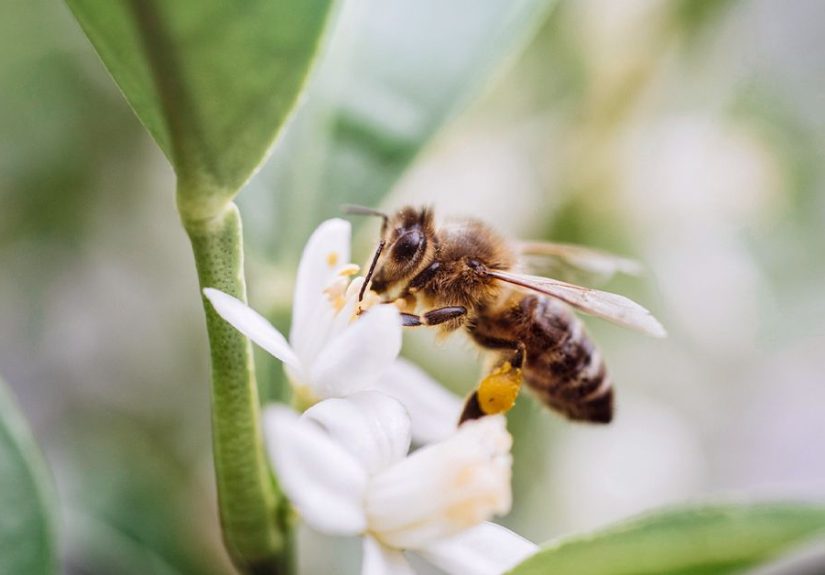
Bee pollen is basically flower pollen collected by bees, packed into little granules, and mixed with small amounts of nectar and bee secretions.
That mix is part of what makes it appealing: it contains a variety of plant compounds and nutrients.
It’s also what makes it risky.
Unlike a medication where each tablet is precisely engineered, bee pollen is a natural product that varies by season, region,
and plant sources. One jar might contain pollen from wildflowers; another might be heavy in weeds like ragweed-family plants.
Your immune system may treat that difference like a harmless detailor like a five-alarm fire drill.
Add the reality that dietary supplements aren’t FDA-approved for effectiveness before hitting shelves, and you get a product category where quality can vary widely.
Some bee pollen products are clean and well-handled; others may contain contaminants or undeclared ingredients.
Common Bee Pollen Side Effects (Usually Mild, Still Annoying)
Many people who don’t have allergies tolerate bee pollen without much trouble, especially in small amounts.
When side effects do happen, they often look like “my body is mildly unimpressed with this decision.”
1) Digestive upset
Upset stomach, nausea, bloating, or diarrhea can occurparticularly if someone starts with a large dose.
Think of it like your gut meeting a new neighbor and saying, “We’re not friends yet.”
2) Headache or dizziness
This is reported less consistently, but some people notice headache, lightheadedness, or a general “off” feeling.
If it happens, stop and reassess rather than powering through like it’s a gym PR.
3) Skin reactions
Mild itching or a rash can occur. Sometimes it’s an early warning sign of an allergy, not just “sensitive skin.”
Skin symptoms deserve attention because they can be the first page of a story that gets worse fast.
The Biggest Safety Issue: Allergic Reactions (Including Anaphylaxis)
Allergic reactions are the headline risk with bee pollen. If you have seasonal allergies, asthma, or known reactions
to pollen, bee stings, or certain plants, bee pollen is not a casual “let’s see what happens” experiment.
Why bee pollen can trigger allergies
Bee pollen can include pollens from many plantssometimes including wind-pollinated weeds (like ragweed-family plants) that are notorious allergy triggers.
People who are sensitive to certain weeds or flowers may react strongly to the mix.
What an allergic reaction can look like
- Itching in the mouth or throat
- Hives, rash, flushing, or swelling (especially lips/face/eyelids)
- Sneezing, runny nose, watery eyes
- Coughing, wheezing, chest tightness, shortness of breath
- Nausea, vomiting, abdominal cramps
Anaphylaxis: the “don’t wait and see” reaction
Anaphylaxis is a severe allergic reaction that can become life-threatening quickly. It can include trouble breathing,
throat swelling, fainting, or a sudden drop in blood pressure. If you suspect anaphylaxis, call emergency services immediately.
If you have an epinephrine auto-injector prescribed for allergies, use it as directed.
The tricky thing about anaphylaxis is that it doesn’t always start with dramatic symptoms. Sometimes it begins as “just hives” or
“my throat feels weird.” If you’ve taken bee pollen and you feel swelling, breathing changes, or severe dizziness, treat it like an emergency.
Who Should Avoid Bee Pollen (or Talk to a Clinician First)
Bee pollen isn’t inherently dangerous for everyonebut certain groups have a higher risk of serious side effects.
If you’re in any of the categories below, “ask first” is the safer move.
People with pollen allergies or severe seasonal allergies
If ragweed season turns you into a sniffling, itchy-eyed mess, bee pollen may not be your wellness side quest.
People with pollen allergies may react to bee products, including bee pollen.
People with asthma
Asthma and allergies often travel together like a package deal you didn’t order. Bee pollen can potentially trigger coughing or wheezing in sensitive individuals.
If your asthma is not well-controlled, skip it.
People with a history of serious allergic reactions
If you’ve ever had anaphylaxis (to foods, stings, medications, or anything), don’t trial bee pollen without medical guidance.
Your immune system has a history of going from 0 to 100.
Pregnancy and breastfeeding
Safety data is limited. Because bee pollen can trigger allergic reactions and may vary in quality and contaminants,
many clinicians recommend avoiding it during pregnancy and breastfeeding unless specifically approved by your healthcare provider.
Children
Kids aren’t just “small adults” when it comes to immune reactions. If you’re considering bee pollen for a child, especially one with allergies,
it’s worth getting professional input first.
Medication Interactions and Health Conditions to Consider
Bee pollen isn’t just “food.” It’s a biologically active, variable supplement. That matters if you take medications or have certain conditions.
Blood thinners (especially warfarin)
There’s evidence and safety guidance suggesting bee pollen may interact with warfarin and affect bleeding risk.
If you take warfarin (or other anticoagulants/antiplatelet drugs), do not add bee pollen without medical supervision.
Practical rule: if your medication requires monitoring (like INR checks), don’t introduce a new supplement without telling the clinician who monitors it.
“Surprise! I added bee pollen!” is not a fun plot twist in anticoagulation care.
Upcoming surgery or procedures
If you’re scheduled for surgery or a procedure, ask your surgeon or pre-op team about supplements. Many clinicians recommend stopping certain supplements
ahead of time due to bleeding risk, interactions, or allergy concerns.
Immune-related conditions or immunosuppressive therapy
If you have autoimmune disease or take immunosuppressive medication, you’re already dealing with a carefully balanced immune situation.
A new biologically active supplement may not be appropriateespecially one with allergy potential and quality variability.
Quality and Contamination Concerns (The Unsexy but Important Part)
Even if you’re not allergic, product quality matters. Bee pollen can be contaminated during collection, processing, or storage.
The two big themes: natural contaminants (like molds) and human-made contaminants (like pesticides or undeclared drugs).
Mycotoxins and mold contamination
Bee pollen can be contaminated with molds and their byproducts (mycotoxins), especially if it’s not dried and stored properly.
You can’t reliably “see” a mycotoxin problem the way you can see fuzzy bread.
(Nature loves to keep receipts you can’t read.)
Pesticides and environmental residues
Bees forage widely, so bee products can reflect environmental exposures. Some studies and reviews of bee pollen safety hazards note the potential
for pesticide residues and other contaminants depending on region and handling.
Undeclared drug ingredients in “bee pollen” weight-loss products
This one is especially important: some products marketed as “bee pollen” for weight loss have been flagged for hidden drug ingredients.
That’s not a “maybe.” That’s an actual FDA enforcement theme.
If a product promises dramatic weight loss, body reshaping, or “melt fat fast,” treat it like a red flag wearing a red hat waving more red flags.
How to choose a safer product (if you choose one at all)
- Avoid “miracle” claims (weight loss, detox, cure-all language).
- Look for quality signals such as transparent sourcing and reputable manufacturing practices.
- Consider third-party verification programs (examples include USP-related quality programs and NSF certification programs).
- Check FDA safety alerts for tainted supplements and products under enforcement actions.
- Store it properly (cool, dry, sealed) and discard anything that smells off or looks questionable.
Rare but Serious Reported Reactions
Rare side effects are tricky because they’re uncommon, but they’re also the reason caution exists in the first place.
Bee pollen has been associated with serious reactions in case reports and safety discussions.
Photosensitivity (sun-triggered rash)
A photosensitivity reaction is an abnormal skin response to sunlightitchy, red, inflamed, often in sun-exposed areas.
It’s been reported in someone taking a supplement blend that included bee pollen.
This isn’t common, but it’s a good reminder that “natural” doesn’t mean “immune to weird side effects.”
Kidney injury (rare case reports)
There are case reports of kidney problems (including interstitial nephritis) associated with supplements containing bee pollen.
These cases are rare and don’t prove that typical bee pollen use causes kidney injury for most peoplebut they do support the idea
that unusual, serious reactions can happen.
Liver concerns
Liver injury is not considered a common outcome from bee pollen, but “pollen preparations” and multi-ingredient products have been implicated in occasional case reports.
If you develop symptoms like yellowing skin/eyes, dark urine, severe fatigue, or persistent upper abdominal pain after starting any supplement, stop it and seek medical care.
How to Use Bee Pollen More Safely (If You Still Want to Try It)
If you’ve read all of this and still want to experiment, the safest approach is “slow, small, and supervised.”
Not “two tablespoons on day one because a wellness influencer said so.”
Safety steps that reduce risk
- Check your risk profile first: allergies, asthma, pregnancy, medications, and chronic conditions matter.
- Start tiny: if you try it, start with an extremely small amount (think a few granules), not a full spoonful.
- Don’t try it alone if you’re high-risk: people with allergy history should not “test” bee pollen without medical guidance.
- Avoid combining with a new supplement stack: if you add five new things and feel awful, you won’t know the culprit.
- Stop at the first sign of allergy: itching, swelling, hives, wheeze, throat tightness, or unusual symptoms = stop.
- Don’t use it as a substitute for treatment: it won’t replace evidence-based allergy care, asthma care, or any prescribed medication.
When to Seek Emergency Help
If you’ve taken bee pollen and you experience any of the following, seek emergency care immediately:
- Difficulty breathing, wheezing, chest tightness
- Swelling of lips, tongue, throat, or face
- Fainting, severe dizziness, confusion
- Widespread hives plus vomiting or breathing symptoms
- A sense of “something is very wrong” shortly after ingestion
Trust the urgency. Anaphylaxis can worsen quickly and is not the time for a “let me google this” moment.
Bottom Line
Bee pollen side effects range from mild digestive upset to serious allergic reactions, including anaphylaxis.
The biggest caution flags are allergies (especially pollen and bee-related allergies), asthma, pregnancy/breastfeeding,
and medication interactionsparticularly with blood thinners.
Add in supplement variability and contamination risks, and the smart takeaway is this:
bee pollen is not automatically unsafe, but it’s also not automatically safe. If you try it, do it carefully, start small,
and treat any allergic symptoms as a stop sign, not a speed bump.
Real-World Experiences (Practical Scenarios People Commonly Run Into)
Below are realistic, common “how this plays out in real life” scenarios. These are not personal stories or medical claims
they’re composite examples based on typical patterns reported by consumers and described in safety discussions and case reports.
Think of them as a flashlight for the corners people don’t notice until they stub their toe.
1) “It’s local, so it must be gentle”… and then the sneezing starts
Someone with seasonal allergies buys bee pollen from a local market. The jar looks wholesome. The label says “natural.” They add a teaspoon to a smoothie.
Within an hour, they’re itchy. Their nose runs like it’s training for a marathon. They assume it’s “just allergies” and try again the next day.
Round two is worse: hives show up, their lips feel puffy, and suddenly the smoothie doesn’t feel like a wellness moveit feels like a mistake.
The lesson: bee pollen can contain pollens that trigger allergic reactions, especially in people already sensitive to weeds or seasonal pollens.
If you’re allergy-prone, “local” doesn’t mean “safe.” It may mean “locally relevant allergens.”
2) The “new supplement stack” problem (a.k.a. Mystery Symptoms Olympics)
A person decides it’s time for a glow-up. They add bee pollen, a “greens” powder, a new multivitamin, and an herbal blendon the same day.
Then they develop nausea, a rash, and a pounding headache. Now they’re stuck playing detective:
Was it the bee pollen? The herbs? The new sweetener in the greens powder? The dye in the gummy vitamin?
This is how people accidentally create confusion. When you start multiple supplements at once, side effects become harder to interpret.
If you’re going to try anything new, add one item at a time, and give your body time to react (or not react) before you introduce the next “support blend.”
3) The blood thinner surprise: “My numbers were stable… until they weren’t”
Someone taking warfarin has had steady INR readings for months. They add bee pollen because they heard it supports energy.
A routine check shows their INR is off target. Nothing else has changeddiet is the same, medication schedule is the same, lifestyle is the same.
The only new variable is the supplement.
Whether the mechanism is direct or indirect, the practical point is simple: if you’re on warfarin (or other blood thinners),
supplements can matter. Always loop in the clinician managing your anticoagulation before adding bee pollen.
“Natural” doesn’t mean “neutral.”
4) The sunburn-that-isn’t: “Why is my skin mad at sunlight?”
A person starts a supplement mix that includes bee pollen. After time outside, they develop an itchy, red rash on sun-exposed areas.
It looks like a sunburn’s dramatic cousin. They’re confused because they weren’t out long and wore sunscreen.
Photosensitivity reactions are rare, but they’re documented with certain herbal products and multi-ingredient supplements.
The “experience” here is less about bee pollen alone and more about the reality of combining multiple ingredients.
If your skin reacts oddly to sunlight after starting a supplement, stop it and get medical guidance.
5) The “I thought it was harmless” moment that turns into a real warning
Most people won’t experience severe complications. But safety cautions exist because rare serious reactionslike severe allergic events and certain organ-related injurieshave been reported.
In real life, this can look like someone ignoring early symptoms because they assume supplements can’t do much harm.
The uncomfortable truth: supplements can have real biological effects, and sometimes the body responds in unexpected ways.
The takeaway: respect symptoms. If something feels wrong after taking bee pollenespecially breathing changes, swelling, or severe systemic symptomstreat it seriously and get help quickly.