Table of Contents >> Show >> Hide
Preparing for a nuclear emergency is not exactly the cheerful weekend project most people dream about. It is somewhere between “organize the junk drawer” and “finally read the appliance manual” on the list of things we know we should do but would rather avoid. Still, public emergency preparedness matters because the best time to think clearly is before you need to. The goal is not to live in fear, build a bunker worthy of a spy movie, or turn your pantry into a doomsday museum. The goal is simpler: protect your household, reduce panic, and know what to do if authorities ever issue a radiation or nuclear emergency alert.
In the United States, official guidance from emergency agencies has a consistent message. If a nuclear incident happens, the smartest first moves are not dramatic. They are practical. Get inside a sturdy building. Stay inside. Keep listening for official instructions. That sounds almost suspiciously simple, but simple is often what saves people when everything else feels chaotic. A family that has a basic plan, a few supplies, and a clear idea of where to shelter starts miles ahead of one that is improvising in the middle of confusion.
This guide breaks the topic into four realistic steps. These are not fantasy survival tricks, internet myths, or action-movie stunts. They are grounded, common-sense ways to prepare for a nuclear emergency in standard American life, whether you live in a suburban house, an apartment building, a dorm, or the kind of rental where the smoke detector chirps at 2:00 a.m. just to keep your personality humble.
1. Build a Family Plan Before You Need One
The first and most useful step is to make a family emergency plan. People often think preparedness starts with buying supplies, but a plan is what makes the supplies useful. In a crisis, communication gets messy fast. Phones may be overloaded, routines vanish, and family members can be at school, work, on the road, or halfway through a grocery run they will never finish. A simple plan reduces confusion when nerves are running the show.
Choose how your household will communicate
Start with the basics. Write down phone numbers, meeting points, and backup contacts. Choose one nearby meeting place and one farther away. Include an out-of-town contact who can help relay messages if local lines are jammed. Do not rely on memory alone. In stressful moments, even people who know every song lyric from middle school can suddenly forget their cousin’s phone number.
Know where to shelter
Talk through the safest place in your home or building. For many households, that means a basement or the most interior room possible, away from windows. If you live in an apartment, identify which hallway, stairwell-adjacent space, or interior room offers the most shielding. This is not about making your space perfect. It is about deciding now so nobody is arguing later while standing next to a big window like it is part of the plan.
Include children, older adults, pets, and medical needs
A useful emergency plan works for the real people in your home, not for imaginary humans who all wear sneakers and remember everything. If someone takes daily medication, uses mobility equipment, or has sensory needs, plan for that. If you have pets, include leashes, carriers, food, and water. Children should know simple instructions in calm language. “Go to the inside room and stay with us” is more helpful than a five-minute lecture worthy of a disaster-themed TED Talk.
Finally, practice the plan. Not in a theatrical, end-of-the-world way. Just do a short walk-through. Where do you go? What do you grab? Who checks on Grandma? Who gets the cat, who will absolutely pretend this is a personal insult? A short rehearsal can reveal weak spots while the stakes are still pleasantly low.
2. Build an Emergency Kit That Is Practical, Not Dramatic
If the internet had its way, every emergency kit would look like a cross between a camping store, a military catalog, and a survivalist fever dream. Real preparedness is much less glamorous. You need supplies that help your household stay indoors safely and function for a period of time. Think useful, not cinematic.
Start with the essentials
Your emergency kit should include water, nonperishable food, medications, a flashlight, batteries, a first aid kit, sanitation items, chargers, and copies of important documents. A battery-powered or hand-crank radio is especially valuable because official instructions matter in a radiation emergency. If the power goes out or your phone battery dies, that little radio becomes the overachiever of the whole household.
Do not forget everyday comfort items
Preparedness is not only about survival. It is also about staying steady. Add blankets, extra clothes, baby supplies, pet supplies, and a few comfort items that lower stress. That could be cards, a notebook, headphones, or snacks that are not technically nutritious but are emotionally excellent. A frightened child with a familiar toy is easier to calm. A tired adult with a phone charger and dry socks is also strangely improved.
Store documents and backup power
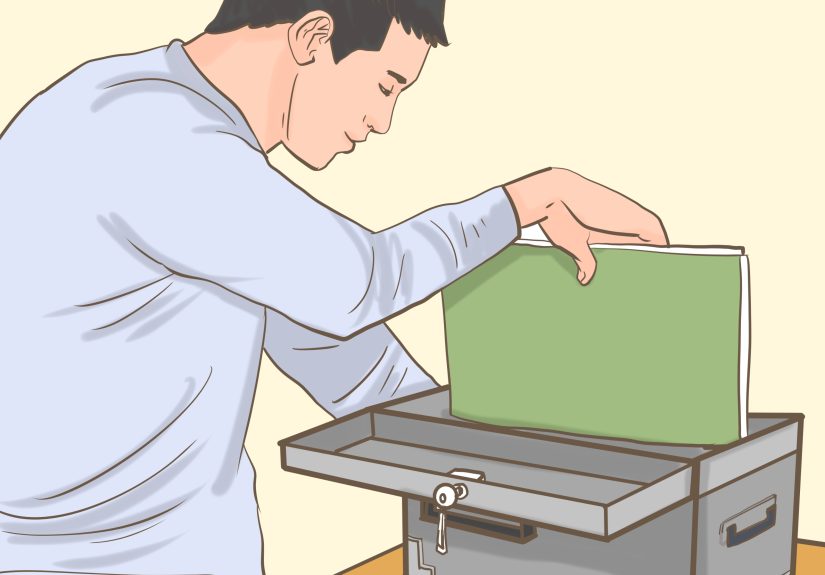
Keep copies of IDs, insurance records, medical information, and emergency contacts in a waterproof pouch. A small amount of cash can help if card systems are down. Power banks should stay charged, and extra charging cables should be easy to find. Emergencies have a rude habit of arriving exactly when your battery is at 9 percent.
Avoid magical thinking purchases
Preparedness can become expensive if you let fear make shopping decisions. You do not need to buy every gadget marketed with dramatic fonts and a photo of a guy staring into the distance. Focus on basics first. Water, food, medication, communication, hygiene, and shelter supplies do more for most households than flashy gear ever will.
If public health officials in your area provide guidance about potassium iodide, follow that guidance exactly. It is not a miracle pill, and it is not meant to replace sheltering, evacuation orders, or food and water safety instructions. Good preparedness is boring in the most beautiful way: it depends on ordinary things done well.
3. Know the Safest Shelter Actions for the First Hours
When people picture a nuclear emergency, they often imagine they need an advanced survival manual and three semesters of physics. In reality, the first protective actions are straightforward. The biggest advantage usually comes from getting inside a sturdy structure quickly and staying there until officials give updated instructions.
Why buildings matter
Walls, concrete, brick, and soil can reduce exposure. That is why basements and interior rooms matter. More shielding is better. More walls between you and the outside are better. The center of a sturdy building is generally safer than a room with large windows, and a basement is usually better than the top floor if it is structurally sound and accessible.
What to do if you are outside
If an emergency occurs while you are outdoors, your goal is not to drive around searching for the perfect place like you are reviewing real estate listings under pressure. Get into the nearest sturdy building as fast as you safely can. Once inside, move away from windows and exterior walls. Stay there and listen for official guidance. In many cases, remaining sheltered for a period of time is safer than rushing back outside too soon.
Reduce contamination in a calm, simple way
If you may have been exposed to radioactive dust, basic decontamination steps can help. Remove outer clothing if advised, place it aside, and wash exposed skin and hair with soap and water when possible. The keyword here is basic. No scrubbing like you are trying to remove permanent marker from a wall. Gentle washing is the move. The point is to reduce material on the body, not turn hygiene into an extreme sport.
Stay tuned for official instructions
This part is easy to overlook because it feels passive, but it is critical. Conditions can change. Authorities may issue instructions about how long to stay sheltered, whether certain roads are closed, whether local water or food supplies are affected, and when it is safer to move. Guessing is not a strategy. Listening is.
The mistake many people make is assuming that action is always better than waiting. In some emergencies, yes. In a radiation emergency, moving at the wrong time can increase exposure. Smart preparedness means being ready to stay put when staying put is the safer choice.
4. Prepare for the Aftermath: Health, Information, and Emotional Resilience
Preparedness is not only about the first hour. It is also about the hours and days after. The aftermath of any major emergency can feel exhausting, confusing, and emotionally heavy. A household that has thought about recovery ahead of time tends to function better, make calmer choices, and recover faster.
Protect health with routine, not panic
Keep enough prescription medications for several days if possible. Maintain a written list of doses and medical needs. If someone in the home has asthma, diabetes, anxiety, or another ongoing condition, plan for it. Include glasses, hearing aid batteries, and basic hygiene supplies. Small oversights become giant annoyances when stores are closed and stress is high.
Be careful with food, water, and rumors
In a nuclear or radiation emergency, follow local official guidance about food and water safety. Do not trust social media miracles, homemade treatments, or your cousin’s friend who “read a thread.” False information spreads fast because it sounds confident, not because it is correct. Confidence is cheap. Reliable guidance is gold.
Take mental stress seriously
One of the least discussed parts of preparedness is emotional resilience. Fear, uncertainty, and constant alert-checking can wear people down. Plan a few ways to stay steady while sheltered: routines for kids, check-in times, quiet activities, meals at normal intervals, and short breaks from doom-scrolling. Being informed is helpful. Turning your nervous system into a full-time alarm bell is not.
Think community, not just household
The most resilient neighborhoods are not made of lone wolves. They are made of people who know each other’s names, notice who may need extra help, and share reliable information. Check on neighbors when it is safe to do so. A single text, a shared radio update, or an extra bottle of water can matter more than all the dramatic speeches in the world.
Preparedness works best when it becomes normal. Not obsessive. Not performative. Just normal. A decent kit, a real plan, a known shelter spot, and a calm understanding of official guidance can turn a frightening topic into a manageable set of actions. That is the whole point.
What Real Preparedness Looks Like in Everyday Life
For many people, the most valuable part of preparing for a nuclear emergency is not the supplies themselves. It is the mindset shift. You stop seeing preparedness as a giant apocalyptic lifestyle and start seeing it as household organization with higher stakes. A family in a townhouse might spend one Saturday labeling a plastic bin with water, snacks, batteries, and a radio. A college student in a small apartment might identify the most interior hallway, save emergency contacts on paper, and keep a charger and flashlight by the door. A retired couple might review medications, print insurance records, and decide which neighbor they would check on first. None of this looks dramatic. That is exactly why it works.
One practical experience many households discover during a drill is that communication is weaker than expected. Someone assumes everyone knows the plan, but nobody has actually said it out loud. The kids think the meeting spot is the garage. One parent thinks it is the laundry room. The dog, meanwhile, has committed to chaos as a brand. Running a calm ten-minute practice often reveals these gaps immediately. It is not glamorous, but it replaces assumptions with clarity.
Another common lesson is that emergency kits tend to reflect wishful thinking until they are tested. People pack items they think a prepared person should own, then forget medications, spare glasses, or pet food. Someone proudly buys expensive survival gear and then realizes there is no can opener in the bag. That is why the smartest households review their supplies like normal humans, not like contestants on a survival game show. What would you actually need for a day indoors? What would help a child stay calm? What would make an older adult more comfortable? The answers are usually ordinary, and ordinary is powerful.
Apartment living also teaches a useful preparedness lesson: you do not need a perfect setup to improve safety. You may not have a basement. You may not have a storage room worthy of a prepper documentary. But you can still know your safest interior space, keep a kit in one container, and make a written contact plan. Preparedness is not a competition. It is progress. A small apartment with a smart plan beats a large house with none.
Perhaps the most important experience people report after doing even basic planning is emotional relief. The topic still feels serious, of course. But serious is easier to carry when it becomes specific. You know where to go. You know what to grab. You know which information sources to trust. Suddenly the subject stops being one giant cloud of fear and becomes a short list of actions. That shift matters. Calm does not come from pretending bad things never happen. Calm comes from knowing that if something does happen, you will not be starting from zero.
Conclusion
Preparing for a nuclear emergency is really about preparing to respond wisely under pressure. The four most useful steps are clear: make a household communication plan, build a practical emergency kit, know where to shelter, and prepare for the health and emotional realities that can follow a major incident. You do not need to become a survival celebrity. You just need a plan that works in real life. That is how preparedness becomes useful instead of overwhelming.