Table of Contents >> Show >> Hide
- The Short Answer: No, Baking Soda Is Not a Reliable Mouse Solution
- Why the Baking Soda Mouse Myth Keeps Circulating
- What Pest Pros Say Actually Works
- Signs Your Mouse Problem Is Real, Not Your Imagination
- Why Safe Cleanup Matters More Than People Think
- What to Do Instead of Using Baking Soda for Mice
- So, Does Baking Soda Really Get Rid of Mice?
- Real-Life Experiences and Lessons From Mouse Battles at Home
- Conclusion
Few household ingredients have a better publicist than baking soda. It freshens the fridge, helps scrub sinks, and somehow keeps getting nominated for jobs it never applied for. One of the most persistent claims is that it can get rid of mice. Sounds convenient, right? Sprinkle a pantry staple, wave goodbye to the squeaking freeloaders, and return to your regularly scheduled life.
Not so fast. When you look past the internet folklore and listen to pest professionals, public health guidance, and university pest experts, the answer is much less dramatic. Baking soda may sound like a simple, “natural” fix, but it is not a reliable mouse-control method. In real homes, mice are far more likely to ignore it, nibble around it, or simply keep partying behind your stove while you wonder why the DIY trick failed.
So if baking soda is more rumor than remedy, what actually works? The short version is this: stop mice from getting in, remove what attracts them, trap the ones already inside, and clean up safely. Not glamorous, but highly effective. Here is what pest pros actually recommend, why the baking soda myth keeps hanging around, and what to do if you want results instead of wishful thinking with a side of cornbread.
The Short Answer: No, Baking Soda Is Not a Reliable Mouse Solution
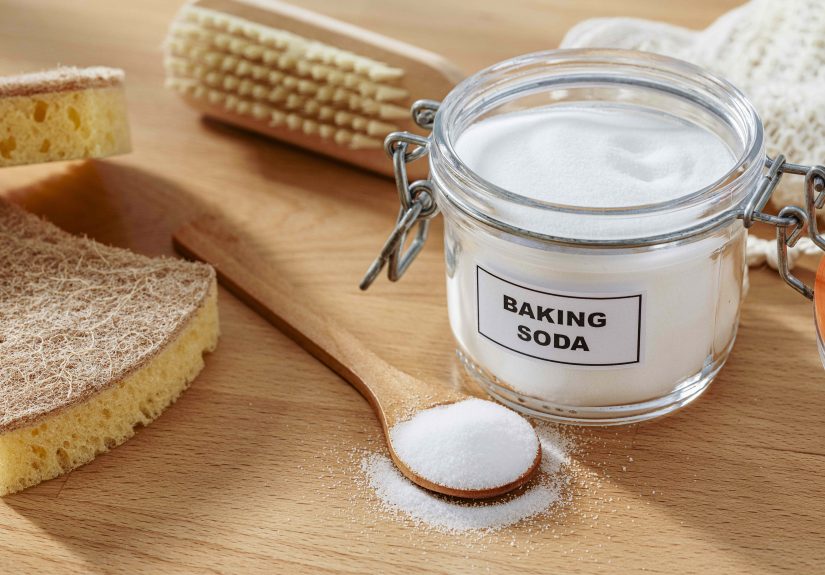
Let’s cut straight to it: baking soda is not considered a dependable way to get rid of mice. The theory behind it sounds scientific enough to spread quickly online. Baking soda reacts with stomach acid and creates gas, so the idea is that a mouse will eat enough of it to cause a fatal reaction. That’s the internet pitch.
The real-world problem is much less exciting and much more important: mice are picky, cautious eaters, and they usually do not consume enough baking soda for this trick to work consistently. Even pest pros who understand where the theory comes from still reject it as a practical control method. Their verdict is simple: unreliable, inefficient, and not the smart move if you want an infestation gone before it turns into a tiny real-estate crisis inside your walls.
In other words, baking soda is the “I’ll start Monday” of mouse control. It makes you feel productive for a minute, but it usually does not solve the actual problem.
Why the Baking Soda Mouse Myth Keeps Circulating
It sounds cheap, easy, and safer than poison
Homeowners love a fix that is already sitting in the kitchen cabinet. Baking soda is inexpensive, familiar, and less scary than commercial rodent poison. If you have kids or pets at home, the appeal is obvious. A homemade trick feels more controlled than putting out toxic bait.
It has just enough science to feel believable
The chemistry part is real. Baking soda does react with acid. That kernel of truth is what gives the myth legs. But a true chemical reaction does not automatically become an effective pest-control strategy. Mouse control is not a middle-school volcano experiment. It depends on behavior, dose, food competition, access to water, nesting areas, and how established the infestation is.
People confuse coincidence with success
Sometimes homeowners put out a homemade baking soda mixture, stop seeing mice for a few days, and declare victory. But mice may have shifted their route, found a better food source, or temporarily stayed hidden. In other cases, the person also cleaned up crumbs, sealed a gap, or set a trap at the same time. The baking soda gets the credit, but the real hero was usually something else.
What Pest Pros Say Actually Works
Professionals do not usually treat mouse problems as a one-product issue. They use an integrated pest management approach, often called IPM. That means combining prevention, sanitation, exclusion, monitoring, and trapping rather than betting the entire job on one miracle fix. If that sounds less fun than a viral hack, yes. It also works better.
1. Exclusion: Block the Mice Before They Move In
This is the big one. If mice can still enter your home, every other control method becomes a tiring game of rodent whack-a-mole. Experts consistently emphasize sealing openings, especially around utility lines, vents, foundation gaps, damaged screens, and the bottoms of doors.
Mice can squeeze through openings that look absurdly small to humans. That is why pest pros obsess over details like door sweeps, weather stripping, pipe gaps, and cracks near the exterior. If your home has even one tiny “Welcome, snack bar this way” opening, mice can use it.
- Seal gaps around pipes and utility entry points.
- Repair torn screens and damaged vent covers.
- Install or replace door sweeps on exterior doors.
- Check garages, basements, crawl spaces, and attic access points.
- Use chew-resistant materials where appropriate.
Think of exclusion as changing the locks, not just shooing an unwanted guest out of the kitchen.
2. Sanitation: Stop Running a Free Restaurant
Mice are not judging your housekeeping style, but they do appreciate easy calories. Food crumbs, pet kibble, bird seed, greasy stovetops, open trash, compost bins, and cluttered storage all make life easier for them. Public-health and pest-control guidance repeatedly point to food, water, and shelter removal as the foundation of prevention.
That does not mean you need a model-home kitchen with exactly one decorative lemon on the counter. It does mean tightening up the basics:
- Store pantry foods in hard, sealed containers.
- Do not leave pet food out overnight.
- Take out trash regularly and keep lids closed.
- Clean under appliances and inside cabinets.
- Reduce cardboard clutter, fabric piles, and forgotten storage corners.
- Keep outdoor vegetation, wood piles, and debris away from the house when possible.
Mice love what humans ignore. The spoonful of cereal behind the toaster? Luxury. The bag of bird seed in the garage? Fine dining. The pile of holiday decorations no one has touched since 2022? Penthouse apartment.
3. Trapping: The Most Practical Way to Reduce Indoor Mice
When mice are already inside, most experts favor trapping over relying on home remedies. Snap traps and electronic traps are commonly recommended because they can act quickly and allow you to monitor whether you are actually reducing the population. In contrast, vague DIY methods often leave people guessing while the infestation keeps going.
Good trapping is less about buying one heroic trap and more about smart setup. Traps work best when placed where mice already travel, usually along walls and hidden runways rather than out in the middle of the floor like a tiny stage performance. Professionals also stress using enough traps. Setting one trap for a real mouse problem is like bringing one paper towel to a flooded bathroom.
If you are dealing with a recurring or heavy infestation, calling a licensed pest professional may save you time, money, and one full emotional spiral in the cereal aisle.
4. Rodenticides: Not the First Choice for Most Homes
Rodenticides can play a role in some control programs, but experts and public-health sources are careful about them for good reason. They can pose risks to children, pets, and wildlife when used improperly. They are not the go-to “easy button” people imagine, and they are generally treated as a later option rather than the first move.
This is one reason baking soda myths gain traction: people want something safer than poison. That instinct makes sense. But the better answer is not replacing one unreliable bait with another. It is focusing on exclusion, sanitation, and trapping first, then consulting a professional if the situation calls for more.
Signs Your Mouse Problem Is Real, Not Your Imagination
Before you declare war on every shadow in the pantry, look for the classic evidence. Experts and public-health agencies point to a few common signs:
- Droppings in drawers, cabinets, pantries, or along baseboards
- Gnaw marks on food packaging, cardboard, or wood
- Scratching sounds in walls, ceilings, or under appliances
- Shredded paper, insulation, or fabric used as nesting material
- Rub marks or smudges along regular travel routes
- A stale, musky odor in enclosed areas
The key is consistency. One suspicious noise may be an old pipe, a bored house settling, or your refrigerator making its usual horror-movie soundtrack. But droppings plus gnawing plus scratching at night? That is not ambiance. That is evidence.
Why Safe Cleanup Matters More Than People Think
Mouse control is not only about getting rid of the animals. It is also about handling droppings, urine, nesting material, and dead rodents safely. Public-health guidance warns against dry sweeping or vacuuming contaminated material before it is properly treated, because that can stir particles into the air.
The smarter approach is to wear gloves, thoroughly wet contaminated areas with an appropriate disinfecting solution, let it sit as directed, wipe up with paper towels, and then clean the surrounding surfaces. It is not the most glamorous Saturday activity, but neither is turning a cleanup project into a health mistake.
This is another reason the baking soda myth is unhelpful. Even if it seems to “work,” it encourages people to focus on a bait trick instead of the full job: finding entry points, removing attractants, reducing the population, and cleaning up safely afterward.
What to Do Instead of Using Baking Soda for Mice
If you want a simple, realistic plan, here it is:
- Inspect your home for droppings, gnaw marks, and likely entry points.
- Seal gaps, cracks, and door-bottom openings so new mice cannot keep entering.
- Clean up food, clutter, and water sources that make the space inviting.
- Trap the mice already inside using proven control methods.
- Monitor for fresh signs over the next several days and weeks.
- Escalate to a licensed pest professional if activity continues or the infestation is widespread.
Notice what is not on the list: “Mix pantry powder with wishful thinking and hope the mice cooperate.” The most effective mouse control is usually boring on paper and satisfying in practice. That is often the mark of a good solution.
So, Does Baking Soda Really Get Rid of Mice?
No, not in a way you should count on. It is one of those household myths that sounds clever enough to repeat but falls apart when tested against how mice actually behave. Pest pros do not recommend it as a reliable solution because mice are unlikely to eat enough of it, the results are inconsistent, and it distracts homeowners from the methods that truly make a difference.
The real fix is less magical but much more effective: block entry points, remove food and hiding spots, trap strategically, clean up properly, and bring in a pro when the problem outgrows DIY efforts. If baking soda has a role here, it is probably helping you deodorize the pantry after the mice are gone.
Real-Life Experiences and Lessons From Mouse Battles at Home
Ask around long enough and you will hear the same story in a dozen different versions. Someone spots a few droppings under the sink, panics, searches online, finds the baking soda trick, and feels a burst of optimism. The bait gets mixed, the little dish gets placed in a corner, and everyone waits for justice to arrive by breakfast. Then nothing happens. Or worse, a week later the droppings are still there, and now the mice have also sampled the dog food, explored the pantry, and turned a quiet nuisance into a full-blown household subplot.
One of the most common experiences homeowners describe is how long they spend chasing “easy” fixes before addressing the real issue. They try homemade remedies first because those feel manageable. There is comfort in the idea that the solution is already in the cupboard. But the turnaround usually begins only after they inspect the home more carefully and realize the mice were getting in through a gap under a side door, a utility opening behind the stove, or a crumbling corner in the garage.
Another pattern is that people underestimate how attractive everyday clutter can be. Holiday decorations in cardboard boxes, pet treats in thin packaging, paper grocery bags, laundry piles, and even a rarely opened junk drawer can help mice stay hidden. Homeowners often say they did not really start winning until they got serious about storage, cleanup, and reducing hiding spots. Not because their house had to look perfect, but because mice thrive in places humans ignore.
There is also the emotional side. A mouse problem has a special talent for making people feel both grossed out and mildly betrayed by their own home. Suddenly every nighttime sound seems suspicious. You stop trusting the pantry. You open a cabinet like it owes you money. That is why reliable methods matter. A proven plan lowers stress because it gives you something better than internet folklore: evidence that you are actually solving the problem.
People who get good results usually do the same few things well. They stop leaving food out. They seal gaps they had overlooked for years. They use enough traps instead of one lonely trap placed in the middle of nowhere. They keep monitoring after the first quiet week. And they understand that mouse control is not a one-night event; it is a short campaign with a strategy.
The biggest lesson from real experience is simple: the “natural shortcut” is rarely the part that works. The boring stuff works. Door sweeps work. Sealed containers work. Cleaning under the stove works. Traps in the right places work. Calling a pro when the situation is beyond DIY works. In the end, most homeowners do not remember the homemade mixture they tried first. They remember the moment they found the gap, fixed it, and finally stopped hearing tiny Olympic sprints in the wall at 2 a.m.
So yes, baking soda gets plenty of online attention. But the real victories come from habits, repairs, and proven control methods. Mouse control is not about finding the cutest hack. It is about making your home harder to enter, less rewarding to stay in, and much easier to defend. That is what pest pros keep saying, and it is what homeowners usually learn the hard way right before they become accidental experts on door sweeps and airtight containers.
Conclusion
Baking soda may be a household MVP in plenty of situations, but mouse control is not one of them. If you want dependable results, skip the viral myth and follow the same practical playbook pest pros use: shut down entry points, clean up attractants, use proven traps, and handle any droppings or nests safely. It is not flashy, but it is how you solve the problem without wasting time on remedies that sound clever and deliver very little.