Table of Contents >> Show >> Hide
- Why the Battle of Waterloo Still Matters
- The Mystery of Waterloo’s Missing Dead
- Mont-Saint-Jean: The Field Hospital Behind the Legend
- What Archaeologists Found in the Pit of Bones
- Why the Discovery Is So Rare
- How Battlefield Archaeology Changes the Story
- The Role of Veterans in the Waterloo Excavation
- What the Pit of Bones Tells Us About Napoleon’s Final Battle
- Experiences and Reflections Related to the Waterloo Discovery
- Conclusion
The Battle of Waterloo has never been short on drama. Napoleon Bonaparte, Europe’s most famous military overachiever, met his final defeat on June 18, 1815, in a muddy corner of what is now Belgium. The Duke of Wellington held the line, Prussian forces under Gebhard Leberecht von Blücher arrived at the right moment, and Napoleon’s empire collapsed faster than a soufflé in a marching camp.
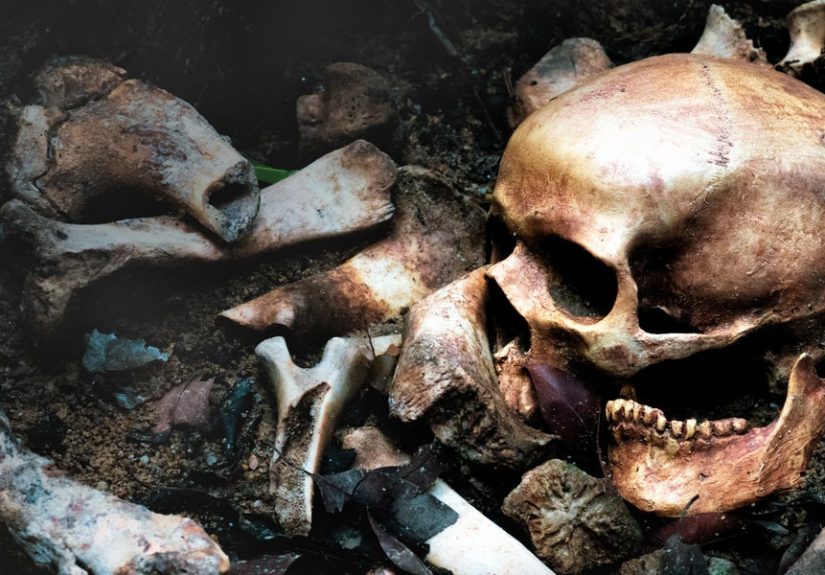
But more than two centuries later, Waterloo is still giving up secrets. Archaeologists exploring Mont-Saint-Jean farmthe site of Wellington’s field hospital during the battlehave uncovered evidence that brings the aftermath of Napoleon’s final battle into startling focus: a purposefully dug pit containing human remains, amputated limbs, horse skeletons, and other traces of emergency battlefield surgery.
It is the kind of discovery that makes history feel less like a textbook and more like a cold hand on the shoulder. The “shocking pit of bones” does not simply confirm that Waterloo was brutal. Everyone already knew that. It reveals how soldiers, surgeons, animals, and civilians were caught in the machinery of nineteenth-century warand how quickly the dead and wounded had to be dealt with when the fighting stopped.
Why the Battle of Waterloo Still Matters
Waterloo was not just another European battle with fancy uniforms and commanders who looked like they were dressed for an opera. It marked the final defeat of Napoleon Bonaparte and the end of the Napoleonic Wars, a long era of conflict that had shaken Europe for more than two decades.
After escaping exile on Elba in early 1815, Napoleon returned to France and rebuilt his army during the period known as the Hundred Days. European powers quickly moved to stop him. At Waterloo, Napoleon’s French army faced Wellington’s allied army, made up of British, Dutch, Belgian, and German troops, with Prussian forces arriving later to help decide the outcome.
The battle was fought south of the village of Waterloo, near Brussels, across farms, ridges, orchards, and roads that would soon become names in military history. Hougoumont, La Haye Sainte, and Mont-Saint-Jean were not glamorous places. They were working landscapes. By the end of the day, they had become a vast emergency zone.
The Mystery of Waterloo’s Missing Dead
One of the strangest things about Waterloo is not how many people died, but how few remains have been found. Tens of thousands of soldiers were killed, wounded, captured, or missing during the campaign, yet archaeologists have uncovered remarkably few complete skeletons on the battlefield.
That absence has puzzled historians for years. Where did the bodies go? Early accounts describe the battlefield as crowded with the dead, wounded, horses, equipment, and debris. Yet modern excavations have found only a small number of significant human remains. For a battle so famous, the physical record has been oddly quiet.
One unsettling theory is that many bones were later dug up and used in industry, including fertilizer production and sugar refining. In the nineteenth century, bones were valuable. They could be processed into bone meal for agriculture or used in industrial processes. It sounds like something invented by a particularly gloomy novelist, but researchers have found historical evidence suggesting that battlefield remains may indeed have been removed after the battle.
That makes the Mont-Saint-Jean discoveries especially important. Every bone, button, musket ball, and fragment of equipment helps fill in a historical silence that has lasted more than 200 years.
Mont-Saint-Jean: The Field Hospital Behind the Legend
Mont-Saint-Jean farm served as Wellington’s field hospital during the Battle of Waterloo. In the middle of a battle, “hospital” did not mean clean floors, soft beds, and someone politely asking about insurance. It meant a crowded, chaotic place where surgeons worked under extreme pressure, often with limited supplies and no modern anesthesia or antibiotics.
Thousands of wounded soldiers are believed to have passed through the site. Many arrived with injuries caused by musket fire, cannon shot, sabers, horses, and the general unpleasantness of standing in the way of nineteenth-century artillery. Surgeons made decisions quickly. Some men could be treated. Others could only be made as comfortable as possible. Many limbs were removed because, at the time, amputation was often the best chance of preventing death from severe injury or infection.
Archaeology at Mont-Saint-Jean has shown that the hospital was not safely behind the lines in the way people might imagine. Earlier excavations found musket balls and cannon-related evidence, suggesting that fighting came dangerously close to the medical site. The neat map version of history says “front line” here and “hospital” there. The ground itself tells a messier story.
What Archaeologists Found in the Pit of Bones
Recent excavation work by Waterloo Uncovered, a charity that combines archaeology with veteran support, focused on a burial pit at Mont-Saint-Jean. The team included archaeologists, military veterans, serving personnel, students, and volunteers. Their work revealed a trench containing human and animal remains connected to the field hospital.
Finds from the site include amputated human limbs, horse skeletons, and other animal remains. Earlier work at Mont-Saint-Jean had already revealed a rare complete human skeleton, as well as horse remains and amputated bones. Later excavation suggested that the pit was larger and more complex than first thought.
The discovery is shocking, but it also makes grim practical sense. After a battle, a field hospital had to be cleared quickly. Human remains, discarded surgical material, dead animals, damaged equipment, and other battlefield debris could create health risks and overwhelm the people trying to treat the living. The pit appears to have been a rapid disposal trench created in the desperate aftermath of Waterloo.
Human Remains and Battlefield Surgery
The amputated limbs found at Mont-Saint-Jean offer direct evidence of battlefield medicine. They are not just “bones” in the abstract. They represent individual soldiers who passed through the hospital during one of Europe’s most decisive battles.
For archaeologists, such remains can show the types of injuries soldiers suffered and the medical choices surgeons made. Cut marks can indicate surgical removal. Bone fractures can suggest the force of musket balls or artillery. The location of the remains within the trench can also reveal how the hospital was managed after the battle.
The important point is not to treat these discoveries like a horror attraction. The bones are historical evidence, but they are also human remains. Good archaeology handles them with care, documentation, and respect.
Horse Skeletons and the Forgotten Victims of War
Waterloo was not only a human disaster. Horses were essential to cavalry, artillery, transport, and command. Thousands of animals were used during the campaign, and many were killed or badly injured. At Mont-Saint-Jean, archaeologists found horse remains associated with the field hospital trench.
The presence of horses tells us that the aftermath of Waterloo was not neatly organized into separate human and animal zones. The battlefield was an emergency landscape. Injured horses had to be dealt with, equipment had to be salvaged, and the dead had to be buried or removed. War may be planned by generals, but it is cleaned up by exhausted people with shovels.
Why the Discovery Is So Rare
Human remains from Waterloo are surprisingly rare. That is why the discovery of even one complete skeleton is considered historically significant. The Mont-Saint-Jean pit matters because it preserves a concentrated record of what happened at a field hospital immediately after the battle.
Archaeologists do not need a golden crown or a dramatic inscription to change our understanding of the past. Sometimes a trench full of ordinary, painful evidence says more than a monument. The pit shows that Waterloo was not just a clash of strategies. It was a medical crisis, a logistical nightmare, and a human tragedy.
The rarity also makes the site valuable for answering the “missing dead” question. If many battlefield graves were disturbed in the nineteenth century, then surviving sealed contexts like this pit become even more precious. They may be among the few places where the immediate aftermath of Waterloo remains physically intact.
How Battlefield Archaeology Changes the Story
Traditional history often follows the commanders: Napoleon delays, Wellington holds, Blücher arrives, the Imperial Guard fails, and the French army collapses. That story is important, but battlefield archaeology adds another layer. It moves the camera from the hilltop command post to the orchard, the hospital yard, the ditch, and the trench.
A musket ball can show where fighting reached. A cannonball can reveal the direction of fire. A horse skeleton can reveal the cost of cavalry warfare. A surgical bone can show what happened after the heroic painting ends and the wounded are carried away.
In other words, archaeology makes Waterloo less tidyand more truthful. It reminds us that decisive battles are not only decided in dramatic moments. They are lived in hours of fear, confusion, pain, waiting, and survival.
The Role of Veterans in the Waterloo Excavation
One of the most meaningful parts of the Waterloo Uncovered project is its connection with military veterans. The organization brings veterans and serving personnel into archaeological work, offering training, teamwork, and wellbeing support.
That connection gives the dig a powerful emotional dimension. People with modern military experience are helping uncover the remains of soldiers from a much older war. The uniforms, weapons, and medical tools have changed, but some experiencesfear, loss, comradeship, recoveryremain recognizable across centuries.
This does not turn archaeology into therapy by magic. A trench is still a trench, and research still requires discipline. But the project shows how studying the past can help people build skills, purpose, and community in the present.
What the Pit of Bones Tells Us About Napoleon’s Final Battle
The Mont-Saint-Jean discovery does not change who won Waterloo. Napoleon still lost. Wellington and Blücher still won. The Napoleonic Wars still ended. But it changes the texture of the story.
It shows that the battle’s aftermath was immediate, crowded, and overwhelming. It shows that the field hospital was deeply connected to the violence around it. It shows that the physical remains of Waterloo are still capable of surprising historians. And it shows that some of the most important evidence may not be found in palaces, archives, or museums, but beneath an orchard where surgeons once worked as fast as human hands could move.
The pit of bones is shocking because it strips away the polished bronze of military memory. Waterloo is often remembered through portraits, uniforms, cavalry charges, and famous last stands. Archaeology gives us something less glamorous but more honest: the aftermath.
Experiences and Reflections Related to the Waterloo Discovery
Reading about the excavation at Mont-Saint-Jean creates a different experience from reading a standard battle summary. A normal Waterloo article might leave you remembering dates, troop numbers, and the fact that Napoleon had a very bad Sunday. The archaeology forces a slower reaction. It asks readers to imagine the battle not as a chessboard, but as a place where real people waited, worked, suffered, and tried to survive.
The most powerful experience connected to this topic is the shift from “history happened” to “history happened here.” A field hospital sounds like a background detail until archaeologists uncover the remains of surgical work, horses, and emergency burial. Suddenly the farm is not just a location on a map. It becomes a human place. You can imagine the noise of wagons, the movement of stretcher-bearers, the urgency of surgeons, and the exhaustion of everyone who lived through the aftermath.
For modern readers, this discovery also changes the way we think about famous leaders. Napoleon, Wellington, and Blücher dominate the story because leaders make clean headlines. But the pit at Mont-Saint-Jean belongs to the people below the headline: wounded soldiers, medical staff, orderlies, farm workers, and the animals pulled into war. Their names may be missing, but the evidence of their experience remains.
There is also a lesson here about patience. Archaeology is not treasure hunting with better hats. It is careful, slow, and often emotionally heavy. A discovery like this requires mapping, recording, conservation, laboratory analysis, and ethical handling of remains. The dramatic headline may say “shocking pit of bones,” but the real work happens in measured steps. Each find must be understood in relation to soil layers, nearby objects, historical records, and previous excavations.
Another experience this topic offers is humility. Waterloo is one of the most studied battles in European history, yet archaeologists are still finding evidence that changes the way people understand it. That is a useful reminder for anyone who thinks the past is finished. History is not a locked cabinet. It is more like an old farmhouse attic: every time someone opens another door, something unexpected falls out, usually covered in dust and demanding an explanation.
Finally, the Mont-Saint-Jean excavation invites reflection on how societies remember war. Monuments often celebrate victory, courage, and national destiny. Archaeology does something quieter. It recovers consequences. The pit of bones does not shout slogans. It simply exists, and that is enough. It tells us that behind every famous battle are bodies, choices, medical crises, and aftermaths that lasted long after the generals left the field.
That is why this discovery matters beyond Napoleon enthusiasts or battlefield archaeology fans. It helps us see Waterloo as both a world-changing event and a deeply human disaster. The past becomes clearer, not because it becomes prettier, but because it becomes more complete.
Conclusion
The shocking pit of bones at Mont-Saint-Jean brings Napoleon’s final battle back to earthliterally. It reminds us that Waterloo was not only a turning point in European politics, but also a place of emergency medicine, mass injury, exhausted cleanup, and human loss.
Archaeologists exploring the site have uncovered more than remains. They have uncovered the hidden aftermath of a battle too often remembered only through strategy and victory. The bones, horse skeletons, musket balls, and surgical traces do not replace the written history of Waterloo. They deepen it.
More than 200 years after Napoleon met his final defeat, the ground at Waterloo is still speaking. And what it says is unforgettable: history is not only made by emperors and generals. Sometimes it is preserved in a quiet trench, waiting for careful hands to bring it back into the light.
Note: This article is written for web publication in standard American English, based on real historical and archaeological reporting, with source links intentionally omitted from the article body as requested.