Table of Contents >> Show >> Hide
- Black Is a Color, Not a Breed
- The Many Looks of a Black Cat
- Breeds That Prove Black Cats Come in Many Styles
- Personality Is Not Written in Fur Color
- Care Needs Depend on the Cat, Not the Color
- Why Black Cats Still Get Misunderstood
- What Makes Black Cats So Appealing
- Everyday Experiences That Prove All Black Cats Are Not Alike
- Conclusion
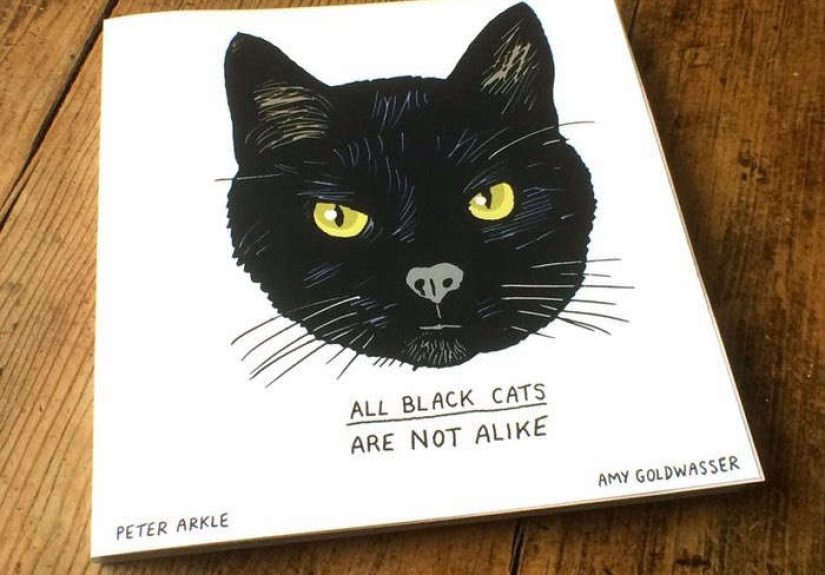
At first glance, a black cat can look like a walking shadow with whiskers. Elegant, mysterious, slightly dramatic, and often caught posing like they know they own the room. But here’s the truth that cat lovers already suspect: all black cats are not alike. Not even close.
Some are sleek and panther-like. Some are fluffy enough to resemble a haunted throw pillow with opinions. Some have copper eyes that glow like tiny lanterns, while others have green or gold eyes that make them look permanently unimpressed. Some are chatty, some are quiet, some are clingy, and some prefer to love you from a dignified three-foot distance.
That is exactly what makes black cats so interesting. “Black cat” is a color description, not a personality diagnosis and not a single breed. Once you look past the coat color, you find a wide range of body types, temperaments, grooming needs, health considerations, and adoption stories. In other words, black cats are not a copy-and-paste feline model. They are a whole category of wonderfully different cats wearing the same iconic little black dress.
Black Is a Color, Not a Breed
One of the biggest misunderstandings about black cats is the idea that they all belong to one type. They do not. A black coat can appear in many different breeds and in mixed-breed cats as well. That means the cat curled up on your sofa could be compact and muscular, tall and elegant, round-faced and plush, or long and lean like a cat who thinks every hallway is a runway.
Breed matters because breed influences more than appearance. It can shape coat length, activity level, vocal tendencies, grooming needs, and even how social a cat tends to be. A black Persian and a black Cornish Rex are both black cats, but putting them in the same personality bucket would be like saying a marathon runner and a couch comedian are basically the same because both wear sneakers.
Mixed-breed black cats add even more variety. Domestic shorthairs, domestic medium hairs, and domestic longhairs come in black too, and they are famous for being individuals first. That means one black cat may be a fearless door greeter, while another behaves like your electrician is clearly a government plot.
The Many Looks of a Black Cat
Coat Length and Texture
Not every black coat has the same texture or silhouette. Some black cats have short, glossy fur that reflects light like patent leather. Others have long, feathery coats that create a softer, more dramatic look. Curly-coated black cats can look almost velvety, while hairless breeds may display black pigmentation in their skin rather than a plush coat.
This is one reason black cats can look so different in photos and in person. A sleek coat makes a cat appear more sculpted. A fluffy coat makes the same color look softer and fuller. Even the same cat can appear different depending on whether the fur is freshly groomed, blown out from winter coat, or sticking up because somebody has just completed a hallway sprint at 2:14 a.m.
Eye Color Changes the Whole Effect
Eye color makes a huge visual difference. The classic black-cat image often features gold or copper eyes, especially in Bombay cats, but black cats can also have green, hazel, or yellow-toned eyes. The contrast between dark fur and bright eyes gives each cat a distinct expression. One cat may look regal. Another may look adorable. A third may look like it knows exactly where you hid the treats and is judging your organizational system.
Black Is Not Always Flat Black
Even black coats are more complex than people assume. Some black cats show faint tabby “ghost” markings in bright light. Others may look slightly brownish or rusty under the sun. Sun exposure can lighten black fur over time, and coat quality can also reflect nutrition and general condition. So when a black cat looks chocolatey in the afternoon light, that does not mean your eyes are playing tricks on you. It means cat coats are a little more complicated than a paint swatch.
Breeds That Prove Black Cats Come in Many Styles
Bombay: The Mini Panther Celebrity
If one breed is most closely associated with the all-black look, it is the Bombay. This breed was intentionally developed to resemble a miniature black panther, complete with a deep black coat and striking copper-to-gold eyes. Bombays tend to be social, affectionate, and people-oriented, which means they often combine dramatic looks with a very un-mysterious desire to be involved in absolutely everything you do.
Want privacy while folding laundry? Your Bombay may have notes. Want to work on a laptop? Your Bombay may become the laptop.
American Shorthair and Domestic Shorthair
These black cats often represent the everyday beauty people fall in love with at shelters and rescues. They may have sturdy builds, easy-care coats, and balanced temperaments, but they are still highly individual. Some are playful comedians. Some are mellow observers. Some act like professional snack auditors.
Persian, Maine Coon, and Other Longhaired Breeds
Black longhaired cats bring a whole different energy. A black Persian can look like old Hollywood glamour in cat form. A black Maine Coon can appear positively mythic, like it wandered out of a forest with a side quest and a fabulous tail. These cats may share color, but their grooming routines, body structures, and personalities can be very different.
Cornish Rex, Devon Rex, and Sphynx
These breeds prove that black cats are not all plush and fluffy. A black Cornish Rex wears a fine, wavy coat and often has a nimble, athletic look. A Devon Rex adds oversized ears and impish charm. A Sphynx may show black coloration through skin pigmentation instead of fur, giving the black-cat idea a completely different visual twist. Same color family, totally different presentation.
Personality Is Not Written in Fur Color
People love assigning personalities to coat colors. Orange cats are chaotic, tuxedo cats are tiny executives, and black cats are mysterious goth poets with perfect eyeliner. Cute? Yes. Scientifically useful? Not really.
Coat color alone does not tell you whether a cat will be cuddly, shy, bold, vocal, or independent. Temperament is shaped by a combination of breed background, early socialization, environment, age, and plain old individuality. That last part matters most. Cats are individuals with preferences, routines, quirks, and strong feelings about cardboard boxes.
That is why two black cats in the same home can be total opposites. One may greet guests at the door like a tiny hotel manager. The other may vanish behind a chair and reappear only when everyone leaves and the room has emotionally recovered. Neither cat is more “black cat” than the other. They are just different cats.
Care Needs Depend on the Cat, Not the Color
Another reason all black cats are not alike is that their care requirements vary widely. A shorthaired black cat may need simple weekly brushing. A longhaired black cat may need frequent grooming to prevent tangles and mats. A Sphynx with dark skin needs skin care and regular bathing. A highly active breed may need more play, climbing, and enrichment than a calmer cat that is perfectly happy supervising the household from a windowsill.
Health is also not defined by coat color alone. A black coat does not automatically mean a cat is healthier, sicker, tougher, or more delicate. Breed-related tendencies, preventive veterinary care, dental care, nutrition, indoor safety, and weight management matter far more. The smartest approach is not to assume anything based on color. Learn the needs of the individual cat in front of you.
That includes practical details many owners do not think about at first. Black coats can make dandruff, loose hair, or skin changes easier to spot in bright light, but they can also hide lumps or small scabs if you are not doing regular hands-on checks. In other words, pet the cat for health reasons. Entirely medical. Completely professional. Please ignore the purring.
Why Black Cats Still Get Misunderstood
Despite how gorgeous and varied they are, black cats have long carried cultural baggage. In some places and time periods, they were linked to bad luck, witches, or Halloween imagery. In other traditions, they were considered lucky, protective, or prosperous. That contrast alone should tell us the superstition was never about cats themselves. It was always a human story pasted onto an innocent animal minding its own business.
Unfortunately, those myths still affect real cats. Black cats are often reported as being overlooked in shelters and rescues, sometimes because they are harder to photograph, sometimes because old superstitions still linger, and sometimes because people simply pass them by for flashier markings. It is a lousy outcome for a cat whose main offense is wearing formalwear every day.
Even the Halloween panic around black-cat adoption has been challenged by animal welfare advocates, who note there is no good evidence that black cats face greater danger from adoption at that time than at other times. Good adoption screening matters year-round. Keeping cats in shelters longer because of rumors does not help them.
What Makes Black Cats So Appealing
Part of the magic of black cats is contrast. Their fur makes eye color pop. Their silhouettes look elegant in any pose, from curled cinnamon-roll nap mode to full gargoyle-on-the-bookshelf mode. Their coats can look glossy, smoky, velvety, or fluffy depending on breed and lighting. They are visually striking without all looking the same.
They also invite people to pay closer attention. When you stop seeing “a black cat” as one generic idea, you start noticing the details: the rounded head, the plume tail, the soft chirping voice, the athletic leap, the confident strut, the lap-cat tendencies, the intense obsession with sink water. That is when appreciation replaces stereotype.
And maybe that is the real point. Black cats are not special because they are magical symbols. They are special because each one is unmistakably itself.
Everyday Experiences That Prove All Black Cats Are Not Alike
Anyone who has lived with more than one black cat usually figures this out fast. The first surprise is visual. In photos, two black cats may look similar for a split second. In real life, they do not. One has a broad face and plush fur that makes him look like a tiny bear in evening wear. Another has a long, elegant body and a tail that seems to arrive in the room three seconds after the rest of him. One glows brown in the sun. Another stays inky black no matter the light. One has gold eyes that seem permanently curious. Another has green eyes that say, “I heard you open the snack cabinet from three rooms away.”
Then the personality differences start showing up, and they are impossible to miss. One black cat may become your shadow, following you from the kitchen to the couch to the bathroom as if you are on a guided tour it paid for. Another may be affectionate on a strict appointment basis: two head bumps at 7:30 p.m., one lap sit during bad weather, absolutely no kissing. One cat wants every visitor to admire him immediately. Another hears the doorbell and vanishes with the speed of a dropped sock behind a dryer.
Feeding time reveals more differences. One black cat may be a polite eater who waits by the bowl like a civilized little gentleman. Another may sing the song of his people with such passion that neighbors begin to suspect opera practice. Play style differs too. Some black cats are acrobats, launching after wand toys like furry arrows. Others prefer strategic play, which is a nice way of saying they watch the toy move and let you do the cardio.
Sleeping habits are their own comedy category. One black cat sleeps in obvious, photogenic places like the bed, the sofa, or a sun patch in the living room. Another specializes in impossible locations, such as the top shelf of a closet, inside an empty tote bag, or behind curtains where only two glowing eyes reveal the truth. At night, one may curl into a perfect little comma at your feet. Another may stretch sideways across the mattress like it pays rent.
Even grooming tells a story. A shorthaired black cat can look sleek with almost no effort, like nature personally assigned a stylist. A longhaired black cat can collect lint, fluff, and mystery particles with the dedication of a tiny vacuum. One tolerates brushing like a spa client. Another behaves as though the brush is a medieval insult.
These everyday moments are why black-cat owners become such enthusiastic defenders of them. Once you know one well, the stereotype falls apart. Once you know two or three, it explodes. You stop saying, “I like black cats,” and start saying, “I love this weird little man who steals hair ties,” or “I would do anything for this dramatic queen who screams before every nap.” The color may catch your eye, but the individual cat is what steals your heart.
Conclusion
Black cats may share a color, but they do not share one look, one breed, or one personality. Some are silky and social. Some are fluffy and reserved. Some are bold performers. Some are quiet observers. From Bombays to mixed-breed shelter cats, black cats offer extraordinary variety wrapped in a color people too often oversimplify.
So the next time someone says all black cats look the same, feel free to laugh politely and point them toward reality. Better yet, introduce them to a few black cats. It usually takes about five minutes for the lesson to sink in, especially if one of the cats climbs into their lap and the other steals their seat.