Table of Contents >> Show >> Hide
- 1. The Boss Who Thinks They Are Everyone’s Best Friend
- 2. The Overachiever With a Color-Coded Soul
- 3. The Deadpan Observer Who Sees Everything
- 4. The Rule Enforcer Who Takes the Job Way Too Seriously
- 5. The Dreamer Who Is Clearly Not Doing Their Actual Job
- 6. The Competent One Holding the Building Together
- 7. The Workplace Romantic Who Turns Eye Contact Into a Plotline
- Why Workplace Comedy Characters Feel So Familiar
- Real-Life Experiences: Meeting These Characters Outside the TV Screen
- Conclusion: The Office Is a Stage, and Everyone Has a Role
Every workplace comedy has a conference room, a bad coffee machine, and at least one person who treats casual Friday like a constitutional crisis. From paper companies and public schools to police precincts, hospitals, game studios, and big-box stores, the best office sitcoms work because they understand a universal truth: most jobs are not just jobs. They are tiny ecosystems where ambition, boredom, friendship, passive-aggressive emails, and reheated fish all coexist under fluorescent lighting.
Workplace comedies such as The Office, Parks and Recreation, Abbott Elementary, Superstore, Brooklyn Nine-Nine, 30 Rock, Scrubs, and Mythic Quest have given audiences some of television’s most memorable funny coworkers. Their settings are different, but their character types are surprisingly consistent. There is always a chaos manager, a rule worshipper, a lovable slacker, a deadpan observer, and someone who thinks the staff meeting is their personal Broadway audition.
Below are seven classic workplace comedy characters you meet again and again. They are exaggerated for laughs, but they are also painfully familiar. You may not work at Dunder Mifflin, Cloud 9, Abbott Elementary, or Pawnee City Hall, but you probably know these people. In fact, one of them may be reading this over your shoulder right now.
1. The Boss Who Thinks They Are Everyone’s Best Friend
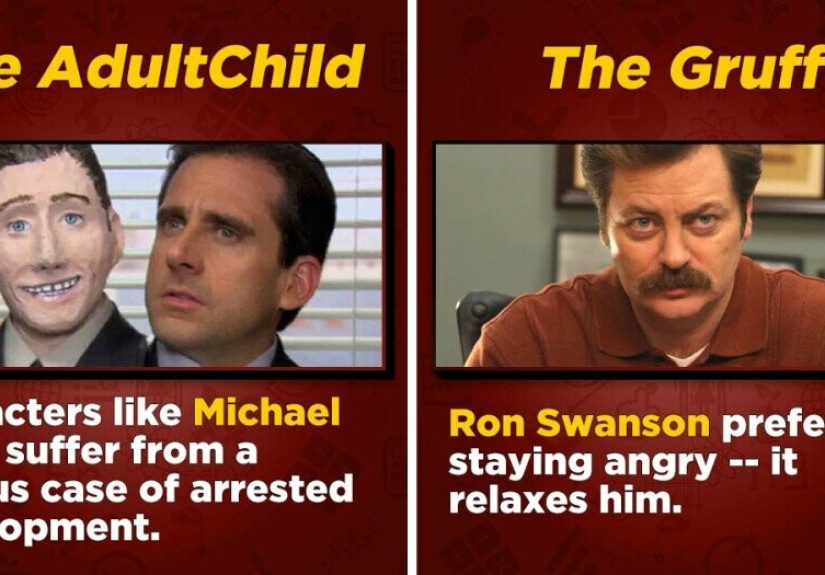
The first essential workplace comedy character is the boss who believes management is mostly vibes, inspirational speeches, and surprise parties nobody asked for. This is the Michael Scott zone: a leader who wants to be loved more than respected and often creates more problems than the actual quarterly report.
In office sitcoms, this character is comedy gold because they blur every professional boundary. They turn staff meetings into therapy sessions, performance reviews into improv exercises, and small announcements into full-scale emotional hostage situations. Michael Scott in The Office is the most famous example, but the type appears all over workplace TV. Ava Coleman in Abbott Elementary brings a hilariously self-interested spin to school leadership, while Glenn in Superstore often leads with sweet intentions and managerial confusion.
Why this character works
This type is funny because workplaces are full of authority figures who are technically in charge but deeply human underneath the title. The joke is not simply that they are incompetent. The sharper joke is that their need for approval can hijack an entire organization. They remind us that leadership without self-awareness is basically karaoke with a budget.
2. The Overachiever With a Color-Coded Soul
Every workplace comedy needs a person who treats the employee handbook like sacred scripture. This character loves structure, laminated schedules, labeled binders, and the phrase “just circling back.” They are often competent, intense, and one surprise agenda change away from vaporizing into a cloud of office supplies.
Leslie Knope from Parks and Recreation is the heroic version of this archetype: optimistic, hyper-prepared, and powered by waffles, civic duty, and impossible enthusiasm. Amy Santiago from Brooklyn Nine-Nine brings a similar energy to police work, where ambition and perfectionism become both a punchline and a strength. Janine Teagues in Abbott Elementary also fits beautifully here, especially because her idealism is constantly tested by underfunded classrooms and administrative nonsense.
The secret heart of the overachiever
The overachiever is not funny only because they care too much. They are funny because they care in a world that often rewards caring too little. Their binders may be ridiculous, but their sincerity keeps the show from becoming cynical. They are the reason a workplace comedy can make jokes about bureaucracy while still believing that work, service, and teamwork matter.
3. The Deadpan Observer Who Sees Everything
Some characters participate in workplace chaos. Others simply watch it happen with the facial expression of a person who has already updated their résumé. The deadpan observer is the audience’s spiritual representative: sarcastic, calm, and fully aware that the team-building activity is about to violate several laws of common sense.
Jim Halpert from The Office helped define the camera-glance version of this character, using silence as a comedy weapon. Garrett in Superstore brings a sharper retail version, narrating absurd store announcements and responding to workplace drama with practiced detachment. Rosa Diaz in Brooklyn Nine-Nine adds a more intimidating version: deadpan, private, and allergic to unnecessary feelings unless those feelings are rage or loyalty.
Why viewers love the observer
This character provides balance. Without a deadpan observer, workplace comedies can become too loud, too silly, or too chaotic. The observer tells the audience, “Yes, this is insane. We are all seeing the same thing.” That recognition creates trust. It also creates some of the best jokes, because sometimes the funniest response to chaos is no response at all.
4. The Rule Enforcer Who Takes the Job Way Too Seriously
Then there is the coworker who believes every workplace needs discipline, order, and possibly a whistle. This character is not always the boss, but they often act like the assistant regional monarch. They know every policy, every loophole, and every place where someone might be hiding unauthorized snacks.
Dwight Schrute from The Office is the classic example: intense, loyal, competitive, and ready to turn paper sales into a survivalist trial. Dina Fox from Superstore brings the same terrifying commitment to big-box retail security. Captain Holt from Brooklyn Nine-Nine is a more dignified version, using discipline and formality as both leadership tools and comedy engines.
The comedy of excessive seriousness
The rule enforcer works because they treat low-stakes situations like national emergencies. A missing stapler becomes a moral collapse. A late arrival becomes evidence of civilization’s decline. Yet these characters often become fan favorites because their intensity hides deep loyalty. They may be exhausting, but when disaster strikes, you want them on your side. Preferably not holding a crossbow, but still.
5. The Dreamer Who Is Clearly Not Doing Their Actual Job
This character has a job title, technically. They may even have a desk. But their true occupation is dreaming, scheming, branding themselves, pitching side hustles, or preparing for the fame they are certain will arrive any minute now. They bring big “I have a podcast idea” energy to the workplace comedy universe.
Tom Haverford from Parks and Recreation is the patron saint of workplace ambition without brakes. Jenna Maroney from 30 Rock turns professional insecurity and theatrical self-absorption into art. Gina Linetti from Brooklyn Nine-Nine often behaves as though the precinct is merely a temporary stage for her personal mythology. In Mythic Quest, Ian Grimm’s creative ego fuels both innovation and disaster.
Why every sitcom needs a dreamer
The dreamer expands the world of the show. They bring absurd plans, ridiculous confidence, and a constant sense that the workplace might suddenly become a fashion brand, tech startup, dance empire, or lifestyle movement. They are annoying in real life, but on television they are priceless because they make ordinary jobs feel wildly unstable in the funniest possible way.
6. The Competent One Holding the Building Together
Behind every chaotic workplace comedy is one person quietly preventing total collapse. This character answers the emails, remembers the deadlines, fixes the mistakes, and knows exactly which printer drawer is making that noise. They are the load-bearing wall of the office, and everyone treats them like a decorative plant until something goes wrong.
Pam Beesly in The Office often understands the emotional weather of Dunder Mifflin better than anyone. Amy Sosa in Superstore grows into a leader because she understands both the people and the system. Barbara Howard in Abbott Elementary represents veteran competence, the kind earned through years of doing the work even when resources are thin. Poppy Li in Mythic Quest is another example: brilliant, technically gifted, and often stuck translating chaos into something usable.
The overlooked hero of workplace comedy
This character grounds the show. They make the madness believable because someone must be keeping the lights on, the students taught, the customers served, or the game shipped. Their comedy often comes from restraint. While everyone else is having a meltdown, they are making a spreadsheet, locating the missing keys, and wondering why nobody else has noticed the fire alarm blinking.
7. The Workplace Romantic Who Turns Eye Contact Into a Plotline
No workplace comedy is complete without the romantic tension that makes viewers analyze a two-second glance like it is forensic evidence. This character may be shy, sarcastic, emotionally unavailable, or “focused on their career,” but the audience knows. The coworkers know. Even the break room microwave knows.
Jim and Pam from The Office helped make the slow-burn office romance a modern sitcom staple. Jonah and Amy in Superstore brought a similar will-they-won’t-they rhythm to retail. Janine and Gregory in Abbott Elementary continue the tradition with a gentler, more emotionally cautious style. Workplace romances work because offices create forced proximity: shared shifts, shared frustrations, shared vending machines, and the occasional meaningful look during a disastrous staff meeting.
Why romance fits the workplace comedy formula
Romance gives a sitcom emotional momentum. Jokes bring viewers in, but relationships keep them invested. A good workplace comedy understands that love at work is both charming and inconvenient. It can brighten the day, complicate the hierarchy, and make every group lunch feel like a diplomatic summit.
Why Workplace Comedy Characters Feel So Familiar
The reason these sitcom archetypes endure is simple: work is one of the few places where adults are forced to build relationships with people they did not choose. Families are inherited, friends are selected, but coworkers are assigned by scheduling software and economic necessity. That is a perfect recipe for comedy.
Workplace comedies also give writers a built-in pressure cooker. Employees want raises, recognition, promotions, romance, respect, and sometimes just a clean refrigerator. The setting creates endless small conflicts: who gets credit, who gets blamed, who stole the parking spot, who replied-all, who made popcorn at 9:03 a.m., and who scheduled a meeting that could have been an email.
The best shows do not merely mock work. They reveal how strange work already is. A school, store, office, precinct, hospital, or game studio becomes a miniature society with rituals, heroes, villains, gossip networks, alliances, and snack politics. That is why these characters repeat across so many workplace sitcoms. They are not lazy clichés when written well. They are recognizable human behaviors turned up just enough to make us laugh without denying the truth.
Real-Life Experiences: Meeting These Characters Outside the TV Screen
Spend enough time in any workplace and the sitcom cast starts introducing itself. You may meet the boss who begins Monday morning with, “I want this to feel like a family,” which usually means the printer is broken and nobody is getting overtime. This person may not be a Michael Scott-level disaster, but they probably believe morale can be fixed with cupcakes, inspirational quotes, and a mandatory fun event scheduled during lunch.
Then comes the overachiever, the coworker who arrives with three notebooks, two backup pens, and a calendar invite for the calendar invite. At first, everyone teases them. Then the project deadline arrives, and suddenly the entire team is gathered around their spreadsheet like villagers around a sacred flame. The overachiever may be intense, but when chaos hits, they become the only thing standing between the department and a 47-message apology thread.
The deadpan observer is usually the person sitting in the back of the meeting, saying nothing, yet somehow communicating an entire documentary’s worth of commentary with one eyebrow. They do not start drama. They simply witness it, archive it mentally, and later deliver one sentence so accurate that the whole break room goes silent. Every office needs this person. They are the unofficial historian of nonsense.
The rule enforcer is also easy to spot. They know the policy manual better than human resources and will remind you that the shared fridge is cleaned every Friday at 4 p.m. sharp. In small doses, they can be irritating. In emergencies, they are magnificent. When nobody knows where the safety form is, they have three copies, color-coded, probably laminated, and possibly notarized.
The dreamer is the coworker who turns every coffee chat into a pitch meeting. They are launching a brand, planning a channel, designing an app, or writing a book about leadership despite never having led anything more complicated than a lunch order. Their confidence can be absurd, but it also brings energy. Sometimes the dreamer is wrong about everything except the one idea that actually works.
The competent one rarely announces themselves. They are too busy fixing the shared drive, smoothing over client confusion, and knowing which manager needs information in bullet points. They often receive the least applause because competence is invisible until it disappears. When they take vacation, the office suddenly realizes the entire workflow was held together by one person, three passwords, and a heroic tolerance for nonsense.
Finally, there is the workplace romantic. Maybe it is obvious. Maybe it is hidden under layers of professional restraint and suspiciously frequent coffee runs. Either way, everyone notices. Real workplaces are not sitcoms, of course, and boundaries matter. But human beings are human beings, and shared stress has a funny way of turning “Can you review this file?” into “Why did my heart just do a software update?”
That is why workplace comedies remain so satisfying. They exaggerate the people we already know, then give us permission to laugh at the awkward systems we all navigate. The characters are bigger, louder, and more quotable on TV, but their roots are real. Every office has a cast. Every break room has lore. Every staff meeting has the potential to become an episode.
Conclusion: The Office Is a Stage, and Everyone Has a Role
Workplace comedies last because they transform ordinary professional life into a character-driven carnival. The boss wants love. The overachiever wants order. The observer wants sanity. The rule enforcer wants compliance. The dreamer wants applause. The competent one wants everyone to please read the email. The romantic wants to survive one more meaningful glance without turning beet red.
Together, these characters make workplace sitcoms feel warm, chaotic, and endlessly rewatchable. They remind us that work is not just about tasks; it is about personalities colliding under deadlines. Whether the setting is a paper company, a public school, a local government office, a hospital, a retail store, a police precinct, or a video game studio, the comedy comes from the same place: people trying to get through the day without losing their minds, their keys, or the last decent chair in the conference room.