Table of Contents >> Show >> Hide
- What Is Allemande Sauce?
- Why This Allemande Sauce Recipe Works
- Ingredients for Allemande Sauce
- How to Make Allemande Sauce
- What Allemande Sauce Tastes Like
- Best Ways to Serve Allemande Sauce
- Common Mistakes and How to Fix Them
- Easy Variations on Allemande Sauce
- Storage and Reheating Tips
- Experiences With Allemande Sauce in a Real Kitchen
- Conclusion
- SEO Tags
There are sauces that quietly support a meal, and then there are sauces that walk in wearing a tailored coat and somehow make chicken feel like it got promoted. Allemande sauce belongs in the second category. This classic French sauce is smooth, pale, rich, and just tangy enough to keep things interesting. It starts with a velvety velouté, gets finished with egg yolk and cream, and ends up tasting like the sort of thing you would happily drag a piece of bread through when nobody is looking. In other words, it is elegant, but it is not above being delicious.
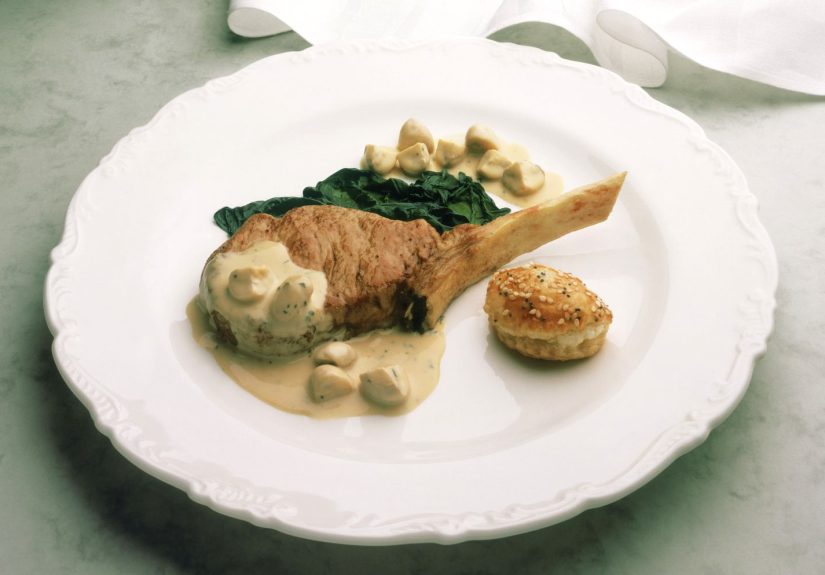
If you have been searching for an Allemande sauce recipe that feels both classic and practical, this version is built for real home kitchens. It respects the traditional method, but it does not assume you have a brigade of line cooks, a copper saucepan, or a mysterious French uncle named Jean-Luc correcting your whisking technique. You will make a light velouté, finish it gently with a cream-and-yolk liaison, and end with a silky sauce that works beautifully over chicken, veal, turkey cutlets, asparagus, mushrooms, or even poached eggs on a day when breakfast deserves a little drama.
What Is Allemande Sauce?
Allemande sauce is a classic French sauce made by enriching a velouté with egg yolk, cream, and lemon juice. The result is a pale, glossy sauce with a delicate body and a flavor that sits somewhere between refined comfort and culinary show-offery. It is creamy without being heavy, lemony without being sharp, and savory enough to feel right at home next to mild proteins and vegetables.
Traditionally, Allemande is associated with veal velouté, which gives it a deeper, more classical flavor. In modern home cooking, however, a well-made chicken velouté is a smart and widely accepted shortcut. It is easier to build, easier to source, and still gives you that silky, restaurant-style finish. Think of it as the sauce equivalent of wearing polished loafers instead of formal patent leather: still classy, just a little more realistic for a Tuesday night.
Why This Allemande Sauce Recipe Works
- It uses pantry-friendly ingredients. Butter, flour, stock, cream, egg yolk, lemon juice, salt, and pepper do most of the heavy lifting.
- It balances tradition and practicality. You get the classic structure of the sauce without needing a full day of stock-making rituals.
- It stays smooth. Tempering the egg yolk and finishing the sauce over low heat keeps the texture silky instead of scrambled.
- It is versatile. This homemade Allemande sauce works with poultry, veal, vegetables, mushrooms, and composed dishes that need a creamy finishing touch.
Ingredients for Allemande Sauce
For the velouté base
- 3 tablespoons unsalted butter
- 3 tablespoons all-purpose flour
- 2 cups warm chicken stock or veal stock
- 1/4 teaspoon kosher salt, plus more to taste
- 1/8 teaspoon white pepper or finely ground black pepper
For the Allemande finish
- 1 large egg yolk
- 1/4 cup heavy cream
- 1 to 2 teaspoons fresh lemon juice
- 1 tablespoon unsalted butter, optional, for extra gloss
- 1 teaspoon finely chopped parsley, optional
How to Make Allemande Sauce
1. Build a blond roux
Melt the butter in a medium saucepan over medium heat. Add the flour and whisk constantly for about 2 minutes, until the mixture looks smooth and smells slightly nutty. You are not trying to brown it deeply. This is a blond roux, not a campfire. If it gets too dark, the sauce loses that pale, classic look.
2. Add the warm stock gradually
Slowly pour in the warm stock, whisking as you go. Add it in stages rather than all at once so the roux stays smooth. Once all the stock is incorporated, add the salt and pepper. Bring the sauce to a gentle simmer and cook for 10 to 15 minutes, whisking occasionally, until it thickens enough to lightly coat the back of a spoon.
3. Prepare the liaison
In a small bowl, whisk together the egg yolk and heavy cream until completely blended. This mixture is what gives Allemande sauce its signature body and richness. It is also the part that can revolt if handled carelessly, so now is the time to channel calm, not chaos.
4. Temper the liaison
Take the saucepan off the heat for a moment. Slowly whisk 2 to 3 tablespoons of the hot velouté into the egg-and-cream mixture. Then add another small spoonful, whisking constantly. This gradual warming step helps prevent curdling when the liaison goes back into the saucepan.
5. Finish the sauce gently
Reduce the heat to low. Whisk the tempered liaison back into the sauce and return the pan to very gentle heat. Stir constantly for 1 to 2 minutes until the sauce thickens slightly and turns glossy. Do not let it boil. Once egg yolk enters the chat, boiling is how elegance leaves the room.
6. Add lemon and final seasoning
Whisk in the lemon juice, then taste. Add more salt if needed, a touch more pepper if you want a little lift, and the optional butter for a shinier finish. For a smoother restaurant-style texture, strain the sauce through a fine mesh sieve before serving. Sprinkle with parsley if desired.
What Allemande Sauce Tastes Like
The flavor of this classic French sauce is subtle but layered. The stock provides savory depth. The roux creates a velvety backbone. The cream softens the edges. The egg yolk adds richness and a delicate, custardy fullness. Then the lemon juice arrives like a polite but effective wake-up call, keeping the sauce from feeling sleepy or overly rich.
That balance is why Allemande sauce works so well with foods that are naturally mild. Chicken breasts, veal cutlets, turkey medallions, sautéed mushrooms, asparagus, cauliflower, and poached eggs all benefit from a sauce that adds refinement without bulldozing the plate.
Best Ways to Serve Allemande Sauce
- With chicken: Spoon it over pan-seared chicken breasts or chicken cutlets.
- With veal: This is one of the most traditional pairings for an Allemande sauce recipe.
- With vegetables: Try it over asparagus, green beans, steamed leeks, or roasted cauliflower.
- With mushrooms: Sauté mushrooms in butter and fold them into the finished sauce for extra earthiness.
- With eggs: Drizzle it over poached eggs or soft scrambled eggs for a very luxurious brunch.
- With leftovers: It can rescue plain turkey, roast chicken, or simple rice from the tragic world of dryness.
Common Mistakes and How to Fix Them
The sauce is lumpy
This usually happens when stock is added too quickly to the roux. Whisk hard while adding the liquid in stages. If lumps still appear, strain the sauce. No shame, just strategy.
The sauce is too thick
Whisk in a little warm stock, one tablespoon at a time, until the texture loosens. Allemande sauce should coat a spoon, not cling to it like it is emotionally attached.
The sauce is too thin
Simmer the velouté a little longer before adding the liaison. Once the egg yolk is in, aggressive boiling is off limits. Get the body right first, then finish gently.
The sauce curdled
The heat was likely too high after the liaison was added. Next time, temper more carefully and use very low heat. If the sauce only looks slightly grainy, straining it may save the day. If it looks like savory scrambled eggs, that batch has made its choice.
The flavor feels flat
Add a few extra drops of lemon juice and a pinch of salt. Cream sauces often need more seasoning than people expect, especially when paired with mild foods.
Easy Variations on Allemande Sauce
Mushroom Allemande
Sauté sliced mushrooms in butter until golden and stir them into the finished sauce. This version is especially good over chicken and veal.
Herb Allemande
Add chopped chives, parsley, or a little tarragon at the end. Fresh herbs give the sauce a brighter, more spring-like personality.
Lighter Chicken Allemande
Use chicken stock instead of veal stock for a lighter flavor profile that feels less formal but still deeply satisfying.
Luxury Finish
Mount the finished sauce with a small knob of cold butter for extra sheen and a richer mouthfeel. It is a tiny move that makes the sauce taste more polished.
Storage and Reheating Tips
Allemande sauce is best served fresh, but you can refrigerate it in an airtight container for up to 2 days. Reheat it very gently over low heat, stirring often. Add a splash of stock or cream if it tightens in the refrigerator. Avoid microwaving it at full power unless your long-term goal is to study sauce separation at a tragic level of detail.
Because this sauce contains egg yolk and cream, freezing is not ideal. The texture may break when thawed. For the smoothest result, make the velouté ahead if needed, then finish it with the liaison shortly before serving.
Experiences With Allemande Sauce in a Real Kitchen
One of the most interesting things about making an Allemande sauce recipe at home is how quickly it changes your idea of what “fancy” cooking actually means. On paper, the sauce sounds formal. It has French roots, a liaison, a mother-sauce lineage, and enough culinary vocabulary to make a beginner briefly consider ordering takeout instead. But once you make it, the experience is surprisingly approachable. It feels less like performing culinary magic and more like learning a very useful kitchen language.
The first experience many home cooks have with Allemande sauce is a little tense. You make the roux, wonder if it is too pale, add the stock too carefully, then suddenly too confidently, and spend a few seconds staring into the saucepan as though it might judge you. But the moment the sauce smooths out and starts to thicken, a shift happens. The process begins to make sense. The sauce starts looking glossy and elegant, and confidence replaces panic. It is one of those rare kitchen moments where technique becomes visible in real time.
Another common experience is realizing just how much a sauce can transform simple food. A plain chicken breast can be perfectly cooked and still feel a little underdressed. Spoon warm Allemande over it, though, and it suddenly tastes like a meal with a plan. The same goes for steamed asparagus, sautéed mushrooms, or leftover turkey. Foods that seemed ordinary start feeling composed, like they were invited to a proper dinner instead of thrown onto a plate five minutes before hunger won.
There is also the sensory experience of finishing the sauce, which is deeply satisfying in a way that is hard to explain until you do it yourself. The texture changes almost instantly when the tempered yolk and cream are whisked in. The sauce becomes silkier, rounder, and shinier. Then the lemon juice cuts through at the end and everything wakes up. It is a small transformation, but it feels dramatic. You are not just reheating stock and flour anymore. You are steering the sauce toward balance.
For many cooks, Allemande sauce also becomes a lesson in heat control and patience. It teaches you that not every delicious thing comes from louder heat or faster cooking. In fact, this sauce rewards gentleness. Stirring over low heat, tasting, adjusting the lemon, deciding whether it needs a touch more salt, and knowing when to stop are all part of the experience. It is the kind of recipe that quietly improves your instincts.
And maybe that is the best experience of all: after making it once or twice, Allemande sauce stops feeling intimidating and starts feeling useful. It becomes the sauce you remember when dinner needs help, when leftovers need elegance, or when you want to cook something classic without turning your kitchen into a culinary obstacle course. That is the charm of it. Allemande sauce may sound like old-school French cuisine, but in a real kitchen, it feels wonderfully alive, practical, and just indulgent enough to make dinner memorable.
Conclusion
This Allemande sauce recipe proves that classic French cooking does not have to be stiff, fussy, or reserved for restaurant kitchens. With a simple velouté base, a carefully tempered liaison, and a final hit of lemon, you get a sauce that is smooth, balanced, and versatile enough to elevate everything from chicken and veal to vegetables and eggs. It is rich without being overwhelming, refined without being pretentious, and impressive without demanding a culinary degree. Once you make it successfully, you will understand why sauces still matter so much: they do not just add moisture or flavor, they change the entire mood of a plate.