Table of Contents >> Show >> Hide
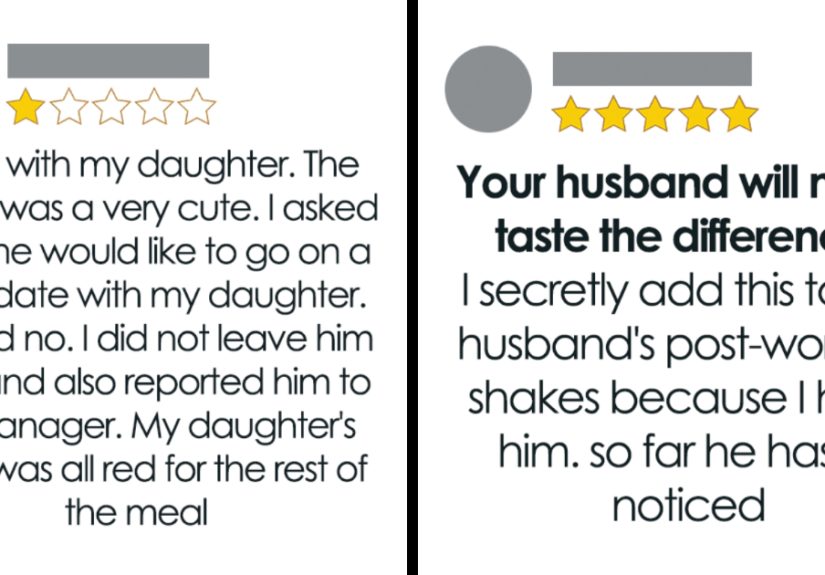
There are bad reviews, and then there are performances. You know the ones. A customer orders the wrong size, ignores the instructions, shows up during a thunderstorm, gets mad that a mountain contains rocks, and somehow decides the business deserves one lonely star for the emotional inconvenience. In theory, one-star reviews exist to warn the public. In practice, some of them read like rejected stand-up sets written by people who lost an argument with a toaster.
That is exactly why funny one-star reviews have become their own form of internet entertainment. They reveal more than product flaws or service hiccups. They reveal expectations so grand, logic so flexible, and outrage so theatrical that the review becomes the event. A pancake was “too round.” A beach had “too much sand.” A hotel dared to enforce a check-in time as if clocks were not an obvious personal attack. Somewhere between consumer feedback and accidental comedy, these bizarre complaints earn a second life as screenshots, memes, and group-chat fuel.
This article rounds up the kinds of one-star reviews that are so unhinged they circle back to being delightful. These are not direct copies of individual posts. Instead, they are fresh, original, reality-based composites inspired by the most common patterns in online review culture: misplaced blame, impossible expectations, self-inflicted chaos, and the timeless tradition of announcing, in great detail, “I did not read.” If you have ever fallen into a late-night rabbit hole of hilarious customer reviews, welcome home. Please leave a rating on your way out, preferably after taking a deep breath.
Why One-Star Reviews Are Weirdly Addictive
Part of the appeal is simple: online review culture turns everyday frustration into public storytelling. The funniest bad reviews are rarely about what went wrong. They are about the leap from “I had a mildly annoying experience” to “civilization has collapsed.” The result is comedy built from escalation. A late package becomes betrayal. A restaurant wait becomes a Shakespearean tragedy with appetizers. A coffee order mistake becomes evidence that society is unraveling faster than a cheap sweater in a hot dryer.
Another reason these reviews are so entertaining is that they often expose the gap between what customers wanted and what reality was ever prepared to provide. A national park will not install air conditioning. A budget motel will not transform into a luxury spa because the reviewer arrived with optimism and an overnight bag. And no, Susan, the blender probably was not “emotionally aggressive.” Yet when people write reviews in the heat of the moment, practicality slips out the back door and the drama comes strutting in wearing sequins.
73 One-Star Reviews So Unhinged They Deserve Five Stars For Entertainment
Restaurants, Cafés, and Food Drama
- The Ice Is Too Cold Complaint. The drink arrived refreshing, which was apparently a hostile act against sensitive teeth and personal peace.
- The Soup Was Wet Revelation. A reviewer seemed genuinely shocked that soup had the audacity to remain in liquid form.
- The Pizza Came Sliced. They wanted “a more interactive dining experience,” not a pie that had already done the teamwork.
- The Coffee Was Too Coffee-Flavored. Somewhere, a dark roast was accused of having a strong personality.
- The Pancake Was Circular. Expectations were not met because breakfast looked exactly like breakfast has looked for generations.
- The Waiter Smiled Too Much. Excellent service, apparently, can be interpreted as deeply suspicious behavior.
- The Fries Were Addictive. The restaurant was blamed because the reviewer kept eating what they had ordered voluntarily.
- The Salad Was Full of Leaves. A botanical betrayal, according to someone who definitely should have gone with the fries.
- The Dessert Was Too Pretty to Eat. One star for causing emotional conflict between admiration and spoon-related ambition.
- The Restaurant Was Busy on a Friday Night. Popularity was treated as a management failure instead of a clue.
- The Steak Had Grill Marks. To some people, evidence of cooking is simply too much realism.
- The Bread Basket Encouraged Carb Decisions. Responsibility was outsourced directly to the dinner rolls.
- The Tacos Fell Apart. As though tacos have ever been known for structural engineering excellence.
- The Server Did Not Read Minds. No one refilled the drink that was never mentioned, requested, or visibly empty.
- The Brunch Place Had Brunch Crowds. The reviewer arrived at peak brunch hour and acted stunned by the existence of other basic optimists.
- The Hot Sauce Was Hot. The menu was clear. The bottle was labeled. The tears were apparently everyone else’s fault.
- The Burger Was Too Tall. A sandwich became architecture, and architecture became oppression.
- The Cake Was Sweet. This was reported with the tone of a federal emergency bulletin.
Hotels, Travel, and Vacation Meltdowns
- The Ocean Was Loud. The waves would not keep it down, and management failed to discipline the Atlantic.
- The Beach Had Sand Everywhere. Nature once again refused to honor indoor standards.
- The Mountain Was Uphill. Hiking expectations were not aligned with topography, gravity, or common sense.
- The Hotel Room Was Smaller Than the Photos Made Me Feel. An honest complaint from someone who packed like they were relocating.
- The Airplane Left on Time. The reviewer arrived late and wrote the review like punctuality was a character defect.
- The Hotel Would Not Ignore Checkout Time. A rigid, oppressive policy also known as “noon.”
- The City Had Traffic. A metropolitan area failed to behave like a private driveway.
- The Pool Was Closed During Lightning. Safety rules ruined the reviewer’s dream of dramatic but crispy relaxation.
- The Cabin Had Bugs Outside. The forest was reviewed as if it had violated a homeowner association agreement.
- The Historic Inn Felt Old. An unusual grievance against a building whose main selling point was surviving multiple centuries.
- The Resort Had Other Guests. The vacation experience was diminished by the shocking revelation that exclusivity costs extra.
- The Cruise Ship Moved. Seasickness became a one-star referendum on the concept of boats.
- The National Park Lacked Wi-Fi in Every Direction. Wilderness was blamed for refusing to function like a coworking space.
- The Airport Was Full of Airports. Lines, announcements, and luggage somehow arrived exactly where airports keep them.
- The Hotel Towels Were Too White. A suspicious level of cleanliness raised more questions than gratitude.
- The Room With a View Had a View. Unfortunately, the view included sunlight, which the reviewer found personally overbearing.
- The Road Trip Required Driving. A crushing disappointment for someone who loved the destination but objected to the journey.
- The Desert Was Dry. Geography continues to refuse customization.
Online Shopping, Delivery, and Packaging Chaos
- The Package Arrived Early. One star because the surprise interfered with the reviewer’s emotional scheduling.
- The Box Was Bigger Than Expected. The item was fine, but the packaging apparently caused a philosophical crisis.
- The Instructions Required Reading. This was framed as a manufacturing defect instead of a literacy opportunity.
- The Lamp Needed a Lightbulb. The product was punished for not arriving with the sun.
- The Sweater Was Not Flattering to My Mood. Fashion review or cry for help? The internet may never know.
- The Shelf Looked Easy to Assemble Online. Several screws later, the reviewer declared war on the furniture industry.
- The Vacuum Picked Up Too Much Dirt. A genuinely offensive reminder of what the carpet had been hiding.
- The Blender Was Loud. Apparently, pulverizing ice should sound like whispered poetry.
- The Candle Melted. This was presented as a scandal rather than the entire point of candlehood.
- The Mirror Reflected Reality. Not the store’s fault, but certainly not the reviewer’s favorite customer experience.
- The Rug Did Not Match an Imaginary Paint Color. A one-star review written by vibes alone.
- The Chair Required Sitting Correctly. Poor posture met firm boundaries and did not take it well.
- The Phone Case Did Not Make the Phone More Interesting. Accessories can only do so much heavy lifting.
- The Mug Held Less Soup Than a Bowl. A shocking betrayal by the entire concept of mug geometry.
- The Mattress Was Too Comfortable. The reviewer overslept and blamed the product for succeeding.
- The Air Fryer Made Food Crispy. This outcome was somehow categorized as “aggressive.”
- The Shampoo Bottle Was Slippery in the Shower. In fairness, that is a brutal place for grip strength to be tested.
- The Package Tape Was Hard to Open. Security was interpreted as a deeply personal insult.
Tech Trouble, User Error, and Digital Nonsense
- The App Asked for a Password. The reviewer was offended by cybersecurity and nostalgic for chaos.
- The Laptop Did Not Fix My Life. A devastating review for a machine that promised only computing.
- The Printer Needed Ink. This horrifying secret was apparently discovered after purchase, during peacetime.
- The Smart Speaker Heard Me Correctly. The reviewer did not enjoy being accurately exposed requesting embarrassing songs.
- The Headphones Blocked Noise. One star because the user could no longer hear the microwave beep.
- The Keyboard Had Too Many Keys. Minimalism went too far and then somehow not far enough.
- The Mouse Was Not an Actual Mouse. This complaint feels unserious, but somewhere online it probably exists.
- The Camera Showed My Real Face. Technology was blamed for refusing to install natural lighting and emotional support.
- The Update Changed the Button Location. A routine redesign became a memoir about trust, betrayal, and muscle memory.
- The GPS Suggested the Fastest Route. The reviewer preferred vibes, symbolism, and a scenic detour through bad decisions.
- The Wi-Fi Went Down During a Storm. Meteorology was translated directly into a product review.
- The Charger Did Not Work in a Nonexistent Outlet. The setup made no sense, but the outrage was beautifully organized.
- The Alarm Clock Was Too Effective. Nothing inspires one-star energy like accountability at 6:00 a.m.
- The Streaming Service Remembered What I Watch. Personalization felt uncomfortably accurate and therefore rude.
- The Fitness Watch Judged Me With Facts. Steps were low, morale was lower, and the review was inevitable.
Pure Chaos, Petty Outrage, and Main Character Energy
- The Store Closed at Closing Time. One star for respecting the basic structure of clocks and employee dignity.
- The Product Worked, But the Reviewer’s Ex Was There. A truly unfair collision of commerce and destiny.
- The Service Was Fine, But Parking Was Hard. Businesses continue taking the blame for city planning, weather, and fate.
- The Reviewer Admitted “I Haven’t Tried It Yet.” A masterpiece of confidence unsupported by any relevant experience.
What These Wild Reviews Really Say About Review Culture
The funniest one-star reviews are not just amusing because they are dramatic. They are memorable because they capture the weird emotional pressure people bring into modern consumer life. Sometimes shoppers are tired, rushed, overbooked, overhyped, or quietly hoping a purchase will solve a problem much bigger than a purchase can solve. Then reality arrives in regular, unsparkly form. The hotel room is simply a hotel room. The earbuds are just earbuds. The sandwich is a sandwich, not a spiritual awakening served on artisan bread. And that tiny collision between expectation and reality becomes a public monologue with punctuation doing acrobatics.
There is also something deeply familiar in the experience of reading these reviews. Most people have had a day when a minor inconvenience felt much bigger because ten other things had already gone wrong. You spill coffee, miss a call, forget a password, and suddenly the printer sounds like your nemesis. That does not justify a ridiculous review, but it does explain why some of them feel less like product feedback and more like emotional weather reports. “One star, towel too fluffy” is rarely about the towel alone.
Scrolling through bizarre customer reviews can feel like people-watching with subtitles. First comes disbelief. Then comes laughter. Then, if you keep going long enough, comes a strange tenderness. Behind many unhinged reviews is a person who wanted convenience, comfort, or control and instead got a small reminder that the world is still chaotic. Not evil. Not targeted. Just chaotic. The package came early. The restaurant was busy. The beach had wind because beaches are apparently committed to their bit.
There is a reason these reviews spread so quickly in screenshots and roundups. They deliver the internet’s favorite mix: truth, absurdity, and zero personal risk to the reader. You get to witness someone else overreacting while feeling wonderfully sane by comparison. It is the digital version of hearing a stranger argue with a self-checkout machine and thinking, “Well, at least my afternoon is going better than that.” That tiny burst of relief is part of the entertainment.
At the same time, these reviews are a useful reminder that not every bad rating is useful, and not every glowing rating is wise. The best readers learn to separate meaningful complaints from theatrical ones. A review about safety, accuracy, billing, or repeated service problems matters. A review that punishes a campground for having birds is mostly performance art. That difference is what makes online review culture both helpful and hilarious. It is consumer guidance mixed with improvisational comedy, and the audience has learned to tell the difference.
So yes, one-star reviews can be annoying, unfair, and occasionally nonsense wrapped in capital letters. But they can also be incredibly revealing. They show how people assign blame, how quickly inconvenience becomes story, and how the internet turns ordinary disappointment into shareable spectacle. And when the complaint is especially overcooked, strangely poetic, or gloriously disconnected from reality, the rating may be one star, but the entertainment value is an easy five.
Conclusion
Funny one-star reviews have become a corner of internet culture all their own because they do more than rate a product or service. They capture expectation, ego, frustration, and accidental comedy in a format small enough to screenshot and dramatic enough to remember. The best of them are not useful buying guides at all. They are tiny chaos novels. And while nobody wants to be the business on the receiving end of a ridiculous review, the rest of us cannot help reading them the way we read tabloid headlines in the grocery line: with judgment, fascination, and at least one laugh we pretend was educational.