Table of Contents >> Show >> Hide
- What Seasonal Allergies Really Are
- How to Tell If It Is Allergies and Not a Cold
- The Most Common Seasonal Allergy Symptoms
- Your Seasonal Allergy Survival Plan
- Treatments That Actually Help
- When to See an Allergist or Other Health Care Professional
- Simple Daily Habits That Make a Big Difference
- What Seasonal Allergy Experiences Really Feel Like
- Final Thoughts
Seasonal allergies have a special talent for making you question your life choices. Why did you go for a lovely spring walk? Why did you open the car window for “fresh air”? Why does one tiny patch of grass seem personally offended by your existence? If this sounds familiar, welcome to the sniffly, itchy, watery-eyed club.
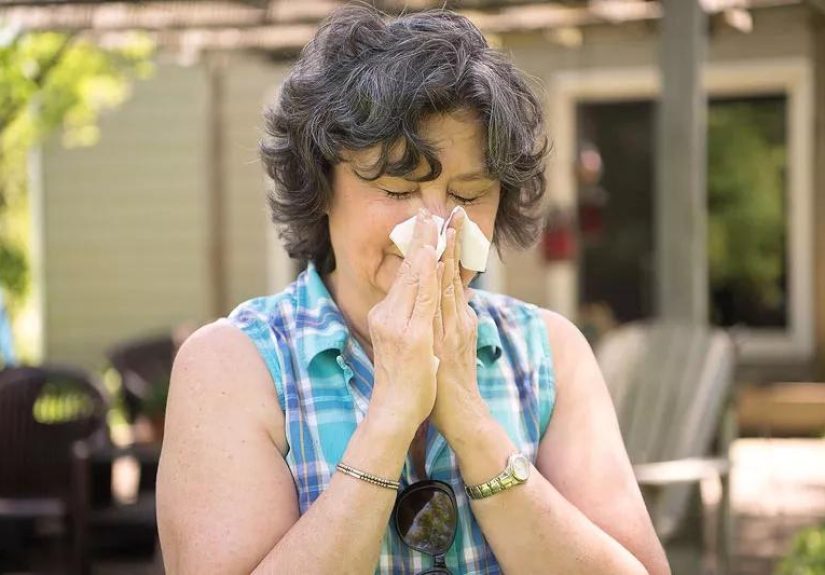
Also known as seasonal allergic rhinitis or hay fever, seasonal allergies happen when your immune system overreacts to airborne allergens such as tree pollen, grass pollen, weed pollen, and mold spores. Instead of minding its business, your immune system treats harmless particles like unwanted intruders. The result is a parade of classic symptoms: sneezing, congestion, runny nose, postnasal drip, itchy nose, and eyes that look like you just watched a sad movie on repeat.
The good news is that allergy season does not have to run your schedule, your sleep, or your social life. With the right mix of trigger control, timing, treatment, and common sense, you can make the season much more manageable. This guide breaks down what seasonal allergies are, how to spot them, what actually helps, and how real people can survive the daily grind without turning into a walking tissue commercial.
What Seasonal Allergies Really Are
Seasonal allergies are caused by exposure to allergens that tend to spike during certain parts of the year. In spring, tree pollen is often the main troublemaker. In late spring and summer, grass pollen usually steps into the spotlight. By late summer and early fall, weeds like ragweed can take over. Mold spores can also flare seasonally, especially in damp weather, after rain, or around piles of leaves and yard debris.
The word “seasonal” can be a little misleading, though. Many people who think they only have spring allergies also react to indoor triggers like dust mites, pet dander, or mold. That means symptoms may feel worse during pollen season but never fully disappear. In other words, allergy season may start with the trees, but it can keep going because your bedroom, couch, or cheerful golden retriever joined the plot.
How to Tell If It Is Allergies and Not a Cold
This is one of the most common questions every sniffly person asks. A cold and allergies can both cause sneezing, a runny nose, congestion, and general annoyance. The difference is usually in the pattern.
Signs it is probably allergies
If your symptoms show up around the same time each year, last for weeks, and come with itching, allergies move way up the suspect list. Itchy eyes, itchy nose, itchy throat, and clear nasal drainage are especially common with allergies. You may also notice that symptoms get worse after yard work, outdoor exercise, windows-open weather, or sleeping with pollen still hanging out in your hair.
Signs it might be a cold
If your symptoms came on suddenly after exposure to someone sick, last about a week, and include fever, body aches, or a sore throat that feels more “I am getting sick” than “a tree is trying to fight me,” a virus may be more likely. Allergies do not cause fever, even though the phrase “hay fever” has confused generations of people.
The Most Common Seasonal Allergy Symptoms
Seasonal allergies can affect more than your nose. Some people mainly deal with sneezing. Others get the full deluxe package. Symptoms often include:
- Sneezing fits that arrive in bunches
- Runny nose with thin, clear mucus
- Stuffy nose or nasal congestion
- Postnasal drip
- Itchy nose, mouth, throat, or ears
- Red, watery, itchy, or burning eyes
- Puffy eyelids, especially in the morning
- Fatigue from poor sleep and nonstop congestion
- Cough, wheeze, or shortness of breath in people with allergic asthma
If you also have asthma, pollen season can make breathing symptoms worse. That is an important detail, because coughing, wheezing, chest tightness, or trouble catching your breath should never be brushed off as “just allergies.”
Your Seasonal Allergy Survival Plan
Most people do best when they stop thinking about allergy care as one heroic move and start thinking about it as a system. Seasonal allergy control works best when you stack small wins: reduce exposure, use the right medication consistently, clean up after outdoor time, and know when to get help.
1. Know your trigger calendar
Pay attention to what bothers you and when. Trees often cause spring misery. Grass tends to peak later in spring and summer. Ragweed loves late summer and fall. Mold may spike in damp weather or around rotting leaves. If your symptoms follow a seasonal pattern, that timing is valuable information.
2. Check pollen conditions before you make plans
Think of pollen levels the way you think of the weather. If counts are high, that may not be the best morning for a five-mile jog, a picnic, or enthusiastic gardening. On rough days, shift outdoor activities when possible, shorten exposure, and keep your rescue routine ready.
3. Keep the outdoors from moving into your bedroom
This is where many people quietly lose the battle. Pollen sticks to hair, skin, clothing, shoes, and pets. If you come home from outside and flop directly onto your bed, congratulations: you just invited the enemy into your pillowcase.
After spending time outdoors, shower if you can, wash your hair, and change clothes. Do not wear your outside clothes to bed. Keep windows closed during peak allergy season, especially in the bedroom and car. Dry clothes indoors rather than on an outdoor line, where pollen can cling to towels and sheets like it pays rent.
4. Make indoor air work for you
Air conditioning can help by cooling, drying, and recirculating indoor air instead of inviting every floating particle in the neighborhood inside. Filtration can also help reduce allergen load. If mold is part of your problem, moisture control matters just as much as pollen control. Fix leaks, improve airflow, and keep humidity from creeping high enough to encourage mold growth.
5. Be strategic about yard work
Mowing, raking, and weed pulling are basically allergy season’s version of standing in front of a confetti cannon and hoping for the best. If possible, let someone else mow the lawn or rake leaves. If you have to do it yourself, limit exposure and protect your airway and eyes. Then shower and change clothes afterward.
Treatments That Actually Help
Seasonal allergy treatment is not one-size-fits-all. The best choice depends on whether your main problem is congestion, sneezing, itching, eye symptoms, or a mix of everything. It also depends on whether you need quick relief, all-day control, or both.
Nasal corticosteroid sprays
For many people, these are the heavy hitters. They reduce inflammation in the nose and can help with congestion, sneezing, runny nose, and overall nasal misery. They work best when used regularly rather than only on your worst day. Some people feel better quickly, but full benefit may take steady daily use for days to a couple of weeks. Translation: do not fire it once like a magic wand and declare it useless by lunchtime.
Antihistamines
Antihistamines can be helpful for sneezing, itching, and runny nose. Many people prefer newer, less-sedating options during the day because they are less likely to turn a functioning adult into a sleepy potato. That said, always read labels, because some products can still cause drowsiness.
Saline nasal rinses
Saline rinses can help flush pollen, dust, and mucus out of the nasal passages. They can be a useful add-on if your nose feels packed, irritated, or dry. The safety rule matters here: use distilled, sterile, or previously boiled water, not plain tap water. It is a simple step, but an important one.
Decongestants
These may help with stuffiness, but they are not ideal for everyone. Oral products can have side effects, and some may not be the best choice depending on your age or other health conditions. Nasal decongestant sprays can work quickly, but using them for more than a few days in a row can lead to rebound congestion. That is the cruel little trick where the spray that saved your nose on Monday turns into the reason you cannot breathe by Thursday.
Eye drops and eye care
If your eyes itch, burn, tear, or puff up, treating the eyes directly may help. Allergy eye drops, along with simple habits like not rubbing your eyes and washing your hands after outdoor exposure, can make a real difference. Artificial tears may also help rinse allergens from the eye surface and calm irritation.
Immunotherapy
If symptoms are severe, hard to control, or keep coming back year after year, allergen immunotherapy may be worth discussing with an allergist. This includes allergy shots and, for certain allergens, tablets placed under the tongue. The goal is not just symptom relief in the moment. It is to help your body become less reactive over time.
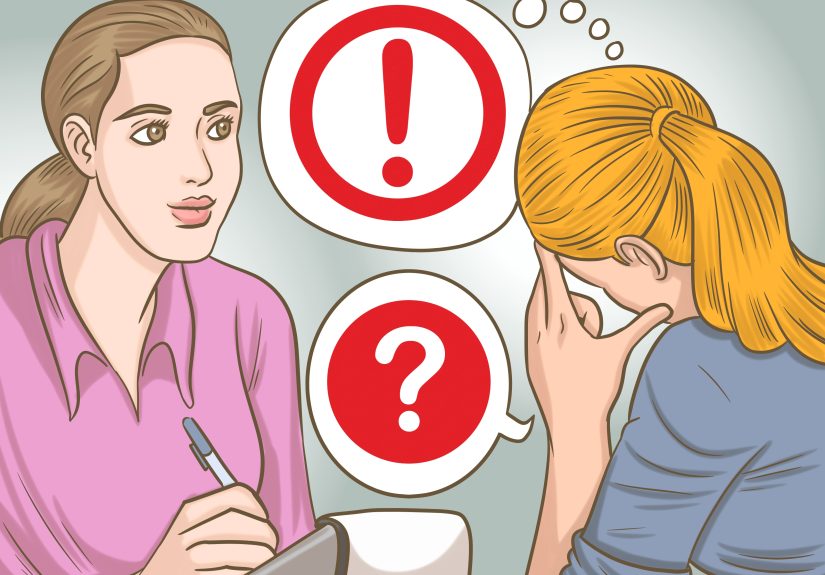
When to See an Allergist or Other Health Care Professional
It is time to get medical help when seasonal allergies stop being an inconvenience and start acting like a full-time job. Consider professional evaluation if:
- Your symptoms last for months or come back hard every year
- Over-the-counter treatment is not controlling your symptoms
- You are not sure what is triggering the problem
- You have recurring sinus pressure, chronic congestion, or poor sleep
- You wheeze, cough, or feel short of breath
- Your allergies interfere with work, school, exercise, or daily life
An allergist can help sort out what is seasonal, what is year-round, and whether testing might help identify the main triggers. That matters because the right plan is much easier to build when you know whether your biggest enemy is oak pollen, ragweed, mold, cat dander, or all of the above in a chaotic little group chat.
Simple Daily Habits That Make a Big Difference
People often want one perfect allergy hack, but the boring truth is that consistency wins. The little habits below are not glamorous, but they can lower your total allergen load and make medication work better:
- Shower and change after long outdoor exposure
- Wash bedding regularly
- Keep bedroom windows closed during high pollen periods
- Do not rub your eyes
- Keep pets from tracking pollen onto bedding and furniture
- Use treatment before symptoms spiral, not after
- Protect sleep, because congestion feels worse when you are exhausted
Think of allergy care like brushing your teeth. It works best as routine maintenance, not as a dramatic emergency response once everything is already inflamed and chaotic.
What Seasonal Allergy Experiences Really Feel Like
Here is the part people do not always say out loud: seasonal allergies are not just physical. They are disruptive. They can make you feel groggy, distracted, irritable, and weirdly defeated by the weather. To make this guide more real, here are a few common experiences that reflect what allergy season is actually like for many people.
The morning ambush
You wake up feeling as if you slept in a hedge. Your eyes are puffy, your nose is blocked on one side, and your throat feels coated with postnasal drip. You were fine at bedtime, but then the pollen on your hair, pillow, or bedroom air staged a quiet overnight takeover. This is one reason nighttime showers and cleaner sleep spaces matter so much.
The “I thought it was a cold” week
A lot of people spend several days assuming they caught something because the sneezing and congestion feel familiar. Then they notice the pattern: no fever, plenty of itching, and symptoms that get worse after a walk or an open-window drive. That realization often changes everything, because once you recognize the trigger, you can start preventing symptoms instead of simply enduring them.
The outdoorsy optimism trap
One warm, breezy Saturday arrives, and suddenly you become a person who gardens, jogs, cleans the patio, and reorganizes the garage. By evening, your face is itchy, your eyes are burning, and your sinuses are staging a protest. Seasonal allergies are often worst after long exposure, not necessarily the first ten cheerful minutes outside. The body sometimes cashes the check later.
The workday fog
Even when symptoms do not look dramatic, allergy season can make concentration harder. Poor sleep from nighttime congestion, constant throat clearing, watery eyes, and medication side effects can all chip away at your focus. You may not feel “sick sick,” but you also do not feel sharp. That low-level drag is one reason better treatment can improve quality of life more than people expect.
The eye-rubbing mistake
Almost everyone with eye symptoms learns this lesson the hard way. You rub one itchy eye for relief and somehow make both eyes angrier. Now they are watery, red, and offended. Hands can carry irritants, and rubbing mechanically aggravates the surface of the eyes. It is a tiny habit with a surprisingly large penalty.
The false victory of opening the windows
There is a particular kind of heartbreak in creating a “fresh spring breeze” moment indoors and then realizing you essentially invited pollen to settle onto the couch, curtains, bedspread, and your unsuspecting face. It feels healthy for about eight minutes. Then the sneezing starts. Indoor comfort during allergy season often depends on doing the opposite of what looks most charming on a lifestyle feed.
The lawn-mowing betrayal
Grass-cutting day can turn even mild allergies into a full production. The problem is not just being near grass. It is the cloud of particles stirred up during mowing, trimming, or raking. Many people describe feeling fine beforehand and wrecked afterward. The experience can be so consistent that it becomes a personal rule: if the yard gets cleaned up today, the body will file a complaint tomorrow.
The relief of having a real plan
One of the biggest shifts for allergy sufferers is moving from random coping to a repeatable system. The person who checks pollen levels, uses the right medicine early, showers after outdoor time, keeps windows closed, and manages the bedroom environment usually feels more in control than the person who waits until symptoms explode. It is not glamorous, but it is effective. And honestly, feeling prepared during allergy season is its own kind of emotional support.
Final Thoughts
Seasonal allergies may be common, but they are not trivial. They affect sleep, mood, work performance, exercise, and daily comfort. The best survival guide is not built on one miracle tip. It is built on recognizing your triggers, lowering exposure, using treatments correctly, and knowing when symptoms have crossed the line from annoying to medically important.
If your allergies are mild, a few smart changes may be enough to make the season much easier. If they are persistent, disruptive, or linked to wheezing or breathing trouble, getting expert help is a strong move, not an overreaction. You do not need to spend every spring, summer, or fall negotiating with your own nose. Pollen may be seasonal, but suffering does not have to be.