



Table of Contents >> Show >> Hide
- What Is a Pea Gravel Patio (and Is It Right for You)?
- Planning Your Pea Gravel Patio
- Tools and Materials You’ll Need
- Step-by-Step: How to Build a Pea Gravel Patio
- Step 1: Mark Out the Patio Area
- Step 2: Strip the Grass and Topsoil
- Step 3: Rough-Grade for Slope
- Step 4: Compact the Subgrade
- Step 5: Install Patio Edging
- Step 6: Add and Compact the Base Layer
- Step 7: Consider Landscape Fabric
- Step 8: Add the Pea Gravel
- Step 9: Optional – Lock It In with Epoxy
- Step 10: Add Furniture and Finishing Touches
- Design Ideas for Your Pea Gravel Patio
- Maintenance: Keeping Your Patio Looking Fresh
- How Much Does a Pea Gravel Patio Cost?
- Common Mistakes to Avoid
- Real-World Experiences: Living with a Pea Gravel Patio
- 1. It Changes the Sound of Your Yard
- 2. Pets and Kids Will Interact with ItConstantly
- 3. Furniture Choice Matters More Than You Think
- 4. Snow and Ice Require a Slightly Different Approach
- 5. You’ll Learn Where the Gravel Wants to Go
- 6. It’s Surprisingly Flexible Over Time
- 7. The “Lived-In” Look Can Be a Feature, Not a Bug
- Final Thoughts
If your backyard currently looks more “before photo” than “outdoor oasis,” a pea gravel patio might be the glow-up it needs. It’s budget-friendly, DIY-friendly, and doesn’t require you to master complicated masonry skills. Think of it as the casual, effortlessly cool cousin of concrete and pavers: soft underfoot, great for drainage, and surprisingly stylish.
In this guide, we’ll walk through everything you need to know about how to build a pea gravel patiofrom planning and digging to edging, compacting, and styling. We’ll also cover real-world pros and cons, typical costs, and lessons learned from people who’ve actually lived with pea gravel patios (and raked them… and weeded them… and chased stray stones off the lawn).
What Is a Pea Gravel Patio (and Is It Right for You)?
Pea gravel is made up of small, rounded stones roughly the size ofyou guessed itpeas. Because the stones are smooth and naturally varied in color, pea gravel patios tend to look relaxed and organic rather than overly formal.
Pros of a Pea Gravel Patio
- Affordable: Pea gravel is typically one of the lowest-cost hardscape materials. The rock itself is inexpensive, and you can install it without hiring a pro.
- DIY-friendly: No concrete mixing or precision cutting required. If you can dig, rake, and run a tamper, you can tackle this project.
- Great drainage: Water filters through pea gravel easily, so it’s ideal for areas where you don’t want puddles lingering after every storm.
- Soft and forgiving: The texture feels comfortable underfoot, and it’s easier on dropped dishes than solid stone or concrete.
- Flexible design: You can create any shapecurvy, rectangular, or free-formand it pairs beautifully with wood, brick, and greenery.
Cons to Consider Before You Commit
- Stones move around: Pea gravel shifts and scatters, especially on slopes or high-traffic areas. Without proper edging, it can wander into your lawn or garden beds.
- Not ideal for wheels or heels: It’s not the best surface for rolling furniture, strollers, or wheelchairs. High heels also sink in, so this isn’t your red-carpet patio.
- Some maintenance required: You’ll need to rake it smooth now and then, pull occasional weeds, and top up the gravel every few years.
If you’re dreaming of a relaxed, cottage-style, or modern rustic outdoor space and don’t mind a little raking, a pea gravel patio is a great fit.
Planning Your Pea Gravel Patio
Choose the Right Location
Pick a spot that:
- Is relatively flat or gently sloped (you can adjust slope slightly during grading).
- Is at least a few feet away from your home’s foundation to keep water from pooling against the house.
- Gets the amount of sun or shade you want for lounging or dining.
- Has easy access from a door or path so you’re not trudging across the lawn with plates and drinks.
Decide on Size and Shape
Use a garden hose, stakes and string, or marking paint to outline your patio shape. Then measure the length and width to estimate square footage and material quantities.
Typical pea gravel patio depths are:
- 4–6 inches total excavation (for base + gravel)
- 3–4 inches of compacted crushed stone base
- 2–3 inches of pea gravel as the top layer
Check Drainage and Slope
Any patio needs to shed water. As a rule of thumb, aim for about 1–2% slope (roughly 1/4 inch per foot) away from your house or other structures. You can check this using a long board and a level: raise one end slightly and make sure the bubble just tips in the direction you want water to flow.
Tools and Materials You’ll Need
Basic Tools
- Shovel and spade
- Sod cutter (optional, but helpful for larger areas)
- Steel garden rake and leaf rake
- Wheelbarrow
- Hand tamper or plate compactor (rentable from most home centers)
- Long straight board and level
- Landscape stakes and string or marking paint
- Utility knife and scissors
- Gloves, safety glasses, and sturdy work shoes
Materials
- Pea gravel: Typically 2–3 inches deep over the entire patio.
- Crushed stone base: 3/4-inch “minus” or similar base gravel, 3–4 inches deep.
- Edging: Steel, aluminum, composite, paver, or pressure-treated lumber edging to contain the stones.
- Landscape fabric (optional but common): A permeable, weed-blocking fabric beneath the gravel or base.
- Sand or stone dust (optional): A thin bedding layer for fine leveling over the base.
Step-by-Step: How to Build a Pea Gravel Patio
Step 1: Mark Out the Patio Area
Use stakes and string or marking paint to outline your patio. For rectangles, measure diagonals to make sure your corners are square. For curves, a flexible garden hose makes a great temporary template.
Step 2: Strip the Grass and Topsoil
Cut and remove sod within your layout. A sod cutter can save your back on larger patios. Dig down to a depth of about 4–6 inches, depending on your chosen base and gravel thickness. Remove roots, large rocks, and debris as you go. Rake the soil relatively smooth.
Step 3: Rough-Grade for Slope
Before you start building up, get the subgrade sloped correctly. Use your level and board to check that the soil surface slopes slightly away from your home or other structures. Rough grading now makes everything else easier and helps you avoid drainage headaches later.
Step 4: Compact the Subgrade
Run a plate compactor or hand tamper over the bare soil. This step helps prevent future settling and dips. If the soil is very dry, a light mist of water can help it compact more effectively.
Step 5: Install Patio Edging
Edging is essential for keeping pea gravel from migrating all over your yard. Install metal, plastic, or wood edging along your marked lines, following the manufacturer’s instructions. Secure it with stakes so it stands firm and defines the final patio height.
Step 6: Add and Compact the Base Layer
Pour in your crushed stone base (often called “paver base,” “crusher run,” or 3/4-inch minus). Spread it evenly to about 2 inches deep, then compact thoroughly. Add another 1–2 inches, and compact again.
Key points for your base layer:
- Compact in layers no more than 3–4 inches thick.
- Maintain your gentle slope away from structures.
- Fill low spots and knock down high spots before you compact.
The base is what makes your patio feel solid. If you skimp here, you’ll feel it underfoot later.
Step 7: Consider Landscape Fabric
This step is optional and surprisingly controversial among landscapers. Here’s the quick breakdown:
- Pros: Permeable landscape fabric can help block weeds and keep the soil from mixing into your gravel over time.
- Cons: In some installations, fabric can clog with fine particles, making drainage worse, or it can shift and bunch up if not installed well.
If you do use fabric, choose a high-quality, permeable product, lay it flat over your compacted base, and overlap seams by at least 6 inches. Avoid plastic sheeting; it traps water rather than letting it drain.
Step 8: Add the Pea Gravel
Now for the fun part. Pour the pea gravel into the edged, prepared base. Spread it evenly with a rake until it’s about 2–3 inches deep, staying just below the top of the edging to help keep stones in place.
Walk around and gently “shuffle” your feet to settle the stones, then rake again to level the surface. In high-traffic areas, you may eventually want a slightly thinner layer for easier walking.
Step 9: Optional – Lock It In with Epoxy
If you love the look of pea gravel but want a firmer surface, you can use a clear epoxy binder designed for outdoor stone. This creates a porous but more solid surface, kind of like a stabilized gravel carpet.
Epoxy systems typically require:
- Clean, dry gravel.
- Moderate temperatures and dry weather.
- Careful mixing and spreading according to the manufacturer’s directions.
This adds cost and effort but can make furniture and foot traffic more stable.
Step 10: Add Furniture and Finishing Touches
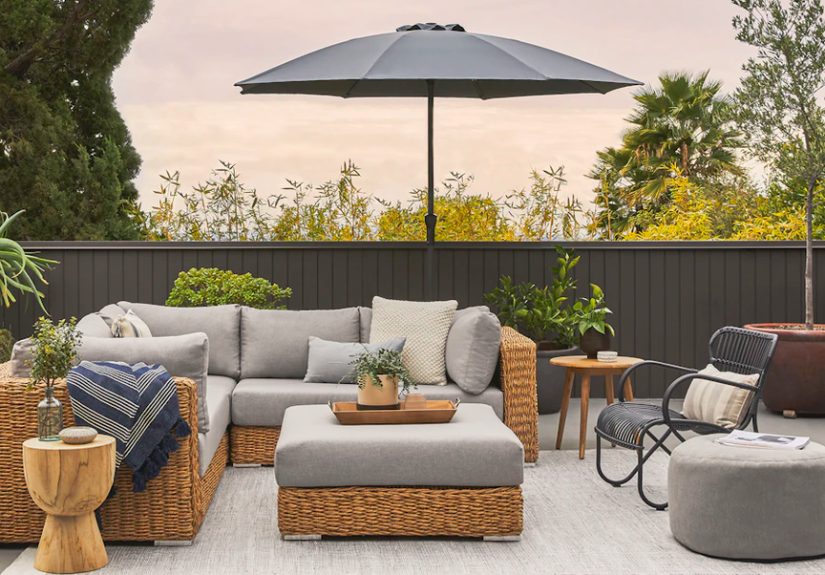
Set up your patio furniture, string lights, planters, and maybe a fire bowl or umbrella. Use wide-base furniture feet to keep chairs from sinking. Outdoor rugs designed for use over gravel can help define seating or dining zones.
Design Ideas for Your Pea Gravel Patio
- Mixed materials: Break up the gravel with stepping-stone “pads” for chairs or a dining table.
- Border drama: Frame the patio with brick, natural stone, or contrasting gravel for a more polished look.
- Cottage vibes: Plant lavender, ornamental grasses, or herbs around the edges to soften the lines and add fragrance.
- Modern minimal: Pair cool-gray pea gravel with sleek black metal furniture and simple planters.
- Fire pit zone: Because pea gravel is non-combustible, it’s an excellent surface around a wood or gas fire pit (still follow local codes and safety rules).
Maintenance: Keeping Your Patio Looking Fresh
Good news: pea gravel patios are low maintenance, but not no maintenance. Expect to:
- Rake occasionally: Smooth out footprints, fill in low spots, and keep the surface level.
- Top up the gravel: Every few years, you may need to add a fresh layer where stones have migrated or sunk.
- Control weeds: Pull weeds by hand or spot-treat with your preferred weed control method, especially along edges.
- Blow off debris: Use a leaf blower on a low setting to remove leaves and small debris without blasting all the stones into your neighbor’s yard.
With a bit of routine care, your pea gravel patio can stay attractive and comfortable for many seasons.
How Much Does a Pea Gravel Patio Cost?
Exact numbers vary by region and supplier, but here’s a rough idea to help with budgeting:
- Pea gravel: Commonly in the range of around $25–$60 per ton or $25–$60 per cubic yard, depending on quality and location.
- Base gravel: Similar or slightly lower cost than pea gravel.
- Bags vs. bulk: Small bags from big-box stores often cost more per yard than bulk delivery from a landscape supplier.
- DIY vs. pro: DIY materials might average around $1.50–$3.00 per square foot for gravel and base. Professional installation can raise that to roughly $7–$20 per square foot when labor and equipment are included.
A modest 10 x 12-foot pea gravel patio (120 square feet) can often be completed for a few hundred dollars in materials if you do the work yourself, compared with significantly higher costs for poured concrete or natural stone.
Common Mistakes to Avoid
- Skipping the base: Dumping gravel directly on soil leads to sinking, ruts, and unevenness. Always use a compacted base.
- No edging: Without edging, pea gravel will slowly escape into lawns and beds, and you’ll forever be kicking rocks off your mower path.
- Too much depth: More than 3 inches of pea gravel becomes hard to walk on. Keep it between 2 and 3 inches.
- Ignoring slope and drainage: A flat patio in a low spot can still collect watergravel or not. Grade carefully so water flows away from the house.
- Using the wrong gravel: Rounded pea gravel looks great but shifts more than angular gravel. If stability is a top priority, consider a blend or slightly more angular stone for high-traffic zones.
Real-World Experiences: Living with a Pea Gravel Patio
So what is it actually like to live with a pea gravel patio day to day? Here are some real-world style experiences, observations, and “wish I’d known this sooner” notes to help you decide if this project is right for you.
1. It Changes the Sound of Your Yard
One of the unexpected perks people notice is the sound of walking on pea gravel. The soft crunch underfoot makes the space feel like a cozy garden cafe or a European courtyard. It’s subtle, but it creates a sense of place every time someone walks through.
The flip side: if you have a dog who loves sprinting laps, you’ll hear that crunch early and often. Most homeowners adjust quickly, but it’s something to keep in mind if you crave absolute silence.
2. Pets and Kids Will Interact with ItConstantly
If you have kids, be prepared for the “rock kitchen,” “rock volcano,” and “rock treasure hunt” eras. Pea gravel is irresistible for scooping, sorting, and building. That’s not a bad thingit’s basically a built-in sensory play areabut you may want to set some ground rules about tossing stones.
Dogs are usually fine with pea gravel, though some don’t love walking on it at first. Many homeowners report that dogs adapt quickly, especially if there’s a clear path or a small area with pavers where they can step if they prefer.
3. Furniture Choice Matters More Than You Think
Light, spindly furniture legs tend to sink into pea gravel, which makes chairs wobble and tables feel unstable. In practice, people find that:
- Chairs with wider feet or sled-style bases work best.
- Outdoor sectionals with integrated bases feel more solid than separate chairs.
- Adding large pavers or concrete pads under table and chair legs instantly improves stability.
If you already have narrow-leg furniture you love, don’t panic. You can often “rescue” it by placing it on a large outdoor rug that spreads weight out more evenly or by laying stepping stones beneath key points.
4. Snow and Ice Require a Slightly Different Approach
In cold climates, a pea gravel patio behaves differently than solid surfaces. You can’t use a metal shovel unless you want to fling gravel into your yard with every scoop. Instead, homeowners often:
- Use a plastic shovel and skim the top lightly.
- Switch to a stiff broom for thin layers of snow.
- Accept that in heavy storms, the patio may simply wait for a thaw.
On the plus side, you don’t have to worry about salt or ice melt products staining or spalling concrete. The gravel surface itself is resilientjust a little more “natural” in winter.
5. You’ll Learn Where the Gravel Wants to Go
No matter how tidy your installation, the patio will teach you where it wants to migrate. Over the first season or two, you’ll start to notice patterns:
- Gravel slowly creeps toward doorways and transitions.
- It builds up at the bottom of slopes if the grade is too steep.
- Certain corners seem to lose gravel faster because that’s where everyone turns or pivots.
The fix is usually simple: rake gravel back where it belongs and, if needed, adjust the edging or add a low threshold at doors. Many homeowners find that after the first year of small tweaks, the patio reaches a kind of equilibrium and needs less active herding.
6. It’s Surprisingly Flexible Over Time
One of the biggest long-term advantages is how easy it is to change your mind. Want to expand the patio? Add a secondary seating area? Install a new planting bed or a small raised deck? With pea gravel, you can:
- Rake back stones from one area and reuse them elsewhere.
- Cut a new curve or edge shape without demolishing concrete.
- Move furniture and redefine zones as your lifestyle changes.
That flexibility makes a pea gravel patio an excellent choice if you’re still figuring out your long-term landscape plan but want to start enjoying your yard now.
7. The “Lived-In” Look Can Be a Feature, Not a Bug
Unlike a perfectly smooth concrete slab, a pea gravel patio will never look laser-flat and flawless. There will always be a little texture, a few footprints, and a slightly rumpled surface. For many people, that’s exactly the charmthey want a space that feels natural and relaxed, not overly manicured.
If you prefer a crisp, ultra-modern look where every line is sharp and every surface is perfectly smooth, pea gravel might not be your soulmate. But if you love cozy, European-inspired courtyards and don’t mind the occasional rake session, it can be a joy to live with.
Final Thoughts
Building a pea gravel patio is one of those projects where a weekend of digging, hauling, and compacting can completely transform your yard. With a solid base, proper edging, and a little attention to drainage, you’ll end up with a space that’s affordable, good-looking, and wonderfully low-stress to live with.
Whether you use it as a dining area, a fire pit hangout, or a quiet morning coffee spot, your pea gravel patio can quickly become the outdoor room you actually userather than just admire from the window.