



Table of Contents >> Show >> Hide
- What Introversion Actually Is (Before We List the Struggles)
- Things Introverts Hate: A Relatable List of Introvert Struggles
- 1. Small Talk That Never Ends
- 2. Being Interrupted Mid-Thought
- 3. Surprise Phone Calls (Especially “Just to Chat”)
- 4. Last-Minute Plans With Built-In Guilt
- 5. Crowded, Noisy Environments
- 6. Being Treated Like They Need to Be “Fixed”
- 7. Group Brainstorms With Zero Structure
- 8. Being Forced to Share Personal Details on the Spot
- 9. Having Their Alone Time Taken Personally
- 10. Constant Notifications and “Always On” Communication
- 11. Being Misunderstood as Rude, Cold, or Arrogant
- 12. Open-Plan Offices With Zero Privacy
- 13. Social Exhaustion Being Ignored or Mocked
- 14. People Assuming They Don’t Like Fun
- 15. Being Rushed to Respond or Decide
- Why These Introvert Struggles Happen
- How to Make Life Easier for the Introverts in Your World
- Extra: Real-Life Experiences of Introvert Struggles
- Conclusion
If you’re an introvert, you probably have a secret list of things you quietly despise but rarely say out loud. You’re not mad at people. You’re not broken. You just have a brain that recharges in quiet, low-stimulus environments, and a world that keeps yelling, “Let’s do another icebreaker!”
This deep-dive into things introverts hate isn’t about bashing extroverts. It’s about translating the introvert experience into something friends, partners, coworkers, and yes, even chatty neighbors can understand. If you’ve ever felt your social battery drain faster than your phone on 3% brightness, this list of introvert struggles is for you.
What Introversion Actually Is (Before We List the Struggles)
Quick clarification: introversion isn’t shyness, rudeness, or a personality flaw. Psychologists describe introverts as people who are energized by solitude and low-key environments, and who tend to focus more on their inner world than on external stimulation. That’s why a quiet night in can feel as restorative as a full spa day.
Introverts often:
- Need alone time to recharge their mental “battery”
- Prefer deep, one-on-one conversations over big group hangouts
- Think before they speak and reflect a lot after social events
- Get overstimulated by noise, crowds, or constant interruptions
So when we say “things introverts hate,” we’re really talking about situations that clash with how their brain works not random personal pet peeves. With that in mind, let’s get into the list.
Things Introverts Hate: A Relatable List of Introvert Struggles
1. Small Talk That Never Ends
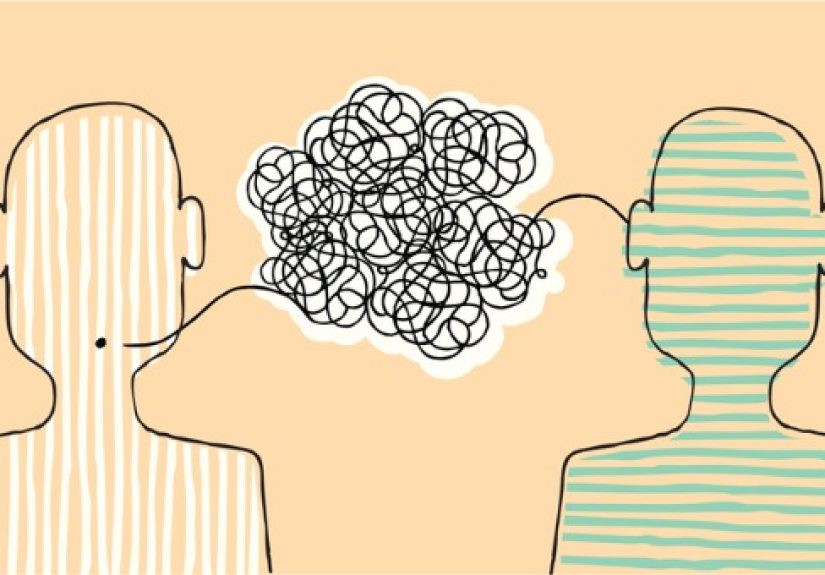
It’s not that introverts never want to talk. They just don’t want to talk about the weather for 25 minutes straight while both of you silently wish you were somewhere else. Endless small talk feels like being stuck on the loading screen when all you want is to get into the game.
Introverts crave meaningful conversations about ideas, values, experiences, goals, fears, or even oddly specific things like “why airport carpets all look the same.” When interactions stay stuck at “So, what do you do?” for too long, their energy tanks start flashing red.
2. Being Interrupted Mid-Thought
Introverts often think before they speak. They pause, choose their words, and then boom someone jumps in and talks over them. Once that happens, many introverts simply shut down instead of fighting for airtime.
The result? They stop sharing ideas in meetings, retreat in group discussions, and leave social situations feeling unheard and irritated. It’s not that they had nothing to say; they just didn’t get the runway to say it.
3. Surprise Phone Calls (Especially “Just to Chat”)
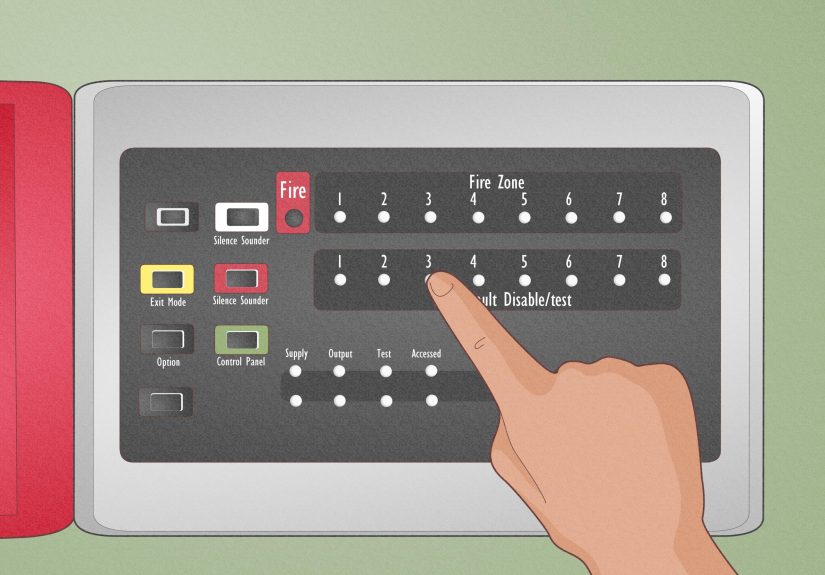
For lots of introverts, an unexpected phone call is the social equivalent of a fire alarm. They’re deep in their own thoughts, reading, working, or quietly existing and suddenly the phone explodes with noise, demanding immediate attention.
Many introverts would rather text first, schedule a call, or have a clear purpose for talking. A random “Hey, got a second?” that ends up being 45 minutes of wandering conversation? That’s a struggle.
4. Last-Minute Plans With Built-In Guilt
“We’re all going out in an hour you’re coming, right?” is a sentence that instantly activates an introvert’s stress center.
Introverts hate being put on the spot and made to feel rude or “boring” if they say no. They often need time to mentally prepare for social events, pace their energy, and schedule recovery time. Spontaneous group gatherings with an expectation of “yes” can feel less like an invite and more like a pressure test.
5. Crowded, Noisy Environments
Loud bars, packed clubs, and busy open-plan offices can feel like sensory overload. The music, the chatter, the clinking glasses, the bright lights all of it collides into a single wall of stimulation.
For introverts, this isn’t just “mildly annoying.” It’s genuinely exhausting. They may find themselves scanning for the nearest exit, balcony, patio, or bathroom where they can breathe for five minutes without shouting, “What? I can’t hear you!” every 10 seconds.
6. Being Treated Like They Need to Be “Fixed”
One of the most painful introvert struggles is being told, directly or indirectly, that they’re “too quiet,” “too serious,” or “not social enough.”
Well-meaning extroverts may try to “help” by offering unsolicited advice: “You should speak up more,” “You need to get out there,” or the classic, “Just be more outgoing!” Introverts aren’t broken extroverts their preferences are normal, valid, and often come with strengths like deep focus, creativity, and emotional insight.
7. Group Brainstorms With Zero Structure
Put an introvert in a free-for-all brainstorming session, and you can actually feel their soul leaving their body.
Unstructured group talks favor people who think out loud and talk fast. Introverts may have fantastic ideas, but they often need a bit of time to process and prefer to contribute in writing, after the meeting, or in smaller settings. When all the decisions get made in loud rooms with fast talkers, introverts feel sidelined and sometimes professionally undervalued.
8. Being Forced to Share Personal Details on the Spot
“Let’s go around and tell everyone our most embarrassing moment!” is not an icebreaker. It’s an introvert nightmare.
Some people love spontaneously opening up in groups. Many introverts, however, prefer to share personal stories with people they trust, in safe, low-pressure conversations. Being pushed to “open up” for the sake of team building can feel invasive rather than bonding.
9. Having Their Alone Time Taken Personally
Introverts deeply value alone time, but that doesn’t mean they dislike other people. When they say “I just need a quiet night,” they’re not rejecting you they’re protecting their mental health.
What they hate is when loved ones interpret their need for solitude as a lack of love, commitment, or interest: “Why don’t you ever want to go out?” “Are you mad at me?” “Did I do something wrong?” Instead of getting space to recharge, they end up managing other people’s feelings about their boundaries.
10. Constant Notifications and “Always On” Communication
Modern life doesn’t just knock it pings, buzzes, and vibrates 24/7. For introverts, that constant digital noise can feel like a social crowd living in their pocket.
Group chats, endless DMs, Slack messages, and “Did you see my story?” check-ins can be incredibly draining. It’s not that introverts hate people; they just hate the feeling of being constantly reachable, constantly expected to respond, and constantly “on.”
11. Being Misunderstood as Rude, Cold, or Arrogant
Here’s a classic introvert struggle: you’re quiet in a new group because you’re observing, listening, and deciding when to jump in. Someone decides you’re snobby or uninterested.
Many introverts are incredibly kind, loyal, and emotionally tuned-in. They just don’t lead with big, loud energy. When people assume the worst based on surface behavior, it can be discouraging and make introverts even less likely to open up next time.
12. Open-Plan Offices With Zero Privacy
Whoever designed the open-plan office was probably not an introvert.
For introverted employees, being surrounded by constant chatter, impromptu drop-ins, and the feeling that someone is always behind you can make focused work almost impossible. Many introverts would love the option to close a door, use focus rooms, or work remotely a few days a week. What they hate is having their need for quiet labeled as “not being a team player.”
13. Social Exhaustion Being Ignored or Mocked
When introverts say, “I’m tired,” after a party, they usually mean it literally. Social fatigue is real. After several hours of interaction, their brain needs down time the way muscles need rest after a workout.
They hate hearing, “You’ve barely done anything,” “Don’t be so dramatic,” or “Come on, one more bar!” Respecting an introvert’s energy limits is one of the biggest ways to show care and understanding.
14. People Assuming They Don’t Like Fun
Introverts like fun just not always the same kind as everyone else. They might love board games with close friends, long walks, deep one-on-one talks, movie nights, creative hobbies, or niche internet rabbit holes.
What they hate is being automatically categorized as boring or antisocial because their idea of fun doesn’t involve shouting over a DJ or making friends with 20 strangers in one evening.
15. Being Rushed to Respond or Decide
“Quick, what do you think?” might work for someone who processes information on the fly. For many introverts, that question causes their brain to momentarily blue-screen.
Introverts often prefer to reflect, gather their thoughts, and respond thoughtfully. They hate being put on the spot in front of groups, pressured to give instant opinions, or judged as indecisive because they don’t answer immediately.
Why These Introvert Struggles Happen
Many of the things introverts hate come back to one core issue: overstimulation. Introverts tend to have a lower tolerance for external noise, social demands, and sudden interruptions. Their brains often “light up” more from deep thinking and internal reflection than from fast, high-energy socializing.
That’s why:
- Long, loud events wear them out faster than quieter people expect.
- They prefer a smaller circle of close friends instead of a huge social network.
- They need solitude the way some people need coffee.
Once you understand that this is about energy and wiring not about liking or disliking people introvert struggles make a lot more sense. You stop taking their boundaries personally and start seeing them as a form of emotional self-care.
How to Make Life Easier for the Introverts in Your World
If you live with, love, or work with an introvert, here are a few simple, kindness-powered ways to support them:
- Ask before calling. A quick text “Can I call you about X?” goes a long way.
- Give them time to think. Send agendas before meetings and give space for written follow-ups.
- Respect their “no.” If they decline plans, don’t guilt-trip them.
- Offer low-key hangouts. Game nights, coffee dates, or movie marathons are introvert gold.
- Don’t label them as antisocial. Swap “You’re so quiet” for “I appreciate how thoughtfully you speak.”
These small changes don’t just reduce the things introverts hate they help them show up as their best, most grounded, and surprisingly funny selves.
Extra: Real-Life Experiences of Introvert Struggles
To really understand what’s going on behind the calm face of an introvert, it helps to step into their lived experience. Here are some everyday scenarios that bring this list of introvert struggles to life.
The “Open-Office Olympics”
Imagine walking into work, putting down your bag, and immediately being hit with: someone loudly retelling last night’s game, three side conversations, a buzzing espresso machine, and a coworker leaning over your desk to ask, “Got a minute?” when you’ve been there for exactly 12 seconds.
For an introvert, this is not just mildly annoying it’s the first energy withdrawal of the day. They might spend the morning desperately trying to focus while their brain keeps tracking every voice and movement around them. By lunch, they’re not “moody”; they’re overstimulated.
The “Party With No Escape Route”
An introvert says yes to a friend’s birthday party. They’ve prepared mentally, they’ve scheduled a recovery day, and they’ve promised themselves they only need to stay for two hours.
But once they arrive, they discover it’s way louder than expected, there are way more people than they were told, and their friend introduces them to person after person with, “You’ll love talking to them! They’re so outgoing!”
After an hour of shouting over music, making surface-level conversation, and getting asked, “Why are you so quiet?”, their energy is gone. They sneak into the hallway to breathe, check the time, and wonder how soon they can leave without upsetting anyone. This isn’t about hating people; it’s about having nothing left in the tank.
The “Group Chat Spiral”
Many introverts are part of at least one group chat that terrifies them just a little bit. The conversation never ends. It jumps from memes to plans to hot takes to “Did you see what so-and-so posted?”
Every time they open their phone, there are 87 unread messages. Catching up feels like homework. Responding feels like work. But ignoring it triggers guilt “Am I being a bad friend?” So they sit there scrolling, half-engaged, half-exhausted, and fully wishing they could just tap out without disappointing anyone.
The “You’re So Quiet” Commentary
This one might be the most universal introvert struggle: sitting in a meeting or at a family dinner, listening, thinking, observing and someone says, usually with a laugh, “You’re so quiet!”
From the outside, it seems harmless. From the inside, it feels like being called out for simply existing the way you naturally are. The introvert wasn’t upset. They weren’t judging anyone. They were just processing. Now they feel put on the spot and pressured to perform.
The Guilt Hangover After Saying No
When an introvert declines an invitation, it’s rarely casual. They’ve usually weighed their energy level, the type of event, how many people will be there, how long it will last, and how fried they already are from the week.
They might say “no” because they know that saying “yes” would mean showing up exhausted and resentful. But that doesn’t mean they don’t care. A lot of introverts carry an invisible guilt hangover from constantly negotiating their limits against other people’s expectations.
The Joy of Being Fully Understood
On the flip side, there are moments when an introvert feels deeply seen like when a friend says, “We don’t have to talk, we can just hang out,” or a partner suggests a quiet date instead of a jam-packed night out.
When coworkers send agendas ahead of time and respect their written feedback, or friends invite them with, “No pressure if you’re not up for it,” introverts feel safe to show up as they are. Those are the relationships where they speak more, laugh more, and share their inner world without needing a three-day recovery period.
So yes, there are many things introverts hate: endless small talk, surprise calls, crowded rooms, and the assumption that quiet equals “less than.” But there are also things they absolutely love calm spaces, thoughtful conversations, and people who respect that recharging alone is not selfish, it’s necessary.
If you’re an introvert, consider this your reminder: your struggles make sense. Your boundaries are valid. And your need for quiet is not something to apologize for it’s part of what allows you to notice, feel, and think as deeply as you do.
Conclusion
Introverts don’t hate people. They hate being pushed into situations that ignore how their mind and energy work. From small talk marathons to last-minute plans, from open offices to endless notifications, the things introverts hate are usually signs that modern life is running at a volume they weren’t built for.
When we understand these introvert struggles, we can redesign how we socialize, work, and relate to each other. A world that makes space for quiet people isn’t less fun it’s more balanced, more thoughtful, and a lot more humane.