Table of Contents >> Show >> Hide
- Why a Rustic Peach Tart Works So Well
- What Makes the Best Rustic Peach Tart
- Ingredients for a Classic Rustic Peach Tart
- How to Make Rustic Peach Tart at Home
- Flavor Variations Worth Trying
- Common Mistakes That Can Ruin the Tart
- How to Serve Rustic Peach Tart
- How to Store It
- Why Rustic Peach Tart Is a Dessert You’ll Keep Coming Back To
- Experiences With Rustic Peach Tart: What Real Baking Moments Feel Like
- Conclusion
There are desserts that enter a room politely, and then there is the rustic peach tart. It does not knock. It kicks open the screen door in sandals, smells like butter and sunshine, and casually reminds everyone that peak peach season is one of life’s better ideas. If a classic bakery tart is the dessert equivalent of a tailored blazer, a rustic peach tart is your favorite linen shirt: relaxed, a little wrinkled, and somehow more charming because of it.
This tartoften called a galette or crostata in various kitchensis beloved for one glorious reason: it looks impressive without demanding the emotional commitment of a perfectly crimped pie. No tart pan. No pastry anxiety spiral. No whispered argument with a rolling pin. Just a flaky, golden crust folded around juicy peaches, baked until the fruit bubbles and the edges turn beautifully bronzed.
For home bakers, that combination is pure magic. You get the elegance of a fruit tart, the comfort of pie, and the forgiving nature of a dessert that actually wants to look homemade. And with peaches, that matters. Peaches are sweet, fragrant, and a little dramatic. They deserve a dessert that lets them be the main character without burying them under too much sugar, too many spices, or a mountain of unnecessary fuss.
Why a Rustic Peach Tart Works So Well
A great rustic peach tart succeeds because it balances three things at once: texture, flavor, and ease. The crust should be flaky and crisp. The filling should be juicy but not soupy. And the whole dessert should taste like summer put on a cute outfit.
Peaches bring natural sweetness, floral aroma, and soft acidity. When they bake, they become lush and tender, almost jammy at the edges while still holding enough shape to look gorgeous in the center. A little lemon juice brightens them. A modest amount of sugar coaxes out flavor. A touch of cornstarch, flour, or another starch keeps the filling from turning into a fruit slip-and-slide. Suddenly, you’ve got dessert with structure, flavor, and just enough swagger.
The rustic shape also works in your favor. Folding the dough over the fruit creates pleats and ridges that bake up crunchy and golden, while the exposed peaches roast gently in the oven. That means every slice gives you both juicy fruit and crisp pastry, which is exactly the kind of balance that makes people close their eyes dramatically after the first bite.
What Makes the Best Rustic Peach Tart
1. Start with peaches that are ripe, but still firm
This is the sweet spot. Overripe peaches taste lovely, but they release too much liquid and can turn your tart into a soggy life lesson. Firm-ripe peaches, on the other hand, hold their shape better in the oven while still delivering plenty of peach flavor. Think “gently soft with confidence,” not “one hour away from becoming smoothie ingredients.”
2. Keep the dough cold
Cold dough is the difference between flaky pastry and sadness. Whether you use an all-butter crust or a simple pie dough, chilling it before rolling and again after assembly helps the butter stay distinct in the dough. In the oven, those little bits of butter create steam pockets, which create layers, which create the kind of crust that makes people ask whether you secretly went to pastry school. You do not need to answer that question directly.
3. Don’t overcomplicate the filling
Peaches do not need a committee. A little sugar, a pinch of salt, a squeeze of lemon, and a small amount of thickener are often enough. Some bakers like cinnamon, ginger, nutmeg, or vanilla, and those can be lovely, but the best rustic peach tart still tastes unmistakably like peaches. Not peaches hiding under a spice blanket. Peaches with a microphone.
4. Build in protection against a soggy bottom
Yes, we are discussing pastry, but also one of life’s great betrayals. To protect the crust, many bakers scatter a thin layer of flour, almond flour, cookie crumbs, or even a light smear of jam beneath the fruit. This helps absorb excess juices and adds flavor. It is a small step with heroic consequences.
Ingredients for a Classic Rustic Peach Tart
A classic version does not need a long ingredient list. That is part of its charm. You’re usually working with a pastry dough made from flour, cold butter, salt, a little sugar, and ice water. The filling often includes sliced peaches, granulated or brown sugar, lemon juice, a starch such as cornstarch, and optional flavor boosters like vanilla, cinnamon, or almond extract. An egg wash brushed over the crust gives the tart that glossy, golden finish that screams, “I absolutely meant to look this good.”
If you want the tart to lean extra rustic in the best way, leave the peach skins on. They soften beautifully during baking and add color to the filling. If you prefer a more delicate texture, peel them first. Neither choice is wrong. This is dessert, not a hostage negotiation.
How to Make Rustic Peach Tart at Home
Prepare the dough
Start by mixing flour, sugar, and salt, then cut in cold butter until the mixture resembles coarse crumbs with some larger pieces. Add ice water gradually, just until the dough comes together. Flatten it into a disk and chill it. That resting time matters because it relaxes the gluten and firms the butter, making the dough easier to roll and better to bake.
Make the peach filling
Slice the peaches into even wedges so they cook at the same pace. Toss them gently with sugar, lemon juice, a pinch of salt, and your thickener of choice. If the peaches are especially juicy, let them sit for a few minutes and then stir again so everything gets evenly coated. The goal is glossy fruit, not a watery bowl of peach feelings.
Roll and assemble
Roll the chilled dough into a rough circle on a lightly floured surface or directly on parchment paper. Perfection is not invited to this party. Transfer the dough to a baking sheet if needed, then add your protective base layersuch as almond flour or a light dusting of flourleaving a border around the edges. Arrange the peaches in the center, overlapping them slightly or piling them more casually depending on the look you want.
Fold the edges of the dough over the fruit, pleating as you go. Brush the crust with egg wash and sprinkle with coarse sugar if you like extra crunch and sparkle. At this point, a quick chill in the refrigerator can help the tart hold its shape and improve the final texture.
Bake until the crust is deeply golden
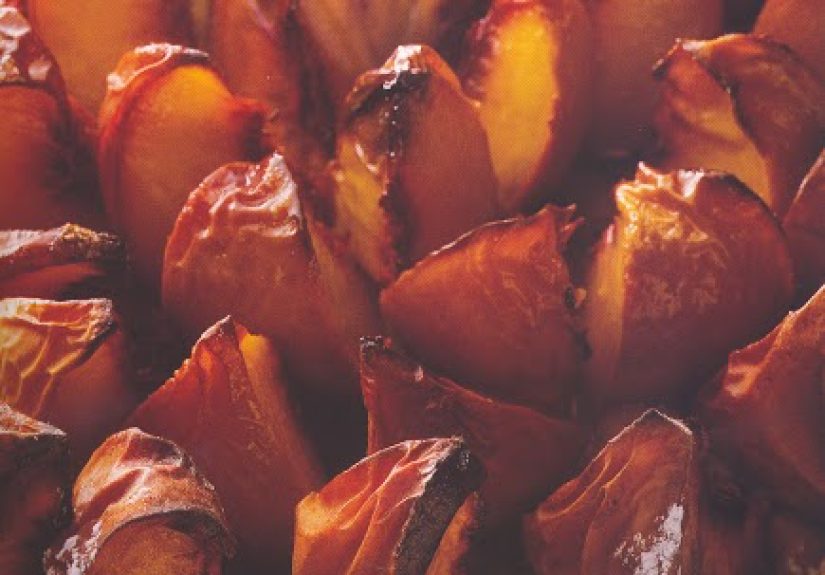
Bake the tart in a hot oven until the fruit is bubbling and the crust is richly golden brown. This is not the moment for pale pastry. A rustic peach tart should look sun-kissed, not nervous. Let it cool slightly before slicing so the juices can settle. Warm slices are wonderful, but completely molten slices can collapse faster than a group chat after someone says, “Can we all share our honest feedback?”
Flavor Variations Worth Trying
One of the best things about a rustic peach tart is how easily it adapts. Add blueberries for a deeper berry-peach flavor and a gorgeous color contrast. Use raspberries if you want tartness. Fold in a little almond flour or frangipane if you want a richer, more bakery-style tart. Add honey and thyme for a subtle savory edge, or a hint of rosemary for a more grown-up flavor. Even a touch of ginger can make the peaches taste brighter and warmer at the same time.
If you want to lean Southern, a spoonful of brown sugar and a pinch of cinnamon can create a comforting, cobbler-like vibe. If you want something more refined, try lemon zest and vanilla bean. If you want to impress exactly one dinner guest who uses the phrase “textural contrast,” serve it with lightly whipped cream and toasted almonds.
Common Mistakes That Can Ruin the Tart
The biggest mistake is using peaches that are too soft. They may taste amazing out of hand, but in the oven they can release a flood of juice. Another common issue is underbaking. The crust needs enough time to cook all the way through, especially underneath the fruit. Pull it too early and you’ll lose the crispness that makes this dessert so satisfying.
Using too much filling is another trap. It feels generous in theory, but overloaded fruit can weigh down the crust and make folding difficult. Also, resist the urge to drown the peaches in sugar. Peaches already bring natural sweetness, and too much added sugar can overwhelm their flavor while creating extra liquid. Let the fruit be fruity. It worked hard for that.
How to Serve Rustic Peach Tart
Serve the tart slightly warm or at room temperature. Vanilla ice cream is a classic because the cold creaminess plays beautifully against the warm fruit and crisp crust. Fresh whipped cream is equally excellent. Crème fraîche adds a sophisticated tang if you want to make the tart feel a little fancy without changing out of sweatpants.
For brunch, you can even serve smaller slices with coffee and pretend you are the sort of person who casually bakes stone-fruit pastries on weekends. For dessert, pair it with iced tea, sparkling wine, or a small scoop of peach ice cream if you believe that more peach is always the correct amount of peach.
How to Store It
A rustic peach tart is best the day it is baked, when the crust is at peak crispness and the fruit tastes brightest. That said, leftovers can be stored in the refrigerator and gently rewarmed in the oven to revive the pastry. Avoid the microwave if possible unless your goal is “soft and edible” rather than “crisp and glorious.” These are not the same category.
If you want to prep ahead, make the dough in advance and chill or freeze it. You can also slice the peaches shortly before assembling the tart. Just be aware that once peaches sit with sugar, they begin releasing juice, so timing matters. This is a dessert that rewards a little planning without demanding military precision.
Why Rustic Peach Tart Is a Dessert You’ll Keep Coming Back To
The beauty of a rustic peach tart is that it feels both casual and special. It is easy enough for a weekday baking project and lovely enough for company. It showcases fresh peaches without smothering them, and it delivers pastry satisfaction without requiring perfection. In a world full of overly complicated desserts, that kind of confidence is refreshing.
It is also deeply seasonal. One bite tastes like late summer, farmers markets, warm kitchens, and the part of the year when fruit finally starts showing off. When peaches are in season, this tart is one of the smartest, simplest, and most rewarding ways to use them. It gives you crunch, tenderness, fragrance, sweetness, and a little bakery drama, all in one slice.
So whether you call it a rustic peach tart, peach galette, or the dessert that made your kitchen smell like a dream, it deserves a permanent place in your warm-weather baking rotation. It is forgiving, beautiful, and incredibly delicious. Frankly, it’s the kind of dessert that understands the assignment.
Experiences With Rustic Peach Tart: What Real Baking Moments Feel Like
The first time many home bakers make a rustic peach tart, there is usually a tiny moment of doubt right before it goes into the oven. The dough looks uneven. The folds are not symmetrical. One peach slice has clearly chosen chaos. And yet that is exactly the moment when this dessert starts teaching one of its best lessons: beauty does not always come from precision. Sometimes it comes from trust, butter, and not panicking when your tart looks like it has a little personality.
One of the most common experiences with rustic peach tart is surprisepleasant, buttery surprise. People expect something so pretty to be difficult, but the process is usually much more relaxed than making a traditional pie. There is no pressure to line a pan perfectly or create an elaborate lattice top. That makes the tart especially appealing for beginner bakers, busy parents, or anyone who wants a homemade dessert without turning the kitchen into a flour-based crime scene.
Another memorable part of the experience is the aroma. While the tart bakes, the kitchen fills with the smell of peaches, warm sugar, and rich pastry. It is one of those scents that makes people wander in and ask, “What are you making?” in a tone usually reserved for lottery winners and people who own organized spice drawers. A rustic peach tart has that effect. It announces itself in the nicest possible way.
There is also the visual satisfaction. Before baking, the tart looks charming and a little rough around the edges. After baking, it transforms. The crust turns golden, the fruit glistens, and the whole thing suddenly looks intentional in a “yes, of course I made this for the occasion” kind of way. Even if the occasion is simply Tuesday.
For many people, rustic peach tart becomes connected to summer memories. Maybe it is made after a farmers market trip, when the peaches looked too good to leave behind. Maybe it is baked for a backyard dinner, served on a wooden board with melting vanilla ice cream. Maybe it is the dessert that disappears first at a family gathering because everyone swears they are “just taking a small piece,” then somehow returns for another. The tart tends to collect these moments. It is not just dessert; it becomes part of the atmosphere.
There is also a quiet confidence that comes from making it more than once. The first tart teaches you the basics. The second helps you understand your oven. By the third, you start adjusting sugar based on the sweetness of the fruit, adding almond flour under the peaches, or experimenting with herbs and berries. That is when rustic peach tart shifts from “a recipe you tried” to “a dessert you know.” And that is a very satisfying transition for any home cook.
Perhaps the best experience of all is serving it. Rustic peach tart feels generous. It looks inviting, slices beautifully when cooled slightly, and tastes both homemade and elegant. Guests love it because it feels unfussy and warm. Bakers love it because it delivers impressive results without perfectionism. In that sense, rustic peach tart is more than a peach dessert. It is proof that simple things, made well, can steal the show.
Conclusion
Rustic peach tart is the kind of dessert that wins people over quietly and then refuses to leave the favorites list. It celebrates fresh peaches, rewards simple technique, and turns a humble fold of pastry into something that looks gorgeous on the table. Whether you keep it classic or add your own twist, this tart offers the best kind of baking experience: approachable, flavorful, and just a little bit magical.