Table of Contents >> Show >> Hide
- Before You Do Anything: Rule Out a Real Emergency
- Way #1: Use the Hush or Silence Button Instead of Trying to Disable the Alarm
- Way #2: Clear the Air Fast if Cooking Smoke, Steam, or Dust Triggered the Alarm
- Way #3: Fix the Chirping the Right Way: Battery, Reset, and Cleaning
- Way #4: Replace the Alarm or Call a Qualified Professional
- How to Prevent Nuisance Fire Alarms in the Future
- Fire Alarm vs. Smoke Alarm: What People Usually Mean
- Real-Life Experiences: What This Looks Like in Everyday Life
- Conclusion
- SEO Tags
Let’s be honest: few sounds inspire panic quite like a fire alarm going off when you’re just trying to make grilled cheese, take a shower, or exist peacefully at 2:13 a.m. because one stubborn detector has decided to chirp like a caffeinated cricket. Plenty of people search for ways to “disable” a fire alarm, but that’s the wrong move. A working alarm is one of the simplest tools that can save your life. The smarter goal is to stop the noise safely, fix the real cause, and keep your home protected.
In this guide, we’ll walk through four safe ways to deal with a blaring or chirping fire alarm, explain when a quick fix is enough, and show when it’s time to replace the alarm or call in help. If your detector seems dramatic, don’t worry. Sometimes it’s reacting to smoke, steam, dust, age, wiring issues, or a dying battery. Sometimes it’s just reminding you that homeownership is a full-contact sport. Either way, there are safe ways to handle it.
Before You Do Anything: Rule Out a Real Emergency
If a smoke alarm is sounding continuously, do not assume it’s a false alarm. First, check for signs of actual smoke, fire, or carbon monoxide danger if you have a combination unit. If there is visible smoke, a burning smell you can’t explain, or anyone feels dizzy, confused, or sick, get everyone outside immediately and call emergency services. A fire alarm is not a suggestion box. It is designed to interrupt your day for a reason.
Once you have confirmed there is no active fire and no emergency, then you can move on to silencing the alarm safely and troubleshooting the cause.
Way #1: Use the Hush or Silence Button Instead of Trying to Disable the Alarm
The safest first step is also the easiest: press the hush, silence, or test/silence button on the alarm itself. Many modern smoke alarms are built with a temporary hush feature that reduces sensitivity for a short time while you clear the air. That means you can stop the screaming without removing power, pulling batteries, or leaving your home unprotected.
When This Works Best
- Burnt toast or smoky cooking
- Steam from a shower
- A brief nuisance alarm with no danger present
- Low-battery chirp silence on some models
Why This Matters
A hush button is designed specifically for nuisance alarms. That makes it much safer than taking the alarm down, removing batteries, or flipping a breaker and then forgetting to restore protection later. In other words, the hush button is the grown-up version of “everybody calm down.”
Pro Tip
If your alarm goes off near the kitchen often, don’t treat that as a reason to disable it. Treat it as a clue that the alarm may be too close to cooking appliances, the room needs better ventilation, or a different type of alarm may be better for that location.
Way #2: Clear the Air Fast if Cooking Smoke, Steam, or Dust Triggered the Alarm
Sometimes the detector is doing exactly what it was built to doit just happens to be reacting to your skillet, your oven, your shower, or that heroic cloud of dust you created while “finally cleaning the vents.” In these cases, the safest fix is to remove the nuisance source rather than tamper with the alarm.
What to Do
- Open nearby windows and doors.
- Turn on your range hood or exhaust fan.
- Fan fresh air toward the alarm area.
- Move smoky food off the burner or out of the oven.
- Let steam dissipate before closing up the room again.
Common Triggers
- Burnt food, frying oil, or high-heat cooking
- Steam from bathrooms or kitchens
- Dust from renovations, sweeping, or HVAC buildup
- Aerosols or particles in the air
If this happens regularly, the long-term fix may be repositioning the alarm based on code and manufacturer instructions, improving ventilation, or upgrading to a model with a hush feature or a photoelectric sensor for certain locations. Frequent nuisance alarms are annoying, but they’re also a sign that your current setup may not be ideal.
What Not to Do
Do not bag the alarm, tape over it, pull out the battery, or leave it hanging from the ceiling like a defeated disco ornament. That might stop the noise, but it also removes early warning if a real fire starts later. And real fires have terrible timing.
Way #3: Fix the Chirping the Right Way: Battery, Reset, and Cleaning
A full alarm and a periodic chirp are not the same thing. A full alarm usually means the unit detects smoke or a fault condition. A chirp every 30 to 60 seconds often signals a low battery, an installation problem, or a unit that needs attention. This is the moment when many people get tempted to “just disable it.” Instead, fix the reason it’s chirping.
Start With the Battery
If your model uses replaceable batteries, install a fresh battery of the type recommended by the manufacturer. Make sure it is facing the correct direction and that the battery drawer is fully closed. A battery installed slightly wrong can make an otherwise reasonable smoke alarm behave like it has opinions.
Then Reset the Alarm
Some alarms need to be reset after a battery change. On many units, that means pressing and holding the test button for several seconds. On hardwired units, the process may also involve restoring power after the reset. Always follow the model’s instructions, because smoke alarms are surprisingly picky about being handled on their own terms.
Clean the Unit
Dust and grime can make alarms extra sensitive or cause repeated chirping. Gently vacuum the outside vents with a soft brush attachment or wipe the exterior with a soft, dry cloth if the manufacturer allows it. Skip water, sprays, solvents, or household cleaners unless the manual says they are safe. Electronics and mystery cleaning cocktails are not friends.
Check the Date
If the alarm is around 10 years old, replacing the battery may not solve the problem. Smoke alarms have a service life, and old sensors become less reliable over time. If it keeps chirping after a new battery, reset, and cleaning, it may be telling you it’s retirement season.
Way #4: Replace the Alarm or Call a Qualified Professional
Sometimes the problem isn’t smoke, steam, or a battery. Sometimes the alarm is old, defective, poorly located, or part of a hardwired system with electrical issues. That’s when the safest move is replacement or professional helpnot DIY defeat.
Replace the Alarm If:
- It is 10 years old or older
- It fails to respond properly during testing
- It keeps chirping after a fresh battery and reset
- It alarms repeatedly without an obvious cause
- It is damaged, dirty beyond cleaning, or unreliable
Call a Professional If:
- Your unit is hardwired and keeps acting up
- You suspect loose wiring or power interruption issues
- Multiple interconnected alarms are sounding unpredictably
- You are not comfortable working around electrical components
For hardwired smoke alarms, installation and deeper electrical troubleshooting should be done by a qualified electrician. If you rent, contact your landlord or property manager rather than trying to solve a building system problem with improvised heroics.
How to Prevent Nuisance Fire Alarms in the Future
Choose Better Alarm Placement
Smoke alarms should be installed where they can detect danger early without constantly reacting to everyday life. In general, alarms should be kept away from cooking appliances, bathrooms, windows, vents, and drafty spots that can interfere with operation or cause nuisance alarms.
Use the Right Alarm Type
Some homes benefit from interconnected alarms, photoelectric alarms, dual-sensor alarms, or models with sealed 10-year batteries and hush features. The “best” smoke alarm is the one that matches your home, is properly installed, and is maintained consistentlynot the one you plan to argue with at midnight.
Test Monthly
Press the test button once a month. This tiny habit can save you from learning about a dead detector the hard way.
Replace on Schedule
If your model uses replaceable batteries, change them as directed. If it uses a sealed 10-year battery, replace the whole alarm when the unit reaches the manufacturer’s end-of-life date. Old alarms are not vintage. They are just old.
Keep It Clean
Dust buildup can cause nuisance alarms or interfere with performance. A light cleaning schedule is much better than a 3 a.m. argument with a chirp you can’t locate.
Fire Alarm vs. Smoke Alarm: What People Usually Mean
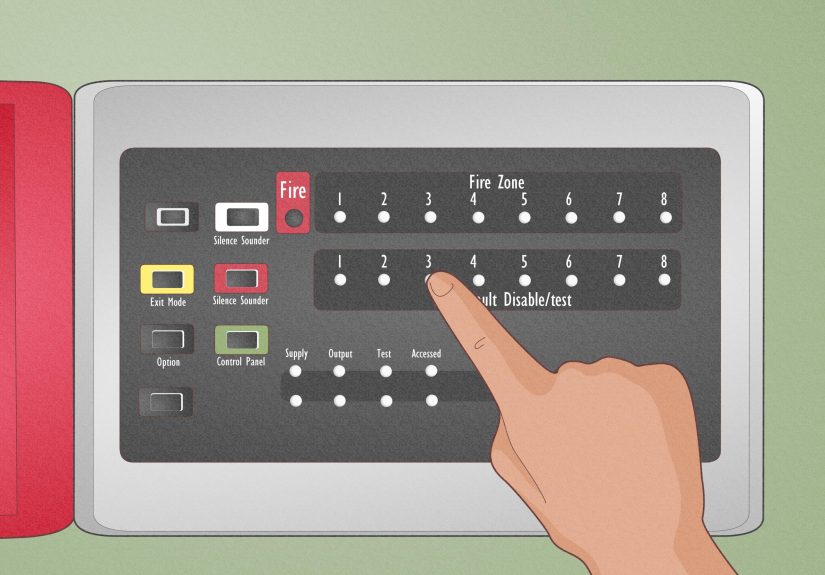
Many people search for “fire alarm” when they really mean a residential smoke alarm or a smoke and carbon monoxide alarm. In a home, these devices are part of your early-warning system. In apartments, offices, dorms, schools, and public buildings, a true fire alarm system can include pull stations, horns, strobes, monitored panels, and sprinkler integration.
That difference matters because a home detector that chirps from a low battery is a maintenance issue. A building fire alarm system that sounds unexpectedly may involve shared wiring, a monitored system, life-safety rules, and management policies. In a commercial or multi-unit setting, report the issue instead of trying to handle it yourself.
Real-Life Experiences: What This Looks Like in Everyday Life
The most common “I need this alarm to stop right now” story starts in the kitchen. Someone is searing salmon, baking pizza directly on the rack, or discovering that “broil” is not the same as “warm.” The alarm sounds, everyone flaps a dish towel dramatically, somebody opens the freezer for emotional support, and one person inevitably says, “Can’t we just take the battery out?” That is exactly the moment when a hush button, open window, and exhaust fan become your best friends.
Another classic scenario happens after bedtime. The house is quiet, the lights are out, and then one detector starts chirping every minute. Suddenly, every adult in the home is standing in a hallway squinting at the ceiling in pajamas, trying to determine which alarm is guilty. The temptation is to yank the battery and deal with it tomorrow. The better move is to identify the unit, replace the battery properly, check the manufacture date, and reset it. Yes, it is annoying. No, the chirp does not care that it’s 2 a.m.
Families with kids often learn quickly that alarms and burnt toast have a complicated relationship. One parent is making breakfast, the toaster gets ambitious, and now the house sounds like a game show nobody wanted to join. In that moment, children can get anxious, pets can freak out, and the whole thing feels bigger than it is. Having a calm routine helps: check for danger, press hush if appropriate, ventilate, clear the source, and explain what happened. You are not just stopping noise; you are teaching smart fire safety behavior in real time.
Renters run into a different version of this problem. A hardwired alarm chirps, resets, chirps again, and then the unit in the hallway joins the chaos because they are interconnected. In a rental, this is when documenting the issue and contacting the landlord matters. A hardwired system may have a backup battery problem, a wiring fault, or an aging device. Tenants should not be improvising electrical repairs while standing on a chair holding a screwdriver and bad intentions.
Then there is the renovation story. You decide to sand a wall, clean out a closet, or tackle that dusty ceiling fan that has been collecting secrets since 2018. Dust gets airborne, the alarm reacts, and suddenly your DIY ambition has a soundtrack. This is a reminder that smoke alarms are sensitive by design. Covering or disabling them during messy projects is not a safe shortcut. A better plan is to follow manufacturer guidance, control dust, ventilate the space, and restore normal conditions promptly.
The bigger lesson in all of these situations is simple: people rarely want to disable a fire alarm because they love danger. They want the noise to stop. The safest solution is not to defeat the device but to understand what it is trying to tell you. A hush button handles brief nuisance alarms. Ventilation handles smoke and steam. A battery change, reset, or cleaning handles many chirps. Replacement handles old age. A qualified professional handles wiring or system issues. That is how you get peace and safety at the same timewhich is a lot more satisfying than winning an argument against a plastic circle on the ceiling.
Conclusion
If you came here looking for ways to disable a fire alarm, here’s the honest answer: don’t. A smoke alarm is one of the few household devices whose entire job is to annoy you early enough to save your life. The safe approach is to stop the noise without removing protection. Use the hush button for nuisance alarms, clear smoke or steam quickly, fix chirps with a fresh battery and reset, and replace outdated units when they’ve reached the end of their service life.
That strategy keeps your home quieter, safer, and far less likely to produce a midnight ladder-and-battery crisis. And really, that is the kind of household peace we should all be chasing.