Table of Contents >> Show >> Hide
- Icing vs. Frosting: Are They the Same Thing?
- The Basic Ingredients Behind Great Cake Icing
- How to Make Classic Buttercream Frosting
- How to Make a Simple Sugar Glaze
- More Cake Icings Worth Knowing
- How to Choose the Right Icing for Your Cake
- Common Icing Problems and How to Fix Them
- Pro Tips for Better Homemade Cake Icing
- Flavor Variations That Make Basic Icing Feel Fancy
- Real-Life Cake Icing Experiences: What Home Bakers Learn the Hard Way
- Final Thoughts
If cake is the party, icing is the outfit, the playlist, and the friend who shows up with extra confidence. A plain cake can be lovely, sure, but the right icing turns it into something people remember, photograph, and politely fight over. The good news? You do not need a pastry degree, a reality-show countdown clock, or the patience of a saint to make great cake icing at home.
Whether you want fluffy buttercream for birthday cakes, a simple sugar glaze for loaf cakes and Bundts, or a richer option like cream cheese frosting or chocolate ganache, the basic rules are surprisingly manageable. Start with the right ingredients, pay attention to texture, and make small adjustments instead of dramatic kitchen speeches. This guide breaks down the most useful icing types, shows you how to make them, explains when to use each one, and helps you fix common mistakes before your frosting ends up looking like sweet drywall.
Icing vs. Frosting: Are They the Same Thing?
People use the terms interchangeably, and in everyday baking that is usually fine. Still, there is a useful distinction. Frosting is generally thick, fluffy, and spreadable. Think buttercream piled high on cupcakes or smoothed over a layer cake. Icing is usually thinner, shinier, and more fluid. It can be drizzled, poured, or used for neat decorative lines. A powdered sugar glaze is icing. A classic American buttercream is frosting. Both are delicious, and neither cares what you call it as long as it lands on cake.
The Basic Ingredients Behind Great Cake Icing
Most homemade cake icing starts with a short list of familiar ingredients. The difference comes from the proportions, the mixing method, and the final texture.
Butter
Softened butter is the foundation of classic buttercream. It should be cool-soft, not melted. If it is too cold, your icing can look lumpy. If it is too warm, it may turn greasy and slide off the cake like it has somewhere better to be.
Powdered Sugar
This is the backbone of many frostings and glazes. It dissolves quickly and creates that smooth, sweet finish. If your sugar looks clumpy, sift it. That one tiny step can save you from chasing mysterious little lumps around the mixing bowl.
Milk, Cream, or Water
Liquid controls consistency. Use less for thicker piping frosting and more for looser spreading icing or glaze. Heavy cream creates a richer mouthfeel, while milk keeps things classic and simple. Water or citrus juice works especially well in glazes.
Vanilla and Salt
Vanilla gives basic icing warmth and bakery-style flavor. A pinch of salt balances sweetness, which is particularly helpful in buttercream. If you have ever tasted frosting that felt one-note and aggressively sugary, it probably needed salt.
Cream Cheese, Chocolate, or Meringue Powder
These ingredients build specialty icings. Cream cheese adds tang and softness. Melted chocolate turns frosting deeper and more luxurious. Meringue powder helps royal icing set firmly for decorating work.
How to Make Classic Buttercream Frosting
When most people ask how to make cake icing, this is what they mean. American buttercream is the easiest place to start. It is fast, dependable, and forgiving.
Basic Buttercream Formula
- 1 cup unsalted butter, softened
- 3 1/2 to 4 cups powdered sugar
- 2 to 4 tablespoons milk or cream
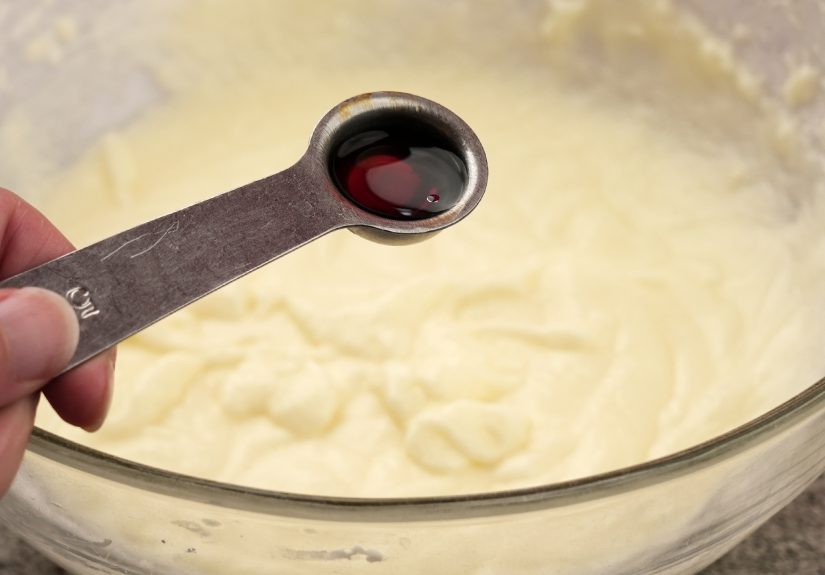
- 2 teaspoons vanilla extract
- Pinch of salt
Method
- Beat the softened butter until smooth and lighter in color.
- Add powdered sugar gradually, mixing on low at first so your kitchen does not become a winter wonderland.
- Add vanilla, salt, and 2 tablespoons of milk or cream.
- Beat until fluffy. Add more sugar if it is too loose, or a little more liquid if it is too stiff.
- Mix for another minute or two until silky and spreadable.
This frosting is ideal for birthday cakes, cupcakes, cookies, sandwich cakes, and casual celebration bakes. It pipes well, colors well, and accepts flavor variations without drama. Add cocoa powder for chocolate buttercream, citrus zest for brightness, espresso powder for depth, or a spoonful of jam for fruit flavor.
How to Tell If Buttercream Is Right
Good buttercream should hold soft peaks, spread without tearing cake crumbs everywhere, and taste creamy rather than gritty. If you drag a spatula through it, the ridge should stay in place without looking dry.
How to Make a Simple Sugar Glaze
If buttercream is the cozy sweater of cake toppings, sugar glaze is the crisp white shirt. It is clean, shiny, and great when you want a lighter finish. Use it on pound cake, lemon cake, coffee cake, Bundts, loaf cakes, donuts, or muffins.
Basic Sugar Glaze Formula
- 1 cup powdered sugar
- 1 to 2 tablespoons milk, water, or lemon juice
- 1/4 teaspoon vanilla extract, optional
Method
- Place powdered sugar in a bowl.
- Add 1 tablespoon liquid and whisk.
- Add more liquid a little at a time until smooth and pourable.
- Drizzle over cooled cake and let it set.
The keyword here is cooled. If the cake is warm, the glaze may melt straight into it and disappear like it never existed. If you want a thicker white drizzle, keep the glaze fairly stiff. If you want a thin transparent finish, add a bit more liquid.
Flavor Ideas for Glaze
- Lemon juice for citrus loaf cakes
- Maple extract for fall cakes
- Coffee for mocha or cinnamon cakes
- Orange juice for bundt cakes and tea cakes
- Cocoa powder for a quick chocolate glaze
More Cake Icings Worth Knowing
Cream Cheese Frosting
Cream cheese frosting is tangy, creamy, and less sweet-tasting than standard buttercream, even when the sugar level is similar. It is perfect for carrot cake, red velvet, banana cake, pumpkin cake, and spice cake.
To make it, beat softened cream cheese and butter together, then add powdered sugar, vanilla, and a pinch of salt. The texture should be smooth but slightly softer than buttercream. Chill it briefly if you need cleaner piping.
Royal Icing
Royal icing is less about coating an entire fluffy cake and more about precision. It dries firm, making it ideal for cookies, decorative accents, gingerbread work, and fine piping details. It is usually made with powdered sugar, meringue powder, warm water, and flavoring. Use it when you want sharp lines and a set finish, not a pillowy bite.
Chocolate Ganache
Ganache is a glossy mixture of chocolate and warm cream. Use more cream for a pourable glaze and less for a thick frosting-style finish. It works beautifully on chocolate cakes, layer cakes, drip cakes, and elegant desserts where you want less sweetness and more richness.
Whipped Frosting
Whipped frostings are light and airy, often made with whipped cream or cooked sugar mixtures. They are lovely on short-term desserts but less stable than buttercream. In other words, they are charming houseguests, not dependable roommates.
Swiss Meringue Buttercream
If you want something silkier and less sugary than American buttercream, Swiss meringue buttercream is the grown-up cousin with excellent manners. Egg whites and sugar are warmed together, whipped into a meringue, then beaten with butter until smooth. It takes longer, but the texture is incredibly elegant.
How to Choose the Right Icing for Your Cake
The best icing is not always the fanciest one. It is the one that matches your cake, your timeline, and your patience level.
- For birthday cakes: American buttercream
- For loaf cakes and Bundts: sugar glaze
- For carrot or red velvet cake: cream cheese frosting
- For polished layer cakes: Swiss meringue buttercream or ganache
- For cookies and fine details: royal icing
- For light desserts served quickly: whipped frosting
Common Icing Problems and How to Fix Them
Too Thick
Add liquid a teaspoon at a time. Go slowly. There is a big difference between “just right” and “why is this now soup?”
Too Thin
Add more powdered sugar, a little at a time. For buttercream, chilling the bowl for a few minutes can also help if the butter got too warm.
Grainy Texture
Your powdered sugar may be clumpy, or the frosting may need more mixing. Sift next time, and beat until smooth.
Greasy or Separated Buttercream
The butter may have been too warm, or the mixture may be at an odd temperature. Chill briefly, then re-whip. Sometimes frosting looks broken right before it becomes beautiful again. Frosting can be dramatic like that.
Too Sweet
Add a pinch more salt, use a splash of lemon juice, or switch to cream cheese frosting or Swiss meringue buttercream for a more balanced result.
Icing Slides Off the Cake
Make sure the cake is fully cool. Warm cake and soft icing are a chaotic combination.
Pro Tips for Better Homemade Cake Icing
- Use room-temperature ingredients for smoother mixing.
- Start with less liquid than you think you need.
- Scrape the bowl often so everything blends evenly.
- Test consistency before frosting the full cake.
- For cleaner decorating, chill the cake after a crumb coat.
- Use gel food coloring when possible so you do not thin the frosting too much.
- Store extra icing in an airtight container and re-whip before using.
Flavor Variations That Make Basic Icing Feel Fancy
Once you master the base recipes, flavoring becomes the fun part. Vanilla is classic, but it does not need to be the whole story.
- Chocolate buttercream: add cocoa powder or melted chocolate
- Lemon icing: use lemon juice and zest
- Coffee frosting: dissolve espresso powder into cream
- Maple glaze: add maple extract or a little maple syrup
- Almond icing: add almond extract sparingly
- Cinnamon frosting: mix in ground cinnamon
- Berry frosting: fold in a spoonful of reduced berry puree or jam
The secret is balance. Too much liquid flavoring can wreck the texture, so concentrated extracts, zests, and reduced syrups are your friends.
Real-Life Cake Icing Experiences: What Home Bakers Learn the Hard Way
The first time many people make cake icing, they expect the bowl to transform instantly into glossy bakery perfection. What actually happens is usually more educational. Maybe the butter is still too cold, so tiny pale lumps float through the frosting like stubborn little icebergs. Maybe the glaze is so thin it runs straight off the cake and puddles on the counter. Maybe someone gets confident with food coloring and accidentally creates icing the exact shade of cartoon neon. Welcome to baking. This is how legends are made.
One of the biggest lessons home bakers learn is that texture matters more than strict perfection. A buttercream recipe can be technically correct and still need adjusting because kitchens are different. Humidity changes powdered sugar. Butter softens faster in July than in January. A tablespoon of cream can turn stiff frosting into a dreamy spread, and one extra tablespoon can turn it into something that slides down a layer cake like it is trying to escape responsibility. The trick is to watch the bowl, not worship the measuring spoons.
Another common experience is realizing that patience is a real ingredient. Frosting often improves when you keep mixing. What looks rough after thirty seconds can become fluffy after two minutes. What looks broken after adding butter to meringue may come together if you simply keep beating. New bakers sometimes stop too early because the icing looks wrong, when the truth is that it is just in the awkward middle stage. Frosting has a dramatic arc. Let it finish the scene.
Many bakers also discover that cooling is non-negotiable. A warm cake and finished icing might seem close enough, but that shortcut usually ends in heartbreak. Buttercream softens, glaze disappears into the crumb, and carefully piped borders start looking like abstract art. Once you have watched a beautiful swirl collapse because the cake was still warm in the center, you become a patient person very quickly.
Then there is flavor. People often think homemade icing will be overwhelmingly sweet, but a few small changes make a huge difference. A pinch of salt, real vanilla, a touch of lemon juice, or the tang of cream cheese can completely wake up the flavor. The best icing is not just sugar in a fancy outfit. It has contrast, richness, and enough personality to support the cake rather than smother it.
Over time, bakers start building instincts. They learn when buttercream needs more air, when glaze is thick enough to ribbon off a spoon, and when to stop adding powdered sugar before the frosting becomes edible plaster. They learn that homemade icing does not have to look factory-perfect to taste better than store-bought. In fact, the slightly imperfect swoops and swirls are part of the charm. A homemade cake with handmade icing feels generous, warm, and real. It says, “Yes, I made this,” and also, “Please ignore that one uneven edge.”
That is probably the best part of learning how to make cake icing. It is not just about a recipe. It is about getting more comfortable in your kitchen, fixing mistakes without panic, and realizing that even your messy first attempt can still be wildly delicious. And honestly, if the frosting tastes amazing, people tend to become very forgiving.
Final Thoughts
Learning how to make cake icing is one of the most useful baking skills you can pick up. Start with classic buttercream if you want something fluffy and flexible. Choose sugar glaze when you want a quick, glossy finish. Keep cream cheese frosting, royal icing, and ganache in your back pocket for cakes that need a specific mood. Once you understand consistency, temperature, and balance, homemade icing becomes much less mysterious and much more fun.
In other words, your next cake does not need store-bought backup. Your mixer, a bowl, and a little powdered sugar confidence can handle this.