Table of Contents >> Show >> Hide
- What PTSD Can Feel Like in Daily Life
- 1. Start with One Grounding Skill You Can Use Anywhere
- 2. Use Breathing That Calms, Not Breathing That Feels Like Homework
- 3. Protect Your Sleep Like It Is an Emotional Support Roommate
- 4. Move Your Body in a Way That Feels Safe
- 5. Build a Daily Routine, Even a Tiny One
- 6. Know Your Triggers Without Letting Them Run the Whole Show
- 7. Stay Connected to Safe People
- 8. Watch Out for “Quick Fix” Coping
- 9. Try Journaling, but Keep It Gentle
- 10. Challenge Harsh Self-Talk
- 11. Limit Overexposure to Distressing Media
- 12. Use Self-Help Tools and Apps as Support, Not Replacement
- When Self-Help Is Not Enough
- of Experience-Based Insight: What PTSD Self-Help Can Look Like in Real Life
- Final Thoughts
PTSD is not a character flaw, a lack of toughness, or proof that your brain has suddenly decided to become a full-time drama club. It is a real mental health condition that can develop after trauma, and it can affect sleep, focus, mood, relationships, and the sense of safety that most people wish came with a lifetime warranty.
The good news is that recovery is possible. Professional treatment matters, and for many people it makes a big difference. But daily self-help habits matter too. They can lower stress, reduce triggers, support therapy, and help you feel a little more steady when your nervous system insists on acting like an overcaffeinated security alarm.
This guide covers practical, realistic self-help tips for PTSD that fit real life. No miracle claims. No “just think positive” nonsense. Just supportive, evidence-informed strategies that can help people manage symptoms, build resilience, and move toward trauma recovery one day at a time.
What PTSD Can Feel Like in Daily Life
Post-traumatic stress disorder can show up in different ways. Some people deal with flashbacks or intrusive memories. Others feel constantly on edge, easily startled, irritable, numb, disconnected, or exhausted from poor sleep. Some avoid places, people, conversations, or routines that remind them of what happened. A person may look “fine” on the outside while their inner world feels like it is running a marathon in work boots.
That is why self-help for PTSD is not about pretending everything is okay. It is about building skills that help your mind and body feel safer in the present. These habits do not erase trauma, but they can reduce the intensity of symptoms and make daily life more manageable.
1. Start with One Grounding Skill You Can Use Anywhere
Grounding techniques are some of the most useful PTSD self-help tools because they pull attention back to the present moment. When a flashback, panic spike, or wave of hypervigilance hits, the brain can act as if the danger is happening right now. Grounding helps remind the body, “Not today. Not here. Not in this exact grocery aisle.”
Easy grounding techniques to try
- The 5-4-3-2-1 method: Name five things you see, four things you feel, three things you hear, two things you smell, and one thing you taste.
- Orientation statements: Say your name, where you are, what year it is, and one fact that reminds you that you are safe.
- Cold water reset: Sip cold water, wash your hands, or hold a cool object to bring attention back to your body.
- Feet on the floor: Press your feet into the ground and notice the support beneath you.
The trick is repetition. You do not want to first practice grounding during a full emotional hurricane. Practice it when you are relatively calm so the skill is easier to use when stress rises.
2. Use Breathing That Calms, Not Breathing That Feels Like Homework
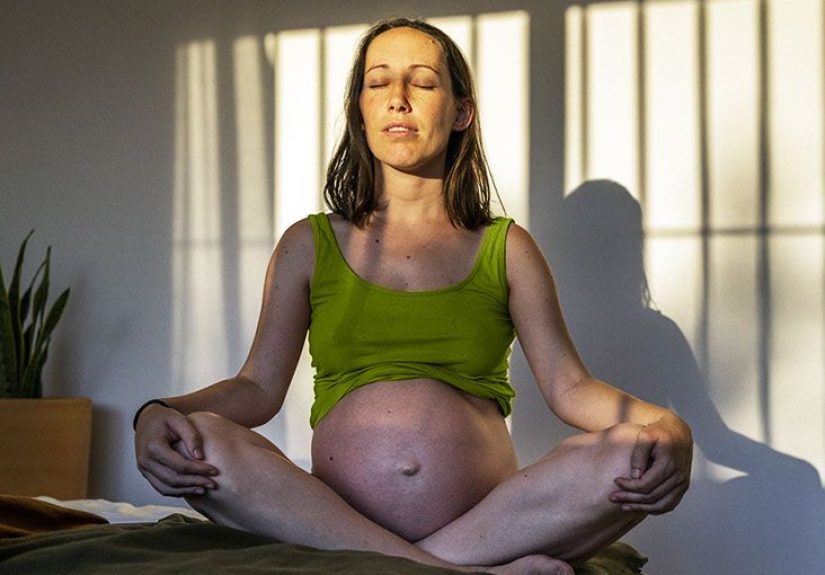
Breathing exercises for PTSD can help reduce anxiety, panic, and physical tension. The key is to keep them simple. You are trying to slow the nervous system, not audition for a role as a professional lighthouse.
A practical breathing pattern
Try inhaling through your nose for four counts, holding for two, and exhaling slowly for six. Longer exhales can help your body shift out of high-alert mode. Repeat for one to three minutes.
If counting makes you more anxious, skip the math. Just focus on a softer, slower exhale. The goal is gentle regulation, not perfection.
3. Protect Your Sleep Like It Is an Emotional Support Roommate
PTSD and sleep problems often travel together. Nightmares, difficulty falling asleep, middle-of-the-night wakeups, and racing thoughts can all make recovery harder. Sleep will not solve everything, but poor sleep can make everything feel louder.
Sleep habits that may help
- Keep a consistent bedtime and wake time, even on weekends.
- Reduce caffeine late in the day.
- Make your room feel safer and calmer with low light, comfortable bedding, and less noise.
- Create a wind-down routine that tells your brain the day is over: reading, stretching, breathing, soft music, or a warm shower.
- Limit doom-scrolling before bed. Your brain does not need a breaking-news siren at 11:43 p.m.
If nightmares or insomnia are severe, frequent, or worsening, that is a strong sign to talk with a doctor or mental health professional. Self-help can support sleep, but it should not carry the whole weight alone.
4. Move Your Body in a Way That Feels Safe
Exercise for PTSD does not need to mean boot-camp intensity or a personality transformation into someone who suddenly loves 5 a.m. spin classes. Gentle, consistent movement can reduce stress, improve sleep, and help discharge some of the physical tension trauma often leaves behind.
Good options for trauma recovery
- Walking outdoors
- Stretching or yoga
- Swimming
- Light strength training
- Dancing in your kitchen with zero witnesses, ideally
The best movement is the one you can actually do without feeling overwhelmed. Start small. Ten minutes counts. A lap around the block counts. Folding laundry while standing and stretching like a slightly dramatic flamingo also counts more than you think.
5. Build a Daily Routine, Even a Tiny One
Trauma can make life feel unpredictable. A routine gives the brain a little structure and reduces decision fatigue. You do not need a color-coded planner that looks like it belongs to a productivity influencer. You need a few stable anchors.
Simple daily anchors
- Wake up at the same time
- Eat regular meals
- Take medication as prescribed
- Step outside once a day
- Have a consistent evening routine
These small habits can help create a sense of predictability and control, which matters when PTSD symptoms make the world feel unsafe or chaotic.
6. Know Your Triggers Without Letting Them Run the Whole Show
PTSD triggers are reminders of trauma that can activate emotional or physical distress. They might be obvious, such as a place or sound, or subtle, such as a smell, date, tone of voice, or crowded room. Learning your triggers is not about living in fear of them. It is about understanding your patterns so you can prepare, plan, and respond more effectively.
Create a trigger plan
Write down:
- What tends to trigger you
- What your early warning signs look like
- Which grounding tools help most
- Who you can contact if symptoms spike
- What places or activities help you calm down
For example, if crowded stores make you feel trapped, you might shop during quieter hours, use headphones, carry water, and keep an exit plan. That is not weakness. That is strategy.
7. Stay Connected to Safe People
PTSD often pushes people toward isolation. Sometimes it feels easier to cancel plans, avoid calls, and disappear into the emotional witness protection program. But support matters. Safe relationships can reduce shame, provide perspective, and remind you that you do not have to manage everything alone.
How to make support more useful
- Choose people who listen without judging or pushing
- Be clear about what helps: listening, distraction, a walk, or practical help
- Consider a peer support group if one feels comfortable
- Tell trusted people what your triggers or warning signs can look like
You do not need a giant support squad. One or two steady people can make a meaningful difference.
8. Watch Out for “Quick Fix” Coping
Not all coping is healthy coping. Alcohol, drugs, overuse of sedatives, compulsive scrolling, emotional shutdown, or avoiding every reminder of trauma may seem helpful in the moment, but they often make PTSD symptoms harder in the long run.
If a coping strategy offers instant relief and a larger mess tomorrow, it is probably worth rethinking. Healthy coping may feel slower, but it usually leaves less wreckage behind.
9. Try Journaling, but Keep It Gentle
Journaling can help some people with PTSD track symptoms, identify triggers, and notice progress. It can also help organize thoughts that feel messy or overwhelming. But journaling should not become an accidental deep dive into distress without support.
Better journaling prompts for PTSD self-help
- What triggered me today?
- What helped me feel safer?
- What did I need but not ask for?
- What is one thing I handled better than usual?
- What am I feeling in my body right now?
You do not need to write a dramatic memoir at midnight. A few useful lines can be enough.
10. Challenge Harsh Self-Talk
Many people with PTSD struggle with guilt, shame, self-blame, or beliefs like “I should be over this by now” or “Something is wrong with me.” These thoughts can deepen suffering and make recovery harder.
Try replacing harsh self-talk with more accurate statements:
- “I am having a trauma response, not failing.”
- “My symptoms make sense in light of what I have been through.”
- “Healing is a process, not a deadline.”
- “I can take one helpful step today.”
Compassion is not corny. For trauma recovery, it is practical.
11. Limit Overexposure to Distressing Media
News alerts, graphic videos, violent entertainment, and endless social media loops can intensify PTSD symptoms, especially when they echo past trauma. Being informed is one thing. Nervous-system sabotage is another.
Consider setting boundaries around media use. Check news at planned times, mute triggering accounts, and avoid watching upsetting content before bed. Reducing exposure is not denial. It is nervous system management.
12. Use Self-Help Tools and Apps as Support, Not Replacement
PTSD apps, guided mindfulness tools, breathing timers, and symptom trackers can be useful. They can help with grounding, sleep, journaling, and noticing patterns. But they are best used as helpers, not full substitutes for trauma-informed care.
If an app helps you stay consistent, great. If it starts feeling like another thing to fail at, delete it with confidence and move on.
When Self-Help Is Not Enough
Self-help for PTSD works best as part of a bigger support system. It is time to seek professional help if symptoms are not improving, are getting worse, or are interfering with work, school, relationships, sleep, or daily functioning. Therapy can help people process trauma, challenge harmful beliefs, reduce avoidance, and learn stronger coping skills. Medication may also help with anxiety, sleep issues, depression, or irritability for some people.
Urgent help is important if someone is in crisis, feels unsafe, or is having thoughts of self-harm. In the United States, calling or texting 988 connects people to immediate crisis support, and life-threatening emergencies require 911.
of Experience-Based Insight: What PTSD Self-Help Can Look Like in Real Life
One of the most important things to understand about PTSD is that improvement usually does not look dramatic. It rarely arrives with cinematic music and a glowing sunrise. More often, it shows up quietly. Someone notices they made it through a grocery store without leaving their cart in aisle three. Someone realizes they slept five hours instead of two. Someone feels triggered, uses a grounding skill, and gets through the moment without spiraling. These are not tiny wins. These are recovery in action.
Many people describe PTSD as exhausting because the body seems to react before the mind has time to catch up. A slammed door can create a full-body jolt. A certain smell can drag up a memory before the person even realizes what happened. A crowded room can make every muscle tighten as if danger just clocked in for its shift. People often say the hardest part is not only the symptoms themselves, but also the confusion and self-judgment that follow. “Why am I reacting like this?” becomes a daily question.
That is why self-help habits matter so much. For some people, the first helpful change is learning to name what is happening: “This is a trigger.” That simple sentence can interrupt shame. Others find that routine becomes a lifeline. Eating breakfast at the same time, walking the dog every evening, or texting one trusted friend each Friday creates a pattern the nervous system begins to trust. Life does not feel completely random anymore.
People with PTSD also talk about the importance of experimenting without expecting instant success. Breathing exercises help one person and annoy another. Journaling feels freeing for one person and overwhelming for someone else. A walk in nature may be calming for one person, while another feels safest doing stretches in a locked bedroom with the curtains half open. Recovery becomes more manageable when people stop asking, “What is the perfect coping tool?” and start asking, “What helps me feel five percent safer or steadier today?”
Support from others can be surprisingly powerful too. Many trauma survivors say healing started to feel more real when one person responded with patience instead of pressure. Not advice. Not minimizing. Just patience. A friend who says, “Want me to stay on the phone while you drive?” A partner who understands that hypervigilance is not rudeness. A therapist who explains that avoidance, panic, numbness, and irritability are common trauma responses, not proof that someone is broken. These moments matter because PTSD can be deeply isolating.
Another common experience is frustration with setbacks. Symptoms can improve for weeks and then flare up after a bad night of sleep, a stressful anniversary date, or a reminder that seemed small to everyone else. That does not mean recovery failed. It means recovery is not linear. People often feel better when they stop treating setbacks like evidence against progress and start treating them like part of the process.
Over time, many people report the same hopeful shift: the trauma memory may still exist, but it no longer controls every room in the house. It gets quieter. It takes up less space. And the person begins to trust themselves again. That may be the most meaningful self-help goal of all.
Final Thoughts
PTSD recovery is not about pretending the past did not happen. It is about helping your mind and body learn that the danger is not happening now. Self-help tips for PTSD can support that process in practical ways: grounding, breathing, sleep protection, movement, routine, trigger planning, connection, and kinder self-talk.
Start small. Keep what helps. Drop what does not. And remember this: progress is still progress even when it looks ordinary from the outside. Especially then.