Table of Contents >> Show >> Hide
- Why Summer Can Be Rough on Eczema
- The Big Truth: There Is No Single “Eczema Food”
- Best Seasonal Summer Foods That Help Support Eczema Management
- Summer Foods and Habits That Can Backfire
- A Sample Day of Summer Eating for Eczema Support
- How to Make Summer Eating Work in Real Life
- Experiences With Summer Foods and Eczema: What It Often Feels Like in Real Life
- Final Thoughts
- SEO Tags
Summer and eczema have a complicated relationship. On one hand, sunshine, farmers markets, and watermelon slices the size of your face feel like pure joy. On the other hand, heat, sweat, chlorine, outdoor allergens, and sticky air can make sensitive skin throw a dramatic little tantrum. If your eczema tends to get louder in summer, your plate will not magically silence it. But it can help.
That is the key idea here: food is not a cure for eczema, and there is no one-size-fits-all “eczema diet.” Still, certain seasonal summer foods can support hydration, skin barrier health, and an overall anti-inflammatory eating pattern. That matters because eczema-prone skin already struggles to hold onto moisture and stay calm when the weather turns hot and humid.
So no, a tomato will not march into your skin and negotiate peace talks. But a smart summer menu can make the season easier to manage. Think cool, colorful, minimally processed foods that help you stay hydrated, eat consistently, and avoid the “I survived on iced coffee and barbecue chips” spiral. Let’s get into the best seasonal summer foods that may help support eczema management, plus how to build meals around them without making food feel like homework.
Why Summer Can Be Rough on Eczema
Eczema, especially atopic dermatitis, is tied to a weakened skin barrier. That means your skin loses moisture more easily and gets irritated faster. Summer adds several classic troublemakers to the mix: sweating, overheating, friction from clothing, sunscreen ingredients that do not agree with you, and more time outside with pollen, grass, and other triggers.
That is why food matters in a supportive way during summer. The season calls for meals that do three things well: keep you hydrated, give you steady nutrition, and avoid unnecessary guesswork. The less stressed your body feels overall, the better your odds of staying ahead of a flare. Food alone will not replace moisturizer, prescribed treatments, trigger avoidance, or dermatologist guidance. But it can absolutely be part of the bigger strategy.
The Big Truth: There Is No Single “Eczema Food”
Before we start handing crowns to berries and salmon, here is the truth dermatologists keep repeating: eczema is not usually fixed by cutting random foods out of your diet, and it is not usually cured by adding one trendy “skin superfood.” If you have a confirmed food allergy or a clear personal trigger, that is different. But broad elimination diets can backfire, especially if they make your diet too restrictive or leave you underfed.
A better goal is this: build an eating pattern that is balanced, practical, and rich in seasonal whole foods. That means more fruits, vegetables, fiber, and healthy fats; enough protein; and fewer ultra-processed snacks that crowd out the good stuff. In other words, the kind of summer eating that makes both your skin and your grocery cart feel less chaotic.
Best Seasonal Summer Foods That Help Support Eczema Management
1. Watermelon, Cucumber, Lettuce, and Other Water-Rich Produce
When the temperature climbs, hydration becomes a bigger deal. Dehydration does not directly “cause” eczema, but summer heat and sweating can make dry, irritated skin feel worse. Water-rich produce can help you stay hydrated in a way that feels more appealing than forcing down your eighth plain glass of water.
Watermelon is the summer overachiever here. It is refreshing, easy to digest, and simple to snack on when your appetite drops in hot weather. Cucumbers, romaine, tomatoes, grapefruit, and celery also pull their weight. These foods will not cure a flare, but they make it easier to stay hydrated, and hydrated people usually make better choices than overheated, cranky, snack-cabinet-raiding people.
Easy idea: Make a chilled salad with cucumber, lettuce, tomatoes, olive oil, and grilled chicken or salmon. It is light, cooling, and far less likely to leave you feeling like you just ate a brick at noon.
2. Berries
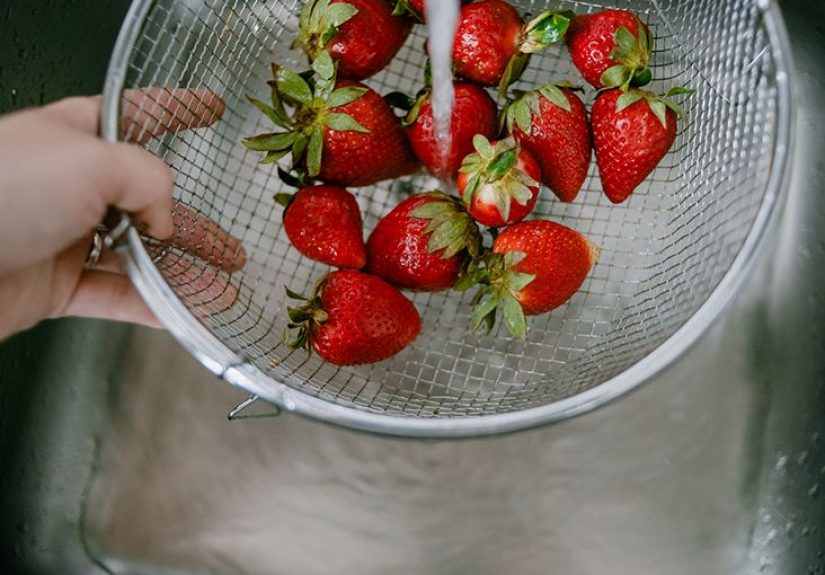
Summer berries are basically nature’s way of showing off. Strawberries, blueberries, raspberries, and blackberries bring fiber, vitamin C, and antioxidants to the table. While berries are not a direct eczema treatment, they fit beautifully into an anti-inflammatory eating pattern and help you add nutrient-dense sweetness without leaning on highly processed desserts.
Vitamin C matters because it acts as an antioxidant, and berries also give you fiber, which supports a healthy overall diet. Raspberries are especially impressive if you want more fiber without much effort. Toss them into oatmeal, plain yogurt, smoothies, or a chia pudding that looks suspiciously fancy for how little work it takes.
Easy idea: Mix berries with plain Greek yogurt and a spoonful of ground flaxseed for a cool snack with protein, fiber, and healthy fats.
3. Tomatoes and Bell Peppers
Tomatoes and bell peppers are peak summer staples, and they bring hydration plus vitamin C to the party. Red and yellow bell peppers are especially strong sources. They also work in about a million meals, which is helpful when you are trying to eat well without spending your whole life chopping vegetables in a hot kitchen.
Some people with eczema notice that certain acidic or spicy foods seem to bother them personally, especially around the lips or in combination with other sensitivities. If tomatoes or peppers clearly make your symptoms worse, respect your own pattern. But if they do not, they are excellent summer foods to keep in rotation.
Easy idea: Throw chopped tomatoes, bell peppers, cucumber, olive oil, herbs, and white beans together for a quick lunch that tastes like summer and takes less time than doomscrolling.
4. Fatty Fish Like Salmon, Sardines, and Trout
If summer produce is the bright, cheerful friend, fatty fish is the dependable one who actually remembers to bring sunscreen. Salmon, sardines, and trout provide omega-3 fatty acids, which are associated with broader anti-inflammatory benefits and are a smart addition to a balanced diet. They are not magic bullets for eczema, but they are one of the strongest food-based upgrades you can make.
These fish also offer satisfying protein, which helps stabilize meals and keeps you from wandering into the kitchen 45 minutes later looking for cookies with the focus of a bloodhound. Grilled salmon with corn, tomato salad, or roasted zucchini is a classic summer move for a reason.
Easy idea: Make salmon bowls with rice, cucumber, avocado, shredded cabbage, and a simple olive oil dressing. Cool, filling, and far more skin-supportive than living on fries and vibes.
5. Leafy Greens and Broccoli
Spinach, arugula, kale, romaine, and broccoli are not exactly flashy, but they are nutritional workhorses. They add vitamins, minerals, fiber, and bulk to meals without much fuss. Broccoli also shows up on lists of water-rich foods, which gives it extra summer points.
The best part is flexibility. Greens can go into smoothies, salads, pasta dishes, grain bowls, or sandwiches. Broccoli can be lightly steamed and chilled, roasted in the evening when it is cooler, or tossed into pasta salad. If your skin is flaring and your patience is low, easy vegetables beat perfect vegetables every time.
Easy idea: Keep washed greens in the fridge and add a handful to wraps, sandwiches, or smoothies so you do not have to make a major production out of eating vegetables.
6. Oats, Beans, and Other Fiber-Rich Basics
Fiber may not sound glamorous, but it helps build a better everyday diet. Oats, beans, lentils, and whole grains support fullness and make meals steadier and more balanced. In eczema conversations, these foods matter less because they are trendy and more because they crowd out the ultra-processed stuff that can dominate summer eating when routines get messy.
Cold overnight oats work especially well in hot weather. You can build them with berries, chia seeds, and a dollop of yogurt. Bean salads are another smart summer choice because they are affordable, filling, and easy to make ahead. Your future overheated self will thank you.
Easy idea: Try a black bean and corn salad with cilantro, cucumber, and olive oil for an easy side dish that also works as lunch with added grilled chicken or fish.
7. Yogurt or Kefir, If You Tolerate Dairy Well
Plain yogurt and kefir can be refreshing summer options because they provide protein and can fit into balanced breakfasts or snacks. Fermented foods also contain probiotics, which get a lot of attention in eczema discussions. But this is where caution matters: probiotics are not a proven eczema cure, and dairy is not a good fit for everyone. If dairy clearly triggers you, skip it. If it does not, unsweetened yogurt can be a practical, protein-rich option.
The goal here is not “eat yogurt and your skin will transform by Tuesday.” It is more modest and more realistic: choose cooling foods that help you eat well consistently. That alone can make summer management feel less chaotic.
Easy idea: Blend plain kefir with berries, spinach, and ice for a quick breakfast on sweaty mornings when toast feels too serious.
8. Avocados, Walnuts, Chia, and Flax
Healthy fats deserve a seat at the table, too. Avocados fit summer beautifully, while walnuts, chia, and flax are easy pantry additions that help round out meals. Chia pudding with berries, sliced peaches with crushed walnuts, or avocado on a grain bowl are all simple ways to bring more healthy fats into the day.
If tree nuts are a known allergy for you, obviously do not force a wellness moment here. But for people who tolerate them, these foods can help make summer meals more satisfying and less dependent on processed convenience snacks.
Summer Foods and Habits That Can Backfire
Do Not Start a Random Elimination Diet
If you suspect a food trigger, track it carefully and talk to a clinician or registered dietitian instead of declaring war on half your fridge. Cutting out dairy, eggs, wheat, soy, and joy all at once is not a sound strategy. It is just an exhausting one.
Watch the Ultra-Processed Summer Spiral
Summer is wonderful, but it can quietly become a season of sugary drinks, chips, drive-thru meals, and “snacks” that are really just salty air wearing packaging. Those foods do not automatically cause eczema, but they can displace the more balanced meals that help your body stay nourished and hydrated.
Do Not Forget Fluids
Iced coffee is delightful. It is also not a personality trait or a hydration plan. Water, sparkling water, unsweetened drinks, and water-rich foods all belong in the rotation when it is hot out.
A Sample Day of Summer Eating for Eczema Support
Breakfast: Overnight oats with blueberries, strawberries, chia seeds, and plain yogurt.
Mid-morning snack: Watermelon and a handful of pumpkin seeds.
Lunch: Salmon salad with romaine, cucumber, tomatoes, avocado, and olive oil.
Afternoon snack: Sliced peaches with unsweetened yogurt or a kefir smoothie.
Dinner: Grilled trout or chicken with corn and black bean salad, plus steamed broccoli.
Evening option: Herbal iced tea and raspberries if you want something light.
Notice what this menu does not do. It does not promise miracles. It simply makes room for hydration, fiber, healthy fats, protein, and a steady intake of whole foods that support your body during a season that can be rough on sensitive skin.
How to Make Summer Eating Work in Real Life
Buy foods you will actually eat. That sounds obvious, but it is strangely revolutionary. If kale makes you feel like you are chewing a reusable tote bag, choose romaine or spinach instead. If sardines are a bridge too far, pick salmon. If you hate meal prep, wash fruit, chop cucumber, and call it a win.
Keep meals simple when your skin is irritated. Flares are not the moment to launch a gourmet lifestyle overhaul. Aim for cool foods, easy assembly, and repeatable habits. A few reliable summer meals beat an ambitious Pinterest plan that dies by Wednesday.
Most importantly, pay attention to your own body. Eczema is personal. One person’s “healthy skin smoothie” is another person’s trigger-filled regret. If you think a food is causing issues, look for patterns instead of assuming. Better yet, keep a calm, boring food-and-symptom log for a few weeks. Boring logs are strangely powerful.
Experiences With Summer Foods and Eczema: What It Often Feels Like in Real Life
This section is a realistic, experience-based illustration of how people often describe adjusting their summer eating habits while managing eczema. It is not a substitute for medical advice, but it reflects the everyday trial-and-error side of the topic.
For a lot of people, summer eczema is less about one dramatic trigger and more about a pileup of small things. The day starts hot, the commute is sticky, lunch is rushed, water gets forgotten, and by evening the skin feels tight, itchy, and annoyed. Many people describe that moment of realizing they did not actually eat a real meal all day. They had iced coffee, half a muffin, maybe a salty snack, and then wondered why their whole body felt like it was filing a complaint.
Once summer meals become more intentional, the difference people often notice is not instant perfection. It is steadiness. Breakfast becomes overnight oats with berries instead of a pastry eaten while standing. Lunch becomes something cool and filling, like salmon and cucumber salad, instead of greasy takeout in a hot car. Snacks turn into watermelon, peaches, yogurt, or nuts instead of whatever came out of a vending machine. None of that sounds glamorous, but “less chaotic” is sometimes exactly what eczema management needs.
People also talk about the relief of eating foods that feel physically cooling. A bowl of cold watermelon after being outside in the heat can feel better than a heavy dessert. Cucumber salad, chilled berries, kefir smoothies, and crisp lettuce wraps often feel easier to tolerate on hot days when appetite is weird and the skin already feels overstimulated. The benefit is not just nutritional. It is practical. Cooling foods are easier to keep eating consistently.
Another common experience is learning that healthy does not always mean safe for you. One person may do great with yogurt and berries, while another notices dairy seems to worsen symptoms. Some people tolerate tomatoes beautifully; others feel stinging around the mouth or notice a pattern after acidic foods. This is where people often say they stopped copying internet food lists and started paying attention to their own skin instead. That shift can be surprisingly freeing.
There is also the emotional side. Summer is social. Cookouts, vacations, beach days, and restaurant meals do not always line up with a carefully planned eczema-friendly menu. People often say the biggest improvement came when they stopped trying to eat “perfectly” and focused on eating predictably. They packed fruit, brought water, chose grilled protein when they could, and stopped showing up starving to every event. That alone reduced the all-or-nothing cycle.
In the end, the experience many people describe is not that food cured their eczema. It is that thoughtful summer eating made the season easier. They felt less dehydrated, less run-down, and less trapped in the spiral of heat, sweat, skipped meals, and random snacking. Their skin still needed moisturizer, gentle products, and sometimes medication. But the food side of the equation started helping instead of making everything harder. And honestly, in eczema life, that counts as a very respectable win.
Final Thoughts
If you are looking for seasonal summer foods that help manage eczema, think support rather than miracle. Water-rich produce helps with hydration. Berries, tomatoes, peppers, greens, and broccoli bring antioxidants and nutrients. Fatty fish adds omega-3s. Fiber-rich staples and healthy fats make meals more balanced and sustainable. And perhaps most importantly, a practical summer eating routine helps you avoid the dehydration-and-junk-food chaos that can make sensitive skin feel even more miserable.
Keep the focus on consistency, not perfection. Eat more whole summer foods, stay hydrated, and learn your own triggers with patience instead of panic. Your skin may still be dramatic now and then, because eczema loves a plot twist. But your plate can still become one of the quietest, most helpful parts of your management plan.