Table of Contents >> Show >> Hide
- Why Roasted Garlic Tastes So Good
- Ingredients and Tools
- The Classic Oven Roasted Garlic Recipe
- Easy Variations
- How to Use Roasted Garlic (20 Delicious Ideas)
- Storage and Food Safety
- Troubleshooting (Because Ovens Have Opinions)
- Conclusion
- Experiences Related to a Roasted Garlic Recipe
- SEO Metadata (JSON)
If raw garlic is the loud friend who shows up early and talks over the playlist, roasted garlic is the same friend
after they’ve had a warm shower, a cup of tea, and a deep personal growth journey. Roasting turns sharp, pungent
cloves into soft, golden, spreadable little flavor pillows that taste sweet, nutty, and downright buttery.
This guide gives you a reliable roasted garlic recipe (the classic oven method), plus smart
variations (air fryer, stovetop, microwave, and foil-free options), storage and food-safety tips, and plenty of
ways to use your new obsession.
Why Roasted Garlic Tastes So Good
Garlic’s punchy bite comes from sulfur compounds released when you cut or crush it. Slow, steady heat mellows that
intensity and encourages gentle browning. Translation: harsh becomes mellow, spicy becomes sweet, and your kitchen
smells like you’ve been cooking all dayeven if you mostly stared into the oven window like it’s a fireplace.
Ingredients and Tools
Ingredients
- Whole garlic heads (1 or more)
- Olive oil (about 1–2 teaspoons per head)
- Kosher salt (optional, but recommended)
- Black pepper (optional)
Helpful tools
- Chef’s knife
- Aluminum foil or parchment (or a small baking dish with a lid)
- Small baking dish or sheet pan
- Optional: muffin tin (great for roasting multiple heads neatly)
The Classic Oven Roasted Garlic Recipe
This is the go-to method: cut, oil, wrap, roast, squeeze. It’s forgiving, scalable, and basically
impossible to mess up unless you forget it in the oven until tomorrow. (Even then…it might still taste good. Just
don’t do that.)
Step-by-step instructions
-
Heat the oven: Preheat to 400°F.
Why 400°F? It’s hot enough to caramelize and soften the cloves without turning the tops into tiny
charcoal hats. -
Prep the garlic: Peel off any loose, papery outer layers, but keep the head intact. Using a
sharp knife, slice off about 1/4 to 1/2 inch from the top to expose the cloves. -
Season: Place the garlic cut-side up on a square of foil (or in a small baking dish). Drizzle
with olive oil so it slips into the exposed cloves. Sprinkle with a small pinch of
salt. -
Wrap: Wrap the garlic tightly in foil (or cover your baking dish). Leave a little space inside
the packet so steam can circulate. -
Roast: Bake for 40 minutes, then check. Most heads take
40–60 minutes depending on size and freshness. -
Check for doneness: The cloves should be very soft when you press the head, and the exposed tops
should look lightly golden to deep caramel (not pale and firm). -
Cool safely: Let the packet rest for 10 minutes. It will be hot and steamy, and
your fingers deserve kindness. -
Squeeze and enjoy: Hold the head from the base and gently squeeze from the bottom upward.
Roasted cloves should slide out like garlic toothpaste (in the best way).
Roasted garlic timing cheatsheet
- Small heads: 35–45 minutes
- Medium heads: 45–60 minutes
- Very large heads: 60–75 minutes (check at 55)
Easy Variations
1) Foil-free roasted garlic (baking dish method)
If you’re avoiding foil, place the cut garlic head(s) in a small baking dish or ramekin, drizzle with oil, and
cover tightly with a lid or with parchment plus a snug layer of foil-free coverage (like a second inverted dish if
it fits). Roast at 375–400°F until soft, usually 45–60 minutes.
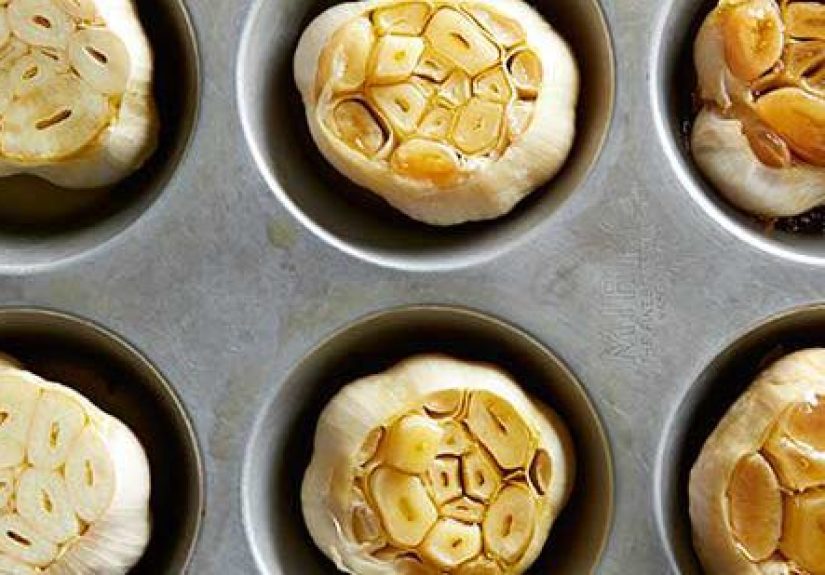
2) Muffin tin method (neat and efficient)
Nestle each trimmed garlic head into a muffin cup so it stays upright. Cover the pan (or use a second inverted
muffin tin like a lid) to trap heat. Roast at 375–400°F until buttery-soft.
3) Air fryer roasted garlic (fast + hands-off)
Want roasted garlic in “I barely have time to blink” mode? The air fryer is your friend. Wrap a prepared garlic
head in foil, then air fry at around 380°F for 16–20 minutes, checking for
softness. Because air fryers vary, treat the first batch like a test runyour appliance has a personality.
4) Stovetop quick-roast (skillet method)
For a faster, slightly smokier vibe, roast unpeeled individual cloves in a dry skillet over medium
heat, shaking occasionally, until the skins char in spots and the insides softenoften around
15 minutes. The flavor won’t be as deeply caramelized as oven-roasted garlic, but it’s fantastic
when you need a shortcut for sauces, salsas, or weeknight meals.
5) Microwave “roasted” garlic (when time is rude)
Microwave methods can soften garlic quicklygreat for turning it into a paste for breads, compound butters, or quick
marinades. Expect a mellower flavor, though typically less caramelization than oven roasting. If you choose this
route, use a microwave-safe dish, add a little oil and a splash of water, cover, and cook in short bursts until the
cloves are soft.
How to Use Roasted Garlic (20 Delicious Ideas)
Once you have roasted garlic, you’ll start adding it to everything like it’s a loyalty program. Here are ideas that
actually earn their keep:
- Spread on toasted bread with olive oil and flaky salt
- Stir into mashed potatoes or cauliflower mash
- Mix into softened butter for instant garlic bread upgrade
- Whisk into salad dressing or vinaigrette
- Add to hummus, bean dip, or whipped feta
- Blend into soups (tomato, potato, butternut squash)
- Fold into mac and cheese or creamy pasta sauce
- Mash into burger patties or meatballs for mellow depth
- Stir into risotto or polenta
- Mix into mayonnaise for roasted garlic aioli
- Add to scrambled eggs or omelets
- Smear on pizza crust before toppings
- Mix into roasted veggie bowls (especially carrots, Brussels sprouts, and mushrooms)
- Blend into marinades for chicken, pork, or tofu
- Stir into warm olive oil as a bread dip
- Add to gravy for holiday-level richness
- Fold into cream cheese for a bagel spread
- Mix into rice or quinoa with herbs and lemon
- Stir into sautéed greens (kale, spinach, Swiss chard)
- Blend into a quick roasted garlic pesto
Storage and Food Safety
Roasted garlic is soft and moist, which means it’s deliciousbut also means you should store it properly. Here’s the
safe, practical approach:
Refrigerator
- Best method: Squeeze cloves into an airtight container and refrigerate.
-
How long it keeps: Many cooks use it within 1–2 weeks for best flavor and
texture.
Freezer
-
Freeze for longer storage: Mash cloves into a paste and freeze in small portions (ice cube trays
work beautifully). - Bonus: Frozen roasted garlic can be dropped straight into hot pans, soups, and sauces.
A big safety note about garlic stored in oil
It’s tempting to submerge roasted garlic in olive oil and call it “garlic gold.” But garlic-in-oil mixtures can be
risky if stored incorrectly because low-acid, low-oxygen environments may allow harmful bacteria to grow.
- Never store homemade garlic-in-oil at room temperature.
-
If you do store garlic with oil, keep it refrigerated and use it within a short, safety-minded
window (or freeze it).
Troubleshooting (Because Ovens Have Opinions)
My garlic is still firm after 40 minutes
Totally normal. Heads vary in size and moisture. Rewrap and roast another 10–15 minutes, then check
again.
The tops look browned but the cloves aren’t soft
Your foil packet may not be sealed well, letting steam escape. Add a tiny drizzle more oil, wrap tightly, and roast
a bit longer. You can also lower the oven to 375°F if the tops are getting too dark.
It tastes bitter
Garlic can turn bitter if the exposed cloves burn. Next time, trim a thinner “cap,” use a bit more oil, and roast
a touch lower or more covered. Also: keep the garlic on the middle rack, not near the top heating element.
Conclusion
A solid roasted garlic recipe is one of those small kitchen skills that pays you back forever. It takes a few
minutes of prep, requires almost no attention, and upgrades everything from weeknight pasta to holiday spreads.
Roast a couple heads at oncefuture-you will feel like you left yourself a delicious little gift.
Experiences Related to a Roasted Garlic Recipe
The first time you roast garlic at home, the biggest surprise is how quickly it changes the mood of your kitchen.
There’s a momentusually around the 25-minute markwhen the smell starts drifting down the hallway like it has a
plan. Suddenly, your “I’m just making dinner” energy turns into “I could host a cooking show,” even if you’re still
wearing mismatched socks and using a mug as a measuring cup. That aroma is the reason roasted garlic feels like a
secret weapon: it makes simple food feel intentional.
Another classic experience is learning that garlic heads are not created equal. One week you’ll roast a few small,
tight bulbs that turn creamy in 40 minutes. The next week you’ll buy larger headsmaybe older, maybe just built
differentand they’ll need the full hour. This is when you discover the most reliable “test” isn’t the clock; it’s
the feel. Press the head gently through the foil. If it gives like a soft pillow, you’re close. If it feels like a
baseball, it needs more time. This is also when you start talking to your oven like it’s a coworker: “We discussed
this. I set you to 400°F. Please act accordingly.”
Roasted garlic also teaches you the difference between “garlicky” and “garlic-forward.” Raw minced garlic can take
over a sauce if you’re not careful. Roasted garlic, on the other hand, tends to blend in smoothlyuntil you add too
much, and then you’ve accidentally made “Roasted Garlic With a Side of Pasta.” This is a very real phase. You’ll
mash four cloves into butter, taste it, and think, “What if I added…eight?” Suddenly you’re spreading it on toast,
stirring it into soup, and contemplating whether it belongs in dessert (it doesn’t, but points for confidence).
If you cook for other people, roasted garlic becomes a social skill. It’s the thing you bring out when guests show
up and you want an easy “wow” with minimal effort: warm bread, roasted garlic, olive oil, a pinch of salt. People
gather around it like it’s a campfire. Someone will ask, “What is this?” and you’ll get to say, casually, “Oh,
it’s just roasted garlic,” as if you didn’t basically perform edible magic with two ingredients.
And finally, there’s the experience of learning storage habits. After you’ve roasted garlic a few times, you start
making extra on purpose. You’ll stash cloves in the fridge for quick weeknight wins: a spoonful melted into tomato
sauce, mashed into vinaigrette, or stirred into hot rice with herbs. You’ll likely try freezing it too, especially
after realizing that roasted garlic in small portions is as convenient as it is luxurious. That’s when roasted
garlic stops being “a recipe you tried” and becomes “a staple you keep,” the same way you keep lemons around
because you like your food to taste alive.