Table of Contents >> Show >> Hide
- Why This Sandwich Actually Feels “Mediterranean” (Not Just “I Added Feta, Relax”)
- The Master Mediterranean Breakfast Sandwich
- Meal Prep, Storage, and “How Do I Keep This From Turning Into Soup?”
- Nutrition Notes (Because Breakfast Can Be Delicious AND Smart)
- Common Mistakes (and Easy Fixes)
- FAQ
- Final Bite
- Extra: of Real-Life Mediterranean Sandwich Experiences (So You Can Taste the Trial-and-Error)
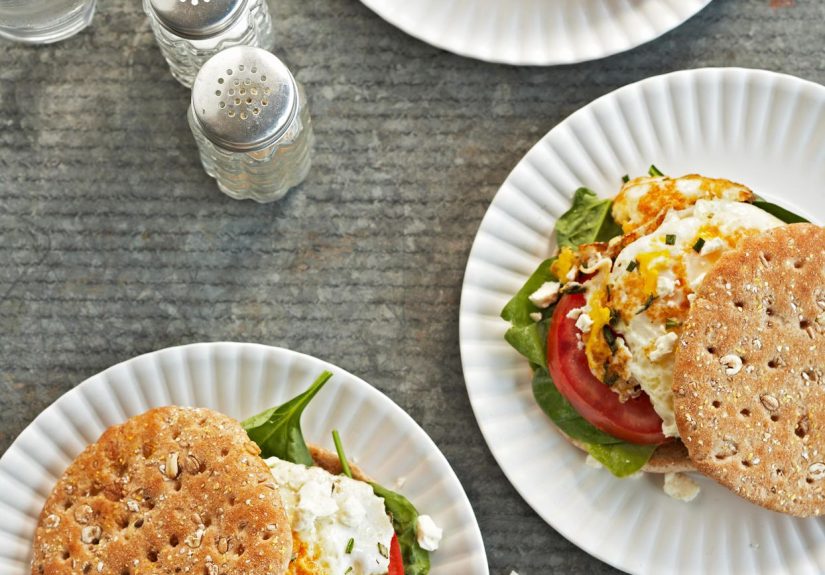
If your current breakfast sandwich routine is “mystery meat + neon cheese + regret,” I have good news: you can upgrade in about 15 minutes. This Mediterranean Breakfast Sandwiches Recipe leans on whole grains, eggs (or a plant-based protein), bright veggies, and big flavor from olive oil, lemon, herbs, and salty cheeseaka the stuff that makes breakfast feel like a vacation instead of a negotiation.
Below you’ll get one master method (so you can riff forever), plus variations that taste like different corners of the Mediterraneanwithout requiring a passport or a degree in sandwich architecture.
Why This Sandwich Actually Feels “Mediterranean” (Not Just “I Added Feta, Relax”)
1) The flavor rules: bright, herby, and olive-oil-forward
Mediterranean-style eating is less about a single recipe and more about a pattern: plant-forward meals, healthy fats (hello, extra-virgin olive oil), herbs and spices, and minimally processed ingredients. That translates to sandwiches that pop with lemon, tomatoes, cucumbers, olives, roasted peppers, za’atar, oregano, dill, and a little garlicaka the “make your taste buds clap” toolkit.
2) The building blocks: whole grains, veggies, and satisfying protein
Think whole-grain bread, pita, or an English muffin; piles of vegetables; and a protein that holds the whole operation together (eggs, chickpeas, yogurt-based spreads, fish, or poultry). You can keep it classic with scrambled eggs, go vegetarian with chickpea mash, or do a “brunch flex” with smoked salmon.
The Master Mediterranean Breakfast Sandwich
This is the core recipe you’ll memorize after making it twice. It’s designed to be quick, balanced, and meal-prep friendlywhile still tasting like you paid $14.50 for it in a café with a lot of indoor plants.
Serves
2 sandwiches (scale up easily)
Time
15 minutes (or 10 if you move with purpose)
Ingredients
- 2 whole-grain English muffins, whole-wheat pitas, or sturdy sourdough slices
- 3 large eggs (or 3/4 cup liquid egg whites, or tofu scramble if vegan)
- 1 packed cup baby spinach (or arugula for peppery drama)
- 1 small tomato, sliced (or a handful of halved cherry tomatoes)
- 1/3 cup crumbled feta (or goat cheese; or a plant-based feta alternative)
- 2 tablespoons hummus (classic, roasted red pepper, or garlic)
- 1 tablespoon extra-virgin olive oil
- 1 teaspoon lemon juice (optional, but highly recommended)
- 1 small garlic clove, grated (optional)
- Salt and black pepper
- Optional: pinch of oregano or za’atar, sliced cucumber, olives, roasted red peppers, fresh dill
Step-by-step Instructions
- Toast the bread. Split and toast your English muffins (or warm your pita). Toasting isn’t just for crunch it also helps prevent the dreaded soggy-sandwich situation.
- Sauté the spinach. Heat olive oil in a skillet over medium heat. Add spinach with a pinch of salt and cook 30–60 seconds until just wilted. Remove to a plate.
- Cook the eggs. Beat eggs with a pinch of salt and pepper. In the same skillet, lower heat to medium-low and scramble until softly set (or fry/over-easy if you like a runny yolk moment). If you’re adding feta into the eggs, sprinkle it on during the last minute so it melts slightly but still has texture.
- Mix your spread. Stir hummus with lemon juice and (optional) a little grated garlic. This becomes the tangy, creamy glue that keeps everything together.
- Assemble like you mean it. Spread hummus on the toasted bread. Add eggs, spinach, tomato slices, and extra feta. Finish with oregano or za’atar if using. Close the sandwich and gently press.
- Optional 60-second upgrade: Return the assembled sandwich to the warm pan and press lightly (or use a sandwich press) for 30 seconds per side. This warms the fillings and makes everything feel “restaurant.”
Quick Flavor Variations (Pick Your Mood)
Variation A: Greek-Inspired Feta & Herb
- Swap hummus for tzatziki (or Greek yogurt + lemon + grated cucumber + dill).
- Add cucumber slices and a few chopped olives.
- Use oregano and dill together for big “Greek taverna” energy.
Variation B: Roasted Red Pepper “Sunrise”
- Use roasted red pepper hummus.
- Add roasted peppers + a handful of arugula.
- Finish with a drizzle of olive oil and cracked black pepper.
Variation C: Smoked Salmon & Lemon-Dill
- Skip the eggs (or keep one egg, your call).
- Spread with Greek yogurt or labneh-style cheese + lemon + dill.
- Layer smoked salmon, cucumber, tomato, and capers (optional).
Variation D: Chickpea Mash (No-Egg, Still Filling)
- Mash 1/2 cup chickpeas with olive oil, lemon, salt, pepper, and chopped parsley.
- Add sliced tomato + spinach + feta (or keep it dairy-free).
- Bonus: a sprinkle of smoked paprika for depth.
Meal Prep, Storage, and “How Do I Keep This From Turning Into Soup?”
Keep it crisp (anti-soggy strategy)
- Toast the bread. Always.
- Cool hot components (eggs/spinach) for a few minutes before assembling.
- Separate wet ingredients (tomatoes, cucumbers, juicy spreads) if prepping ahead; add right before eating.
- Use greens as a moisture barrier between spread and bread when possible.
Fridge and freezer timelines (real-life friendly)
For home kitchens, a safe rule is to refrigerate perishable foods promptly and use refrigerated leftovers within a few days. Many meal-prep breakfast sandwiches keep best in the fridge for up to 3–4 days and in the freezer for 1–3 months for top texture (longer is possible, but quality slides).
How to freeze breakfast sandwiches (without sadness)
- Let cooked eggs and veggies cool so steam doesn’t get trapped (steam = soggy).
- Assemble with less tomato/cucumber (add fresh later).
- Wrap each sandwich tightly in parchment paper, then foil, then place in a freezer bag.
- Label with the date. Future-you will thank present-you.
Reheating (and food safety)
Reheat until the sandwich is hot throughout. For leftovers, common guidance is aiming for 165°F internally for safe reheating. If your sandwich includes eggs, meats, or mixed leftovers, a food thermometer is the easiest “no-guessing” tool.
- Microwave: unwrap foil, wrap in a paper towel, heat 60–90 seconds, flip, then 20–40 seconds more.
- Oven: wrap in foil and bake at 350–375°F for 12–18 minutes (from frozen) until hot.
- Air fryer: 330–350°F for 6–10 minutes (check early; air fryers are spicy little wind tunnels).
Nutrition Notes (Because Breakfast Can Be Delicious AND Smart)
Protein + fiber = staying power
A Mediterranean-style breakfast sandwich shines when it combines protein (eggs, yogurt spreads, chickpeas, fish) with fiber-rich carbs (whole grains) and vegetables. That combo tends to keep you full longer than a pastry that disappears emotionally and physically in 4 bites.
Sodium watch (feta is saltyworth it, but still salty)
Feta, olives, and smoked fish can bring a lot of sodium. If you’re watching salt, use a smaller amount of feta, add more herbs/lemon for punch, and choose lower-sodium hummus when possible.
Common Mistakes (and Easy Fixes)
- Mistake: stuffing the sandwich like a suitcase.
Fix: aim for layers that stay putspread, protein, greens, then juicy veggies. - Mistake: eggs cooked too dry.
Fix: lower the heat and pull them while they’re still slightly glossy; they finish cooking as they rest. - Mistake: bland bite syndrome.
Fix: add lemon, herbs, za’atar, or a drizzle of olive oil. Mediterranean flavor loves brightness. - Mistake: meal-prepping with wet veggies inside.
Fix: keep tomatoes/cucumbers separate, or use roasted peppers (less water, more flavor).
FAQ
What bread is best for Mediterranean breakfast sandwiches?
Choose something sturdy: whole-grain English muffins, pita pockets, or thick sourdough. Flimsier bread tends to collapse under spreads and juicy veggies (we’ve all seen it).
Can I make this vegetarian or vegan?
Absolutely. Vegetarian is easy (eggs + feta + veggies). For vegan, use tofu scramble or chickpea mash and a dairy-free feta or tahini-lemon sauce.
How do I add more veggies without making it messy?
Roast them. Roasted peppers, sautéed mushrooms, or wilted greens add volume without turning your sandwich into a water slide.
What’s the fastest version on a busy weekday?
Toast bread, spread hummus, add a hard-boiled egg sliced, spinach, and tomato. It’s a no-pan, no-drama healthy breakfast sandwich you can eat one-handed while pretending your inbox doesn’t exist.
Final Bite
This Mediterranean Breakfast Sandwiches Recipe is less a strict formula and more a delicious system: whole grains + protein + veggies + bold, bright flavor. Make it once, then remix it all weekGreek-inspired one day, hummus and roasted peppers the next, chickpea mash when you’re out of eggs, smoked salmon when you want to feel fancy on a Tuesday for no reason.
Extra: of Real-Life Mediterranean Sandwich Experiences (So You Can Taste the Trial-and-Error)
The first time I tried to “meal prep” Mediterranean breakfast sandwiches, I made a rookie mistake: I built them like I was assembling a trophy. Thick tomato slices, cucumber rounds, a heroic smear of hummus, and eggs still hot enough to qualify as space heaters. I wrapped them immediately, tossed them in the fridge, and woke up to sandwiches that had quietly turned into a soft, steamy situation. The flavors were still goodgarlic, lemon, feta, all the hitsbut the bread had the structural integrity of a napkin in a rainstorm.
That’s when the Mediterranean method clicked for me: it’s not just ingredients; it’s balance, including moisture and texture. Toasting became non-negotiable. I started cooling the eggs while I prepped veggies, which shaved time and saved the crumb. And instead of stacking watery vegetables inside the sandwich overnight, I kept tomatoes and cucumbers in a tiny container with a pinch of salt and oregano. In the morning, I’d add them fresh, and suddenly the sandwich tasted bright and alive instead of like yesterday’s salad had a rough night.
The biggest “aha” was learning that spreads can act like a moisture shield. Hummus is great, but it also invites tomatoes to move in permanently. So I began layering smart: hummus, then eggs (or chickpeas), then greens, then the juicy stuff. Spinach is basically the unsung hero hereit’s delicious, yes, but it’s also a leafy little raincoat for your bread. If I wanted extra creaminess, I’d mix Greek yogurt with lemon and dill and use that as a lighter spread. It gave me the tang of tzatziki without drowning the sandwich.
On weekends, I like to “test kitchen” new combinations: roasted peppers with feta and a sprinkle of za’atar, or chickpea mash with parsley and smoked paprika. Those versions taught me another Mediterranean truth: you don’t need a lot of meat (or any) to make a breakfast sandwich satisfying. When the flavors are boldacid, salt, herbs, olive oilyour brain stops asking, “Where’s the bacon?” and starts asking, “Why don’t I eat like this more often?”
And here’s the most practical experience of all: these sandwiches make mornings calmer. When I know breakfast is waiting, I make better decisions all day. I’m less likely to grab something ultra-processed just because it’s fast. Plus, there’s a tiny joy in unwrapping something homemade that smells like lemon, oregano, and warm breadlike you packed yourself a little edible encouragement.