Table of Contents >> Show >> Hide
- Why Hygiene Matters More Than Parents Sometimes Think
- The Most Important Hygiene Habits for Kids
- 1. Handwashing: The MVP of Childhood Hygiene
- 2. Toothbrushing and Flossing: Tiny Teeth, Big Responsibility
- 3. Bathing and Showering: Clean Does Not Mean Constantly Soaked
- 4. Nail Care: Small Habit, Big Difference
- 5. Bathroom Hygiene: The Skill Nobody Brags About but Everyone Needs
- 6. Clean Clothes, Fresh Socks, and the Great Underwear Debate
- 7. Cough and Sneeze Hygiene: Keep the Germs to Yourself, Please
- How to Build a Kids Hygiene Routine That Actually Sticks
- Age-by-Age Hygiene Tips
- Common Hygiene Mistakes Parents Should Avoid
- Real-Life Experiences Families Often Have With Kids and Hygiene
- Conclusion
Teaching hygiene habits for kids is a little like teaching them to ride a bike: at first there is wobbling, mystery, and at least one dramatic complaint. But once the routine clicks, it becomes second nature. Good hygiene is not about raising tiny clean-room scientists who panic over a speck of mud. It is about helping kids learn simple daily habits that protect their health, build confidence, and make life with other humans much more pleasant for everyone involved.
From washing hands before lunch to brushing teeth before bed, personal hygiene for children is really a collection of small habits that add up to a healthier childhood. These habits can help reduce the spread of germs, support strong teeth and healthy skin, and teach kids how to care for their own bodies over time. Better yet, when the routine is built with patience and humor, it does not have to feel like a daily wrestling match with a washcloth.
Why Hygiene Matters More Than Parents Sometimes Think
Hygiene is often treated like a manners issue. In reality, it is a health issue first. Kids touch everything. Then they touch their faces. Then they touch snacks. Then, somehow, they touch the dog and the juice box at the same time. That is why healthy habits for kids matter so much. Handwashing, dental care, bathing, nail care, and bathroom hygiene are basic tools for reducing the spread of germs and preventing common problems like cavities, bad breath, skin irritation, and stomach bugs.
There is also a confidence piece that should not be ignored. Children who learn a consistent kids hygiene routine often feel more comfortable at school, during sports, on playdates, and around peers. Nobody wants to be remembered as “the kid with mystery breath and permanently sticky fingers.” Hygiene helps kids feel fresh, capable, and socially ready.
The Most Important Hygiene Habits for Kids
1. Handwashing: The MVP of Childhood Hygiene
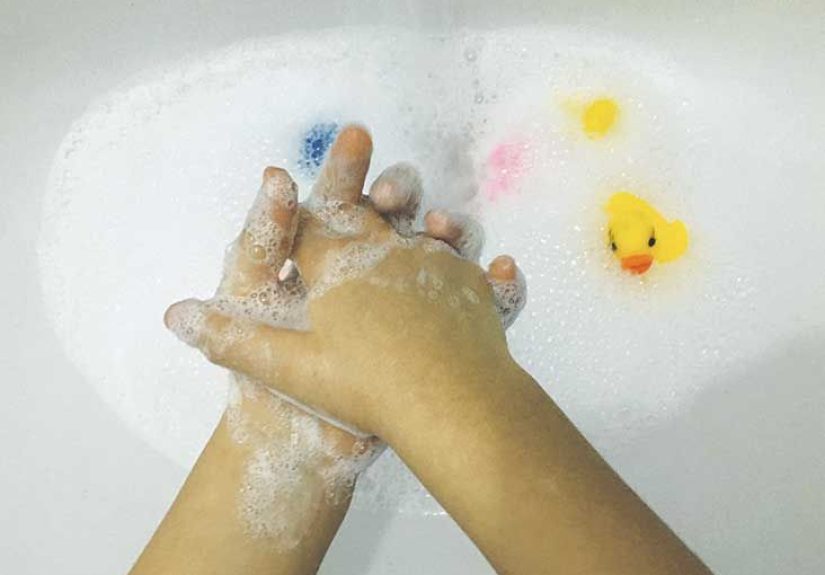
If childhood hygiene had a hall of fame, handwashing would be the first inductee. It is simple, cheap, and wildly effective. Kids should learn to wash their hands before eating, after using the bathroom, after coughing or sneezing, after playing outside, after touching pets, and whenever hands are obviously dirty. Soap, water, and enough time to actually scrub matter far more than a speed splash that lasts roughly half a second.
Teach kids to wash the fronts and backs of their hands, between their fingers, around the thumbs, and under the nails. A good rule is to scrub long enough to hum a short song. Not an epic concert version. Just enough time for the soap to do its job.
Handwashing for children works best when it is tied to daily moments instead of random parental lectures. Before meals. After the bathroom. After school. After soccer. After the child has been “just quickly” petting every goat at the petting zoo.
2. Toothbrushing and Flossing: Tiny Teeth, Big Responsibility
Oral care should start early and stay consistent. Children need to brush twice a day, usually after breakfast and before bed. The goal is not simply minty breath. It is preventing plaque buildup, cavities, gum irritation, and future dental problems that cost far more than a toothbrush ever will.
For younger children, parents need to do more than hand over a toothbrush and hope for the best. Kids often brush like they are painting a fence in the dark. They need help, supervision, and reminders to reach every surface. A child-size toothbrush, fluoride toothpaste, and a clear routine make a huge difference.
Flossing should begin when teeth touch. That surprises many parents, but it makes sense. A toothbrush cannot clean where it cannot fit. If your child has tightly spaced teeth, floss is part of the job. In many families, flossing sounds very ambitious at first. That is normal. Start small, stay consistent, and treat it like a regular part of the bedtime routine instead of a dramatic special event.
3. Bathing and Showering: Clean Does Not Mean Constantly Soaked
One of the biggest myths in kids hygiene is that every child must bathe every single day no matter what. In reality, bathing habits for kids depend on age, activity level, and skin needs. Some school-age children do fine with bathing once or twice a week if they are not sweaty or visibly dirty. On the other hand, a child who just rolled through a muddy soccer field, swam in a chlorinated pool, or treated sunscreen like body lotion has clearly entered “please shower now” territory.
As kids get older, especially around puberty, showering usually needs to happen more often. Body odor, oily skin, and sweaty sports gear do not exactly disappear through optimism. Daily bathing becomes more important, along with washing the face, scalp, underarms, groin, and feet.
Parents should also avoid turning bath time into a chemical festival. Mild soap, warm water, and simple products are usually enough. Fragrance-heavy products may smell like a tropical explosion, but they are not always kind to sensitive skin.
4. Nail Care: Small Habit, Big Difference
Nails may seem like a minor detail, but they are surprisingly good at collecting dirt and germs. Keeping fingernails and toenails clean and trimmed is an underrated hygiene habit for kids. Shorter nails are easier to clean, less likely to trap grime, and less tempting for nail-biting missions that somehow always happen right before dinner.
Bath time is often the easiest moment for nail care because nails are softer and easier to trim. Fingernails can be rounded slightly, while toenails should be cut straight across. This is one of those small details that helps prevent future pain and ingrown toenails. Not glamorous, but definitely useful.
5. Bathroom Hygiene: The Skill Nobody Brags About but Everyone Needs
Bathroom hygiene deserves a permanent spot in every child’s routine. Kids need to learn to wipe properly, flush, wash their hands, and change out of soiled underwear or clothes when needed. For younger children, this takes practice and plenty of calm repetition. For older kids, it takes reminders that “I forgot” is not a medical exemption from basic hygiene.
Children should also learn simple toilet habits that keep them comfortable and clean: taking their time, wiping thoroughly, washing hands every time, and telling an adult if something feels painful, itchy, or unusual. Hygiene is not just about looking clean. It is also about noticing when the body needs help.
6. Clean Clothes, Fresh Socks, and the Great Underwear Debate
Yes, kids need clean clothes. Yes, this includes underwear. Yes, also socks. Especially socks. Wearing clean clothes every day helps manage sweat, odor, and skin irritation. It also keeps school mornings from smelling like a locker room with a side of mystery.
Teach children to change underwear daily, put on clean socks, and swap out sweaty clothes after sports or outdoor play. Once puberty starts, this becomes even more important. Breathable fabrics and regular clothing changes can make a real difference in comfort and odor control.
7. Cough and Sneeze Hygiene: Keep the Germs to Yourself, Please
Kids should learn to cough or sneeze into a tissue or their elbow, not into their hands and definitely not into the general atmosphere like a tiny weather system. Used tissues go in the trash. Hands get washed afterward. This is one of the easiest ways to reduce the spread of respiratory illness at home and school.
It helps to teach this skill before cold season turns your home into a symphony of sniffles. Practice when kids are healthy so they know what to do when they are not.
How to Build a Kids Hygiene Routine That Actually Sticks
The secret to consistent hygiene is not endless nagging. It is routine. Children do better when they know what happens next. A predictable morning and bedtime structure turns hygiene from a negotiation into a normal part of the day.
A simple morning routine might include using the bathroom, washing hands, washing face, brushing teeth, putting on deodorant if needed, and getting dressed in clean clothes. A simple evening routine might include bath or shower time, putting on pajamas, brushing and flossing teeth, and placing dirty clothes in the hamper instead of launching them into orbit near the bed.
Visual checklists can help younger kids and children who need more structure. For example:
Wash hands. Brush teeth. Comb hair. Put on clean underwear. Put on socks. Done. Tiny victories count.
Timers, songs, and sticker charts can help too, but the biggest factor is consistency. When hygiene happens at the same times every day, kids stop acting like it is a shocking new request invented five seconds ago.
Age-by-Age Hygiene Tips
Toddlers and Preschoolers
This stage is all about imitation and repetition. Kids this age can begin learning to wash hands, wipe faces, hold a toothbrush, and help with bath time, but they still need lots of adult assistance. Keep instructions short and concrete. “Soap, scrub, rinse, dry” works better than a long speech about microbes.
School-Age Kids
These kids can do more on their own, but independence should not be confused with mastery. They often still need reminders and supervision, especially with toothbrushing, nail care, and thorough handwashing. This is a great age for building responsibility through checklists and simple routines.
Tweens
Puberty changes the game. Body odor, oily skin, acne, and heavier sweating mean hygiene needs may increase. Daily showers, regular face washing, clean clothes, deodorant, and strong dental habits become especially important. This stage also calls for tact. Nobody enjoys a surprise lecture titled “Why You Suddenly Smell Like Gym Class.” A calm, respectful conversation works better.
Common Hygiene Mistakes Parents Should Avoid
Making Hygiene Feel Like Punishment
If every bath, brushing session, or handwash comes with scolding, kids learn to resist the process instead of accepting it. The goal is routine, not shame.
Expecting Independence Too Early
Many children still need help brushing well into the elementary years. Supervision is not babying. It is quality control.
Using Harsh or Overly Scented Products
Strong fragrances and fancy products are not proof of cleanliness. Gentle, simple products are often better for children’s skin.
Ignoring the Why
Kids cooperate more when they understand the point. “We wash hands so germs do not hitchhike onto your sandwich” is often more effective than “Because I said so.”
Real-Life Experiences Families Often Have With Kids and Hygiene
Many parents begin this journey with the same innocent belief: “I will teach my child good hygiene, and they will immediately love it.” Then real life shows up. The toddler licks the shopping cart. The preschooler insists the bath is “too wet.” The second grader brushes only the front four teeth like they are prepping for a photo shoot. Suddenly, hygiene habits for kids become less of a parenting brochure and more of a daily improv performance.
One common experience is the handwashing battle. Parents ask a child to wash up before dinner, and the child returns suspiciously fast with bone-dry hands. This is the classic “performed a sink visit” move. Over time, families usually learn that children need demonstration, not just direction. Once parents start showing exactly how to scrub, rinse, and dry, and once handwashing becomes tied to mealtime and bathroom use, the resistance usually fades. Not overnight, of course. Childhood prefers dramatic pacing.
Another familiar moment happens with toothbrushing. At first, many kids enjoy the toothbrush because it feels grown-up. Then one day they decide brushing takes forever, toothpaste tastes weird, and the whole enterprise is clearly a conspiracy. Families often discover that brushing goes better when it is predictable and a little playful. A timer, a silly song, or brushing together in the mirror can turn the job from a standoff into a shared routine. It is not glamorous, but neither are fillings.
Bathing brings its own adventures. Some kids love the water so much they would happily turn the bathroom into an indoor lake. Others act as if shampoo is a personal insult. Parents often find that bath time improves when children know what to expect: wash hair, wash body, rinse, dry off, pajamas, story, bed. Familiar steps reduce resistance. Kids may still negotiate like tiny lawyers, but the routine gives adults a better chance of winning the case.
Then there is the age when body odor quietly enters the chat. This can catch families off guard, especially when a child still looks little but starts coming home from school or sports smelling much older. For many parents, this becomes a turning point. Hygiene is no longer just a parent-managed task. It becomes a life skill the child has to own. Conversations about deodorant, clean socks, sports clothes, and daily showers may feel awkward at first, but they are also a sign that the child is growing in responsibility.
Perhaps the most reassuring experience of all is this: kids usually improve. The child who once treated soap like an enemy often becomes the kid reminding everyone else to wash up. The child who missed half their molars eventually learns a solid brushing routine. Progress tends to come in layers, with a few setbacks and a lot of repetition. That is normal. Hygiene is not mastered in one magical lesson. It is built through everyday practice, patient reminders, and the occasional parental deep breath in the hallway.
Conclusion
The best hygiene habits for kids are not fancy, expensive, or complicated. They are the basics done consistently: wash hands, brush teeth, bathe when needed, trim nails, wear clean clothes, and cover coughs and sneezes. These daily actions protect health, build independence, and prepare children for school, friendships, sports, and everyday life.
If parents keep the tone calm, the routine predictable, and the expectations age-appropriate, kids can learn these skills without turning every bathroom visit into a dramatic event worthy of its own soundtrack. In the end, good hygiene is really about helping children feel healthy, capable, and comfortable in their own skin. Also, as a bonus, your couch may become slightly less sticky.