Table of Contents >> Show >> Hide
- What counts as lip discoloration?
- Common causes of darker lips
- Causes of pale, light, blue, or gray lips
- Symptoms that help narrow down the cause
- How lip discoloration is diagnosed
- Treatment for lip discoloration
- How to prevent lip discoloration
- When to see a doctor right away
- The bottom line
- Experiences people often describe with lip discoloration
- SEO Tags
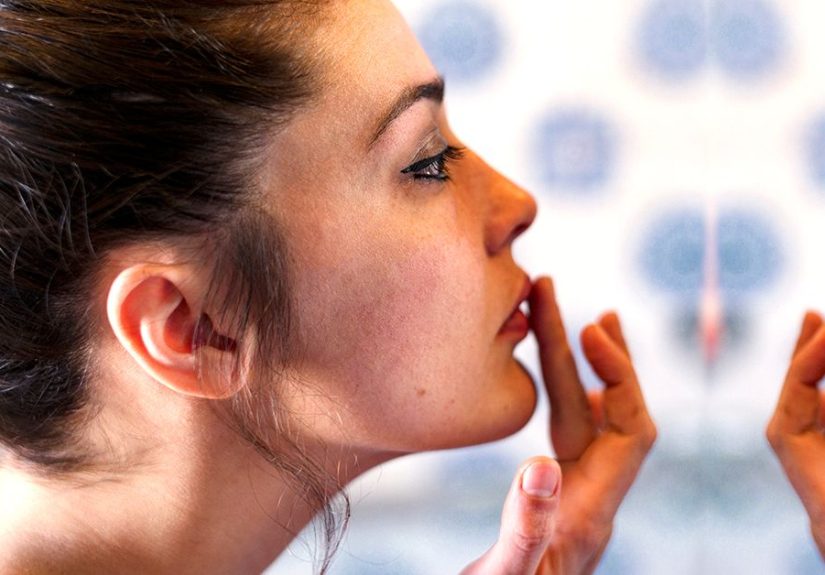
Most people notice lip discoloration the same way they notice a bad haircut: suddenly, dramatically, and while staring at themselves in unforgiving lighting. One day your lips look like their usual healthy shade. The next, they seem darker, paler, patchy, bluish, grayish, or uneven for no obvious reason. It can be annoying, cosmetic, confusing, or, in some cases, a clue that your body wants your attention.
The good news is that lip discoloration is often caused by something manageable, such as dryness, irritation, sun exposure, inflammation, or a reaction to a product. The less-good news is that lips can also change color because of circulation issues, low oxygen, chronic sun damage, or underlying medical conditions. In other words, sometimes it is just a lip balm problem, and sometimes it is a “please call a doctor” problem.
This guide breaks down what lip discoloration can look like, the most common causes, how treatment usually works, and what you can do to help prevent color changes in the future.
What counts as lip discoloration?
Lip discoloration means your lips look different from their usual color. That can include:
- Darker brown, tan, or gray-brown areas
- Blackish or purple-looking patches
- Pale or washed-out lips
- Blue or gray lips
- Lighter spots or loss of pigment
- Uneven color along the border of the lips
- White, scaly, or rough areas that do not seem to heal
It is also important to remember that natural lip color varies widely. People with deeper skin tones often have naturally more pigmented lips, especially around the border. That is normal. Discoloration usually becomes a concern when the color changes noticeably, becomes patchy, starts suddenly, or comes with symptoms like scaling, pain, itching, swelling, sores, bleeding, or breathing trouble.
Common causes of darker lips
1. Sun exposure
Your lips are not magically immune to the sun just because they spend all day being fabulous. The skin on the lips is delicate and can develop darkening from ultraviolet exposure. Over time, sun damage can cause extra pigment, chronic dryness, and rough texture. In some people, it can also lead to actinic cheilitis, a precancerous condition that may cause discolored, dry, scaly, or pale-looking changes, especially on the lower lip.
If you spend a lot of time outdoors, skip lip SPF, or assume your lipstick is doing more protective work than it really is, sun-related lip discoloration moves higher on the suspect list.
2. Irritation, allergies, and lip licking
Lips can darken after repeated irritation. This is especially common when the skin barrier is damaged by licking, biting, picking, scrubbing, spicy products, fragranced balms, flavored lip treatments, toothpaste ingredients, mouthwash, lipstick, or lip-plumping formulas. Some people develop contact cheilitis, which is basically your lips filing a formal complaint against something they are touching every day.
When inflammation lingers, the lips may look red at first and then heal with darker pigment. This is often called post-inflammatory hyperpigmentation. It can be more noticeable in people with medium to deep skin tones.
3. Dryness and chapping
Chronically dry lips can look dull, darker, uneven, or ashy. Cracks and peeling may make the color look patchy rather than smooth. Cold weather, low humidity, dehydration, mouth breathing, and irritating products can all make this worse. If your lips are dry enough to feel like crinkled tissue paper, color changes are not surprising.
4. Smoking and chronic friction
Tobacco use has long been associated with pigmentation changes in the lips and oral tissues. Repeated exposure to smoke, heat, and irritation may contribute to darkening over time. Chronic friction from habits like biting or rubbing the lips can also make pigmentation more noticeable.
5. Hormones, medications, and health conditions
Some pigment changes are tied to hormones, medications, or systemic conditions. For example, melasma is usually discussed in relation to the face, but pigmentation around the mouth can become more obvious with sun exposure, hormonal shifts, pregnancy, or certain medications. Some drugs may also trigger darker pigmentation in the skin or mucous membranes.
In rarer cases, darkening of the lips or inside the mouth can be linked with endocrine conditions, including Addison disease. That does not mean every dark patch is a hormone disorder. It does mean that new, unexplained, widespread, or persistent pigmentation deserves a proper evaluation instead of a random internet spiral at 1:00 a.m.
6. Benign pigmented spots
Some people develop a flat brown or brown-black spot called a labial melanotic macule. These spots are often benign and can appear on the lower lip. Still, pigmented lesions on the lips can sometimes resemble more serious conditions. That is why new, changing, irregular, or one-sided dark spots should be checked rather than self-diagnosed from three blurry mirror selfies.
Causes of pale, light, blue, or gray lips
1. Pale lips
Pale lips can happen when the lips are dry, irritated, or inflamed, but they may also reflect reduced blood flow or low hemoglobin. Fatigue, weakness, or overall paleness along with lip color changes may point to issues like iron deficiency or anemia. Pale lips are not always dramatic, but they can be a useful clue when they show up with other symptoms.
2. White or lighter patches
Loss of pigment can happen for a few reasons. Some people develop light areas due to inflammation or irritation. Others may have pigment loss related to vitiligo. White, rough, or scaly areas can also be associated with sun damage, including precancerous change on the lips. Texture matters here. A smooth light spot is different from a rough patch that keeps returning and refuses to heal.
3. Blue or gray lips
This is the category that should never be brushed off as “maybe I just need more water.” Blue or gray lips can be a sign of cyanosis, which means there may not be enough oxygen in the blood. In some people, especially with darker skin tones, this color change may look light gray rather than bright blue. Cold weather can sometimes temporarily affect lip color, but if the change is persistent or comes with shortness of breath, chest symptoms, confusion, or trouble breathing, it is an emergency.
Symptoms that help narrow down the cause
Color alone tells only part of the story. The details around it often matter more:
- Itching, burning, or swelling: more suggestive of irritation, allergy, or eczema
- Dryness, peeling, cracks, or scaling: often linked with chapping, cheilitis, or sun damage
- A single flat dark spot: may be benign, but should be monitored for change
- Patchy darkening after a rash or inflammation: may point to post-inflammatory hyperpigmentation
- Blue or gray color: raises concern for poor oxygenation or circulation issues
- A sore, crusted area, bleeding, or a spot that will not heal: needs medical evaluation
How lip discoloration is diagnosed
If discoloration is persistent or suspicious, a clinician will usually start with a medical history and physical exam. They may ask:
- When did the color change start?
- Did it appear after a new lipstick, toothpaste, retinoid, or lip balm?
- Do you smoke or spend lots of time in the sun?
- Do you lick or bite your lips?
- Is the spot changing size, shape, or texture?
- Do you also have fatigue, breathing symptoms, mouth sores, or skin changes elsewhere?
Sometimes diagnosis is clinical, especially for common irritation-related issues. If a lesion looks unusual, keeps changing, or raises concern for precancer or melanoma, a biopsy may be recommended. That sounds scary, but it is often the fastest way to stop guessing and start treating the right thing.
Treatment for lip discoloration
Treatment depends entirely on the cause. There is no universal “erase this lip patch” trick, despite what certain social media videos may promise while someone aggressively rubs lemon juice on their mouth. Please do not do that.
1. Repair the lip barrier
If dryness, irritation, or mild inflammation is driving the color change, the first step is often simple barrier care:
- Use plain petroleum jelly or a bland, fragrance-free ointment
- Avoid licking, biting, and scrubbing the lips
- Stop using irritating or heavily fragranced products
- Switch to gentle toothpaste and lip products if contact allergy is suspected
This basic approach helps many people more than a drawer full of “hydrating” products that smell like birthday cake and somehow leave lips drier than before.
2. Use daily sun protection
For sun-related darkening or prevention of recurrent pigment change, a lip balm with SPF 30 or higher is essential. Mineral filters like zinc oxide or titanium dioxide are often well tolerated. Reapply regularly when outdoors, especially after eating, drinking, or wiping your mouth. If your lower lip keeps getting darker and drier, sun protection should move from “nice idea” to “non-negotiable habit.”
3. Treat inflammation or eczema
If a clinician diagnoses cheilitis, eczema, or allergic contact dermatitis, treatment may include avoiding triggers and using prescription anti-inflammatory medication for a limited time. Once inflammation settles, the leftover discoloration often improves gradually, though it may take weeks to months.
4. Address pigmentation disorders
For hyperpigmentation related to melasma, inflammation, or other pigment disorders, treatment may involve dermatologist-guided creams or procedures. Because lips are delicate, this is not an area for random acid peels, harsh brightening products, or do-it-yourself depigmentation experiments. What works on a forehead does not always belong on a lip.
5. Treat infections or sores appropriately
If discoloration is related to infection, cold sores, yeast involvement at the corners of the mouth, or inflammation from another oral condition, treatment has to match the cause. That could mean antiviral, antifungal, or other prescription care. When the underlying issue improves, the color usually improves too.
6. Evaluate suspicious lesions
Scaly white patches, nonhealing sores, growing pigmented spots, bleeding lesions, or chronic sun-damaged lower lips may need procedures ranging from biopsy to treatment for precancerous change. This is not overreacting. This is basic self-respect for your face.
How to prevent lip discoloration
Prevention is not glamorous, but it is wildly effective. The lips love routine more than drama.
- Wear SPF on your lips every day. Not just at the beach. Not just on vacation. Daily.
- Choose simple lip products. Fragrance-free and bland beats “watermelon mint cinnamon sparkle” when your lips are sensitive.
- Do not lick or bite your lips. It feels helpful for about four seconds and then makes dryness worse.
- Stay hydrated and protect against dry air. Especially in winter or air-conditioned environments.
- Stop smoking. Your lips, lungs, skin, and future self will all send thank-you notes.
- Patch-test new cosmetics when possible. If a product burns, tingles, or makes your lips angry, retire it.
- See a clinician early for persistent change. Fast attention often means simpler treatment.
When to see a doctor right away
Make an urgent or emergency call if you have blue or gray lips, especially with:
- Shortness of breath
- Chest pain
- Confusion
- Trouble breathing
- Sudden onset of severe illness symptoms
Schedule a medical or dermatology visit soon if you have:
- A lip sore or patch that does not improve within two weeks
- A rough, scaly, pale, or crusted lower lip
- A new or changing brown, black, or irregular spot
- Bleeding, pain, or recurring cracking in the same area
- Persistent darkening with no clear trigger
- Lip discoloration along with fatigue, widespread skin changes, or symptoms elsewhere
The bottom line
Lip discoloration is common, and in many cases it comes down to sun exposure, irritation, dryness, inflammation, or a product your lips absolutely hate. Sometimes the fix is simple: a bland ointment, less lip licking, better sun protection, and a break from irritating cosmetics. Other times, the color change is your cue to get checked for a pigmentation disorder, chronic sun damage, or a more serious medical issue.
The smartest approach is to notice the pattern. Did the color change come with itching, dryness, or a new product? Did it show up after sun exposure? Is it one dark spot that is changing? Is it blue or gray with breathing symptoms? Lips may be small, but they can deliver big clues. Pay attention when they do.
Experiences people often describe with lip discoloration
The experiences below are composite examples based on common patterns people report, not individual medical case histories. They are useful because lip discoloration often feels minor at first, which is exactly why people ignore it longer than they should.
One common experience starts in winter. A person notices their lips are dry all the time, so they keep reapplying flavored balm every hour. Instead of improving, the lips become darker around the edges, sting after meals, and peel in thin layers. Eventually they realize the product itself is part of the problem. Once they switch to a plain ointment, stop licking their lips, and give the skin barrier time to recover, the color gradually becomes more even. The lesson is painfully simple: sometimes “more product” is not better, and lips are surprisingly easy to irritate.
Another familiar story involves sun exposure. Someone spends months walking, driving, or exercising outside without ever thinking about lip sunscreen. Their lower lip slowly turns darker and rougher, but because it is not dramatic, they assume it is just chronic dryness. When they finally pay attention, they notice that the area is always the same spot, always scaly, and never quite normal. This is the kind of experience that teaches people the difference between ordinary chapping and something that deserves a dermatology visit. Daily SPF on the lips suddenly stops sounding like an optional extra and starts sounding like common sense.
People also describe the frustration of cosmetic-triggered discoloration. A new lipstick, plumper, lip stain, toothpaste, or even mouthwash seems harmless at first. Then the lips start burning, itching, or swelling slightly. A few days later, the irritation calms down, but uneven brown pigment remains. Many people are surprised that the “rash” disappears before the discoloration does. That delay can make it harder to connect the dots. The lip color changes may linger for weeks or longer, especially in skin that is more prone to post-inflammatory pigment.
There are also experiences that feel less cosmetic and more unsettling. Someone notices their lips look unusually pale when they are exhausted, or a family member points out that their lips seem grayish when they are short of breath. These are the moments that remind people lip color is not just about appearance. It can reflect circulation, oxygen levels, or broader health problems. In those cases, the lip change is not the whole story. It is one clue among several, and it matters because it helps people recognize when “wait and see” is the wrong strategy.
Finally, many people describe relief after getting a persistent spot checked. They may spend weeks worrying that a dark patch means the worst, only to learn it is benign and simply needs monitoring. Others discover that a rough, stubborn area really does need treatment. Either way, the experience usually ends the same way: they wish they had not spent so much time guessing. Lip discoloration can be trivial, treatable, or occasionally serious, but getting the right answer is almost always less stressful than living in the land of maybe.